Are you looking to upgrade your club’s security without breaking the bank? Building your own electronic entry door lock could be the perfect solution.
Imagine controlling who enters your club with just a simple code or keycard, giving you peace of mind and making your venue safer. In this guide, you’ll discover easy steps to create a reliable, DIY electronic lock tailored for your club.
Ready to take control of your club’s security? Let’s dive in and make it happen.
Choosing The Right Lock System
Choosing the right electronic entry door lock for your club is a crucial decision. It affects not only security but also convenience and member experience. You want a system that fits your specific needs without causing headaches during installation or daily use.
Types Of Electronic Locks
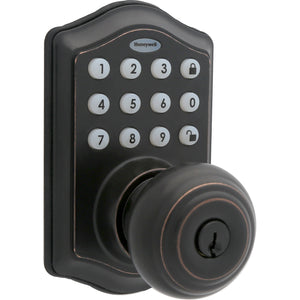
Electronic locks come in various forms, each offering different levels of security and ease of use. Common types include keypad locks, RFID card readers, biometric scanners, and Bluetooth-enabled locks.
- Keypad Locks:Users enter a PIN code. Simple and cost-effective but vulnerable if codes are shared.
- RFID Locks:Access granted via cards or fobs. Quick entry and harder to duplicate than keypads.
- Biometric Locks:Use fingerprints or facial recognition. High security but often pricier and require more maintenance.
- Bluetooth Locks:Controlled through smartphones. Convenient but depend on reliable app performance and phone battery.
Think about how many members need access and how often the lock will be used. Will your club benefit more from speed or from higher security measures?
Key Features To Consider
Beyond the lock type, certain features can make a big difference in daily operations. Look for options like audit trails, remote access control, and backup power supply.
- Audit Trails:Keeps a log of who entered and when, helping with security checks.
- Remote Access:Allows you to grant or revoke entry without being on-site.
- Battery Backup:Ensures the lock works during power outages.
- Durability:Choose locks built to withstand frequent use and possible tampering.
Ask yourself if you need to monitor entry closely or prefer a hands-off approach. Features like remote access can save you time and hassle.
Budgeting For Materials
Setting a realistic budget upfront helps avoid surprises later. Electronic locks vary widely in price depending on type and features.
| Lock Type | Estimated Cost Range | Additional Costs |
|---|---|---|
| Keypad Lock | $50 – $150 | Installation tools, batteries |
| RFID Lock | $100 – $300 | Cards/fobs, programming software |
| Biometric Lock | $200 – $600 | Maintenance, sensor calibration |
| Bluetooth Lock | $150 – $400 | App subscription, smartphone compatibility |
Remember to factor in installation time or if you’ll hire a professional. Investing a bit more upfront can save you from costly fixes down the road.

Credit: www.hindustantimes.com
Gathering Required Tools And Components
Gathering the right tools and components is the first step to creating an electronic entry door lock for your club. Having everything prepared ensures smooth installation and proper function. This section breaks down the essential items needed for a successful DIY project.
Essential Hardware
- Metal or wooden door compatible with lock installation
- Electric strike plate or magnetic lock
- Mounting screws and bolts
- Strike box or housing for lock mechanism
- Power supply adapter (12V or 24V depending on lock)
- Door frame reinforcement plates
Electronic Components
- Keypad or RFID card reader for access control
- Microcontroller or electronic control board
- Electric wiring and connectors
- Relay modules for switching the lock
- Backup battery for power outages
- Indicator LEDs for lock status
Safety Equipment
- Insulated gloves to prevent electric shocks
- Safety goggles to protect eyes during drilling
- Multimeter to check electrical connections
- Wire stripper and cutter for clean wiring
- Fire extinguisher nearby for emergencies
Designing The Lock Mechanism
Designing the lock mechanism is the core of creating a reliable electronic entry door lock for a club. The design must balance security, ease of use, and durability. Each component should work together smoothly to control access effectively. Consider the environment, usage frequency, and potential risks. Thoughtful planning ensures a lock that protects your club without causing inconvenience.
Locking Methods
Choose a locking method that fits your club’s needs. Popular options include:
- Electromagnetic locks – use magnetic force to secure the door.
- Motorized deadbolts – physically move a bolt to lock or unlock.
- Solenoid locks – use an electric coil to move the locking pin.
Electromagnetic locks offer quick release but need continuous power. Motorized deadbolts provide strong physical security. Solenoid locks are compact and fast but less robust. Match the method to the club’s security level and door type.
Power Supply Options
Reliable power is essential for electronic locks. Common power sources include:
- Wired power from the club’s electrical system.
- Battery power for backup or standalone use.
- Solar power for energy-efficient setups.
Wired power ensures constant operation but may fail during outages. Batteries provide backup but need regular replacement. Solar power suits outdoor or remote doors. Plan for power failures by adding backup batteries or uninterruptible power supplies (UPS).
Integration With Club Security
The lock should work with the club’s existing security system. Integrate with:
- Access control software to manage user permissions.
- Surveillance cameras for monitoring entry points.
- Alarm systems to alert staff of unauthorized access.
Integration enables centralized control and better security. Use compatible communication protocols like Wi-Fi, Bluetooth, or wired connections. Ensure the lock’s software supports updates and logging for audit trails. This setup strengthens the club’s overall safety and management.
Credit: www.safeandvaultstore.com
Wiring And Circuit Setup
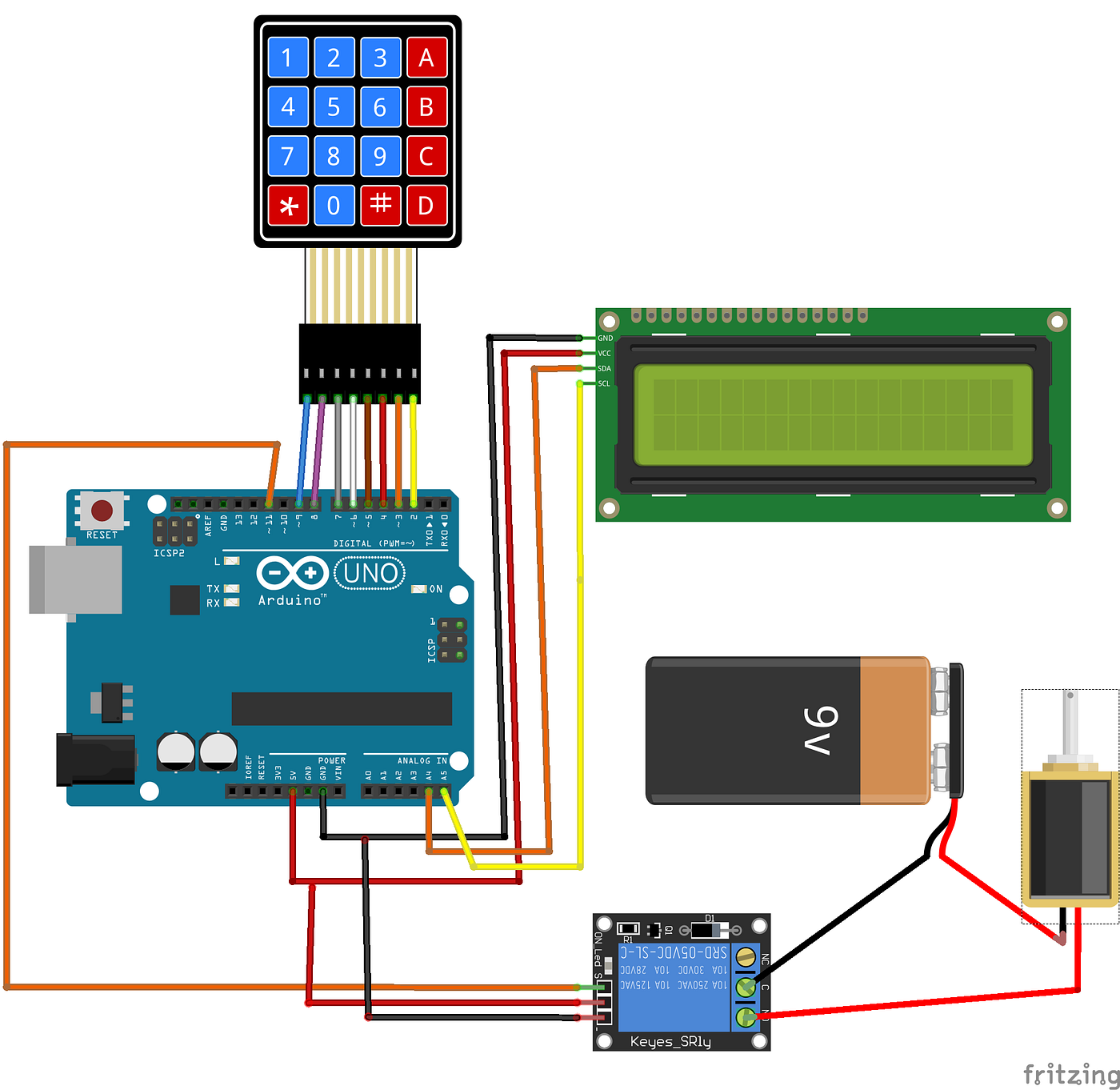
Setting up the wiring and circuit for a DIY electronic entry door lock is a crucial phase. It ensures the lock functions reliably and safely. Clear wiring and correct circuit design prevent errors and damage. This section explains how to connect electrical parts, program the microcontroller, and test the circuit.
Basic Electrical Connections
Start with organizing all components on a breadboard or PCB. Connect the power supply to the microcontroller and sensors. Use color-coded wires to avoid confusion. Secure connections reduce the chance of loose contacts.
- Connect the lock actuator to a relay or motor driver.
- Attach keypad or RFID reader to input pins.
- Ensure ground lines are common to all parts.
- Use resistors to protect sensitive inputs.
Check polarity and voltage levels carefully before powering the circuit. Use a multimeter to verify connections and avoid short circuits.
Microcontroller Programming
Program the microcontroller to manage input and control the lock mechanism. Write code to read the keypad or RFID signals. Validate the entered code or card data.
- Set up input pins with pull-up or pull-down resistors.
- Write functions to check access codes or IDs.
- Control the lock relay or motor output based on validation.
- Add delay and feedback signals like LEDs or buzzers.
Upload the program using a suitable IDE and test basic responses before full integration.
Testing The Circuit
Test the entire system carefully after wiring and programming. Verify inputs trigger correct outputs. Confirm the lock engages and disengages smoothly.
- Power the circuit and watch for power stability.
- Enter valid and invalid codes to check responses.
- Observe LEDs or sound alerts for feedback.
- Measure current draw to detect faults.
Troubleshoot wiring or code errors promptly. Repeat tests until the system works reliably. Proper testing ensures safety and performance of the door lock system.
Installing The Lock On The Door
Installing the electronic entry door lock requires careful attention to the door and lock components. Proper installation ensures the lock works smoothly and keeps the club secure. Follow clear steps to prepare the door, mount the lock, and secure the wiring.
Preparing The Door
Start by cleaning the door surface around the lock area. Remove any old hardware or debris. Check the door thickness to confirm it fits the lock specifications. Mark the positions for the lock and keypad using the lock template. Drill holes carefully, following the marked points. Smooth out any rough edges to avoid damage to the lock components.
Mounting The Lock
Align the lock body with the drilled holes on the door. Insert the lock firmly and hold it in place. Attach the screws to fix the lock securely. Tighten screws evenly to prevent misalignment. Connect the keypad or control panel to the lock body. Make sure all parts fit snugly and operate without resistance.
Securing Wiring
Route the wiring through the door frame to the power source. Use cable clips or ties to keep wires neat and safe. Avoid pinching or bending wires sharply to prevent damage. Connect the wires to the lock terminals according to the instruction manual. Test the wiring connection before closing the door panel. Ensure the lock receives power and responds to commands properly.
Configuring Access Controls
Configuring access controls is a vital step in setting up your DIY electronic entry door locks for your club. It ensures only authorized people can enter, enhancing security while keeping things convenient. Getting this right means you control who gets access and when, reducing risks and improving management.
Setting Up Keypads Or Card Readers
Start by installing the keypad or card reader in a location that’s easy for members to reach but not visible to passersby. Connect the device to your lock system following the manufacturer’s instructions carefully. Many systems allow you to customize the access method, like PIN codes or RFID cards, so choose what fits your club’s needs best.
Make sure to test each device after installation. Try entering a code or swiping a card to confirm it triggers the lock correctly. If you find any delay or failure, double-check wiring and power supply before moving on.
Managing User Permissions
Once your devices are ready, assign access permissions to your users. Most electronic locks let you create user profiles with specific entry times and days. This way, you can restrict access during non-operating hours or for certain areas in the club.
Keep a clear record of who has access and update it regularly. Removing permissions for former members or staff prevents unauthorized entry. You might find software tools helpful for managing these permissions efficiently, especially if your club has many users.
Troubleshooting Access Issues
Access problems can happen, so it’s good to know how to fix them quickly. If a keypad or card reader doesn’t respond, check the power source and connections first. Sometimes, replacing batteries or reseating cables solves the issue immediately.
Consider common mistakes like entering incorrect codes multiple times, which could lock the system temporarily. Encourage your users to report any access failures so you can address them promptly. If problems persist, consulting the device manual or contacting support might be necessary.
Ensuring Safety And Maintenance
Ensuring safety and regular maintenance is vital for DIY electronic entry door locks in clubs. Proper upkeep prevents malfunctions and keeps the lock system reliable. This section covers key practices to maintain security and performance over time.
Regular Testing
Test the lock system frequently to confirm it works correctly. Check for any delays or failures in locking and unlocking. Try all access methods like keypads or cards. Testing helps spot issues early before they cause problems. Keep a log of test results to track performance trends.
Battery And Power Checks
Electronic locks rely on power, often batteries. Inspect batteries monthly and replace weak or dead ones immediately. Use high-quality batteries to extend life. Verify backup power systems function during outages. Poor power supply can cause lock failure or false alarms.
Updating Software And Firmware
Keep the lock’s software and firmware up to date. Updates fix bugs and improve security features. Check the manufacturer’s site for updates regularly. Install updates carefully following instructions to avoid errors. Updated software protects against new hacking methods.
Credit: www.safeandvaultstore.com
Frequently Asked Questions
What Tools Are Needed For Diy Electronic Door Locks?
You need a screwdriver, drill, wire stripper, multimeter, and soldering kit. Basic electrical knowledge helps. Always use safety gear during installation.
How To Choose The Best Electronic Lock For A Club?
Select locks with high security, durability, and easy user access. Consider fingerprint or keypad models. Ensure compatibility with your door type.
Can I Install Electronic Locks Without Professional Help?
Yes, with proper instructions and tools, you can install them yourself. Follow manufacturer guidelines carefully. Test the lock before full use.
How To Maintain Diy Electronic Entry Door Locks?
Regularly clean the lock and keypad. Check battery levels monthly. Lubricate mechanical parts annually for smooth operation. Address issues promptly to avoid failures.
Conclusion
Creating your own electronic entry door locks for the club is simple. It saves money and adds a personal touch. With some tools and patience, you can enhance security. DIY projects like this one can be fun and rewarding. Remember, safety first.
Always double-check your work to ensure it functions properly. This project improves your skills and boosts confidence. Soon, you’ll be ready to tackle more DIY tasks. Enjoy the process and the results. A secure club is a happy club.
Leave a Reply