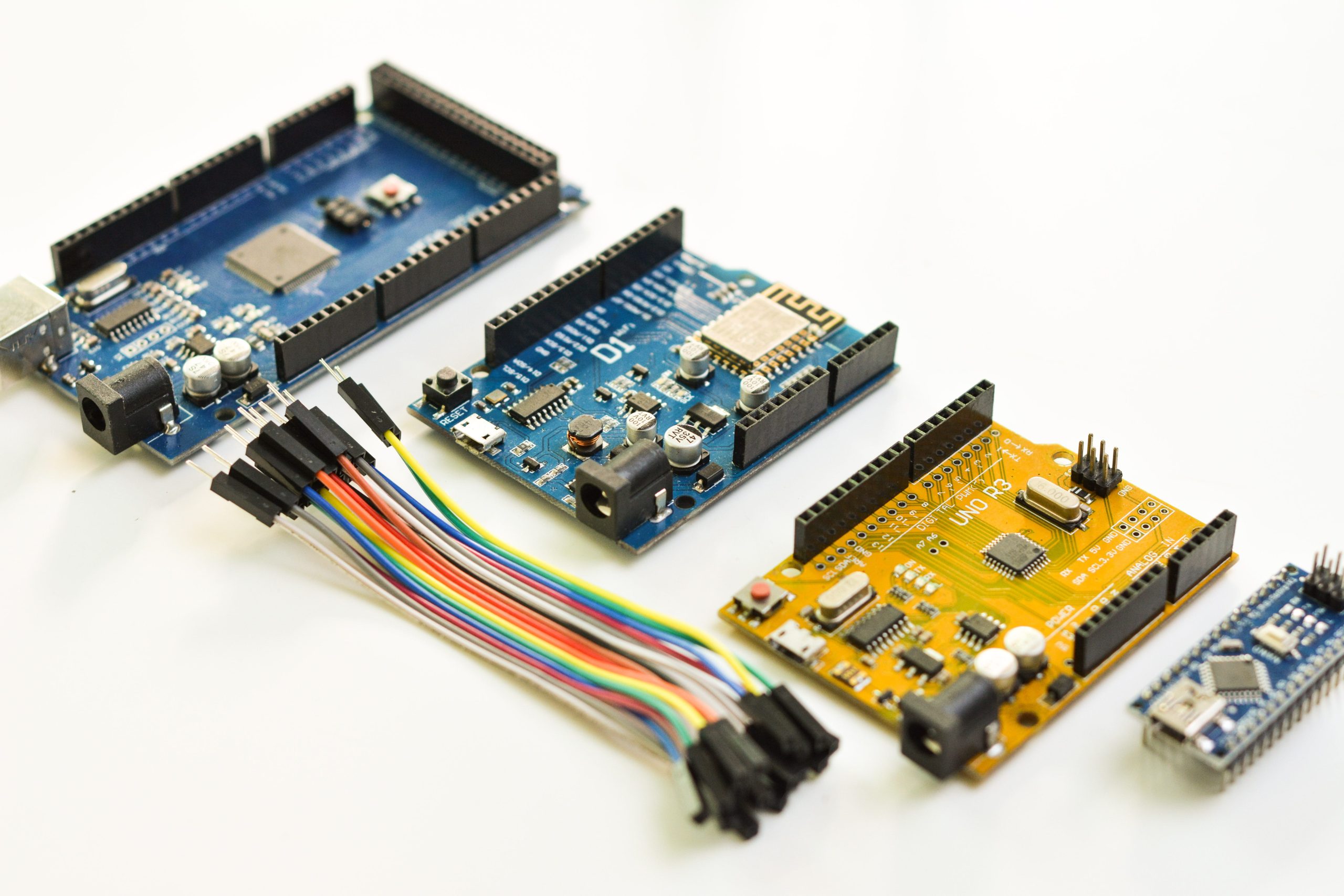
Are you an electrical engineer looking for a fun and rewarding way to spend your free time? Hobby electronics could be exactly what you need.
It’s a hands-on activity that lets you bring your ideas to life, sharpen your skills, and even surprise yourself with what you can create. Whether you want to build gadgets, experiment with circuits, or just explore new tech, this guide will show you how to get started easily and enjoy every step.
Ready to turn your passion into exciting projects? Keep reading, and discover how hobby electronics can boost your creativity and expertise like never before.

Credit: www.eimtechnology.com
Choosing The Right Projects
Choosing the right projects is key to enjoying hobby electronics. It helps keep you motivated and learning steadily. The right project fits your skill level and interests. It also matches the time and resources you have. Picking wisely leads to better results and more fun.
Simple Ideas For Beginners
Start with easy projects to build confidence. Small tasks teach basic skills and circuit understanding. Examples include:
- LED blinkers
- Simple buzzers
- Basic light sensors
- Battery testers
These projects use few parts and clear instructions. They help you learn soldering and wiring safely. Simple projects also allow quick success.
Challenging Projects For Experts
Experts can try complex projects with advanced features. These push skills and creativity further. Examples include:
- Microcontroller-based robots
- Wireless communication devices
- Home automation systems
- Audio amplifiers
Challenging projects need more planning and troubleshooting. They offer deep learning and a sense of achievement.
Balancing Fun And Learning
Choose projects that excite you and teach new skills. Fun keeps you engaged, learning keeps you growing. Mix easy and hard tasks to avoid frustration. Set small goals to track progress. Enjoy the process as much as the result.

Credit: www.instructables.com
Essential Tools And Components
Getting started with hobby electronics as an electrical engineer means having the right tools and components at your fingertips. These essentials make it easier to bring your ideas to life and troubleshoot problems quickly. Without them, even the simplest projects can turn into frustrating experiences.
Basic Electronics Toolkit
Your toolkit should cover the basics to help you work efficiently and accurately. A reliable multimeter is a must-have for measuring voltage, current, and resistance. Alongside it, a soldering iron with adjustable temperature control lets you create strong, neat connections.
Don’t forget wire cutters, needle-nose pliers, and a set of precision screwdrivers for handling small parts. A breadboard and jumper wires will help you prototype circuits without soldering, speeding up your testing process. I once skipped proper wire strippers and ended up damaging a few components—trust me, having the right tool saves time and money.
Recommended Components For Starters
Start with a collection of basic electronic components that suit a variety of projects. Stock up on resistors, capacitors, diodes, and LEDs in multiple values. These parts form the backbone of many circuits and give you the flexibility to experiment.
Adding common ICs like 555 timers and op-amps opens up more complex possibilities. Don’t forget transistors, small motors, and sensors such as temperature or light sensors to diversify your projects. Are you curious how these simple parts can combine to create something interactive? Begin mixing and matching to see what works.
Upgrading Your Equipment
As your skills grow, upgrading your tools will improve precision and efficiency. A digital oscilloscope helps you visualize signals and debug circuits in real-time. Consider investing in a variable power supply to safely test different voltage levels without constantly swapping batteries.
Advanced soldering stations with fume extraction make longer sessions more comfortable. You might also want to add a logic analyzer if you start working with microcontrollers or digital systems. Have you thought about which upgrades will have the biggest impact on your workflow?
Designing Your Circuits
Designing your circuits is where your ideas take shape and start to come alive. This phase demands clarity and precision to avoid confusion later on. A well-drawn schematic and thoughtful simulation can save you hours of troubleshooting.
Schematic Drawing Tips
Start with a clean workspace and arrange components logically to follow the signal flow from input to output. Use consistent symbols and label every pin clearly—this reduces mistakes and speeds up debugging.
Keep your wiring neat; avoid crossing lines whenever possible. If you find yourself with a messy schematic, take a step back and reorganize. Trust me, your future self will thank you.
Have you tried using color codes for different types of signals or power lines? It’s a simple trick that instantly improves readability.
Simulation Software Options
Before soldering a single component, test your design with simulation tools like LTspice, Multisim, or EasyEDA. These programs let you spot errors and tweak values without wasting parts.
Some software offers real-time simulation, helping you understand how your circuit behaves under different conditions. Does your design hold up with temperature changes or varying voltages?
Choose software based on your project’s complexity and your comfort level. Don’t hesitate to explore free options first—they often cover most hobby needs.
Prototyping Techniques
Once your schematic checks out, move to prototyping. Breadboards are excellent for quick testing and modifications. You can swap components in seconds without soldering.
For more permanent prototypes, consider using perfboards or designing your own PCB. This step requires more commitment but results in a reliable and compact circuit.
Have you experimented with 3D-printed enclosures? It can protect your prototype and give it a professional feel while you test your design in real-world conditions.
Building And Testing
Building and testing your electronic projects is where theory meets reality. It’s the stage where you transform your ideas into functioning circuits and verify their performance. This hands-on process not only sharpens your skills but also reveals unexpected challenges and learning opportunities.
Breadboarding Best Practices
Breadboards let you test circuits without soldering, making them perfect for experimentation. Start by organizing components logically, grouping related parts together to keep the layout clear.
Use color-coded jumper wires to track connections easily. Avoid long or tangled wires, as they can cause confusion and signal noise.
Double-check power rails and connections before powering up. A small slip here can damage components or waste time troubleshooting.
Soldering Skills And Safety
Soldering turns your breadboard prototype into a durable, permanent circuit. Practice steady hand movements and heat control to avoid cold joints or overheating components.
Always work in a well-ventilated area to avoid inhaling fumes. Use safety glasses and keep a damp sponge nearby to clean the soldering tip regularly.
Remember, good solder joints look shiny and smooth. If your joints appear dull or cracked, reheat and add a bit more solder.
Debugging Common Issues
When your circuit doesn’t work as expected, start by checking the basics: power supply, component orientation, and connections.
Use a multimeter to measure voltages and continuity. It helps pinpoint where the signal or power stops flowing correctly.
Don’t overlook the software side if your project involves microcontrollers. A simple code error can mimic hardware failure.
Ask yourself: is the problem with the wiring, the components, or the code? Systematic testing saves you hours of frustration.
Learning Resources
Diving into hobby electronics as an electrical engineer means tapping into a wealth of learning resources. These resources help you sharpen your skills and fuel your curiosity. The key is to find materials and communities that suit your style and challenge your knowledge.
Books And Online Courses
Books remain a trusted source for deep technical knowledge. Titles like “The Art of Electronics”by Horowitz and Hill offer practical insights that you can apply directly to your projects.
Online courses add flexibility and hands-on experience. Platforms like Coursera and Udemy offer courses tailored to different skill levels, from beginner circuit design to advanced microcontroller programming.
Have you tried following a course that includes project work? Building real circuits while learning theory can make the concepts stick better.
Community Forums And Groups
Joining forums such as the EEVblog or the Arduino Community connects you with fellow enthusiasts and experts. These communities answer specific questions and provide project ideas you might not find elsewhere.
Engage actively by sharing your projects or troubleshooting challenges. This interaction often sparks new ideas and helps you avoid common pitfalls.
What’s one question you’ve been hesitant to ask? Chances are, someone in these groups has faced the same issue.
Workshops And Maker Spaces
Local workshops and maker spaces offer hands-on learning with access to tools you might not have at home. Soldering irons, oscilloscopes, and 3D printers become available in a collaborative environment.
Attending a workshop can introduce you to new techniques and provide immediate feedback. It’s also a great way to meet others who share your passion for electronics.
Could spending a few hours in a maker space boost your confidence and skills more than solo experimentation?
Staying Motivated
Keeping your enthusiasm alive while working on hobby electronics can be challenging, even for skilled electrical engineers. The key to sustained motivation lies in how you approach your projects and measure your growth. Let’s look at practical ways to keep your spark alive and push your skills further.
Setting Realistic Goals
Start by defining clear, achievable objectives for each project. Instead of aiming to build a complex robot from scratch right away, break the project into smaller tasks like designing a simple circuit or programming a basic sensor.
This approach makes progress visible and prevents frustration. Ask yourself: What can I realistically complete this week? Setting goals that fit your schedule helps maintain a steady pace and keeps boredom away.
Tracking Your Progress
Keep a project journal or use digital tools to log your daily or weekly achievements. Recording even small wins, like solving a wiring issue or optimizing code, boosts your confidence.
Visual progress charts or before-and-after photos can make the journey tangible. How often do you review what you’ve accomplished? Regular reflection helps you appreciate your growth and spot areas needing improvement.
Sharing Projects With Others
Showcasing your work to friends, online communities, or local maker groups adds accountability and fresh perspectives. Feedback can spark new ideas and motivate you to refine your designs.
Teaching or explaining your project to others also deepens your understanding. Have you thought about posting your build on forums or social media? Engaging with fellow enthusiasts often turns solitary work into a rewarding experience.

Credit: medium.com
Frequently Asked Questions
What Tools Are Essential For Hobby Electronics Projects?
Basic tools include a soldering iron, multimeter, wire cutters, and a breadboard. These help build and test circuits efficiently. Additional tools like oscilloscopes or logic analyzers enhance debugging and learning for electrical engineers.
How Can Electrical Engineers Start Hobby Electronics Safely?
Start with low-voltage kits to avoid shocks. Follow safety guidelines like wearing goggles and working in a well-ventilated area. Always disconnect power when modifying circuits and use insulated tools to prevent accidents.
Which Beginner Projects Suit Electrical Engineers In Electronics?
Simple projects like LED blinkers, digital clocks, or temperature sensors are great starters. They reinforce circuit design and programming skills. These projects also build confidence before tackling more complex electronics challenges.
How Do Hobby Electronics Improve Electrical Engineering Skills?
Hobby electronics provide hands-on experience with real circuits. They enhance problem-solving, design, and debugging abilities. This practical learning complements theoretical knowledge and keeps engineers updated with emerging technologies.
Conclusion
Exploring hobby electronics can be rewarding for electrical engineers. It allows you to experiment and innovate on a small scale. Building projects can enhance your skills and spark creativity. Start with simple circuits and gradually tackle more complex ones. Use online resources and communities for guidance and support.
Remember, patience and practice are key in this journey. Enjoy the process, learn from mistakes, and celebrate your successes. By doing so, you nurture your passion for electronics. Keep experimenting and learning. It’s a fulfilling path for any electrical engineer.
Leave a Reply