Have you ever had the unsettling feeling that someone might be eavesdropping on your private conversations at home? With the rise of affordable and discreet electronic listening devices, this concern is more relevant than ever.
Imagine the peace of mind you’ll gain by learning how to detect these covert gadgets and safeguard your privacy. In this guide, we’ll walk you through simple steps to identify potential threats hiding in plain sight. You deserve to feel secure in your own space, and by the end of this article, you’ll have the tools you need to take control and protect your home from unwanted intrusions.
Curious to discover if your home is truly private? Let’s dive in and explore how you can uncover and neutralize these hidden threats.
Signs Of Hidden Listening Devices
Hidden listening devices can invade your privacy silently. Detecting them early protects your space from unwanted surveillance. Certain signs often reveal their presence. Recognizing these signs helps you act quickly and confidently.
Unusual Sounds And Interference
Strange noises can signal hidden devices nearby. Buzzing, clicking, or static sounds in quiet rooms are red flags. Radios or TVs may have unexpected interference. These sounds may increase near walls or furniture. Pay attention to any odd audio disturbances.
Unexpected Battery Drain
Listening devices use batteries that drain fast. Notice if your gadgets lose power quickly without heavy use. Check smoke detectors, clocks, or other battery-operated items. Sudden battery drain could indicate a bug is hidden inside. Regularly monitor battery life to spot this sign.
Strange Objects In Uncommon Places
Hidden devices often blend into everyday items. Look for small holes or unusual screws in walls or furniture. Objects like pens, picture frames, or smoke detectors may seem out of place. Search areas like vents, lamps, and electrical outlets carefully. Trust your instincts about anything that feels odd.
Types Of Electronic Listening Devices
Electronic listening devices come in various forms, each designed to capture audio or video without your knowledge. Understanding the different types can help you identify and locate them more effectively in your home. Let’s break down the most common categories you might encounter.
Wired Vs Wireless Bugs
Wired bugs are small microphones connected by a physical wire to a recording or transmitting device. They are less common nowadays because wires can be spotted and traced, but they still exist in some setups.
Wireless bugs send signals via radio frequencies or Wi-Fi, making them harder to detect. They can be tiny and hidden in everyday objects like smoke detectors or clocks. Have you ever wondered if that seemingly normal lamp could be spying on you?
Rf Transmitters
Radio Frequency (RF) transmitters are a popular choice for covert listening. They capture sound and broadcast it to a nearby receiver, often operating on specific frequency bands.
You can scan for these frequencies using affordable RF detectors. However, some advanced transmitters use frequency hopping to avoid detection. Could your neighbor’s unusual interest in electronics be more than just a hobby?
Microphones And Cameras
Hidden microphones can be standalone or part of devices like pens, USB chargers, or even wall outlets. Cameras often come combined with microphones to record both audio and video.
Look for tiny holes or unusual lenses, but remember, some are so well camouflaged they blend perfectly into their surroundings. Have you checked the everyday objects around you for hidden lenses or microphones?
Tools For Detection
Detecting electronic listening devices requires specialized tools. These tools help find hidden bugs or transmitters that may invade your privacy. Using the right device increases the chances of spotting these gadgets quickly and accurately.
Each tool works differently. Some detect radio signals, others sense electronic components, and some use your smartphone’s capabilities. Understanding their functions helps you choose the best one for your needs.
Rf Detectors
RF detectors scan for radio frequencies emitted by wireless bugs. They alert you with lights or sounds when a signal is found. These devices work well for detecting active transmitters. You can use them to sweep rooms, furniture, or electronics.
- Detects wireless signals from bugs
- Alerts through sound or light
- Easy to use for beginners
- Limited if device is off or shielded
Non-linear Junction Detectors
Non-linear junction detectors find electronic components even if the device is off. They send a signal and detect reflections from semiconductors inside bugs. These detectors are more advanced and identify hidden circuits behind walls or objects. Professionals often use them for thorough sweeps.
- Detects electronic parts inside devices
- Works even if bugs are off
- Can find hidden devices in walls
- Requires some training to operate
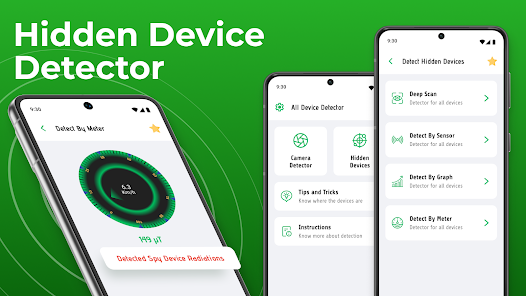
Smartphone Apps
Smartphone apps offer a quick way to spot suspicious devices. They use the phone’s magnetometer or camera to detect unusual signals or reflections. Apps are affordable and easy to use but less reliable than dedicated tools. Good for a first check or casual use.
- Uses phone sensors to detect bugs
- Affordable and convenient
- Limited detection range and accuracy
- Best for initial scanning only

Credit: apps.apple.com
Step-by-step Detection Process
Detecting electronic listening devices in your home requires a careful and systematic approach. You can’t rely on luck or quick glances; thoroughness is key. Taking your time with a clear process helps you uncover even the most cleverly hidden devices.
Visual Inspection Techniques
Start by scanning your space visually. Look for small, out-of-place objects like tiny holes, unusual wires, or unfamiliar gadgets. Pay special attention to items that seem oddly positioned or recently moved.
Check behind picture frames, inside smoke detectors, and near electrical outlets. Sometimes, listening devices are disguised as everyday objects. Use a flashlight to spot reflective surfaces or camera lenses that might be hidden in plain sight.
Using Rf Detectors Effectively
RF (Radio Frequency) detectors are essential tools for spotting transmitting devices. Turn off all wireless electronics in your home first to reduce background signals. Sweep the detector slowly across walls, ceilings, and furniture.
Listen for spikes or unusual signals. If the detector beeps or lights up, pause and investigate the area closely. Keep in mind some devices transmit intermittently, so multiple scans at different times can increase your chances of detection.
Checking Common Hiding Spots
Some spots are favorites for hiding listening devices. Look inside vents, under tables, inside books, and within household appliances. Don’t forget places like curtains, lampshades, and even plants.
Use your hands to feel for unusual bumps or textures. If you find anything suspicious, examine it carefully or consider consulting a professional. Have you ever found something unexpected just by checking where you least expected?
Professional Sweep Services
Professional sweep services offer a reliable way to detect hidden electronic listening devices in your home. These experts use specialized tools and experience to uncover bugs that are nearly impossible to find on your own. Hiring professionals can give you peace of mind and ensure your privacy is truly protected.
When To Hire Experts
Consider calling in professionals if you notice unusual sounds during phone calls or suspect sensitive conversations are being overheard. If you recently experienced a break-in or feel your privacy has been compromised, it’s wise to get a thorough sweep. You might also want expert help before important meetings or after moving into a new home.
What To Expect During A Sweep
During the sweep, experts use devices like RF detectors and non-linear junction detectors to locate hidden microphones or cameras. They systematically check common hiding spots such as smoke detectors, electrical outlets, and even household appliances. The process usually takes a few hours, depending on the size of your home and the equipment used.
Cost Considerations
Prices for professional sweeps vary widely, often depending on the size of your home and the complexity of the service. Basic sweeps might start around a few hundred dollars, while more comprehensive searches can cost significantly more. It’s important to ask for a clear quote upfront and weigh the cost against the value of your privacy and security.

Credit: ukspygear.com
Preventive Measures
Taking preventive measures is your best defense against unwanted electronic listening devices in your home. Instead of waiting to find a bug, you can make your space much harder to infiltrate. These steps help you stay one step ahead and protect your privacy daily.
Securing Your Home Network
Your home network is a common target for spies using electronic devices. Start by changing default passwords on your router and all connected devices. Use strong, unique passwords that combine letters, numbers, and symbols.
Enable WPA3 encryption if your router supports it. This makes it tougher for anyone to access your network without permission. Consider setting up a separate guest network for visitors, so your main devices stay isolated.
Have you ever checked which devices are connected to your Wi-Fi? Regularly review the list of connected devices to spot anything unfamiliar. This quick habit can alert you to unauthorized access before it becomes a bigger problem.
Regular Inspections
Physical checks in your home can reveal hidden listening devices early. Look carefully around common hiding spots like smoke detectors, electrical outlets, clocks, and even decorative objects. Listening devices are often tiny and blend in well, so use a flashlight to spot unusual wires or lights.
Using an electronic bug detector can help find signals from these devices. Move slowly around each room, especially in areas where sensitive conversations happen. Don’t rely only on technology; your intuition matters—if something feels off, investigate further.
Using Signal Jammers Safely
Signal jammers can block wireless transmissions and prevent eavesdropping devices from working. However, using them requires caution because they may interfere with your own electronics and violate local laws. Always check regulations in your area before using one.
If you choose to use a jammer, pick one that targets specific frequencies rather than a broad range. This reduces disruption to essential devices like phones and alarms. Remember, a jammer isn’t a permanent fix; it works best combined with other preventive measures.
Could a small investment in these tools save you from a major privacy breach? Sometimes, a little vigilance goes a long way in keeping your home secure.

Credit: www.amazon.com
Frequently Asked Questions
How Can I Detect Hidden Electronic Listening Devices?
Use a dedicated RF signal detector to scan your home. These devices identify wireless transmissions from bugs and cameras. Turn off all electronics to avoid interference. Sweep rooms slowly, especially near outlets and furniture. Repeat regularly for effective detection.
What Are Common Signs Of Electronic Listening Devices?
Unusual small devices, strange wires, or blinking lights can indicate bugs. Sudden battery drain in gadgets may also suggest hidden devices. Unexplained background noises during calls can be a clue. Always inspect suspicious areas carefully.
Are There Professional Services To Find Listening Devices?
Yes, professional bug sweeping services specialize in detecting hidden devices. They use advanced equipment beyond consumer-grade detectors. Hiring experts ensures thorough inspection and peace of mind. Consider professionals if you suspect serious privacy breaches.
Can Mobile Apps Help Find Electronic Listening Devices?
Some apps claim to detect listening devices using your phone’s sensors. However, their effectiveness is limited compared to dedicated detectors. Use apps as a preliminary check, but rely on physical sweeps for accuracy. Don’t solely depend on apps for security.
Conclusion
Finding electronic listening devices in your home takes careful searching. Use a small flashlight and listen for unusual sounds. Check common hiding spots like smoke detectors and clocks. A simple radio or phone camera can help spot hidden devices. Stay calm and act step by step.
Protect your privacy by repeating checks regularly. Trust your instincts if something feels off. Keeping your home safe is important and possible. Stay aware and take control of your space.
Leave a Reply