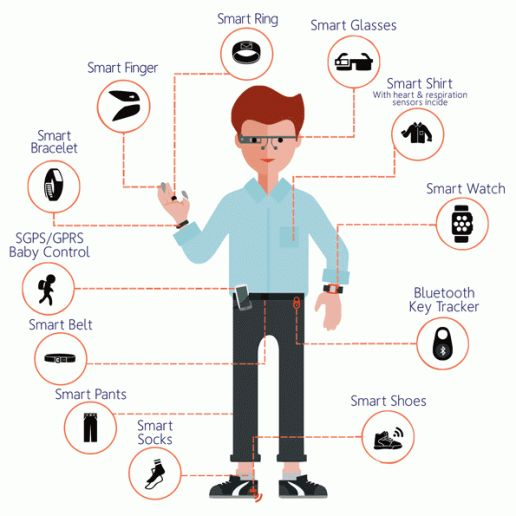
Are you curious about wearable technology and want to know how you can be a part of this exciting field? Whether you’re interested in creating smartwatches, fitness trackers, or health monitors, getting involved doesn’t have to be complicated.
This guide will show you simple, clear steps to start your journey in wearable tech. By the end, you’ll feel confident and ready to dive in—no matter your background or experience. Keep reading to discover how you can turn your curiosity into real action.

Credit: www.techinsights.com
Why Wearable Tech Matters
Wearable technology shapes how people live and work every day. It blends technology with daily routines to improve health, productivity, and communication. Understanding why wearable tech matters helps you see its growing role in society.
Impact On Daily Life
Wearable devices track health metrics like heart rate and sleep patterns. They encourage users to stay active and eat better. Smartwatches and fitness bands provide instant feedback and reminders. These gadgets also help with navigation and quick messaging. People rely on wearables for safety, like fall detection and emergency alerts. The convenience of hands-free tools changes how users manage their time.
Trends Shaping The Industry
Miniaturization makes devices smaller and lighter. Improved sensors increase accuracy in health tracking. Integration with smartphones and apps creates seamless experiences. AI powers personalized insights and smart notifications. Fashion and tech combine to create stylish wearables. Battery life improvements allow longer use without charging. These trends push wearable tech into everyday essentials.
Types Of Wearable Devices
Wearable technology comes in many shapes and sizes, each designed to enhance your daily life in unique ways. Understanding the different types of wearable devices can help you choose the right one to meet your needs. Whether you’re looking to track fitness, monitor your health, stay connected, or experience new realities, there’s a wearable device tailored for you.
Fitness Trackers
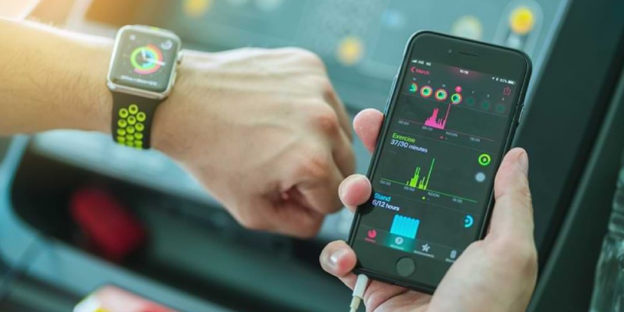
Fitness trackers are perfect if you want to keep a close eye on your physical activity. They count steps, measure calories burned, and monitor your sleep patterns. I once started using a fitness tracker to improve my daily activity, and it motivated me to walk more by setting small, achievable goals.
These devices often come with apps that provide detailed insights about your progress. If you want to boost your motivation and stay accountable, fitness trackers can be a great tool to consider.
Smartwatches
Smartwatches offer more than just timekeeping—they bring your phone’s notifications, calls, and apps right to your wrist. You can reply to messages, control music, and even use GPS without pulling out your phone. I found a smartwatch particularly useful during workouts, as it allowed me to focus without interruptions.
They often include fitness tracking features too, making them a versatile choice if you want a blend of convenience and health monitoring. What daily tasks could you simplify by having a mini-computer on your wrist?
Health Monitors
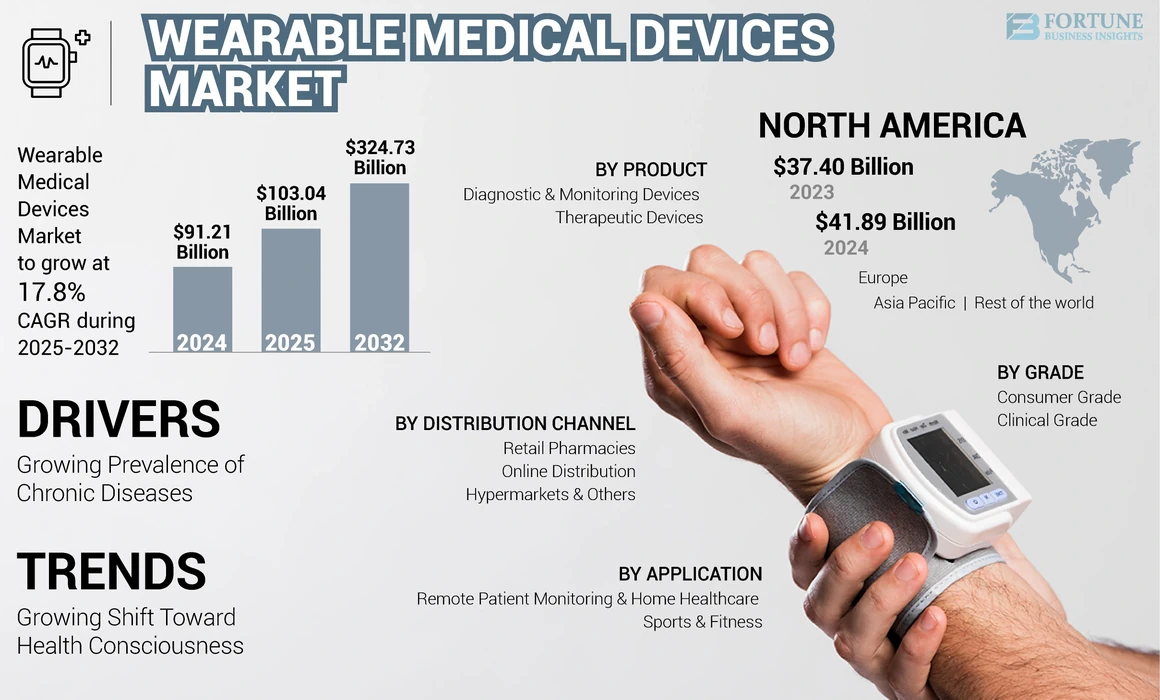
Health monitors focus on tracking specific medical or wellness data like heart rate, blood pressure, or blood sugar levels. These devices can be lifesaving for people managing chronic conditions, providing real-time data to help make informed decisions. A friend of mine uses a health monitor to manage her hypertension, which has helped her avoid unnecessary hospital visits.
Some health monitors sync with apps that alert you or your doctor if something seems off. Think about how having instant access to your health stats could change your daily routine.
Augmented Reality Glasses
Augmented reality (AR) glasses overlay digital information onto the real world, enhancing how you interact with your environment. They can display directions, notifications, or even translate languages in real time. I tried AR glasses during a conference, and it was fascinating how seamlessly they provided information without distracting me.
AR glasses can be used for gaming, work, or learning new skills hands-free. Imagine what new experiences or efficiencies you could gain by seeing digital details while staying engaged with the world around you.
Skills To Develop
Developing the right skills is key to joining the wearable technology field. This area blends hardware and software, so skills from both sides matter. Learning these skills helps you create better devices and apps. It also improves your chances of working with innovative wearable products.
Basic Electronics
Understanding basic electronics is essential for wearable tech. Learn about circuits, sensors, and power management. Know how components like microcontrollers work. Practice building simple electronic projects to gain hands-on experience. This knowledge helps in designing and fixing wearable devices.
Programming Languages
Programming skills are crucial in wearable technology. Languages like C, C++, and Python are widely used. They help control devices and process data. Learn how to write clean and efficient code. Experiment with development kits to improve your programming skills.
User Experience Design
User experience (UX) design focuses on how people interact with wearables. Understand user needs and design simple interfaces. Work on creating easy-to-use apps and controls. Good UX makes wearables more enjoyable and effective. Study basic design principles and test your designs with users.
Data Analysis
Wearables generate lots of data. Knowing how to analyze this data is valuable. Learn statistics and data visualization tools. Use software like Excel or Python libraries for analysis. This skill helps in understanding user behavior and improving device functions.
Educational Resources
Getting started with wearable technology can feel overwhelming, but the right educational resources can make a big difference. They help you build a solid foundation and stay updated with the latest trends and tools. Whether you prefer learning online, reading, or hands-on experiences, there are options tailored to your style.
Online Courses
Online courses offer flexibility and access to expert knowledge from anywhere. Platforms like Coursera, Udemy, and edX provide classes focused on wearable tech design, programming, and hardware integration.
You can dive into topics like sensor technology, mobile app development, or data analytics at your own pace. Many courses include practical projects, which help you apply what you learn immediately. Have you tried any online course that helped you grasp complex tech concepts faster?
Books And Tutorials
Books remain a great way to deepen your understanding, especially if you enjoy learning at a slower, reflective pace. Titles like “Designing Wearable Tech” and “Getting Started with Arduino” give detailed insights into both theory and practice.
Tutorials, often available on blogs or YouTube channels, offer step-by-step guides for specific projects. Following these can boost your confidence as you see results in real time. What project would you like to build if you had clear, easy-to-follow instructions?
Workshops And Bootcamps
Workshops and bootcamps provide immersive, hands-on learning experiences that can accelerate your skills. They often bring together experts and peers, creating a community where you can ask questions and share ideas.
These settings challenge you with real-world problems and quick feedback, which helps sharpen your problem-solving abilities. Have you noticed how much faster you learn when you’re actively building something alongside others?
Hands-on Projects To Start
Getting your hands dirty with wearable technology is the best way to understand how these devices work and to spark your creativity. Starting with simple projects lets you grasp the basics without feeling overwhelmed. You’ll gain confidence as you see your ideas come to life, step by step.
Building Simple Wearables
Start small by creating wearable accessories like LED bracelets or temperature sensors. These projects often require just a few components such as batteries, LEDs, and basic circuits. You don’t need advanced coding skills—many kits come with easy-to-follow instructions that guide you through the process.
Imagine wearing a bracelet that lights up based on your mood or environment. What kind of wearable would you create if you had just a handful of parts and an hour? Tackling these projects helps you understand how sensors and microcontrollers interact.
Using Development Kits
Development kits like Arduino, Raspberry Pi, or Adafruit offer ready-made platforms designed for beginners and experts alike. These kits include microcontrollers and modules that allow you to build more complex wearables such as fitness trackers or smart gloves.
Many kits come with sample codes and tutorials, so you can experiment with different functions without starting from scratch. Have you tried customizing a development kit to track your daily activity or control devices with gestures? It’s a great way to practice coding and hardware integration simultaneously.
Collaborating On Open Source
Open source projects give you access to real-world wearable technology designs and software. Joining these communities lets you contribute to ongoing projects, share your improvements, and learn from experienced developers.
Platforms like GitHub host numerous wearable tech projects where you can download schematics, modify code, or suggest new features. How could collaborating with others accelerate your learning and push your projects further? Sharing your progress and challenges can open doors to valuable feedback and partnerships.
Joining Communities
Joining communities helps you connect with others who share your interest in wearable technology. It offers a chance to learn from experts and beginners alike. You can exchange ideas, find support, and stay updated on new trends. Being part of a group makes your journey in wearable tech more enjoyable and productive.
Online Forums
Online forums bring together people from around the world. You can ask questions, share projects, and get feedback. Many forums have sections for beginners, making it easier to start. Popular platforms include Reddit, specialized tech forums, and social media groups. These places are perfect for quick help and ongoing discussions.
Local Meetups
Local meetups offer face-to-face interaction with nearby enthusiasts. These gatherings often include workshops, talks, or casual chats. Meeting in person helps build strong connections and trust. Search for meetups on platforms like Meetup.com or community boards. Local events give you hands-on experience and real-time advice.
Industry Conferences
Industry conferences gather professionals and innovators in wearable tech. They showcase the latest products and research. Attending these events can inspire new ideas and partnerships. Conferences often include keynote speeches, panel discussions, and exhibitions. They are ideal for deepening your knowledge and networking with experts.
Career Paths In Wearable Tech
Wearable technology offers many career paths. The field combines hardware, software, and design. Jobs here require creativity and technical skills. Many roles focus on making devices smarter and user-friendly. Careers in wearable tech suit various interests and talents.
Engineering Roles
Engineers build the core of wearable devices. They work on hardware like sensors and chips. Software engineers develop apps and device firmware. Skills in electronics, coding, and testing are key. Engineers solve technical problems to improve device function.
Design Positions
Designers shape how wearables look and feel. User experience (UX) designers create easy-to-use interfaces. Industrial designers focus on device shapes and materials. Their work makes devices comfortable and stylish. Good design boosts user satisfaction and device success.
Product Management
Product managers guide wearable device development. They plan features, timelines, and budgets. Managers connect engineers, designers, and marketers. Strong communication and organization skills help in this role. They ensure products meet user needs and market goals.
Research Opportunities
Research roles explore new wearable technologies. Researchers study sensors, health data, and materials. They test ideas and create prototypes. Research helps wearables become more advanced and useful. A background in science or engineering aids this work.
Credit: medium.com
Staying Updated
Staying updated on wearable technology is key to being part of this fast-moving field. The industry changes quickly with new devices and ideas. Keep your knowledge fresh to understand trends and new tools.
Regularly checking the latest information helps you spot chances to learn and grow. It also helps you avoid missing important updates that affect your projects or interests.
Following Industry News
Read websites and magazines focused on wearable tech. These sources share news, reviews, and expert opinions. Set aside time daily or weekly to browse headlines and articles. This habit builds your awareness of current events and innovations.
Subscribing To Newsletters
Newsletters deliver fresh content right to your inbox. Choose those from trusted wearable tech companies and experts. They often include tips, product launches, and upcoming events. Newsletters save time and keep you informed without searching.
Engaging With Influencers
Follow key people who talk about wearable technology on social media. Influencers often share insights and practical advice. Join conversations by commenting and asking questions. This interaction helps you learn and connects you to a wider community.
Credit: www.fortunebusinessinsights.com
Frequently Asked Questions
What Skills Are Needed For Wearable Technology?
Key skills include programming, hardware design, and data analysis. Knowledge of sensors and IoT platforms is essential. Understanding user experience enhances product development. Continuous learning keeps you updated with evolving tech trends.
How Can Beginners Start In Wearable Technology?
Start by exploring basic electronics and coding tutorials. Join online forums and communities focused on wearables. Experiment with DIY kits to build simple devices. Attend workshops or webinars to gain practical knowledge.
Where To Find Wearable Technology Communities?
Look for groups on platforms like Reddit, LinkedIn, and Discord. Join specialized forums such as Wearable Tech Forum. Attend industry conferences and local meetups for networking. Active participation helps you stay informed and connected.
What Are Common Projects For Wearable Tech Beginners?
Popular projects include fitness trackers, smartwatches, and health monitors. Simple sensor-based devices help understand data collection. DIY smart jewelry and gesture control gadgets are also beginner-friendly. These projects build foundational skills and creativity.
Conclusion
Getting involved in wearable technology is exciting and rewarding. Start with basic gadgets like fitness trackers or smartwatches. Explore online communities and forums for advice and support. Attend workshops and webinars to expand your knowledge. Stay updated with the latest trends through blogs and tech news.
Experiment with different devices to find what suits you best. Consider privacy and data security while using these gadgets. Share your experiences with friends and family. Inspire them to explore wearable technology too. Enjoy the journey of discovering new possibilities.
It’s a fun and educational adventure.
Leave a Reply