
Have you ever wondered what it would be like to explore the hidden world of the microscopic? Imagine peering into the tiniest details of everyday objects, unveiling secrets invisible to the naked eye.
With an electron microscope, this fascinating world can open up right in front of you. But here’s the exciting part—what if you could create your very own electron microscope at home? Yes, you heard that right! With a bit of creativity and some basic materials, you can embark on this thrilling DIY project.
This guide will walk you through the process, turning the seemingly impossible into an achievable reality. Get ready to dive into the microscopic universe, all from the comfort of your home. Stick around to discover how you can become a DIY scientist and impress everyone with your homemade electron microscope!
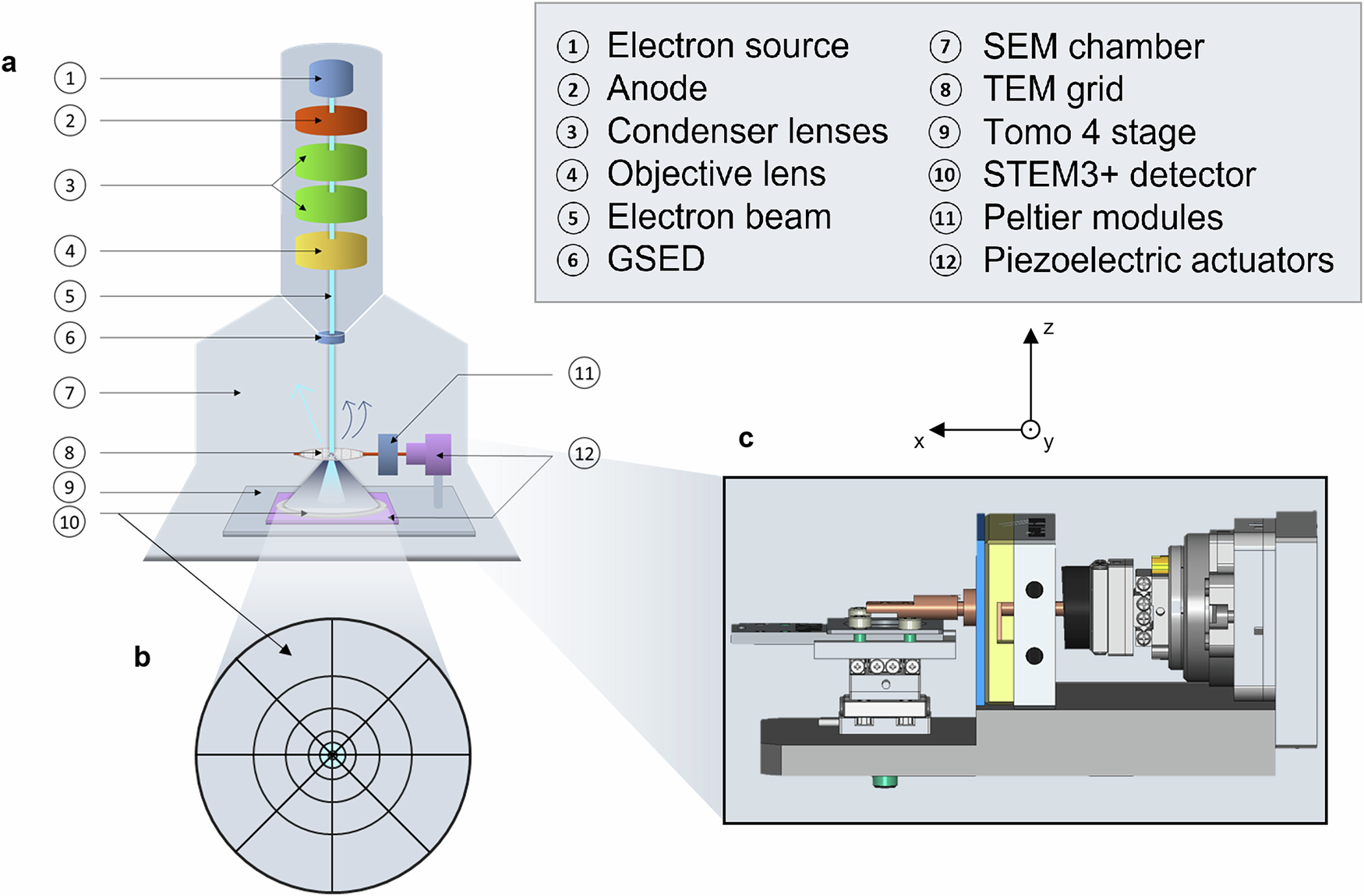
Credit: www.nature.com
Basics Of Electron Microscopy
Understanding the basics of electron microscopy is essential before attempting to build one at home. Electron microscopes use electrons instead of light to create highly detailed images of tiny objects. This difference allows you to see structures far smaller than what traditional microscopes reveal.
Principles Of Electron Microscopes
Electron microscopes work by firing a beam of electrons at a sample. Because electrons have much shorter wavelengths than visible light, they can reveal details at the nanoscale. When electrons hit the sample, they interact with it and produce signals that form an image.
The key principle here is that electrons behave both like particles and waves. This dual nature lets the microscope focus the electron beam using electromagnetic lenses, unlike glass lenses in regular microscopes. These lenses bend the electrons’ paths to magnify the sample.
Have you ever wondered how tiny viruses or cell structures appear so clear in scientific images? It’s this electron beam and lens system working together that makes it possible. The challenge is replicating these principles with accessible materials.
Components Needed
To build a basic electron microscope, you’ll need several core components. First, an electron source or filament to generate electrons. This is often a thin wire heated to emit electrons via thermionic emission.
- Electron Gun:Produces and directs electrons toward your sample.
- Vacuum Chamber:Keeps the electron beam from scattering by air molecules. A strong vacuum is crucial for clear imaging.
- Electromagnetic Lenses:Focus and steer the electron beam. These can be coils of wire powered by electricity.
- Sample Stage:Holds the object you want to examine and allows precise positioning.
- Detector or Screen:Captures the electrons after they interact with the sample to create an image.
In my early experiments, creating a reliable vacuum was tricky but essential. Without it, the electron beam scatters, and images become blurry or impossible to see. You might find parts from old electronics or vacuum pumps helpful here.
Do you have access to a small vacuum pump or vacuum chamber? That’s often the biggest hurdle in making a functioning electron microscope at home. Thinking creatively about sources for these parts will bring you closer to success.

Credit: www.youtube.com
Gathering Materials
Before you start building your electron microscope, gathering the right materials is crucial. Having everything on hand will save you time and frustration. Think about each item not just as a tool, but as a key part of your experiment’s success.
Essential Tools
Some basic tools are absolutely necessary to bring your electron microscope project to life. You’ll need a strong light source, a vacuum pump, and a set of lenses that can handle electron beams instead of light. Don’t forget precision instruments like tweezers and small screwdrivers to assemble delicate parts.
- Light source:A high-voltage electron gun or an electron emitter
- Vacuum pump:To create the low-pressure environment needed
- Lenses:Electromagnetic or electrostatic lenses
- Precision tools:Tweezers, screwdrivers, and pliers
- Power supply:Adjustable and stable for your electron gun
Do you have a workspace with enough room and good lighting? This often overlooked factor makes all the difference when handling tiny components.
Safety Equipment
Working with high voltages and vacuum systems requires careful attention to safety. Make sure you have protective gloves and safety goggles ready before you begin. These will shield you from accidental sparks or shards of glass in case something breaks.
- Insulated gloves:To handle electrical parts safely
- Safety goggles:Protect your eyes from debris and bright flashes
- Fire extinguisher:Always keep one nearby when working with electrical devices
- Ventilation:Ensure your workspace is well-ventilated to avoid fumes from soldering or vacuum leaks
Have you considered how you’ll handle emergencies? Preparing for unexpected events makes your project safer and more enjoyable.
Building The Electron Source
Building the electron source is a crucial part of making an electron microscope at home. This source produces the stream of electrons needed to scan tiny objects. The electron source mainly consists of the electron gun and the cathode. Both parts must work together to emit and control electrons effectively.
Creating The Electron Gun
The electron gun generates a focused beam of electrons. Start with a small metal filament, often tungsten or a similar material. This filament heats up when electric current flows through it. Heating causes electrons to escape from the filament surface. Next, use a metal anode with a small hole to focus the electrons into a narrow beam. Keep the parts inside a vacuum chamber to prevent electron collisions with air molecules. The vacuum ensures a clean, strong electron beam.
Setting Up The Cathode
The cathode provides the electrons for the gun. Use a thin wire or filament as the cathode. Connect it to a power source that supplies low voltage for heating. The heated cathode releases electrons by thermionic emission. Place the cathode near the anode but keep a small gap to allow electron flow. Secure all parts tightly to avoid movement or contact. Proper alignment improves electron beam quality and microscope performance.
Constructing The Vacuum Chamber
Constructing the vacuum chamber is a crucial step in building an electron microscope at home. The vacuum chamber removes air molecules, allowing electrons to travel without interference. This creates a clear path for the electron beam, which is essential for high-quality imaging. Careful construction ensures the chamber holds a strong vacuum and remains airtight during use.
Materials For Vacuum
Choose materials that are strong and airtight. Common options include:
- Thick glass or acrylic tubes
- Metal containers, such as stainless steel
- Rubber or silicone gaskets for sealing
- Vacuum flanges and fittings
Glass or acrylic allows you to see inside the chamber. Metal provides better strength and vacuum retention. Gaskets create tight seals between parts to prevent leaks. Select parts based on availability and budget.
Maintaining Low Pressure
Use a vacuum pump to remove air from the chamber. A small rotary vane or diaphragm pump works well for home projects. Connect the pump securely to the chamber’s valve. Monitor the pressure using a vacuum gauge.
Check for leaks by applying soapy water on seals. Bubbles indicate escaping air that must be fixed. Keep the chamber sealed during operation to maintain low pressure. This step is key to clear electron beam paths and sharp images.
Designing The Electromagnetic Lenses
Designing electromagnetic lenses is key for a home-built electron microscope. These lenses focus electron beams to create clear images. Precision in their design ensures better resolution and sharper details. Understanding coil structure and alignment improves lens performance.
Coil Winding Techniques
Winding the coil tightly and evenly creates a strong magnetic field. Use thin insulated copper wire for better conductivity. Keep the coil layers uniform to avoid magnetic distortion. Secure the wire ends properly to maintain stable connections. A well-wound coil improves electron beam focus and image clarity.
Lens Alignment Tips
Align the coil with the electron beam axis carefully. Misalignment causes blurred or distorted images. Use simple tools like a protractor or laser pointer for accuracy. Check alignment multiple times during assembly. Small adjustments can greatly enhance lens effectiveness and image quality.

Credit: alliedguru.com
Assembling The Detector
Assembling the detector is a crucial step in building your electron microscope at home. The detector captures electrons that pass through the specimen and converts them into a visible image. A well-assembled detector ensures clear and detailed images for your observations.
This process requires careful selection and precise connections. Each component must fit perfectly to avoid signal loss or distortion. Let’s explore how to choose the right detector and connect it to your display system.
Choosing The Right Detector
Select a detector that matches your microscope’s power and resolution needs. Common options include scintillator-photomultiplier tubes and semiconductor detectors.
- Scintillator detectors convert electrons into light, easy to handle for beginners.
- Semiconductor detectors offer high sensitivity and better resolution but can be costly.
Consider factors like size, sensitivity, and compatibility with your electron source. Small detectors suit compact setups, while larger ones capture more detail. Check the detector’s response time to ensure it can keep up with your electron beam.
Connecting To Display
After choosing your detector, connect it to a display device. This shows the electron image in real time. Most detectors output electrical signals that need conversion before display.
- Use a preamplifier to boost weak signals from the detector.
- Connect the amplified signal to an analog-to-digital converter (ADC).
- Feed the digital data to a computer or monitor for visualization.
Secure all connections with insulated wires to prevent interference. Test the setup by shining electrons through a test sample. Adjust settings to improve image clarity and brightness.
Power Supply Setup
Setting up a reliable power supply is crucial when building an electron microscope at home. The electron beam requires precise voltage and current to function properly. Without a stable power source, your microscope won’t produce clear images, no matter how well the rest of the setup is done.
Voltage Requirements
The electron microscope needs a high voltage to accelerate electrons effectively. Typically, this voltage ranges from 5,000 to 30,000 volts, depending on the design and scale of your microscope. You must ensure your power supply can provide this voltage safely and consistently.
Choosing the right transformer or power source is vital. Look for one with adjustable output so you can fine-tune the voltage. Always double-check the specifications to match your microscope’s design—too low voltage means weak electron beams, while too high can damage components or create safety hazards.
Ensuring Stable Current
Voltage alone isn’t enough; you also need a steady current to keep the electron beam consistent. Fluctuations can cause image distortion or even damage delicate parts. Using a regulated power supply or adding a voltage regulator circuit helps maintain this stability.
Consider adding capacitors or filters to smooth out any electrical noise. I once underestimated this step and ended up with a flickering beam that ruined hours of work. Investing a little time in stabilizing your current saves frustration and improves results significantly.
Have you checked your power setup with a multimeter to ensure steady output? Taking this simple step can prevent many common problems before they start.
Calibration And Testing
Calibration and testing are key to getting clear, sharp images with your homemade electron microscope. Without proper adjustments, your microscope might show blurry or misleading details. Paying attention to calibration ensures you see the true structure of your samples, making your experiments more reliable and exciting.
Adjusting Focus
Focus controls how sharp your image appears. Start by slowly moving the lens or detector closer or farther from the sample while watching the image. Small, precise movements often make the biggest difference.
If your image stays fuzzy, check if the electron beam is stable and well-aligned. Sometimes, vibrations or electrical noise can affect focus, so try to keep your setup steady and free from interference.
- Use a known sample with clear features to practice focusing.
- Adjust focus in tiny increments rather than large jumps.
- Keep notes on which adjustments improve the image; this helps you learn your setup.
Sample Preparation
How you prepare your sample directly impacts what you see. Clean samples free of dust and moisture give clearer results. You can use tweezers and a soft brush to gently remove unwanted particles.
For electron microscopy, samples often need to be thin enough for electrons to pass through or conductive to prevent charging. If your sample is not naturally conductive, consider coating it lightly with a thin layer of metal like gold or carbon.
- Cut thin slices if your sample is thick, using a sharp blade or microtome.
- Dry the sample completely to avoid interference from water.
- Mount the sample firmly on the holder to prevent movement during observation.
Have you noticed how even a tiny speck of dust can ruin an image? Paying attention to these details makes a big difference in the quality of your results and your overall experience with electron microscopy at home.
Troubleshooting Common Issues
Troubleshooting your homemade electron microscope can feel overwhelming, but many common issues have straightforward fixes. Identifying the root cause early saves time and protects your equipment. Let’s tackle two frequent problems that often stop beginners in their tracks.
Electron Beam Problems
If your electron beam isn’t forming correctly or is unstable, check the filament first. A worn-out filament won’t emit enough electrons, causing weak or no imaging. Replace it with a fresh tungsten or thoriated filament to improve emission.
Next, inspect the alignment of your electron gun. Misalignment can scatter the beam, reducing resolution. Use simple alignment tools like a small aperture or a fluorescent screen to fine-tune the beam path.
Don’t overlook electrical connections. Loose wires or poor solder joints may interrupt current flow, resulting in an inconsistent beam. Secure all connections firmly and test continuity with a multimeter.
Vacuum Leaks
Your electron microscope needs a strong vacuum to function properly. If the vacuum isn’t holding, leaks are often the culprit. Check all seals, especially around glass joints and feedthroughs, for cracks or improper fittings.
Applying a thin layer of vacuum grease on O-rings can improve the seal and prevent leaks. If you spot visible damage, replace the gasket or seal immediately instead of trying to patch it temporarily.
Try a simple soap bubble test around suspected leak points. Bubbles forming indicate escaping air. This hands-on check helps you pinpoint leaks without expensive equipment.
Safety Tips For Diy Electron Microscopes
Building a DIY electron microscope involves risks. Safety must be your top priority. This section covers key safety tips to protect yourself.
Working with an electron microscope means handling high voltages and potential radiation. Knowing how to stay safe prevents accidents and health issues.
Handling High Voltages
Electron microscopes require very high voltages to operate. These voltages can cause severe electric shocks.
- Always disconnect power before touching any parts.
- Use insulated tools and wear rubber gloves.
- Keep your workspace dry to avoid electrical hazards.
- Install safety switches to cut power quickly in emergencies.
- Never work alone; have someone nearby in case of accidents.
Preventing Radiation Exposure
Electron microscopes may emit low levels of radiation. Protecting yourself is essential.
- Work in a well-ventilated area to disperse any emissions.
- Use lead shielding or barriers around the microscope.
- Limit exposure time near the operating microscope.
- Wear radiation badges to monitor exposure levels.
- Follow local regulations on radiation safety strictly.
Frequently Asked Questions
How Can I Build An Electron Microscope At Home?
You can build a simple electron microscope using basic materials and a strong electron source. It requires vacuum tubes, electron lenses, and a screen. Careful assembly and safety measures are essential to achieve clear imaging at home.
What Materials Are Needed For A Homemade Electron Microscope?
You need an electron gun, vacuum chamber, electromagnetic lenses, a phosphor screen, and power supplies. Additional tools include wiring, vacuum pumps, and alignment devices. These components help focus and display electron beams for microscopic imaging.
Is It Safe To Make An Electron Microscope At Home?
Building an electron microscope involves high voltages and vacuum equipment. Proper knowledge and safety precautions are critical to avoid electric shock and equipment damage. Ensure you work in a controlled environment with protective gear.
How Does A Homemade Electron Microscope Work?
It uses electron beams focused by electromagnetic lenses to scan tiny samples. The electrons interact with the sample, creating an image on a phosphor screen. This process allows viewing objects at a much smaller scale than light microscopes.
Conclusion
Building an electron microscope at home takes patience and care. The steps are simple but need attention to detail. You can explore tiny worlds without expensive tools. This project teaches science and sparks curiosity. Remember to follow safety rules while working.
Enjoy the process and learn from each step. Small efforts lead to great discoveries. Keep experimenting and stay curious about the unseen. Your homemade microscope can open new views and ideas.
Leave a Reply