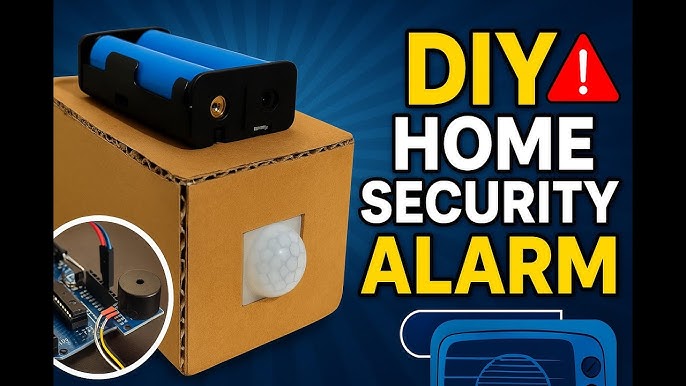
Imagine having the power to protect your home with your very own electronic burglar alarm. Not only does it give you peace of mind, but it also provides a sense of empowerment knowing you built it yourself.
You might think it’s complicated, but with the right guidance, it’s easier than you imagine. This blog will walk you through the simple steps to create an effective burglar alarm right at home. By the end, you’ll have a reliable security system and a fun DIY project to boast about.
Ready to enhance your home security without breaking the bank? Let’s dive in and discover how you can be your own security expert.
Materials Needed
Gathering the right materials is key to building a simple electronic burglar alarm. Each part plays a specific role in making the alarm work correctly.
Most materials are easy to find at local stores or online. Choose items that match the instructions to avoid problems during assembly.
Basic Electronic Components
- Battery (9V recommended for good power)
- Buzzer or small speaker for alarm sound
- Resistors to control electrical flow
- Transistor to amplify the signal
- Switch or sensor to trigger the alarm
- Connecting wires for circuits
Tools For Assembly
- Soldering iron for secure connections
- Wire stripper to prepare wires
- Small screwdriver for fixing components
- Multimeter to check electrical paths
- Insulating tape for safety
Additional Materials
- Plastic or wooden board for mounting parts
- Double-sided tape or glue for fixing
- Enclosure box to protect the circuit
Basic Alarm Circuit
Creating a basic electronic burglar alarm circuit at home is an excellent way to understand how security systems work. This simple alarm can alert you to unwanted entry by detecting a break in a circuit, making it a practical project for beginners. Let’s break down the essential parts and how they come together to form a reliable alarm.
Components And Tools
You’ll need a few basic components that are easy to find. Here’s what you should gather:
- Buzzer:Acts as the alarm sound source.
- Battery:Provides the power supply, typically 9V.
- Switch or Magnetic Reed Switch:Detects the opening or closing of a door or window.
- Resistors and Wires:Complete the circuit and connect components.
- Breadboard or PCB:For assembling the circuit.
- Soldering iron (optional):For permanent connections.
Having a multimeter handy helps in testing your connections and troubleshooting the circuit.
Circuit Diagram
The circuit is straightforward. The battery connects to the buzzer through the switch. When the switch is closed, the circuit is complete, and the buzzer stays silent. When the switch opens (like when a door is opened), the circuit breaks, triggering the buzzer to sound an alarm.
Visualizing this with a diagram makes it easier to assemble. Imagine the battery’s positive terminal connected to one terminal of the switch. The other terminal of the switch connects to the buzzer’s positive terminal, and the buzzer’s negative terminal returns to the battery’s negative side, closing the loop.
Working Principle
The alarm works on a simple electrical principle: a closed circuit means no alarm, while an open circuit triggers the buzzer. You can think of the switch as a gatekeeper. When the gate is closed, the buzzer is quiet; when it opens, the buzzer sounds.
Try placing the switch at a door or window. When someone opens it, the circuit breaks, causing the buzzer to activate. This immediate response helps you stay alert to any unauthorized entry.
Does this simple design make you wonder how advanced alarms use multiple sensors? Starting with this circuit helps you grasp the core concept easily.
Assembling The Circuit
Assembling the circuit is where your electronic burglar alarm truly starts to take shape. This stage demands attention to detail and patience, but seeing your components come together is incredibly rewarding. You’ll need to carefully arrange your parts, ensure solid connections, and double-check everything before powering up.
Breadboard Setup
Start by placing your components on the breadboard according to the circuit diagram. The breadboard allows you to test your connections without soldering, making it easier to fix mistakes.
Keep your wires short and organized to avoid confusion. Use different colors for power, ground, and signal lines to make troubleshooting smoother.
Have you noticed how a tidy breadboard setup can save you hours of frustration? It’s worth spending extra time here before moving forward.
Soldering Tips
Once your breadboard circuit works perfectly, it’s time to solder the components onto a PCB or perfboard for a permanent setup. Heat your soldering iron to the right temperature—too hot can damage components, too cool won’t melt the solder properly.
Apply solder only to the joint, not directly to the iron tip, and avoid cold joints by ensuring the solder flows smoothly around the wire and pad. If you’re new to soldering, practice on spare wires first; it makes a big difference.
Do you find your hands shaking when soldering? Take a deep breath and steady yourself—precision matters more than speed here.
Testing Connections
Before powering your circuit, test all connections with a multimeter. Check for continuity where wires should be connected and ensure no shorts between power and ground.
It’s easy to overlook a loose wire or misplaced component, but a thorough test can prevent damage and frustration later. Try gently wiggling wires to see if any connection breaks.
Have you ever powered a circuit only to find it didn’t work because of a tiny loose connection? Testing carefully can save you from that headache.

Credit: www.amazon.com
Setting Up Sensors
Setting up sensors is a crucial part of building your own electronic burglar alarm. The sensors act as the eyes and ears of your system, detecting any unusual activity and triggering the alarm. Getting this right means understanding the types of sensors available, where to place them, and how to wire them effectively.
Types Of Sensors
You have a few sensor options to choose from, each suited for different detection needs.
- Magnetic reed switches:Ideal for doors and windows, these sensors detect when a door or window is opened.
- Motion detectors:These sense movement within a room or hallway and are perfect for larger areas.
- Infrared sensors:They detect heat signatures, which can differentiate between a person and other moving objects.
- Glass break sensors:Designed to pick up the sound of breaking glass, adding another layer of security.
Think about what areas you want to protect and choose sensors that match those needs.
Sensor Placement
Where you put your sensors makes all the difference in catching intruders early.
- Place magnetic reed switches on all accessible doors and windows. These points are the most common entry spots.
- Mount motion detectors in hallways or large rooms where intruders are likely to pass.
- Avoid placing sensors near heat sources or vents, which can cause false alarms.
- Consider placing glass break sensors near large windows or glass doors that are vulnerable.
Ask yourself: which spots would an intruder most likely use to get inside? Target those first.
Wiring Sensors
Wiring your sensors correctly ensures your alarm system responds instantly when triggered.
Use insulated wires to connect each sensor to your alarm control panel or microcontroller.
- Keep wire lengths as short as possible to reduce signal loss.
- Label each wire clearly to avoid confusion during troubleshooting.
- Secure wires along walls or ceilings with clips to prevent damage or accidental disconnection.
Testing your wiring connections before finalizing the setup helps catch any mistakes early.
Power Supply Options
Choosing the right power supply is key to building a reliable electronic burglar alarm. The power source must keep the alarm active at all times. It should be safe, easy to maintain, and fit your project’s needs. Several options exist, each with benefits and limits. Understanding these helps you pick the best one for your home alarm system.
Battery Choices
Batteries offer portability and backup power. Common types include alkaline, lithium, and rechargeable NiMH batteries. Alkaline batteries are cheap and easy to find. Lithium batteries last longer and work well in cold places. Rechargeable batteries save money over time. Batteries make the alarm work even during power outages. Check battery voltage and capacity to match your alarm’s needs.
Using Adapters
Adapters plug the alarm into a wall outlet. They provide steady power without the need to replace batteries often. Most adapters convert AC power to DC power. Choose one with the correct voltage and current for your alarm. Using an adapter keeps the system running continuously. Ensure the adapter has safety features like overload protection to avoid damage.
Power Management
Managing power helps extend battery life and protect your alarm. Use a switch to turn the system off during maintenance. Consider adding a voltage regulator for stable power supply. A low-power design reduces energy use and increases battery life. Test your system regularly to avoid unexpected power failure. Proper power management keeps your alarm ready at all times.

Credit: www.youtube.com
Adding Alarm Features
Adding alarm features makes your electronic burglar alarm more effective and easy to use. These features alert you quickly and clearly when someone tries to break in. They also help reset the system so it is ready for the next alert. Let’s explore some key features to include.
Sound Output
The alarm’s sound output is the main way it warns you. Use a buzzer or a small speaker to create a loud noise. Choose a sound that is sharp and hard to ignore. Connect the sound device to the sensor circuit so it activates immediately. Test different sounds to find one that fits your needs.
Light Indicators
Light indicators show the alarm’s status at a glance. Use LEDs in different colors to signal different states. A red light can mean the alarm is triggered. A green light can show the system is active and ready. Place these lights where they are easy to see, like near the power source or sensor.
Reset Mechanism
The reset mechanism turns the alarm off after it sounds. Use a simple push button or switch for this purpose. Connect it to the alarm circuit so pressing it stops the sound and turns off the lights. This feature lets you quickly stop the alarm and check what caused it. Make sure the reset button is easy to reach but not too easy to press by mistake.
Testing The Alarm
Testing your electronic burglar alarm is a crucial step that ensures your hard work pays off. It’s not just about hearing the alarm sound; it’s about confirming every sensor and connection works perfectly. Skipping this step can leave your home vulnerable, so take the time to test thoroughly.
Triggering The Alarm
To test if the alarm triggers correctly, start by simulating a break-in. Walk past the sensor or open a door or window connected to the alarm system.
Listen closely for the alarm sound and watch any indicator lights on your control panel. If you don’t hear or see anything, it could mean the sensor isn’t detecting movement or the wiring isn’t complete.
Try different points where you expect the alarm to trigger. This ensures all sensors are active and respond properly.
Troubleshooting Common Issues
If the alarm doesn’t trigger, check the power source first. A loose battery or disconnected wire is often the culprit.
Inspect the sensor alignment. Even a slight misplacement can prevent it from detecting motion or opening.
Make sure the buzzer or speaker is connected correctly and not damaged. Sometimes, the alarm sounds but at very low volume, which you might miss.
- Double-check all soldered joints and connections for any breaks.
- Use a multimeter to verify continuity in your circuit paths.
- Test each sensor individually to isolate the problem.
Have you ever tested your alarm only to find it silent? Troubleshooting can be frustrating but rewarding once you find the solution. Your safety depends on these details, so don’t rush through this step.

Credit: soilssolutions.com
Installation Tips
Installing your electronic burglar alarm correctly is just as important as building it. A well-installed system ensures reliable performance and keeps your home secure without false alarms. Let’s look at some practical tips to help you set up your alarm system effectively.
Mounting The Alarm
Choose a central and visible location for the main alarm unit, such as near the entrance or in a hallway. This placement helps you quickly hear the alarm and access the control panel if needed.
Use sturdy screws and anchors to firmly attach the alarm to the wall. Avoid flimsy adhesives that might fail over time or during vibrations.
Think about power sources too. If your alarm runs on batteries, pick a spot that’s easy to reach for battery replacement. For wired alarms, ensure cables are neatly tucked away to avoid tampering.
Securing Sensors
Place sensors on doors and windows that are most vulnerable to break-ins. Position magnetic sensors so that the two parts align perfectly when the door or window is closed.
Test the sensor alignment before final mounting. A small misalignment can cause the alarm to trigger falsely or fail to detect intrusions.
Consider environmental factors. Avoid placing sensors where they might be affected by drafts, direct sunlight, or moisture. These can cause malfunctions.
Maintenance Advice
Regularly check your alarm system to ensure it’s working properly. Test sensors and the main unit every month to catch issues early.
Replace batteries promptly when the low-battery warning sounds. Don’t wait for the alarm to stop working altogether.
Keep the alarm and sensors clean by gently wiping them with a dry cloth. Dust buildup can interfere with sensor function and reduce sensitivity.
Have you ever experienced an alarm fail because of simple maintenance neglect? Taking a few minutes regularly can save you a lot of trouble later.
Frequently Asked Questions
What Materials Are Needed To Build A Burglar Alarm?
You need a battery, buzzer, wires, switch, and a sensor like an LDR. These basic components help detect intrusions and trigger the alarm sound effectively.
How Does An Electronic Burglar Alarm Work At Home?
The sensor detects movement or light changes and completes the circuit. This activates the buzzer, alerting you to potential intruders immediately.
Can I Customize The Alarm Sensitivity And Range?
Yes, adjusting the sensor type or placement changes sensitivity. You can also add components like resistors to fine-tune detection range.
Is It Safe To Install A Homemade Burglar Alarm?
Yes, if you follow wiring instructions carefully and avoid short circuits. Always use insulated wires and keep components dry for safe operation.
Conclusion
Building your own electronic burglar alarm at home is simple and rewarding. You save money and gain security. The steps are clear and easy to follow. Using basic parts, anyone can create a reliable alarm system. Stay safe by installing your homemade alarm today.
Protect your home with a device you built yourself. It feels good to know you can keep your space secure. Give it a try and enjoy peace of mind.
Leave a Reply