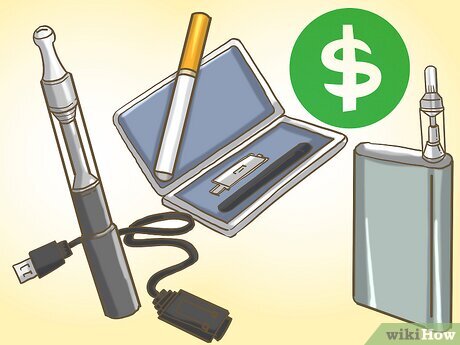
Are you curious about how to make an electronic cigarette at home? Imagine having the power to customize your vaping experience exactly the way you want.
Creating your own e-cigarette can save you money and give you full control over the ingredients and design. You’ll discover simple steps that anyone can follow, even if you’re new to vaping or DIY projects. Keep reading, and soon you’ll be able to build your own device with confidence and ease.
Materials Needed
Gathering the right materials is key to successfully making an electronic cigarette at home. Each component plays a crucial role in ensuring your device works safely and efficiently. Before diving into assembly, make sure you have everything ready to avoid interruptions and frustration.
Essential Components
- Battery:A rechargeable lithium-ion battery is the heart of your e-cigarette. Choose one with a stable voltage output to prevent overheating.
- Atomizer:This heats the e-liquid and turns it into vapor. Look for a reliable coil with good resistance specs, usually between 1.0 to 2.5 ohms.
- E-liquid container (tank or cartridge):Holds the flavored liquid. Make sure it’s leak-proof and compatible with your atomizer.
- Wick material:Cotton or silica wick absorbs the e-liquid for vaporization. Pure organic cotton is often preferred for better flavor.
- Switch/button:Allows you to activate the heating element safely.
- Connectors and wiring:Small wires and connectors to link all components. Use high-quality, heat-resistant wiring to avoid shorts.
- Casing:The outer shell protects internal parts and gives your device a finished look. Consider lightweight materials like plastic or aluminum.
Safety Gear
Handling batteries and heating elements can be risky without proper safety gear. Protect yourself by wearing safety goggles to shield your eyes from accidental sparks or splashes.
Use heat-resistant gloves when working with the coil and battery to avoid burns. Additionally, work in a well-ventilated area to prevent inhaling any harmful fumes during the assembly.
Do you have a fire extinguisher nearby? It’s a smart precaution when dealing with electrical components and flammable liquids. Safety should never be an afterthought when crafting your own electronic cigarette.

Credit: smoko.com
Choosing Your Battery
Choosing the right battery is essential for building a safe and efficient electronic cigarette. The battery powers the device and affects its performance. Picking a suitable battery ensures a smooth vaping experience and reduces risks of accidents. Understanding battery types and safety tips will help you make the best choice.
Types Of Batteries
Batteries come in various types, each with specific features. Most electronic cigarettes use rechargeable lithium-ion batteries.
- 18650 Batteries:Common and powerful with high capacity. Ideal for advanced devices.
- 21700 Batteries:Larger and hold more charge. Provide longer use but add weight.
- Built-in Batteries:Fixed inside the device. Convenient but not replaceable.
- Button Cell Batteries:Small and less powerful. Usually for small, simple devices.
Choose a battery that matches your device’s power needs and size.
Battery Safety Tips
Handling batteries with care prevents accidents and extends battery life. Follow these safety tips:
- Always use batteries with proper ratings for your device.
- Never use damaged or swollen batteries.
- Store batteries in a cool, dry place away from metal objects.
- Use a quality charger designed for your battery type.
- Avoid overcharging or fully draining the battery.
- Inspect batteries regularly for signs of wear or damage.
Safe battery use is crucial to avoid fires or explosions. Treat batteries with respect and care.
Preparing The Coil
Preparing the coil is a crucial step in making your own electronic cigarette at home. The coil affects the flavor, vapor production, and overall experience. Getting it right means you get a satisfying vape every time.
Selecting Wire Types
The type of wire you choose determines how quickly your coil heats up and how durable it is. Common wire materials include Kanthal, Nichrome, and Stainless Steel.
- Kanthal:Known for its stability and ease of use. It heats evenly and is great for beginners.
- Nichrome:Heats faster than Kanthal, producing more vapor. It requires careful handling due to its quick heating.
- Stainless Steel:Versatile because it can be used for both wattage and temperature control modes. It offers a clean flavor.
Think about what kind of vaping experience you want. Are you after thick clouds or precise temperature control? Your wire choice should match your preferences.
Coil Wrapping Techniques
Wrapping the coil tightly and evenly is key to good performance. Uneven wraps cause hotspots and can burn your wick.
Start by cutting a length of wire about 4-6 inches long. Use a small rod or screwdriver to wrap the wire into tight, consistent loops—usually 5 to 8 wraps depending on your device.
Test the coil’s resistance with a multimeter to ensure it’s within a safe range for your battery. Don’t rush this step; a well-wrapped coil saves you time and frustration later.
Have you ever noticed how a simple tweak in coil spacing can change flavor intensity? Experiment with tight and spaced wraps to find what suits your taste best.
Building The Wick
Building the wick is an essential part of making an electronic cigarette at home. The wick soaks up the e-liquid and delivers it to the coil. A well-built wick ensures smooth vapor production and good flavor. It must be carefully chosen and installed for the best vaping experience.
Choosing Wick Material
Pick a wick material that absorbs liquid well and resists burning. Common choices include organic cotton, silica, and ceramic fiber. Organic cotton is popular due to its natural feel and good absorption. Silica lasts longer but may give a harsher taste. Ceramic fiber stays cool but can be tricky to shape. Consider comfort, flavor, and safety when selecting a wick.
Wick Installation Tips
- Cut the wick to fit snugly inside the coil without being too tight.
- Ensure the wick touches the coil surface evenly for better heating.
- Trim any excess wick to avoid clogging or blocking airflow.
- Prime the wick by soaking it with e-liquid before use to prevent dry hits.
- Check that the wick moves freely and does not restrict liquid flow.
Assembling The Device
Assembling an electronic cigarette requires careful attention to each part. This step brings all components together to create a working device. Proper assembly ensures safety and functionality. Take your time and follow each instruction closely.
Connecting Components
Start by gathering all parts: battery, atomizer, tank, and mouthpiece. Connect the atomizer to the battery by screwing them together gently. Attach the tank onto the atomizer securely. Finally, place the mouthpiece on top of the tank. Check each connection to ensure it is tight but not forced. Loose parts can cause leaks or poor performance.
Ensuring Proper Fit
Make sure all pieces fit snugly without gaps. The tank should sit flush on the atomizer. The battery must align correctly with the atomizer’s threads. Avoid over-tightening, which can damage threads or break parts. Test the device by pressing the power button briefly. If it activates smoothly, the fit is correct. A loose fit can cause malfunction or safety issues.

Credit: www.dynavap.com
Mixing E-liquid
Mixing your own e-liquid can be a rewarding experience. It gives you control over the flavors, nicotine levels, and overall vaping experience. However, it requires careful attention to detail and an understanding of the ingredients involved.
Basic Ingredients
At the core, e-liquid consists of a few essential ingredients:
- Propylene Glycol (PG):This carries the flavor and provides a throat hit similar to smoking.
- Vegetable Glycerin (VG):Produces the vapor and adds smoothness to the hit.
- Nicotine:Optional, but used by those who want to satisfy nicotine cravings.
- Flavor concentrates:These add taste and aroma to your e-liquid.
Balancing PG and VG is key. A higher PG ratio intensifies flavor but can feel harsher, while higher VG creates thicker vapor but may mute flavors. Have you found your perfect balance yet?
Flavoring Options
You can choose from a vast range of flavor concentrates. Common types include fruit, dessert, menthol, and tobacco flavors. Some vapers even mix flavors, like combining vanilla with strawberry to create a unique taste.
Start with small amounts—typically 5-15% of your total mix—to avoid overpowering the blend. Remember, a little goes a long way. What flavor combo would you like to try mixing today?
Safety Precautions
Nicotine is toxic in high amounts, so handle it with care. Always wear gloves and work in a well-ventilated area. Keep your ingredients away from children and pets.
Label your homemade e-liquid clearly and store it in secure containers. Never guess measurements—use precise syringes or scales to ensure accuracy. Your safety should always come first when mixing.
Testing Your E-cigarette
Testing your homemade electronic cigarette is vital before regular use. It ensures safety and confirms the device works properly. Careful testing helps avoid damage and improves your vaping experience.
Initial Power-on
Start by charging the battery fully. Connect the power source and watch for indicator lights. Press the power button to turn on the device. A light or screen should activate, showing it is working. Check the battery level to confirm it charges correctly. If the device has adjustable settings, set them to the lowest power first. This protects the coil and battery from damage. Take a short puff without e-liquid to test airflow. If it feels smooth, add e-liquid and try a full puff.
Troubleshooting Common Issues
Devices may not power on due to battery issues. Make sure the battery is charged and inserted correctly. Clean battery contacts if the device doesn’t respond. No vapor could mean a dry coil or empty tank. Refill e-liquid or replace the coil as needed. Burning taste often signals a burnt coil or low e-liquid. Replace the coil or add more liquid. If the device overheats, stop using it immediately. Let it cool down before testing again. Loose connections can cause device failure. Check all parts and tighten any loose fittings.
Maintenance Tips
Keeping your homemade electronic cigarette in top shape is essential for a smooth vaping experience. Regular maintenance not only extends the life of your device but also ensures better flavor and safety. Let’s look at some simple yet effective ways to maintain your e-cigarette.
Cleaning The Device
Cleaning your device is crucial to avoid residue build-up that can affect performance. Start by disassembling your e-cigarette carefully, separating the tank, battery, and mouthpiece.
Use warm water and a mild detergent to rinse the tank and mouthpiece. Avoid soaking the battery or any electronic parts to prevent damage.
Dry all parts thoroughly with a soft cloth or let them air dry. A clean device can improve vapor quality and prevent unpleasant tastes.
Replacing Coils And Wicks
Coils and wicks wear out over time and affect the flavor and vapor production. Keep an eye on your coil’s condition—if the taste becomes burnt or muted, it’s time to replace it.
Removing the old coil is straightforward. Unscrew it from the base and discard it properly. Then, insert a new coil and prime it by adding a few drops of e-liquid to the wick before reassembling.
Regular replacement of these parts can save you from dry hits and enhance your vaping experience. How often do you check your coils? Making it a routine can save you time and frustration later.
Safety Considerations
Creating your own electronic cigarette at home can be exciting but comes with serious safety concerns you must never ignore. Handling batteries and electronic components carelessly can lead to dangerous accidents. Understanding and applying safety measures protects you and those around you from potential harm.
Preventing Battery Hazards
Batteries are the heart of your e-cigarette, but they can be risky if mishandled. Always use batteries designed for vaping devices, never substitute with unknown types.
Check batteries regularly for damage like dents or corrosion. Damaged batteries increase the risk of short circuits and explosions.
- Store batteries in a case to avoid contact with metal objects like keys or coins.
- Never leave batteries charging unattended or overnight.
- Use a charger with built-in safety features like overcharge protection.
Have you ever considered how a tiny mistake with batteries could cause a fire? Treat them with the respect they deserve.
Safe Usage Practices
Beyond batteries, your entire setup needs careful handling. Always assemble your device on a clean, stable surface to avoid accidental drops or misplacement of parts.
Keep liquids and coils separate until assembly. Mixing them incorrectly can cause leaks or damage the device.
- Test the device at low power first to ensure everything works smoothly.
- Do not modify components unless you fully understand their function.
- Keep your e-cigarette away from children and pets.
Have you noticed how quickly a small leak can ruin your device? Taking these precautions helps you enjoy vaping without unexpected setbacks.

Credit: m.youtube.com
Frequently Asked Questions
What Materials Are Needed To Make An Electronic Cigarette?
To make an electronic cigarette, you need a battery, atomizer, e-liquid, and a mouthpiece. These parts work together to produce vapor when heated.
Is Making An Electronic Cigarette At Home Safe?
Making an electronic cigarette at home can be risky without proper knowledge. Handle batteries and e-liquids carefully to avoid accidents or health issues.
How Do I Assemble The Parts Of An Electronic Cigarette?
Assemble by connecting the battery to the atomizer, filling the tank with e-liquid, and attaching the mouthpiece. Ensure all parts fit securely.
Can I Customize The Flavor Of My Homemade E-liquid?
Yes, you can mix different flavor concentrates with a base liquid to create unique e-liquid flavors. Always measure ingredients carefully for safety.
Conclusion
Creating your own electronic cigarette can be a rewarding project. It requires patience, basic tools, and careful attention. Always prioritize safety when working with electronics. This ensures you enjoy a successful build. A homemade e-cigarette offers customization tailored to your needs.
Remember to research legal regulations in your area. This keeps you informed and compliant. Share your experience with friends who might be interested. It’s a unique way to enjoy vaping. With practice, your skills will improve over time. Happy crafting!
Leave a Reply