Are you excited to dive deeper into hobby electronics but unsure how to move forward? You’ve probably started with simple projects and now want to build skills that truly impress.
The challenge is knowing what steps to take next without feeling overwhelmed. This guide will show you clear, practical ways to progress your electronics skills. By the end, you’ll have the confidence and tools to create more complex and rewarding projects.
Ready to unlock your potential and enjoy every step of the learning process? Let’s get started.

Credit: medium.com
Choosing The Right Starter Projects
Choosing the right starter projects is key to enjoying hobby electronics. Projects that are too hard can frustrate and stop progress. Simple projects build confidence and teach basic skills. These early wins keep motivation high and spark curiosity.
Good starter projects use easy-to-find parts and clear instructions. They focus on fundamental electronics concepts like circuits, voltage, and current. Starting small helps learners understand how components work together.
Simple Circuits To Begin With
Begin with basic circuits that use a few parts. Examples include:
- LED blinking circuit
- Basic light sensor
- Simple buzzer alarm
- Battery tester
These projects are low cost and teach circuit assembly. They show how electricity flows and how components react.
Clear instructions and diagrams help avoid confusion. Building these projects leads to a strong foundation for more complex tasks.
Tools And Components Essentials
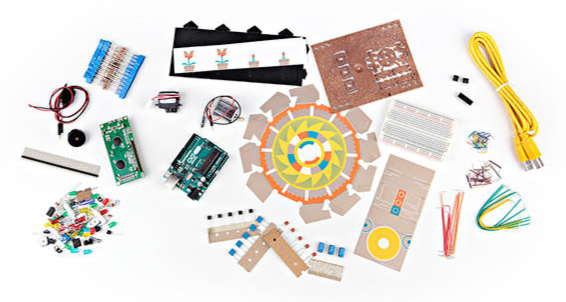
Good tools make work easier and safer. Essential tools include:
- Soldering iron
- Wire cutters
- Multimeter
- Breadboard
- Simple screwdriver set
Common components needed are:
- Resistors
- Capacitors
- LEDs
- Transistors
- Wires and batteries
Organize parts and tools to find them quickly. This saves time and reduces frustration during projects.
Building A Solid Foundation
Building a solid foundation is key to your success in hobby electronics. Without understanding the basics, projects can quickly become frustrating and confusing. Strengthening your core knowledge will help you approach challenges with confidence and make learning new skills easier.
Basic Electronics Concepts
Start by grasping essential concepts like voltage, current, resistance, and power. These form the language of electronics and appear in almost every project. You don’t need to memorize complex formulas right away—focus on understanding what these terms represent in real circuits.
Hands-on experience helps a lot here. Try simple experiments like measuring voltage across a battery or current through an LED with a multimeter. This direct interaction solidifies what you read and makes abstract ideas tangible.
Ask yourself: What happens if I increase the resistance in a circuit? How does that affect the current flow? Testing these questions physically lets you learn by doing rather than just reading.
Reading Schematics And Datasheets
Learning to read schematics is like learning to read a map for your projects. Schematics show how components connect and interact, which is crucial before you start building. Begin with basic symbols such as resistors, capacitors, and diodes, and gradually move to more complex components.
Datasheets provide detailed specs and operating conditions for components you use. They might look intimidating, but once you understand how to find key information like pin configuration, voltage limits, and current ratings, they become invaluable tools.
Try picking a component from your kit and look up its datasheet. Note down the maximum voltage it can handle and test if your circuit respects this limit. This habit prevents damage and improves your design skills.
Hands-on Practice Techniques
Hands-on practice is key to growing in hobby electronics. Working with real components helps build confidence and skills. It turns theory into clear understanding. Practice makes troubleshooting easier and circuits more reliable.
Focus on small projects that challenge your current knowledge. Repeat experiments to see how changes affect results. This active learning speeds up progress and deepens your connection with electronics.
Breadboarding And Prototyping
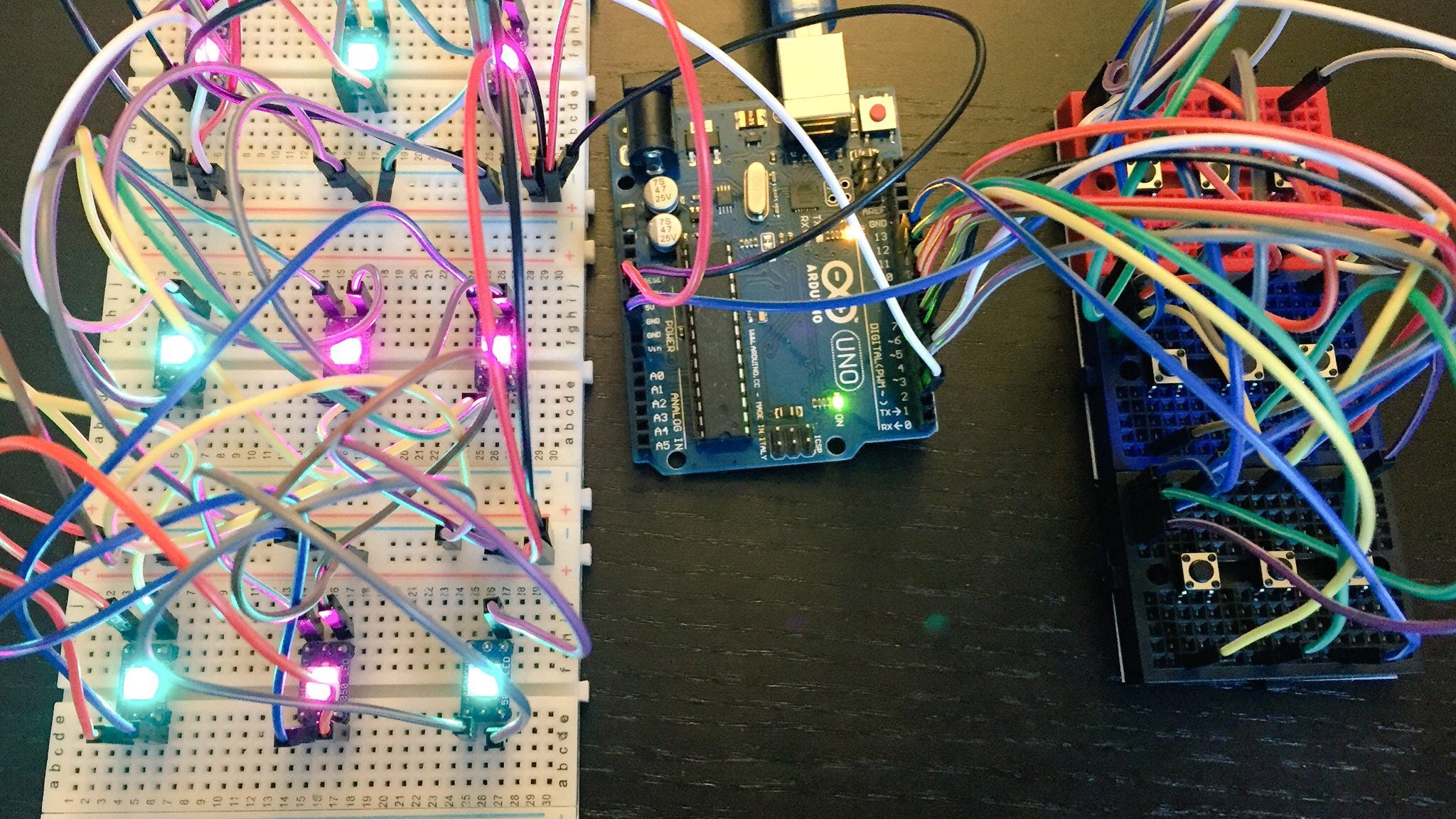
Breadboards let you build circuits without soldering. They make testing ideas fast and simple. Insert components and wires into the board’s holes to create paths for electricity.
- Use jumper wires to connect parts cleanly.
- Start with basic circuits like LED blinkers or simple sensors.
- Check connections often to avoid loose contacts.
- Test each section before adding more parts.
Prototyping on a breadboard helps find errors early. It saves components from damage and prevents wasted time on soldering mistakes.
Soldering Tips And Tricks
Soldering joins components permanently on a circuit board. Good soldering ensures strong electrical connections. Practice on simple kits before moving to complex projects.
- Keep your soldering iron tip clean and shiny.
- Heat the joint, not the solder directly.
- Use just enough solder to cover the connection.
- Avoid cold joints by letting solder flow smoothly.
- Work in a well-lit area with good ventilation.
Careful soldering improves durability and circuit performance. It also builds confidence for creating custom electronics.
Learning Through Challenges
Learning through challenges is where your hobby electronics journey truly deepens. Each obstacle you face pushes you to understand your projects better and sharpens your problem-solving skills. Instead of avoiding difficulties, you should view them as opportunities to grow and improve your technical know-how.
Troubleshooting Common Issues
When your circuit doesn’t work as expected, don’t get discouraged. Start by checking simple things like power connections, component orientation, and solder joints. These small errors are often the culprit behind many common issues.
Use a systematic approach to isolate the problem. For instance, if an LED won’t light up, test the LED separately with a battery and resistor. This quick test can save you hours by confirming whether the component itself is faulty.
Keep a checklist of common issues to run through each time you hit a snag:
- Is the power supply working and connected properly?
- Are all components placed in the correct orientation?
- Are your connections secure and solder joints clean?
- Are the values of resistors, capacitors, and other parts correct?
Debugging Your Circuits
Debugging is more than just fixing errors—it’s about understanding why something went wrong. Use tools like multimeters and oscilloscopes to measure voltages and signals at different points in your circuit.
Try breaking down your circuit into smaller sections and test each one independently. This approach helps locate the exact part causing the issue rather than guessing blindly.
Ask yourself questions like:
- Are the input signals reaching the components correctly?
- Does the output match what the design predicts?
- Could interference or noise be affecting performance?
Patience is key here. I once spent an entire afternoon debugging a sensor circuit only to find a loose wire hidden under the breadboard. That experience taught me to check every connection thoroughly before diving deeper.
Expanding Skillset With Microcontrollers
Expanding your skillset with microcontrollers is a smart move once you’ve mastered the basics of hobby electronics. Microcontrollers let you control devices, automate tasks, and bring your projects to life with programming. They open doors to countless possibilities, from simple LED blinkers to complex robots.
Choosing A Beginner-friendly Microcontroller
Picking the right microcontroller can make your learning journey smoother. Look for boards with strong community support, plenty of tutorials, and easy-to-use programming environments.
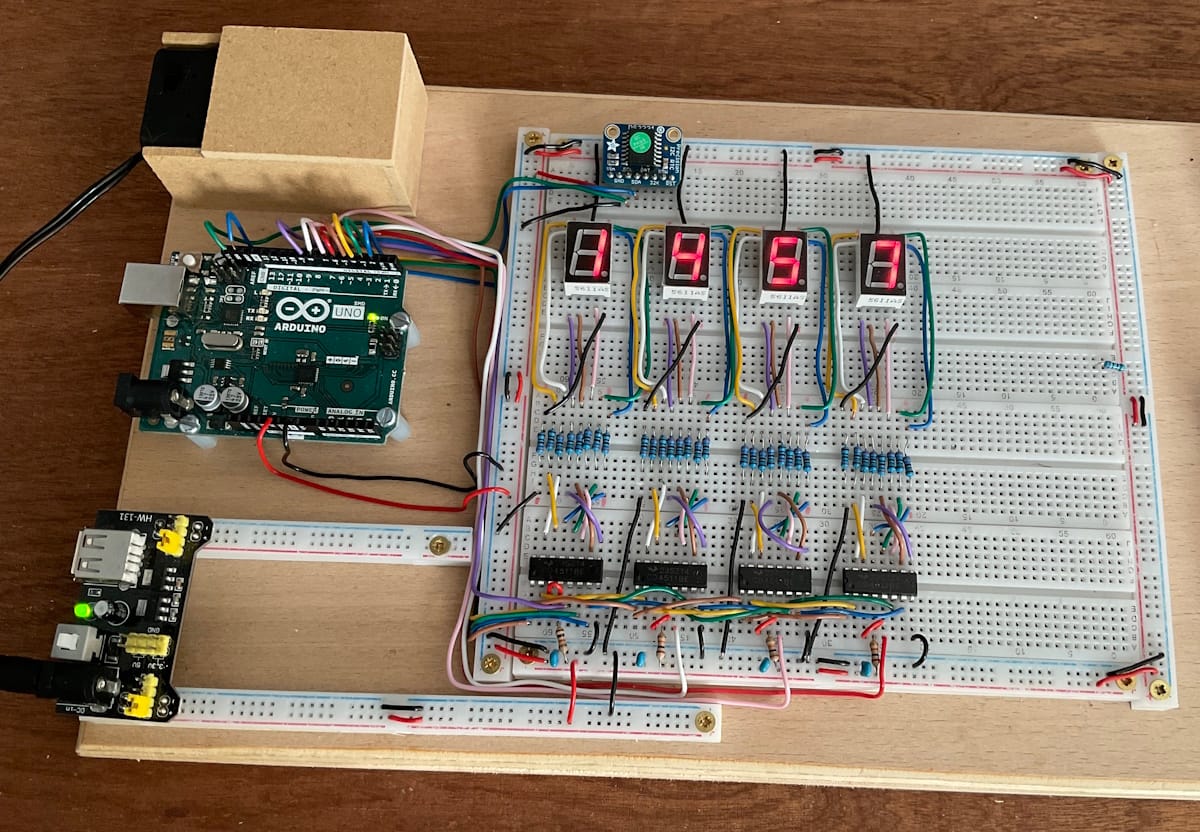
- Arduino Uno:Highly recommended for beginners due to its simplicity and vast resources.
- Raspberry Pi Pico:Offers more power and flexibility but still beginner-friendly.
- ESP32:Great if you want to add Wi-Fi or Bluetooth features early on.
Start with something that won’t overwhelm you. Have you tried browsing forums to see what others suggest for beginners? Real user feedback can guide you toward the best choice for your goals.
Programming Basics For Electronics
Programming microcontrollers requires a bit of coding, but you don’t need to be an expert. Most beginner boards use C/C++ or Python, languages with tons of learning material online.
- Begin with simple programs like blinking an LED or reading a button press.
- Understand basic concepts like variables, loops, and conditionals.
- Use Integrated Development Environments (IDEs) like Arduino IDE or Thonny for Python.
Try modifying example code to see what changes. This hands-on approach will deepen your understanding faster than just reading. What small project will you program first?
Joining Communities And Resources
Joining communities and tapping into resources can drastically boost your progress in hobby electronics. These spaces connect you with people who share your passion and challenges. They offer advice, inspiration, and feedback that you won’t find when working alone.
Online Forums And Groups
Online forums are treasure troves of knowledge. Websites like Reddit’s r/electronics or the EEVblog forum host thousands of enthusiasts and experts. You can ask questions, share your projects, or troubleshoot issues with quick responses.
These platforms also let you follow discussions on new tools, components, and techniques. You learn from others’ successes and mistakes without having to experiment blindly yourself. Have you ever found a solution online that saved you hours of trial and error?
Besides forums, social media groups on Facebook or Discord channels offer real-time chats and video tutorials. They’re perfect for staying updated and getting immediate help during your builds. Engaging regularly here can build your confidence and expand your skills rapidly.
Workshops And Maker Spaces
Workshops and maker spaces provide hands-on experience and community support under one roof. These places often have tools and equipment that would be expensive or impractical to own personally, like oscilloscopes, soldering stations, and 3D printers.
Joining a local maker space introduces you to people who can mentor you or collaborate on projects. It’s a chance to see how others approach problems and learn new techniques directly. Have you tried building a circuit alongside someone more experienced and noticed how much faster you pick up skills?
Many workshops host classes or group projects that push you to apply what you’ve learned. The social environment keeps motivation high and helps you stay committed. Plus, sharing your progress with peers often leads to valuable feedback and fresh ideas.
Documenting And Sharing Projects
Documenting and sharing projects is essential in hobby electronics. It helps track progress and improves learning. Well-kept records make troubleshooting easier. Sharing projects invites feedback and new ideas. It also builds a community of like-minded hobbyists. Clear documentation and active sharing boost motivation and skills.
Creating Clear Project Logs
Start by writing simple, step-by-step notes. Use short sentences and clear words. Include important details like components used and circuit diagrams. Take photos or videos at each stage. Keep a digital or physical notebook for easy reference. Organize logs by date or project name. This helps find information fast and learn from mistakes.
Sharing On Social Media And Blogs
Choose platforms popular with electronics hobbyists. Write posts that explain your project goals and results. Use images and videos to show your work clearly. Share problems faced and how you solved them. Respond to comments to build connections. Posting regularly keeps followers interested. Blogs offer space for detailed guides and updates.
Credit: medium.com
Setting Goals For Continuous Improvement
Setting clear goals is essential to keep your hobby electronics journey moving forward. Without specific targets, it’s easy to lose direction or get stuck repeating the same projects. Goals help you focus on learning new skills, experimenting with different components, and challenging yourself with complex builds.
Think about what you want to achieve next and why. Are you aiming to improve soldering skills, build a custom gadget, or understand microcontrollers better? Writing down your goals makes them real and gives you motivation to push through obstacles.
Tracking Progress And Milestones
Tracking your progress turns vague ambitions into measurable achievements. Keep a journal or digital log where you note what you’ve done, what worked, and what didn’t. This habit helps you spot patterns in your learning and celebrates small wins that keep your enthusiasm alive.
Set milestones for different stages of your projects. For example, completing a circuit schematic, assembling the hardware, or writing code that runs without errors. These checkpoints break down big goals into manageable tasks and give you a sense of accomplishment along the way.
Planning Advanced Projects
Once you feel comfortable with the basics, planning advanced projects fuels continuous improvement. Choose projects that stretch your current skills, such as integrating sensors, creating wireless communication, or designing PCBs. This approach forces you to research, problem-solve, and think critically.
Don’t hesitate to mix different skills or technologies to keep your work exciting. For instance, combine Arduino programming with Bluetooth modules or experiment with custom enclosures using 3D printing. Challenging yourself with real-world problems prepares you for bigger, more rewarding builds.
Credit: www.designnews.com
Frequently Asked Questions
What Are The First Steps In Hobby Electronics?
Start by learning basic electronics concepts and components. Use beginner kits and online tutorials to build simple circuits. Practice soldering and reading schematics to gain hands-on experience. Gradually increase project complexity to enhance skills and confidence.
How To Choose Projects For Hobby Electronics Beginners?
Pick projects that match your skill level and interests. Start with simple kits like LED blinkers or basic sensors. Choose projects with clear instructions and available support. This approach ensures steady progress and reduces frustration.
What Tools Are Essential For Hobby Electronics?
Basic tools include a soldering iron, multimeter, wire cutters, and a breadboard. These tools help in building and testing circuits efficiently. Invest in quality tools for better performance and durability.
How Can I Improve My Electronics Troubleshooting Skills?
Practice identifying and fixing simple circuit issues regularly. Use a multimeter to check voltages and continuity. Study common faults and solutions through forums and guides. Troubleshooting enhances understanding and project success.
Conclusion
Embarking on a hobby in electronics can be truly rewarding. Start with small projects. Gradually, build your skills and confidence. Explore various components and tools. Practice makes perfect, so keep experimenting. Learn from mistakes and celebrate successes. Join online communities for support and inspiration.
Share your progress and seek advice. Patience and curiosity drive success in electronics. Remember, every expert once started as a beginner. Keep learning and enjoy the journey. Your dedication will lead to new discoveries. Happy tinkering and crafting!
Leave a Reply