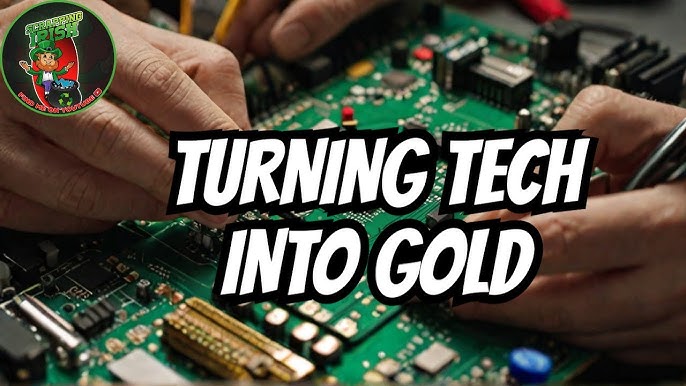
Have you ever wondered what hidden treasures might be lurking in your old, unused electronics? Those outdated gadgets collecting dust in your drawers could be more valuable than you think.
Believe it or not, inside those circuit boards and connectors lies a tiny treasure trove of gold just waiting to be extracted. Refining gold at home from electronic scrap is not just a fascinating hobby but also a rewarding one.
Picture yourself unlocking the glittering potential of your e-waste, transforming it into something truly valuable. In this guide, we’ll show you how to safely and efficiently refine gold from your electronic scrap. Curious about how you can turn your electronic waste into gold? Keep reading to uncover the secrets of this exciting process.

Credit: www.youtube.com
Gathering Electronic Scrap
Gathering electronic scrap is the first and most important step in refining gold at home. Your success depends on the quality and quantity of the scrap you collect. Knowing where to look and what to pick can save you time and effort later in the process.
Identifying Gold-plated Components
Not all electronic parts contain gold, so you need to know which ones are worth collecting. Look for connectors, pins, and circuit board fingers—they often have a thin layer of gold plating. Old computer parts, especially CPUs and RAM modules, are good sources.
Sometimes, gold appears as a bright yellow color on tiny pins or contacts. If you’ve ever taken apart an old phone or laptop, you might have seen these shiny bits without realizing their value. Keep an eye out for these details because they hold the gold you want to extract.
Safe Collection And Storage
Handling electronic scrap requires care. Some components contain hazardous materials like lead or mercury. Always wear gloves and work in a well-ventilated area to protect yourself.
Store your collected scrap in labeled containers to keep track of what you have. Avoid mixing different types of scrap to prevent confusion during the refining process. A simple plastic box or metal container works well for this purpose.
Have you considered where you’ll store your growing collection as you gather more? Setting up a dedicated space can keep your refining project organized and safe.
Tools And Materials Needed
Refining gold from electronic scrap at home requires a precise set of tools and materials. Having the right equipment not only makes the process smoother but also ensures safety and efficiency. Before you start, gather everything you need to avoid interruptions and potential hazards.
Protective Gear Essentials
Your safety should be the top priority. Handling chemicals and heated metals can be dangerous without proper protection.
- Safety goggles:Protect your eyes from chemical splashes and flying debris.
- Gloves:Use chemical-resistant gloves to avoid skin contact with harsh substances.
- Respirator mask:Prevent inhalation of harmful fumes, especially when working with acids.
- Apron or lab coat:Shield your clothes and skin from spills.
Have you ever underestimated the importance of protective gear? One careless moment can lead to serious injuries, so always gear up fully before you begin.
Chemicals And Equipment
The core of refining gold involves a few key chemicals and tools. You’ll need them to extract and purify the gold effectively.
- Aqua regia:A mixture of hydrochloric acid and nitric acid used to dissolve gold from scrap.
- Plastic or glass containers:Resistant to strong acids for mixing and reacting chemicals.
- Heating source:A hot plate or a small stove to speed up chemical reactions safely.
- Filter paper and funnels:To separate the gold solution from impurities.
- Distilled water:For rinsing and diluting acids safely.
- Beakers and stirring rods:For mixing and handling chemicals precisely.
- Gold precipitation chemicals:Such as sodium metabisulfite or ferrous sulfate to recover gold from solution.
Choosing the right containers and chemicals can make your refining process cleaner and more effective. What would happen if you tried to use ordinary kitchen tools? It’s risky and can ruin your project. Invest in proper equipment to see real results.
Preparing Scrap For Refining
Preparing your electronic scrap before refining is crucial to get the best gold yield. The quality of your scrap directly affects how pure and valuable your recovered gold will be. Taking time to prepare it properly saves effort and improves results during the refining process.
Removing Non-gold Parts
Start by carefully separating parts that contain no gold. Common components like plastic casings, screws, and wires often have little to no gold content and can interfere with your refining chemicals.
Use simple tools like pliers and screwdrivers to detach chips, connectors, and circuit boards from their plastic or metal housings. If you spot any parts that look corroded or rusted, remove them too, as they can introduce impurities.
Ask yourself: Could this piece have gold plating or gold contacts? Focus on small connectors, pins, and circuit traces since these usually hold the most gold.
Cleaning And Sorting
Once non-gold parts are removed, clean the scrap thoroughly. Dirt, grease, and solder can block the refining chemicals from working effectively.
Soak your scrap in warm, soapy water for a few minutes, then scrub gently with a soft brush. Avoid harsh abrasives that might remove the gold layer itself.
After drying, sort your scrap by type and gold content. Group thicker gold-plated parts separately from thin gold leaf or tiny gold pins. This helps you adjust your refining approach for each batch.
Have you noticed that some scrap pieces look shinier or thicker in gold than others? Keeping these separate can boost your overall recovery efficiency.
Chemical Refining Process
The chemical refining process is a popular way to extract gold from electronic scrap at home. It uses acids to dissolve unwanted metals and leave pure gold behind. This method requires care, patience, and the right safety measures. Understanding the chemical reactions helps to get better results and protect yourself.
Using Aqua Regia Safely
Aqua regia is a strong acid mixture that can dissolve gold. It is made by mixing hydrochloric acid and nitric acid in a 3:1 ratio. Handle aqua regia with extreme caution. Always wear gloves, goggles, and work in a well-ventilated area.
Keep a neutralizing agent like baking soda nearby in case of spills. Never store aqua regia in closed containers. It releases toxic fumes and can build pressure quickly. Dispose of used acids properly according to local regulations.
Dissolving Gold From Scrap
Start by shredding the electronic scrap into small pieces. Place the scrap in a glass or plastic container that resists acid. Slowly add aqua regia to cover the scrap completely. The acid will bubble and dissolve metals.
Stir gently and wait until the reaction slows down. Gold will stay dissolved, while other metals turn into sludge or residues. Filter the solution to remove solid waste. The filtered liquid contains gold ions ready for recovery.
Recovering Gold From Solution
Recovering gold from solution is a critical step in refining gold extracted from electronic scrap. After dissolving the gold using chemicals, you end up with a solution containing gold ions mixed with impurities. Your goal is to separate and collect pure gold from this liquid efficiently and safely.
Precipitation Techniques
Precipitation involves turning dissolved gold ions into solid particles that you can collect. One common way is by adding a reducing agent, like sodium metabisulfite or ferrous sulfate. These chemicals cause gold to fall out of the solution as tiny solid flakes or powder.
Make sure to add the reducing agent slowly while stirring the solution. This helps form uniform gold particles that settle easily. Have you ever tried adding something to a liquid and watched solid particles appear? It’s fascinating—and a clear sign your gold is coming back to life.
After the gold particles form, allow them to settle at the bottom. This process can take anywhere from a few minutes to several hours, depending on the solution’s concentration and temperature.
Filtering And Washing
Once your gold precipitate settles, you need to separate it from the liquid. Use a fine filter paper or a vacuum filtration setup to collect the gold solids. Filtering removes most of the liquid, but the gold is still attached to impurities.
Washing the gold precipitate is key to removing these impurities. Rinse the solid gently with distilled water multiple times to clean it thoroughly. Sometimes, adding a little dilute acid wash can help dissolve leftover contaminants without harming your gold.
Be patient and careful during washing. Impurities left behind can affect the final purity of your gold. Do you notice how even small details in this step can make a big difference in quality? That’s why precision matters here.

Credit: www.youtube.com
Purifying And Melting Gold
Purifying and melting gold is a crucial stage in refining gold from electronic scrap. This process removes unwanted materials and prepares the gold for reuse or sale. It requires careful handling and simple tools you can manage at home. Understanding the steps helps ensure the gold you recover is clean and pure.
Removing Impurities
Start by breaking the gold into small pieces. Use a chemical solution like nitric acid to dissolve metals such as copper and silver. This leaves behind pure gold particles.
Wear gloves and work in a well-ventilated area. Slowly add the acid to the gold scrap and stir gently. Let the mixture sit until impurities settle or dissolve.
Filter the solution to separate the solid gold. Rinse the gold pieces with water to remove any remaining acid. Dry the gold carefully before the next step.
Melting And Casting
Use a small furnace or a propane torch to melt the purified gold. Place the gold in a crucible made of graphite or ceramic. Heat until the gold becomes liquid.
Prepare a mold for casting the molten gold. Pour the liquid gold slowly into the mold. Let it cool and solidify at room temperature.
Once cooled, remove the solid gold from the mold. Clean any rough edges by filing or sanding. The gold is now ready for further use or sale.
Safety Tips And Precautions
Refining gold at home from electronic scrap can be rewarding, but it involves handling hazardous materials. Prioritizing safety protects you and those around you from serious harm. Understanding the right precautions helps you work confidently and responsibly.
Handling Chemicals Responsibly
Chemicals like acids and solvents are common in gold refining. Always wear protective gear such as gloves, goggles, and a mask to shield your skin, eyes, and lungs.
Work in a well-ventilated area to avoid inhaling toxic fumes. A simple setup near an open window or using a fan can reduce risk significantly.
Keep chemicals in clearly labeled containers and never mix them unless you know the reaction. Accidental mixing can cause dangerous fumes or explosions. Have a fire extinguisher nearby just in case.
Disposal Of Waste Materials
Waste from refining includes chemical residues and leftover scrap, which can harm the environment if disposed of incorrectly. Never pour chemicals down household drains or onto the ground.
Collect waste in sealed containers and contact your local waste disposal service for proper handling instructions. Many communities have hazardous waste drop-off points designed to manage these materials safely.
Think about the long-term impact of your actions. How will your disposal choices affect local water sources or soil quality? Responsible disposal ensures you don’t create bigger problems while recovering gold.
Maximizing Gold Yield
Maximizing gold yield from electronic scrap at home requires careful attention to detail and a strategic approach. Every tiny bit of gold recovered counts, especially since electronic components contain only small traces of this precious metal. Small changes in your process can significantly boost your overall gold recovery and save you time and resources.
Best Practices For Efficiency
Start by sorting your electronic scrap carefully. Separating items like circuit boards, connectors, and processors allows you to target components with higher gold content more effectively.
Use appropriate chemical methods that are proven and safe. For example, a mix of hydrochloric acid and nitric acid (aqua regia) dissolves gold well, but handle it with caution and proper protective gear.
Keep your reaction times consistent and avoid overheating solutions. This helps prevent gold loss through evaporation or unwanted chemical reactions.
Regularly filter your solutions to remove impurities. Clean solutions improve the purity and amount of gold you recover.
Have you ever noticed how skipping a simple filtering step led to poor results? Paying attention to these small actions can make a huge difference.
Common Mistakes To Avoid
- Using too much acid:Excess acid doesn’t speed up gold dissolution but creates hazardous waste and risks harming the gold.
- Not wearing proper safety gear:Gold refining involves dangerous chemicals. Never skip gloves, goggles, and a well-ventilated workspace.
- Ignoring component preparation:Leaving solder or plastic on scrap parts reduces gold recovery efficiency.
- Rushing the process:Quick attempts to extract gold often lead to lower yields and loss of valuable material.
- Disposing of waste improperly:Chemicals used can harm the environment if not handled correctly. Plan safe disposal methods ahead.

Credit: www.youtube.com
Frequently Asked Questions
How Can I Extract Gold From Electronic Scrap At Home?
You can extract gold by carefully dismantling electronics, using chemical methods like aqua regia or electrolysis to dissolve and recover gold safely. Always follow safety precautions and proper disposal guidelines.
What Safety Measures Are Needed When Refining Gold At Home?
Wear protective gloves, goggles, and work in a well-ventilated area. Avoid inhaling fumes and handle chemicals like acids with extreme caution to prevent accidents and health risks.
Is Refining Gold From Electronic Scrap Profitable At Home?
Refining gold at home can be profitable with enough scrap and proper technique. However, initial costs and safety investments should be considered before starting.
Which Electronic Components Contain The Most Gold?
Components like CPU pins, RAM modules, connectors, and circuit boards contain higher gold content. Focus on these parts for better gold recovery results.
Conclusion
Refining gold at home from electronic scrap is doable with care and patience. Follow safety steps closely to protect yourself. Use the right tools and chemicals for best results. Small amounts of gold can add up over time. This process saves money and reduces waste.
Try it slowly and learn as you go. You can turn old electronics into valuable gold pieces. Keep practicing to improve your skill. Stay safe, stay focused, and enjoy the process.
Leave a Reply