Are you curious about how to start electronics as a hobby but don’t know where to begin? You’re not alone.
Diving into electronics can feel overwhelming at first, but it doesn’t have to be. Imagine building your own gadgets, fixing broken devices, or even creating something completely new—all with just a few simple tools and some easy steps. This guide will show you exactly how to get started, break down complex ideas into clear actions, and keep you motivated along the way.
Ready to unlock the exciting world of electronics? Let’s jump right in!
Choosing Your First Electronics Kit
Choosing your first electronics kit can set the tone for your entire hobby experience. Picking the right kit ensures you stay motivated and avoid frustration early on. It’s about finding a balance between challenge and learning, so you build skills while having fun.
Starter Kits For Beginners
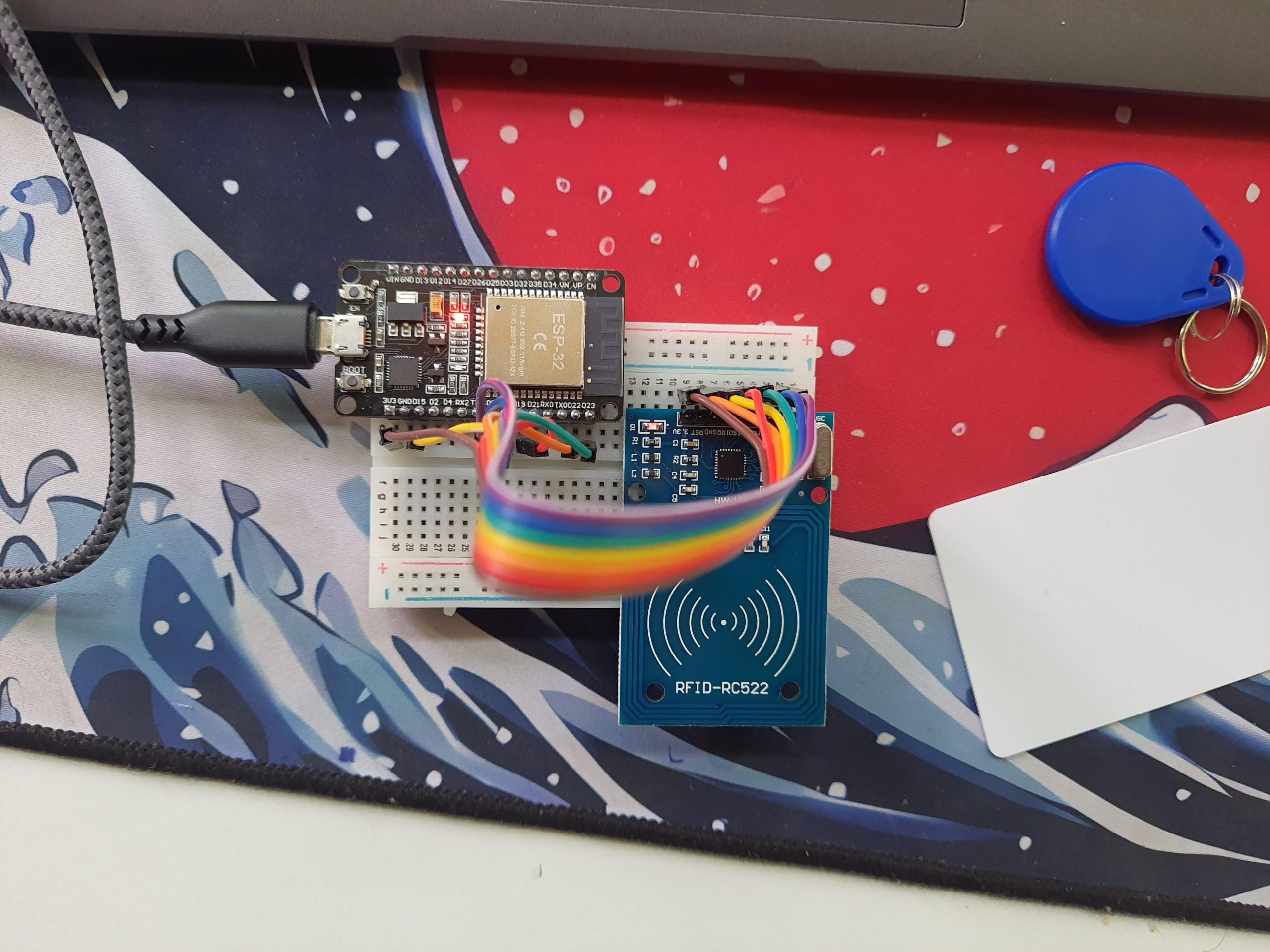
Look for kits labeled “beginner” or “starter.” These usually come with clear instructions and all the parts needed to complete several simple projects. A good beginner kit might include things like a breadboard, LEDs, resistors, and a microcontroller such as an Arduino or Raspberry Pi.
Some popular kits include:
- Elegoo UNO Project Super Starter Kit:Great for learning basic circuits and programming Arduino boards.
- Kano Computer Kit:Combines building hardware with coding, perfect if you want hands-on experience with both.
- Snap Circuits:Ideal for absolute beginners, especially younger learners, with snap-together components that simplify circuit building.
Ask yourself: Which projects excite you the most? Kits with projects that align with your interests will keep you coming back for more.
Essential Components To Know
Understanding core components will help you get comfortable with your kit and make it easier to troubleshoot. Here are some essentials you should recognize:
| Component | Function | What You’ll Learn |
|---|---|---|
| Resistor | Controls the flow of electric current | How to manage voltage and protect circuits |
| LED (Light Emitting Diode) | Emits light when current passes through | Basics of polarity and current direction |
| Capacitor | Stores and releases electrical energy | Timing and filtering in circuits |
| Transistor | Acts as a switch or amplifier | Controlling larger currents with small signals |
| Microcontroller | Small computer to control circuits | Programming and automating electronic tasks |
Try to identify these parts on your kit and experiment with them. How does changing a resistor affect an LED’s brightness? Small experiments like this build your confidence and understanding faster than just reading manuals.

Credit: jdc-cunningham.medium.com
Basic Tools You Need
Starting with electronics as a hobby means getting the right tools in your hands. Basic tools not only make your projects easier but also safer and more precise. Choosing the right equipment early on can save you from frustration and help you learn faster.
Soldering Iron And Accessories
A soldering iron is your best friend in electronics. It lets you join wires and components securely, which is essential for building circuits. Look for a soldering iron with adjustable temperature control to handle different tasks.
Besides the iron itself, you’ll need some accessories:
- Solder wire:Choose lead-free solder for safety and better health.
- Soldering stand:Keeps your iron safe when not in use.
- Desoldering pump or wick:Useful for fixing mistakes by removing excess solder.
- Tip cleaner:Keeps your soldering iron tip clean for better heat transfer.
Ask yourself: how often will you need to replace tips or clean your iron? Keeping your tools in good shape makes a big difference.
Multimeter And Measuring Tools
A multimeter is a must-have tool to measure voltage, current, and resistance. It helps you test components and diagnose problems in your circuits. Even if you’re just starting, a simple digital multimeter will cover most of your needs.
Besides the multimeter, having a few other measuring tools can boost your efficiency:
- Wire strippers:For removing insulation without damaging wires.
- Needle-nose pliers:Perfect for bending and holding small parts.
- Precision screwdrivers:Useful for assembling and adjusting electronics kits.
Think about the types of projects you want to build. Will you work mostly on small circuits or larger setups? This helps you decide which tools are essential from the start.
Learning Fundamental Concepts
Starting with electronics means understanding the basics. Learning fundamental concepts builds a strong foundation. It helps you read diagrams and work with parts confidently. These basics make complex projects easier over time.
Simple Circuits And Schematics
Simple circuits are the building blocks of electronics. They show how parts connect and work together. Schematics use symbols to represent components and connections. Learning to read these helps you follow circuit designs. A basic circuit might include a battery, switch, and a light bulb. It’s a good way to see how electricity flows.
Practice drawing simple schematics. This improves your understanding of how circuits function. Start with easy projects like turning on a small LED. Understanding these basics prepares you for more complex builds.
Common Electronic Components
Electronics use many common parts. Each has a specific role in a circuit. Knowing these parts helps you pick the right ones for your projects.
- Resistors:Control the flow of electric current.
- Capacitors:Store and release electrical energy.
- Diodes:Allow current to flow in one direction only.
- Transistors:Act as switches or amplifiers.
- LEDs:Light up when current passes through.
- Switches:Turn circuits on or off.
- Batteries:Provide power to circuits.
Handling these components helps you understand their functions. Try identifying them in kits or online images. This hands-on approach makes learning easier and more fun.
Hands-on Projects For Starters
Hands-on projects are the best way to dive into electronics. They help you understand concepts by doing, not just reading. Starting with simple projects builds your confidence and gives you a clear path forward.
Building A Simple Led Circuit
Creating a basic LED circuit is a perfect first project. You’ll need a battery, a resistor, an LED, and some wires. Connect the resistor to the positive side of the battery, then attach the LED’s longer leg to the resistor.
The shorter leg of the LED goes to the battery’s negative side. Once connected, your LED should light up. This small project teaches you about current flow and the importance of resistors to protect components.
Have you ever wondered how everyday devices use LEDs to show status? This simple circuit gives you a peek into that world.
Creating A Basic Alarm System
Building a basic alarm system adds a bit more challenge and excitement. Use a buzzer, a switch, a battery, and some wires. When the switch is closed, the buzzer sounds, simulating an alarm triggered by opening a door or window.
This project introduces you to switches and buzzers, common components in security devices. You’ll see how simple circuits can perform useful functions. Plus, it’s rewarding to create something practical that you can test immediately.
What other everyday problems could you solve with a simple circuit like this? Your creativity is the limit when you start experimenting.
Troubleshooting Tips
Troubleshooting is an essential skill for anyone starting with electronics. Problems will arise, and knowing how to solve them saves time and frustration. This section covers practical tips to help you find and fix common issues easily. Clear steps and simple tools make the process smoother and more effective.
Identifying Common Issues
First, check all connections. Loose wires cause many problems. Look for broken parts or burnt components. Listen for unusual sounds from devices. Smell for any burnt odors. These clues guide you to the problem area quickly.
Test your circuit in small sections. This isolates the faulty part. Use a simple checklist:
- Power supply is working correctly
- Components are placed in the right spots
- No signs of damage or overheating
- Connections are secure and clean
Document your observations. It helps track what you tested and what to try next.
Using Tools To Fix Problems
Basic tools make troubleshooting easier. A multimeter checks voltage, current, and resistance. It helps find broken wires or bad components. Use a soldering iron to fix loose connections or replace parts.
A breadboard allows easy testing without soldering. It lets you rearrange circuits quickly. A magnifying glass helps spot tiny faults or poor solder joints. Always keep a simple toolkit ready:
- Multimeter
- Soldering iron and solder
- Wire strippers and cutters
- Breadboard and jumper wires
- Magnifying glass
Practice using these tools regularly. It builds confidence and reduces errors in your projects.

Credit: www.reddit.com
Expanding Your Skills
Expanding your skills in electronics opens new doors. It helps you build complex projects confidently. Learning never stops in this hobby. Each new skill makes you better at solving problems. Explore different ways to grow your knowledge and connect with others.
Online Resources And Tutorials
Many websites offer free and paid electronics lessons. Video tutorials show step-by-step instructions clearly. You can learn soldering, circuit design, and programming online. Some platforms provide interactive quizzes and projects.
- Watch videos to see real-time demonstrations.
- Download guides and practice with sample circuits.
- Follow beginner to advanced courses at your own pace.
- Use simulation tools to test circuits virtually.
Online forums and blogs also share tips and project ideas. Reading helps you understand theory and practical use. Consistent practice with these resources builds strong skills.
Joining Electronics Communities
Communities connect you with hobbyists worldwide. Sharing experiences and asking questions speeds up learning. You get feedback and support from people with similar interests.
- Join local clubs or maker spaces for hands-on sessions.
- Participate in online groups on social media or forums.
- Attend workshops and electronics meetups to network.
- Collaborate on projects to gain new perspectives.
Active involvement keeps you motivated and inspired. It helps you stay updated with new tools and trends. Growing your network builds confidence and skill diversity.

Credit: www.reddit.com
Frequently Asked Questions
What Tools Do Beginners Need For Electronics Hobby?
Beginners need basic tools like a soldering iron, multimeter, wire cutters, and a breadboard. These tools help you build and test circuits safely and efficiently.
How Can I Learn Electronics Easily At Home?
Start with simple projects and online tutorials. Use kits designed for beginners. Practice regularly to improve your skills and understanding.
What Are The Best Starter Projects In Electronics?
Begin with projects like LED blinkers, simple alarms, or basic sensors. These teach fundamental concepts and build confidence for more complex designs.
Where To Buy Affordable Electronics Components?
Buy from reputable online stores like Amazon, SparkFun, or local electronics shops. Compare prices and check for quality before purchasing.
Conclusion
Starting an electronics hobby is exciting and rewarding. Begin small with simple projects. Gradually, increase complexity as your skills grow. Remember to be patient and enjoy the process. Online communities can offer support and inspiration. Experimentation leads to innovation. Mistakes are learning opportunities.
Keep safety in mind with all projects. Invest in quality tools for better results. Share your creations with friends and family. Your journey in electronics can be fun and fulfilling. With dedication, you’ll gain confidence and skills. Happy tinkering!
Leave a Reply