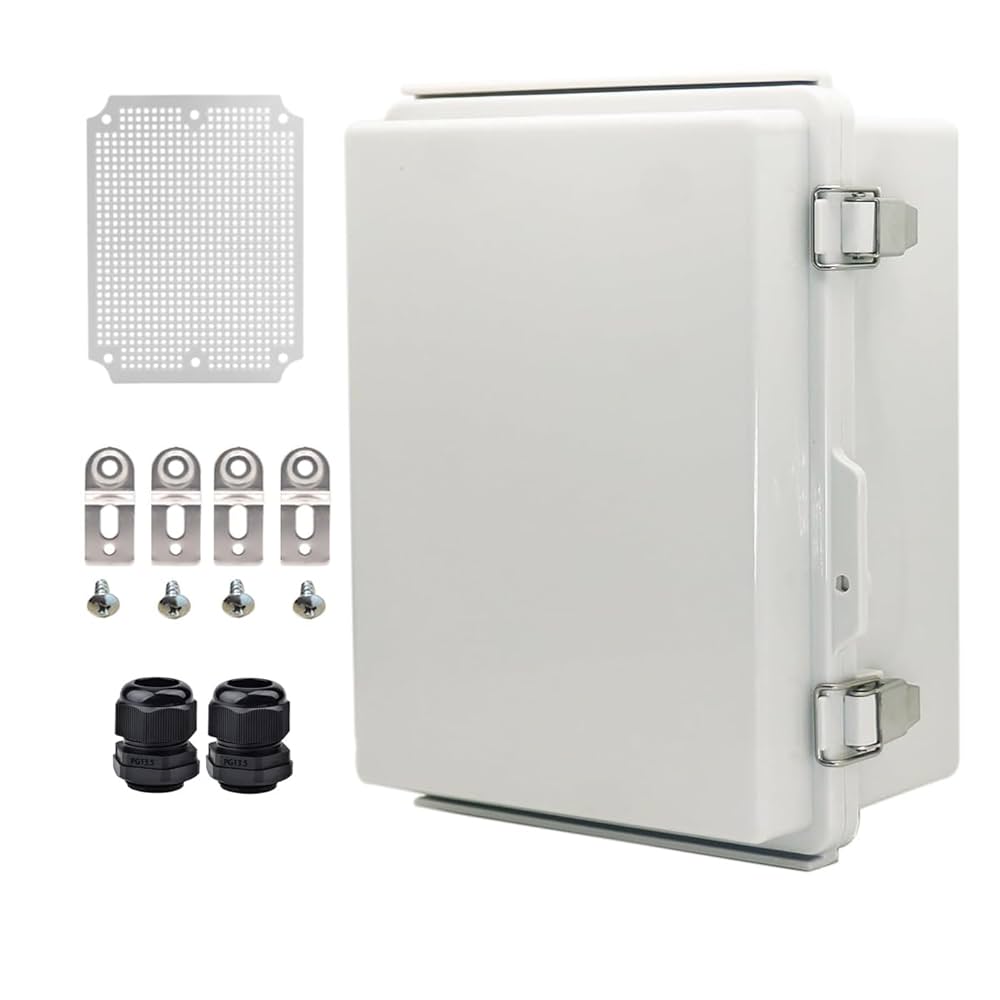
Imagine your favorite gadgets suddenly getting wet—your phone slips into a puddle, or your headphones catch an unexpected rain shower. It’s a panic moment, right?
What if you could protect your electronics from water damage without spending a fortune or needing special tools? You’re about to discover simple, effective ways to waterproof your devices right at home. Keep reading, because these easy steps could save you from costly repairs and keep your tech safe when accidents happen.
Why Waterproof Electronics Matter
Waterproofing electronics protects devices from water damage. Water can cause short circuits, corrosion, and permanent failure. Many daily activities involve exposure to water or moisture. Preventing damage saves money and extends device life. Waterproofing adds peace of mind, especially in wet environments.
Common Water Damage Scenarios
- Dropping a phone in a sink or bathtub
- Accidental spills of drinks on laptops or keyboards
- Using electronics outdoors during rain
- High humidity causing moisture buildup inside devices
- Water splashing near workstations or entertainment areas
Benefits Of Diy Waterproofing
- Cost-effective protection without buying expensive gear
- Custom solutions tailored to your specific devices
- Easy to apply with household items or simple tools
- Reduces risk of damage from unexpected water exposure
- Improves device reliability in daily use
Credit: www.vevor.com
Essential Materials For Waterproofing
Waterproofing electronics at home is a practical skill. Ensuring devices stay safe from water is crucial. Essential materials can make this task easier. They provide the protection your gadgets need. Understanding these materials helps in effective waterproofing.
Waterproof Cases And Bags
Waterproof cases and bags are popular choices. They offer a convenient solution for device protection. These cases seal your electronics from moisture. Choose the right size for your device. Look for durable materials like silicone or PVC. Some cases also provide impact resistance. This dual protection is a bonus.
Sealants And Coatings
Sealants and coatings create a protective layer. They are applied directly to the device. Silicone sealants are common and effective. They form a waterproof barrier around components. Coatings like conformal sprays are also useful. They protect without altering device functionality. Follow instructions for best results.
Diy Alternatives
DIY alternatives can be cost-effective. Use items like plastic wrap or zip-lock bags. They provide temporary protection in emergencies. Applying nail polish to small parts can help too. It acts as a waterproof seal. But remember, these are short-term solutions. Always aim for more durable methods when possible.
Step-by-step Waterproofing Methods
Waterproofing your electronics at home can save you from costly repairs and extend the life of your devices. It doesn’t require fancy tools or expensive products—just a bit of patience and the right approach. Here’s a clear, practical guide to help you protect your electronics step-by-step using simple materials you might already have.
Sealing With Silicone And Tape
Silicone sealant is one of the most effective ways to waterproof small electronic parts. You can apply a thin layer around seams, ports, and buttons to block out moisture. Be careful not to cover vents or areas that generate heat, as this could damage your device.
Pairing silicone with waterproof tape adds an extra layer of protection. Use a high-quality electrical or marine-grade tape to wrap cables or vulnerable spots. I once saved a Bluetooth speaker from water damage by sealing the charging port with silicone and covering it with tape—simple but incredibly effective.
Using Waterproof Sprays
Waterproof sprays designed for electronics create a protective coating that repels water without affecting functionality. Before spraying, clean your device thoroughly and remove batteries if possible. Apply the spray evenly in a well-ventilated area and allow it to dry completely.
Not all sprays are equal—look for ones labeled specifically for electronics. Some sprays can interfere with touchscreens or speakers, so test a small area first. Have you checked if your device’s warranty allows for such treatments? It’s a step worth considering.
Creating Custom Protective Covers
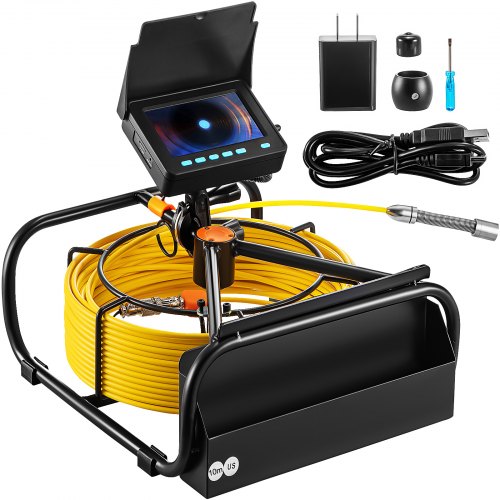
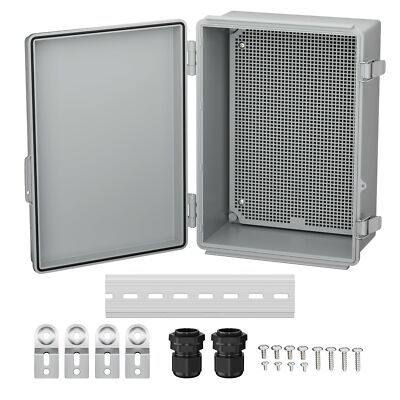
Custom covers offer personalized waterproofing tailored to your device’s shape. Use materials like silicone molds, plastic enclosures, or even repurposed containers to create snug, water-resistant shells. This method works well for cameras, phones, and small gadgets.
Think about adding a soft lining inside the cover to prevent scratches. I crafted a custom silicone sleeve for my action camera using a mold and flexible sealant, which kept it dry during a kayaking trip. What unique materials do you have at home that could serve as protective covers?

Credit: www.amazon.com
Testing Your Waterproofing Setup
Testing your waterproofing setup is crucial before you fully rely on it. This step ensures your electronics remain safe and functional after exposure to water. Skipping this phase might lead to costly damage or frustrating repairs.
Simple Water Exposure Tests
Start by gently exposing your protected device to a small amount of water. Use a damp cloth or lightly spray water instead of submerging it immediately. This helps you spot any leaks or weak spots without risking full damage.
Try placing your device under running water for a few seconds or lightly splashing it. Observe if any moisture seeps inside the protective layer. If you notice dampness, reinforce the waterproof seal before moving on.
Have you ever tested your setup only to find a tiny leak that could have ruined your device? This cautious approach saves you from surprises later.
Ensuring Functionality Post-protection
After water exposure tests, check if your device works normally. Power it on and test all major functions like touchscreen, buttons, cameras, or speakers. Any lag or malfunction might indicate water damage or poor sealing.
Sometimes, water-resistant coatings or coverings can affect sensitivity or responsiveness. If you notice issues, try adjusting the protective materials or reapplying waterproof layers. Don’t ignore subtle changes—it’s better to fix problems early.
Ask yourself: Does your device perform as well as before the waterproofing? If not, what can you tweak to improve the setup? Testing functionality is your final checkpoint to ensure your electronics are truly safe.
Tips For Maintaining Waterproof Electronics
Maintaining waterproof electronics extends their life and keeps them working well. Small actions every day protect your devices from water damage and other risks. Paying attention to simple details helps avoid costly repairs and replacements. Here are some practical tips to keep your waterproof electronics safe and efficient.
Regular Inspections
Check your electronics for cracks, dents, or loose seals often. Water resistance depends on tight seals and undamaged surfaces. Look closely at ports, buttons, and covers. Make sure they close properly and show no signs of wear. Testing your device’s waterproof rating occasionally helps spot problems early. Use a soft cloth to clean and dry the device after each use.
Avoiding Common Pitfalls
Never press buttons underwater unless the device allows it. Avoid exposing electronics to hot water or steam; it can damage seals. Don’t use harsh chemicals or abrasive materials for cleaning. Avoid dropping or hitting the device, which may weaken its waterproof features. Be careful charging the device with wet hands or in wet places. Always follow the manufacturer’s guidelines for use and care.
Storage Best Practices
Store your waterproof electronics in a dry, cool place away from direct sunlight. Use protective cases or pouches designed for waterproof devices. Keep them away from dust and dirt, which can block ports and seals. Remove batteries if storing for a long time to prevent corrosion. Make sure the device is completely dry before putting it away. Label storage areas clearly to prevent accidental damage or exposure to water.
Credit: www.ebay.com
When To Seek Professional Waterproofing
Knowing when to seek professional waterproofing can save your device and money. Some electronics need special care beyond simple home methods. Professionals have tools and skills to protect sensitive parts effectively.
Choosing professional help reduces the risk of damage during waterproofing. It ensures the device remains fully functional and safe. Understanding the right time to call experts can protect your investment well.
High-value Devices
Expensive gadgets like smartphones, cameras, and laptops deserve expert attention. Mistakes in waterproofing can cause costly repairs or total loss. Professionals use precise methods tailored to each high-value device’s needs.
These devices often contain delicate components that require careful handling. A minor error can void warranties or cause permanent damage. Trusting professionals helps maintain the device’s value and longevity.
Complex Waterproofing Needs
Some electronics require advanced waterproofing beyond simple sprays or tapes. Devices with ports, buttons, or internal circuits need specialized sealing techniques. Professionals understand these complexities and apply suitable solutions.
Waterproofing involving heat sealing, resin coatings, or custom enclosures is best left to experts. Improper attempts can trap moisture or block ventilation, causing internal damage. Professional services provide reliable protection for complex cases.
Frequently Asked Questions
How Can I Waterproof Electronics At Home Effectively?
To waterproof electronics at home, use silicone sealants, waterproof cases, or conformal coatings. Ensure all openings are sealed tightly. Test the device after application to confirm protection. This prevents water damage and extends device lifespan.
What Materials Work Best For Diy Electronic Waterproofing?
Silicone sealants, epoxy resins, and conformal sprays work best for DIY waterproofing. These materials create a protective barrier against moisture. Choose based on the device type and exposure level. Always follow manufacturer instructions for optimal results.
Is Waterproofing Electronics Safe To Do By Yourself?
Yes, waterproofing electronics at home is safe if done correctly. Use non-conductive materials and avoid covering ventilation areas. Work in a well-ventilated space and follow safety guidelines. This reduces risk and protects your device effectively.
Can Household Items Help In Waterproofing Electronics?
Household items like clear nail polish and silicone grease can offer temporary waterproofing. They seal small gaps and protect against minor moisture. However, for long-term protection, specialized waterproofing products are recommended. Use household items cautiously.
Conclusion
Protecting your electronics from water damage is possible at home. Simple steps can keep your devices safe and dry. Use the right materials and follow clear instructions carefully. Small efforts can save you from costly repairs or replacements. Stay cautious around water, especially with valuable gadgets.
Regular checks help spot any weak spots early. Take action now to keep your electronics working longer. Waterproofing is a smart, easy way to protect what you own.
Leave a Reply