
Imagine having a tool that boosts your productivity, keeps your team safer, and helps you make smarter decisions—all worn right on your body. Wearable technology is no longer just a cool gadget; it’s becoming a game-changer for businesses like yours.
If you want to stay ahead of the competition and unlock new levels of efficiency, understanding how these devices work can transform the way you operate. Keep reading to discover how wearable tech could be the secret weapon your business needs.
Wearable Tech Trends
Wearable technology is changing fast and shaping business futures. These devices collect data, improve communication, and boost efficiency. Understanding current trends helps businesses stay ahead and use wearables well.
Current Market Landscape
The wearable tech market grows steadily each year. Many industries adopt these devices for various tasks. Health care, manufacturing, and retail lead in using wearables.
Companies invest in wearables for safety, productivity, and customer service. User-friendly designs and affordable prices push adoption further.
- More smartwatches and fitness bands sold worldwide
- Rising demand for real-time data and analytics
- Integration with other smart devices and software
Popular Devices And Features
Smartwatches remain the most common wearable device in business. Their features go beyond timekeeping and fitness tracking.
Common features that help businesses include:
- Heart rate and activity monitoring for health and safety
- GPS tracking for logistics and field workers
- Notifications and quick communication tools
- Voice commands and hands-free operation
Other devices like smart glasses and wearable scanners assist in hands-on tasks. These gadgets improve accuracy and speed in daily operations.
Boosting Workplace Efficiency
Wearable technology is reshaping how businesses operate by making daily tasks smoother and faster. It helps you save time and reduce errors, which are key to improving workplace efficiency. Imagine having instant access to important information or communicating seamlessly without distractions—wearables make that possible.
Real-time Data Access
With wearable devices, you get important data right when you need it. Instead of searching through emails or waiting for reports, information is delivered instantly to your wrist or glasses.
This speed helps you make quicker decisions. For example, warehouse workers using smart glasses can scan items and check inventory without leaving their spot, cutting down on time wasted walking around.
Improved Communication
Wearables streamline how teams talk to each other. Devices like smartwatches allow quick voice or text messages without interrupting work, keeping communication clear and focused.
Think about a manager who can send instant updates to field workers without calls or emails. This keeps everyone on the same page and avoids delays caused by missed messages.
Enhanced Task Management
Wearables help you stay on top of your to-do list effortlessly. Notifications and reminders pop up right when you need them, reducing the chance of forgetting tasks or deadlines.
You can also track your progress in real time. For instance, delivery drivers can receive route updates through their wearable devices, making adjustments on the go and finishing jobs faster.
Revolutionizing Customer Experience
Wearable technology is reshaping how businesses connect with customers. It offers fresh ways to engage, making every interaction more meaningful and efficient. Imagine your business anticipating customer needs before they even voice them.
Personalized Interactions
Wearables gather real-time data about users’ preferences, habits, and locations. This info lets you tailor messages and offers uniquely to each customer. Instead of generic ads, you can send timely discounts or recommendations based on what the customer truly wants.
Think about a retail store where a customer’s smartwatch notifies staff of their arrival and favorite products. The staff can greet them by name and suggest items aligned with past purchases. Wouldn’t that kind of attention make you feel valued?
Seamless Service Delivery
Wearable devices streamline processes by enabling quick access to information and hands-free communication. Employees can check inventory, process payments, or answer queries without leaving the customer’s side.
Consider a restaurant where servers use smart glasses to view orders and customize meals instantly. This speeds up service and reduces errors, improving the overall dining experience. How could your business use wearables to remove obstacles in customer service?

Credit: medium.com
Driving Innovation With Wearables
Wearable technology is changing how businesses innovate. These devices collect real-time data and enable new ways to work. Companies can use wearables to improve services and create fresh opportunities. The impact on innovation is profound and growing.
New Business Models
Wearables allow businesses to explore new business models. Subscription services based on wearable data become possible. Companies can offer personalized experiences using insights from wearables. This technology supports pay-per-use or outcome-based pricing strategies. It also fosters closer customer relationships through continuous engagement.
Product Development Insights
Wearables provide valuable data for product development. Companies learn how customers interact with products in real life. This feedback helps improve design and functionality quickly. Wearables also reveal usage patterns and preferences. Teams can test new features with live user data, reducing guesswork.
Challenges And Considerations
Wearable technology offers many benefits for businesses. It can improve productivity and provide real-time data. Still, companies face some challenges before they fully use these devices. Understanding these issues helps businesses plan better and avoid future problems.
Privacy And Security Issues
Wearable devices collect lots of personal and sensitive data. This data needs strong protection against hacking and leaks. Businesses must follow strict privacy rules to keep user information safe. Encryption and secure networks help protect data from cyber threats. Employees may worry about constant monitoring. Clear policies on data use can build trust and reduce concerns.
Integration With Existing Systems
Many companies use complex software and hardware systems. Adding wearable devices can create compatibility problems. Data from wearables must work smoothly with current business tools. This requires careful planning and sometimes new software development. IT teams need to test devices before full deployment. Poor integration can cause delays and extra costs.
User Adoption Barriers
Some employees may resist using wearable technology. They might find devices uncomfortable or hard to use. Training and clear instructions can help users feel confident. Showing how wearables improve work tasks encourages acceptance. Employers should gather feedback to fix any issues. Patience is key for successful adoption across teams.
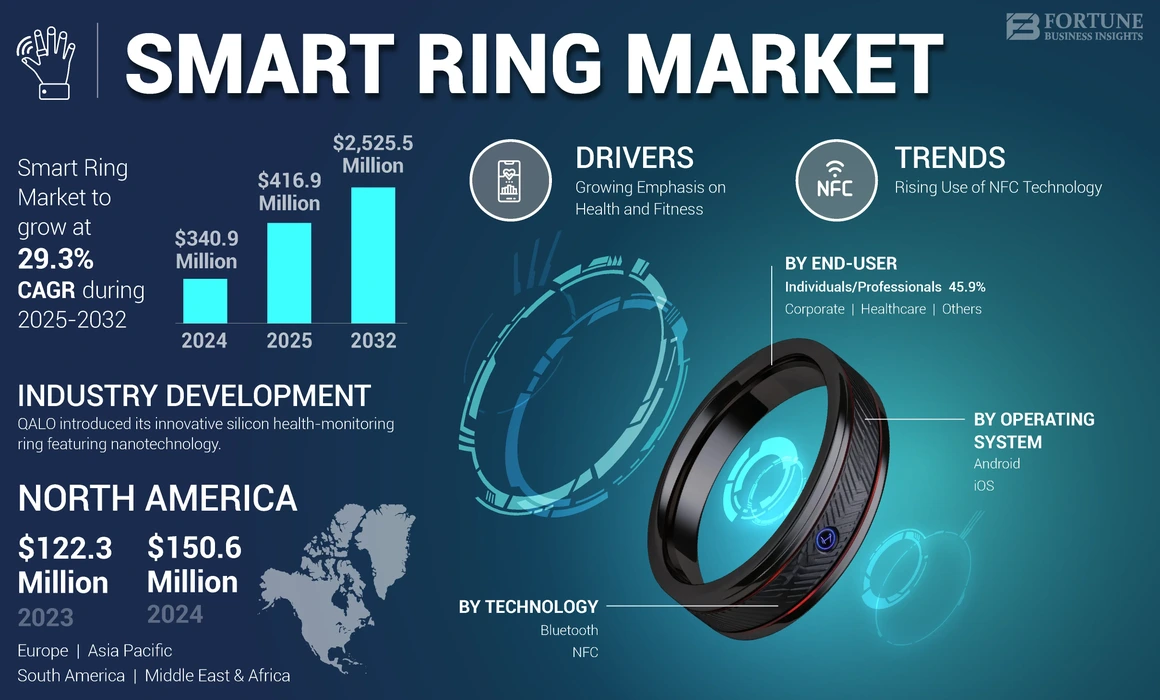
Credit: www.fortunebusinessinsights.com
Future Outlook
The future of wearable technology in business promises exciting changes that could reshape how you work and engage with your team and customers. These devices are evolving rapidly, becoming smarter and more integrated into daily business operations. Understanding what lies ahead can help you prepare to take advantage of these innovations and stay competitive.
Emerging Technologies
New types of wearable devices are appearing, including smart glasses that provide real-time data overlays, and advanced biometric sensors that monitor health and stress levels. Imagine wearing glasses that show your sales targets or customer data while you’re in a meeting—no need to switch screens.
Developments in AI and machine learning are making these devices more intuitive and adaptive. They learn from your habits and can suggest actions or alerts tailored specifically to your work style. How could having a personal assistant on your wrist change the way you manage your day?
Long-term Business Impact
Wearables will likely shift business models toward more data-driven and agile approaches. Companies could use real-time data from employees to improve safety, productivity, and even job satisfaction.
Picture a construction site where supervisors receive instant alerts about worker fatigue or hazardous conditions. This kind of proactive management isn’t just safer—it can save money and reduce downtime.
Will your business be ready to handle the ethical and privacy challenges that come with collecting so much personal data? Balancing innovation with responsibility will be key to long-term success.
Credit: www.tatvasoft.com
Frequently Asked Questions
How Can Wearable Technology Benefit Businesses?
Wearable technology can enhance productivity and efficiency. It provides real-time data and analytics, improving decision-making. Businesses can also use it for employee health monitoring, reducing absenteeism. Additionally, it enhances communication and collaboration, especially for remote teams. Overall, wearables can streamline operations and drive innovation in various industries.
What Industries Benefit Most From Wearables?
Healthcare, retail, and manufacturing industries benefit greatly. In healthcare, wearables monitor patient health and improve care. Retailers use them for personalized shopping experiences. In manufacturing, wearables ensure worker safety and enhance productivity. These technologies revolutionize how industries operate, making them more efficient and customer-focused.
How Do Wearables Improve Employee Productivity?
Wearables provide instant access to data and communication tools. This reduces time spent on repetitive tasks. Employees can track their health and energy levels, optimizing work schedules. Additionally, wearables enhance collaboration among teams, especially in remote settings. Overall, they streamline workflows and boost productivity across various sectors.
Are Wearables Secure For Business Use?
Wearables come with advanced security features, protecting sensitive data. Encryption and authentication mechanisms safeguard information. Businesses should implement robust security protocols and regular updates. Employee training on data security is crucial. While no system is foolproof, wearables can be securely integrated into business operations with proper measures.
Conclusion
Wearable technology offers many chances for businesses to improve. It helps track health, boost safety, and increase efficiency. Employees can stay connected and work smarter every day. Costs may reduce with better data and faster decisions. Challenges exist, but the benefits often outweigh them.
Businesses willing to adapt can gain a real edge. This technology will likely grow and become more common soon. Embracing wearables could lead to better work and happier teams. The future of business looks more connected and efficient.
Leave a Reply