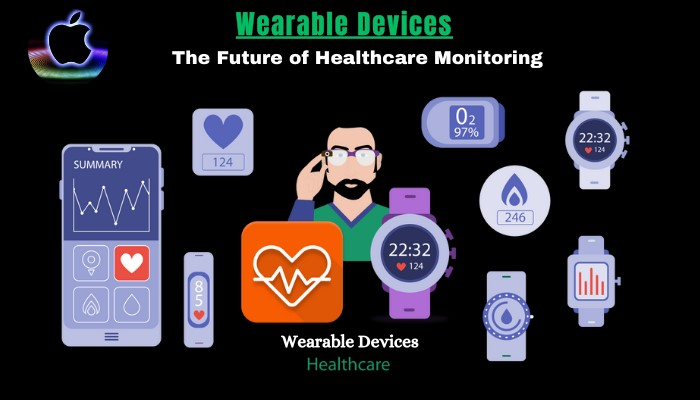
Are you wondering if wearable health technology is really worth it for you? With so many gadgets promising to track your fitness, monitor your heart, and even improve your sleep, it’s easy to feel overwhelmed.
But what if these devices could actually change the way you take care of your health every day? Imagine having real-time insights that help you make smarter choices, prevent problems before they start, and stay motivated to reach your goals.
Keep reading to discover how wearable health technology could be the key to unlocking a healthier, happier you.
Rise Of Wearable Health Tech
Wearable health technology is growing fast. These devices help people track their health easily. They collect data on heart rate, sleep, activity, and more. This technology makes health monitoring simple and accessible to many.
Wearable health tech is changing how people manage wellness. It supports daily health goals and early problem detection. More people trust these devices for personal health insights.
Popular Devices Today
- Smartwatches like Apple Watch and Fitbit
- Fitness trackers from brands like Garmin
- Wearable ECG monitors
- Continuous glucose monitors for diabetes
- Sleep tracking rings and bands
These devices offer features such as step counting, heart rate monitoring, and sleep analysis. Many sync with smartphones for easy data access. Users can set health goals and receive alerts.
Tech Advancements Driving Growth
- Improved sensors with higher accuracy
- Longer battery life for all-day use
- AI and machine learning for better health insights
- Wireless connectivity for seamless data sharing
- Compact designs for comfort and style
These advancements make wearables more reliable and user-friendly. They allow continuous health tracking without interrupting daily life. Tech progress fuels the rise and acceptance of wearable health devices.

Credit: medium.com
Benefits For Wellness
Wearable health technology offers many benefits for wellness. It helps people stay aware of their body and habits. These devices provide useful data instantly. They also support healthy lifestyle choices and personal growth.
Real-time Health Monitoring
Wearables track your health numbers all day. They measure heart rate, steps, and sleep quality. This instant data helps spot health issues early. Users can react faster to changes in their body. Real-time feedback makes health management simple and clear.
Motivation And Goal Tracking
Wearables encourage users to stay active and healthy. They set daily goals for steps, exercise, or calories burned. Seeing progress on the device boosts motivation. Small achievements push people to keep going. This steady tracking builds better habits over time.
Personalized Health Insights
Wearables analyze your health data to give custom advice. They learn your patterns and suggest improvements. This helps tailor workouts, sleep, and diet. Personalized tips make wellness plans easier to follow. Users get support that fits their unique needs.
Potential Drawbacks
Wearable health technology offers exciting benefits, but it’s important to recognize its potential drawbacks. These devices collect a lot of personal information, and sometimes the data they provide isn’t as accurate as you might expect. Understanding these challenges can help you make smarter choices about how you use wearables in your daily life.
Data Privacy Concerns
Your health data is incredibly personal, and wearables collect a continuous stream of it. This raises serious questions about who has access to your information and how it is being used. You might think your data is safe, but breaches and unauthorized sharing have happened, putting your privacy at risk.
Have you ever wondered if your health tracker could share your information without your permission? Always check the privacy policies and know what controls you have over your data. Being cautious helps you protect your personal health details from falling into the wrong hands.
Accuracy And Reliability Issues
Wearable devices are convenient, but they don’t always provide perfect readings. Factors like skin tone, device placement, and movement can affect accuracy. Relying on these numbers alone might lead to wrong conclusions about your health.
Think about tracking your heart rate during exercise. If the device shows irregular spikes, is it your heart or a glitch? Don’t ignore symptoms just because your wearable says everything is fine. It’s wise to use these gadgets as a guide, not a diagnosis.
Overdependence On Technology
It’s easy to become too reliant on wearable health tech. You might start trusting your device more than your own body’s signals. This can cause you to overlook important signs or delay seeking professional medical advice.
Ask yourself: Are you listening to your body, or just your gadget? Using wearables as a helpful tool makes sense, but don’t let them replace your judgment. Balance technology with self-awareness to stay truly healthy.
Impact On Daily Habits
Wearable health technology changes daily habits by providing real-time data and feedback. It helps people become more aware of their health choices. Small changes become easier with constant reminders and tracking.
Exercise And Activity Levels
Wearables track steps, distance, and calories burned. This tracking motivates people to move more often. Setting daily goals becomes simple and clear. Users notice patterns in their activity and adjust routines. It encourages regular exercise and reduces sedentary time.
Sleep Patterns And Quality
Wearables monitor sleep stages and duration automatically. They show how much deep and light sleep a person gets. This data helps users identify poor sleep habits. Small changes like adjusting bedtime improve rest quality. Better sleep leads to more energy and better mood.
Diet And Nutrition Tracking
Some devices let users log food and water intake. This helps track calories and nutrients easily. Seeing intake in numbers helps with better food choices. Users learn to balance meals and avoid overeating. Nutrition tracking supports weight management and overall health.
Choosing The Right Device
Choosing the right wearable health device can improve your daily wellness tracking. Each device offers different tools and benefits. Picking the right one depends on your needs and habits. Consider key points to find a device that fits well.
Features To Consider
Look for features that match your health goals. Common features include:
- Heart rate monitoring
- Sleep tracking
- Step counting
- Calorie tracking
- GPS for outdoor activities
- Water resistance
Choose features that you will use daily. Avoid devices with too many unused functions.
Compatibility With Lifestyle
Think about how the device fits your daily routine. Some devices work better for athletes. Others suit office workers or casual users. Check if the device is comfortable to wear all day. Battery life matters if you are often busy or on the move. Also, see if the device syncs with your smartphone or apps you use.
Budget And Value
Set a budget before buying. Wearable devices vary widely in price. More expensive devices do not always mean better results. Focus on value rather than cost alone. Compare prices and features. Look for deals or warranties to protect your investment.
Credit: www.kardena.eu
Future Of Wearable Wellness
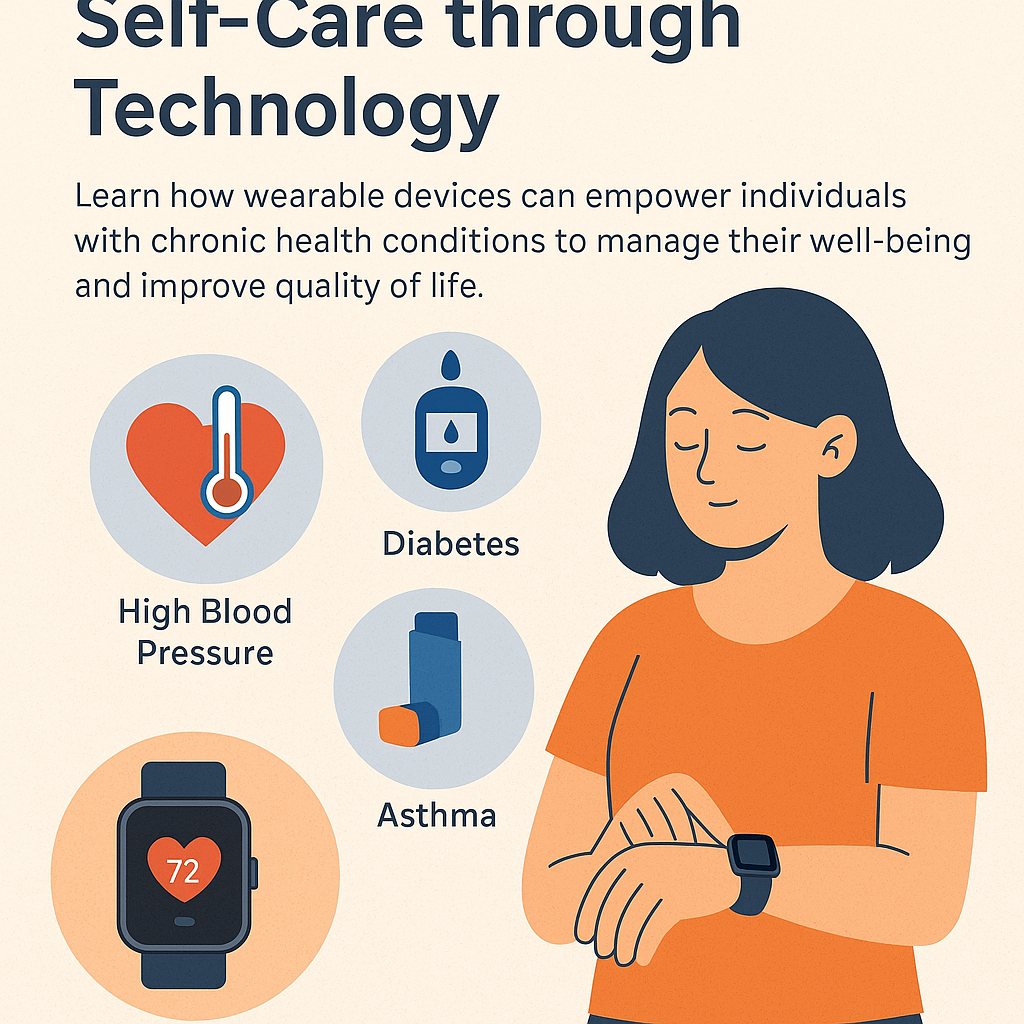
The future of wearable wellness holds great promise for health and fitness. Wearable devices will become smarter, more accurate, and more connected. These tools will help users track daily activities and manage chronic conditions more effectively.
Advances in technology will allow wearables to work closely with healthcare providers. This will lead to better health insights and faster responses to medical issues.
Integration With Healthcare Systems
Wearable devices will link directly with hospitals and clinics. Data from devices can update medical records instantly. Doctors will monitor patients remotely and adjust treatments quickly. This connection supports personalized care and reduces hospital visits.
Emerging Technologies
New sensors will measure more health factors, like hydration and stress. Artificial intelligence will analyze data for early signs of illness. Wearables may include flexible displays and longer battery life. These improvements will make devices more comfortable and useful.
Long-term Health Trends
Wearables will help track health trends over years. Users can see how lifestyle changes affect their wellbeing. This long-term data helps predict future health risks. It encourages healthier habits and better decision-making.
Credit: cubettech.com
Frequently Asked Questions
What Are The Benefits Of Wearable Health Technology?
Wearable health tech helps track vital signs and activity in real-time. It promotes better fitness, early illness detection, and personalized health insights. Users gain motivation to maintain healthy habits and improve overall wellness effectively.
How Accurate Is Wearable Health Technology?
Accuracy varies by device and sensor quality. Most wearables provide reliable heart rate and step counts. However, they may have slight errors in measuring complex metrics. Regular updates and calibration improve precision over time.
Can Wearable Health Devices Prevent Serious Illnesses?
Wearables can detect early warning signs like irregular heartbeat or sleep issues. They encourage timely medical consultations, potentially preventing severe conditions. However, they are not a replacement for professional medical diagnosis or treatment.
Are Wearable Health Gadgets Suitable For All Ages?
Yes, many devices cater to diverse age groups with adjustable features. Seniors benefit from fall detection and emergency alerts. Younger users enjoy fitness tracking and activity monitoring. Always choose age-appropriate models for best results.
Conclusion
Wearable health technology offers many benefits. It helps track fitness goals. People gain insights into their daily activities. It promotes healthier lifestyles. These gadgets provide real-time data. This information can be valuable for personal health management. They encourage users to stay active.
Also, they remind us to rest and hydrate. Privacy concerns still exist, though. Users must weigh the pros and cons. Choose devices that suit your needs best. Wearables are a useful tool. But, they are not a substitute for professional medical advice.
Always consult a healthcare professional for concerns.
Leave a Reply