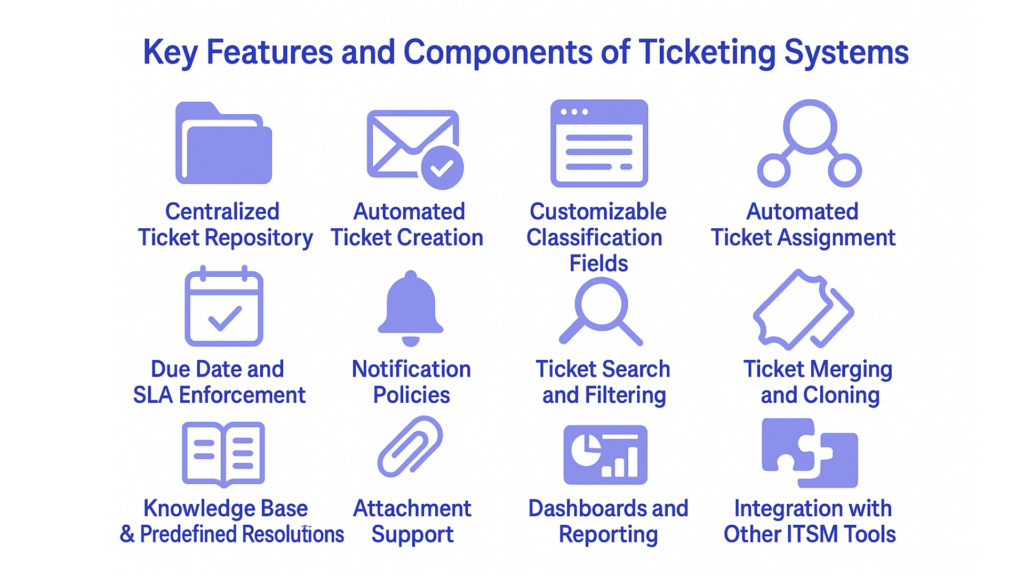
Are you struggling to keep track of your equipment and systems? Imagine having a single solution that helps you monitor, manage, and maintain everything from one place.
Centralized maintenance tools and polling systems do exactly that. They simplify your work, save you time, and prevent costly breakdowns before they happen. You’ll discover how these powerful tools can transform your maintenance routine and boost your efficiency. Keep reading to unlock the secret to smarter maintenance management.
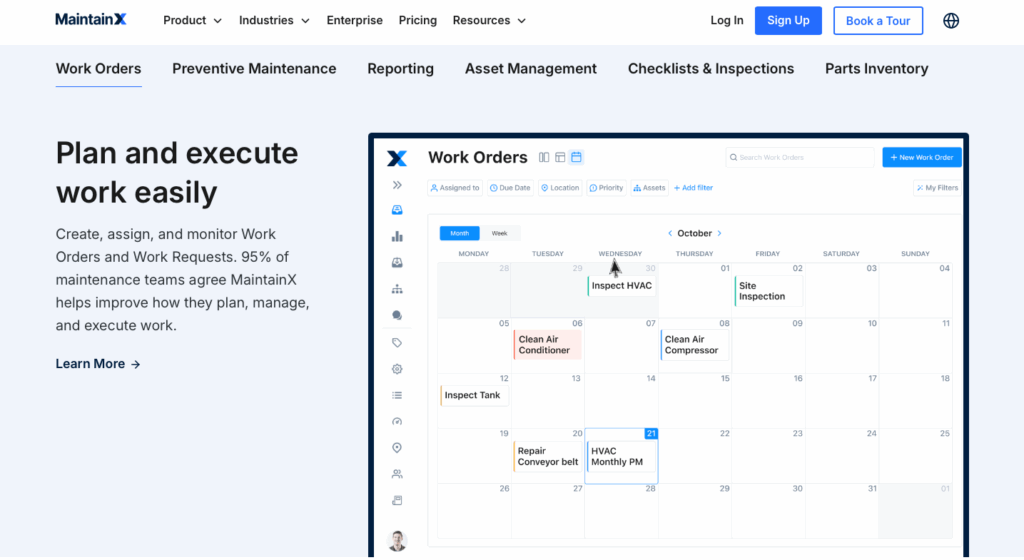
Credit: connecteam.com
Centralized Maintenance Tools
Centralized maintenance tools play a vital role in managing and streamlining the upkeep of equipment, machinery, and systems within an organization. These tools bring all maintenance activities under one platform, making it easier to monitor, schedule, and execute maintenance tasks efficiently. If you’ve ever juggled multiple maintenance requests and felt overwhelmed, centralized tools could be the solution you’ve been searching for.
Definition And Purpose
Centralized maintenance tools are software platforms designed to consolidate all maintenance-related information and activities in one place. Their primary purpose is to simplify how organizations track equipment health, schedule preventive maintenance, and respond to repair needs.
By centralizing data, these tools help maintenance teams avoid redundant work and ensure nothing falls through the cracks. Imagine having every asset’s maintenance history accessible instantly—this clarity can drastically improve decision-making.
Key Features
- Asset Management:Keep detailed records of all machinery and equipment.
- Work Order Management:Create, assign, and track maintenance tasks easily.
- Preventive Maintenance Scheduling:Automate routine checks to prevent breakdowns.
- Real-Time Monitoring:Get immediate updates on equipment status.
- Reporting and Analytics:Analyze maintenance trends and costs to optimize resources.
These features work together to give you a full picture of your maintenance operations at a glance.
Benefits For Organizations
Using centralized maintenance tools can reduce downtime and extend the lifespan of your equipment. When maintenance is scheduled proactively, unexpected failures become less frequent, saving you time and money.
Moreover, these tools improve communication between teams by providing a shared platform for updates and alerts. You’ll find it easier to prioritize tasks and allocate resources where they’re needed most.
Have you noticed how much smoother daily operations run when everyone is on the same page? Centralized maintenance tools make that possible.
Challenges And Limitations
Despite their advantages, centralized maintenance tools come with challenges. Implementing these systems can require significant time and training, which may disrupt current workflows initially.
Another limitation is the dependency on accurate data input; without it, the tool’s effectiveness drops sharply. Some organizations might also face resistance from staff used to traditional methods.
Are you prepared to invest in training and change management to get the full value from these tools? Addressing these hurdles upfront can smooth your transition.
Popular Centralized Maintenance Tools
Popular centralized maintenance tools help companies manage their equipment and systems efficiently. These tools collect data from various devices and allow monitoring from one place. They simplify maintenance tasks and reduce downtime by predicting problems early.
Many businesses rely on these tools to keep their operations smooth. Here are three widely used centralized maintenance tools that offer unique features and benefits.
Tool A Overview
Tool A provides real-time monitoring of machines and systems. It collects data from sensors to track performance and detect faults. Users get alerts for maintenance needs, helping avoid unexpected breakdowns.
The interface is user-friendly, making it easy for teams to analyze data. Tool A supports different industries, including manufacturing and energy.
Tool B Overview
Tool B focuses on predictive maintenance using advanced analytics. It uses historical data to forecast when equipment might fail. This helps schedule maintenance before problems occur.
This tool integrates with many types of hardware and software. It offers detailed reports that assist managers in decision-making.
Tool C Overview
Tool C is known for its strong polling system. It regularly checks device status and collects essential information. This constant polling ensures up-to-date data for maintenance teams.
It supports large networks and allows centralized control over many devices. Tool C is suitable for businesses with complex infrastructure.
Polling Systems In Maintenance
Polling systems in maintenance are key tools used to collect data from machines and equipment. They help managers check the status of assets regularly without being physically present. These systems automate the process of gathering information, making maintenance more efficient.
By using polling systems, companies can track performance, detect faults early, and plan repairs better. This reduces unexpected breakdowns and improves overall equipment reliability. Polling systems often work with centralized maintenance tools to provide a clear view of asset health.
Concept And Functionality
Polling systems send requests to devices at set intervals. Devices respond with data such as temperature, pressure, or operating status. This data moves to a central system for analysis.
Polling can be done using various communication methods like Ethernet, Wi-Fi, or serial connections. The system checks many devices in a sequence, ensuring no asset is missed.
Role In Maintenance Management
Polling systems support proactive maintenance strategies. They provide real-time data to maintenance teams, helping schedule repairs before failures occur.
Data collected assists in trend analysis and performance monitoring. Maintenance managers use this information to prioritize tasks and allocate resources effectively.
Advantages And Disadvantages
| Advantages | Disadvantages |
|---|---|
|
|
Credit: www.nimbleappgenie.com
Integrating Polling Systems With Maintenance Tools
Integrating polling systems with centralized maintenance tools can transform how you manage equipment and workflows. This integration allows you to automate data collection, improve response times, and make smarter decisions. The key lies in linking real-time data gathering with maintenance scheduling and execution.
Strategies For Integration
Start by ensuring your polling system can communicate seamlessly with your maintenance software. Use APIs or middleware to connect different platforms without manual data transfer.
Focus on setting clear data exchange standards. Decide what data points from the polling system—like sensor readings or status updates—are critical for maintenance decisions.
Automate alerts so maintenance teams get notified instantly when polling data shows a problem. This reduces downtime and prevents minor issues from becoming major repairs.
Case Studies And Examples
A manufacturing plant integrated its vibration polling system with its maintenance tool to monitor motor health. When vibration levels exceeded a threshold, the system automatically scheduled a maintenance check, cutting unexpected failures by 30%.
Another example comes from a data center using temperature polling linked to maintenance software. Cooling system alerts triggered immediate inspections, preventing equipment overheating and costly outages.
These examples show how real-time data combined with action plans in maintenance tools leads to better asset management.
Best Practices
- Keep data clean and consistent:Regularly verify polling data quality to avoid false alarms.
- Train your team:Ensure everyone understands how to interpret polling data within the maintenance tool.
- Test integration thoroughly:Run simulations to confirm alerts trigger correctly and workflows respond as expected.
- Prioritize critical assets:Focus integration efforts on equipment where downtime hits hardest.
- Review and adjust:Continuously monitor how the integration performs and tweak settings to improve efficiency.
Think about your current maintenance setup—how could adding a polling system change your approach? What small tweaks might yield big gains in reliability and cost savings?
Future Trends In Maintenance Tools And Polling Systems
Looking ahead, maintenance tools and polling systems are evolving rapidly, shaping how you manage equipment and data collection. Understanding these future trends helps you stay ahead, reduce downtime, and optimize operations. Let’s dive into the key developments that could impact your maintenance strategy.
Technological Advancements
New hardware and software are making centralized maintenance tools more powerful and user-friendly. Faster processors and cloud integration allow real-time monitoring and quicker response times.
Imagine checking the health of all your machines from your phone, anytime, anywhere. This level of accessibility is becoming standard, helping you prevent issues before they escalate.
Impact Of Ai And Iot
Artificial Intelligence (AI) and the Internet of Things (IoT) are transforming polling systems into intelligent, self-learning networks. Sensors collect vast amounts of data, which AI analyzes to predict failures and recommend fixes.
Have you ever wondered how your system could alert you about a failing part before it causes a shutdown? That’s the power of AI-driven predictive maintenance.
Predicted Developments
- Increased automation:Routine maintenance tasks will be automated, freeing you to focus on strategic decisions.
- Enhanced data visualization:Dashboards will become more intuitive, making complex data easier to understand.
- Integration with mobile platforms:Your maintenance tools will sync seamlessly with smartphones and tablets.
- Stronger cybersecurity:As connected devices grow, protecting your systems from cyber threats will be crucial.
What would it mean for your business if maintenance became fully proactive rather than reactive? Preparing now for these trends can give you a competitive edge.

Credit: www.extnoc.com
Frequently Asked Questions
What Are Centralized Maintenance Tools?
Centralized maintenance tools manage and monitor equipment from one location. They streamline repairs, reduce downtime, and improve efficiency. These tools collect data, schedule maintenance, and track performance across multiple systems.
How Do Polling Systems Work In Maintenance?
Polling systems regularly check equipment status by sending data requests. They gather real-time information to detect issues early. This helps in proactive maintenance, preventing breakdowns and optimizing resource use.
Why Use Centralized Maintenance Tools?
Centralized tools simplify maintenance by consolidating control and data. They enhance coordination, reduce errors, and save time. Businesses achieve better asset management and cost savings with these systems.
What Are Benefits Of Polling Systems?
Polling systems provide continuous monitoring and timely alerts. They improve equipment reliability and minimize unexpected failures. This leads to increased productivity and lower maintenance costs.
Conclusion
Centralized maintenance tools and polling systems help manage tasks easily. They save time by tracking many devices at once. These tools improve efficiency and reduce errors. Polling systems gather important data quickly and clearly. Using them makes maintenance simpler and more organized.
Businesses can stay updated without extra work. In the end, they support smooth operations and better control. Simple tools can make a big difference.
Leave a Reply