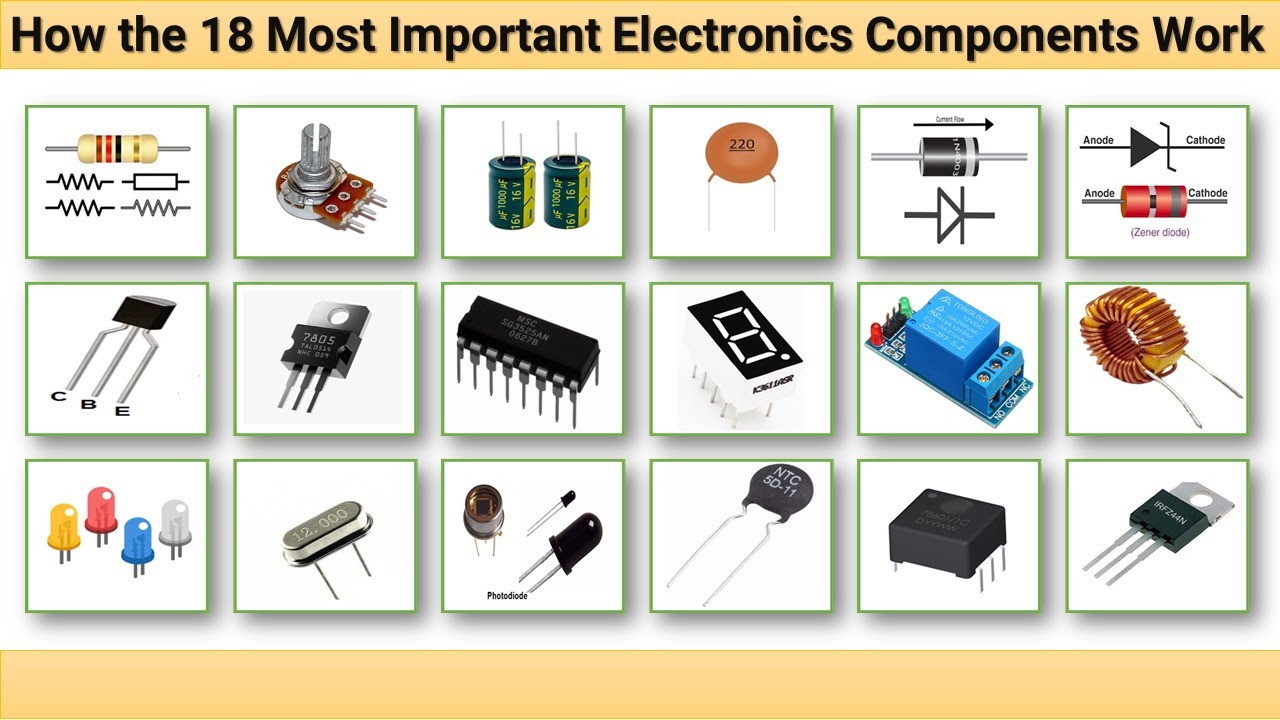
Have you ever wondered what makes your smartphone, computer, or TV actually work? At the heart of all these devices lie tiny parts called electronic components.
These small but powerful pieces control the flow of electricity and help turn simple circuits into amazing gadgets. Understanding what electronic components are can give you a new appreciation for the technology you use every day. Keep reading, and you’ll discover how these components shape the devices that make your life easier and more exciting.

Credit: www.electronicsandyou.com
Basics Of Electronic Components
Electronic components are the building blocks of all electronic devices. They control the flow of electricity and help create circuits. Understanding the basics of these components is important for anyone interested in electronics.
Each component has a specific role in a circuit. Some store energy, some control current, and others convert signals. Learning about these parts helps you see how devices work.
Resistors
Resistors limit the flow of electrical current. They protect other components by controlling voltage and current. Resistors come in different sizes and values depending on their use.
Capacitors
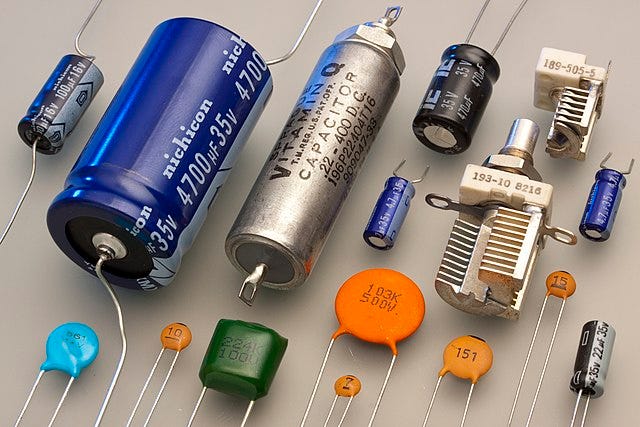
Capacitors store and release electrical energy. They smooth out voltage changes and filter signals. Capacitors have two terminals and come in various types.
Diodes
Diodes allow current to flow in one direction only. They prevent damage by blocking reverse current. Light-emitting diodes (LEDs) produce light when current flows through them.
Transistors
Transistors control electrical signals and amplify them. They act like switches or signal boosters in circuits. Transistors are essential in almost all modern electronics.
Inductors
Inductors store energy as a magnetic field when current passes through. They are used in filters, transformers, and tuning circuits. Inductors have coils of wire wrapped around a core.
Types Of Electronic Components
Electronic components are the building blocks of all electronic devices. They come in different types. Each type has a special role in circuits and devices. Knowing these types helps in understanding how electronics work.
Active components control the flow of electricity. They can amplify signals or switch currents on and off. These parts need an external power source to work. Common examples include:
- Transistors
- Diodes
- Integrated Circuits (ICs)
- Operational Amplifiers
They are vital for signal processing and power management in devices.
Passive components do not generate energy. They only store, release, or resist electrical energy. They do not need any power to operate. Examples include:
- Resistors
- Capacitors
- Inductors
- Transformers
Passive parts control voltage, current, and frequency in circuits.
Electromechanical components combine electrical and mechanical functions. They create movement or sense mechanical changes. These parts convert electrical signals into physical action or vice versa. Common types are:
- Relays
- Switches
- Motors
- Connectors
They are essential for controlling circuits and connecting parts.
Active Components
Active components are essential parts of electronic circuits. They control the flow of electricity and can amplify signals. These components need an external power source to work. They perform functions like switching, amplifying, and signal modulation.
Semiconductors
Semiconductors are materials that have electrical conductivity between conductors and insulators. Silicon is the most common semiconductor used in electronics. They form the base for many active components. Their conductivity changes when exposed to voltage, light, or heat.
Diodes
Diodes allow current to flow in only one direction. They protect circuits by blocking reverse current. Light Emitting Diodes (LEDs) also emit light when current passes through. Diodes play a key role in converting AC to DC power.
Transistors
Transistors amplify electrical signals or act as switches. They have three terminals: emitter, base, and collector. Transistors control large currents with small input signals. They are the building blocks of modern electronic devices.
Integrated Circuits
Integrated Circuits (ICs) contain many transistors and other components on a small chip. They perform complex tasks like processing and memory storage. ICs make devices smaller, faster, and more reliable. They are used in almost all electronic gadgets today.
Passive Components
Passive components are essential parts of electronic circuits. They do not generate energy but control and store electrical energy. These components influence current and voltage without needing an external power source. They work quietly in the background, ensuring circuits function smoothly.
Understanding passive components helps in grasping basic electronics. Their roles include resisting, storing, and filtering electrical signals. Let’s explore the main types of passive components:
Resistors
Resistors control the flow of electric current. They reduce current and adjust voltage levels in circuits. Made from materials like carbon or metal, resistors come in various shapes and sizes. Their value is measured in ohms (Ω). Resistors protect sensitive parts by limiting current.
Capacitors
Capacitors store and release electrical energy quickly. They consist of two conductive plates separated by an insulator. Capacitors smooth voltage fluctuations and filter signals in circuits. They also help in timing applications by charging and discharging at set rates. Their capacity is measured in farads (F).
Inductors
Inductors store energy in a magnetic field when current passes through them. They are coils of wire wrapped around a core. Inductors resist changes in current and filter signals. They are useful in tuning circuits and managing frequencies. Inductance is measured in henrys (H).
Electromechanical Components
Electromechanical components combine electrical and mechanical processes. They control and manage electrical signals by physical movement or mechanical action. These parts are essential in many devices and systems. They help in switching, connecting, and controlling electrical circuits effectively.
These components often involve moving parts. They convert electrical energy into mechanical motion or vice versa. This interaction makes them vital in automation, control systems, and everyday electronics.
Relays
Relays act as electrically operated switches. They use an electromagnet to open or close contacts. This allows control of a high-power circuit with a low-power signal. Relays isolate different parts of a circuit for safety. They are common in home appliances, cars, and industrial machines.
Switches
Switches control the flow of electricity by opening or closing circuits. They come in many types like toggle, push-button, and rotary. Switches allow users to turn devices on or off easily. They are found in almost every electronic device or appliance.
Connectors
Connectors join electrical circuits together. They provide a secure and removable connection. Connectors come in various shapes and sizes. They ensure stable signal and power transmission. These components are crucial in wiring, circuit boards, and cables.
Functions And Applications
Electronic components perform vital tasks in circuits. They control, modify, and manage electrical signals. Their functions make modern devices useful and efficient. These small parts work together to power gadgets, machines, and systems. Understanding their roles helps in grasping how electronics operate daily.
Signal Amplification
Some components increase the strength of weak signals. Amplifiers boost audio, radio, and sensor signals. This makes sounds louder or data clearer. Transistors and operational amplifiers often serve this role. Signal amplification enables devices like speakers and radios to work well.
Energy Storage
Certain components store electrical energy temporarily. Capacitors and batteries hold and release energy as needed. This helps smooth power supply and maintain circuit stability. Stored energy supports devices during brief power interruptions. Energy storage is key in flashlights, computers, and cameras.
Current Regulation
Regulating current protects and controls circuit operation. Resistors limit current flow to safe levels. Diodes allow current to pass in one direction only. Voltage regulators keep output voltage steady. These components prevent damage and ensure reliable device performance.
Choosing The Right Components
Choosing the right electronic components is crucial for any project or repair. The correct parts ensure your device works well and lasts longer. This process requires careful thought and understanding of many factors. Each component has unique features that affect performance and compatibility.
Understanding Specifications
Specifications describe what a component can do. Look for ratings like voltage, current, and power. These numbers show the limits for safe use. Check tolerance levels to know how much variation is allowed. Pay attention to size and package type to fit your design. Datasheets are great resources to find these details.
Considering Applications
Think about where and how the component will be used. Different projects need different parts. For example, a sensor in a hot place must handle heat well. A component in a battery-powered device should use little energy. Match the component’s features with your project’s needs. This avoids failures and extra costs later.
Evaluating Quality And Reliability
Quality affects how long a component lasts and how well it works. Choose parts from trusted brands or suppliers. Look for certifications that prove quality standards. Avoid very cheap parts that may fail quickly. Test components if possible before full use. Reliable parts reduce risks and save time in the long run.
Credit: nandasiddhardha.medium.com
Common Mistakes To Avoid
Working with electronic components requires care and attention. Mistakes can cause devices to fail or even damage parts. Avoiding common errors helps save time and money. It also improves the quality of your projects. Below are some frequent mistakes to watch out for.
Incorrect Component Selection
Choosing the wrong component can stop a circuit from working. Check the voltage, current, and tolerance ratings carefully. Using a part with lower ratings may cause overheating or failure. Also, ensure the component type matches the circuit design. Reading datasheets helps avoid confusion and errors.
Improper Soldering Techniques
Poor soldering leads to weak connections and shorts. Use the right soldering iron temperature to prevent damage. Avoid cold joints by heating both the component lead and pad. Remove excess solder to prevent bridges between pins. Practice steady hand movements for clean, strong joints.
Neglecting Safety Precautions
Ignoring safety rules can cause injury or damage. Always wear safety glasses to protect your eyes. Work in a well-ventilated area to avoid fumes. Unplug tools when not in use to prevent accidents. Keep your workspace clean and organized to reduce hazards.
Resources For Learning
Finding the right resources can make learning about electronic components much easier and more enjoyable. Whether you prefer structured lessons, detailed reading, or interactive discussions, there are options that fit your style. Let’s look at some valuable resources to help you deepen your knowledge and improve your skills.
Online Courses And Tutorials
Online courses offer step-by-step guidance, often with videos and quizzes to test your understanding. Platforms like Coursera, Udemy, and Khan Academy provide beginner to advanced lessons on electronic components and circuits.
You can learn at your own pace and revisit tricky concepts anytime. Many courses also include practical projects, allowing you to apply what you learn immediately. Have you tried following a tutorial that included hands-on exercises? It really helped me retain the information better.
Books And Guides
Books remain a solid choice for a deep dive into electronics. Titles like “The Art of Electronics” by Horowitz and Hill or “Make: Electronics” by Charles Platt offer clear explanations and real-world examples.
These guides often include diagrams, troubleshooting tips, and detailed descriptions of components. Keep a notebook handy to jot down key points or sketch circuits as you read. What’s one concept you’ve struggled to understand from a book that became clear after a second read?
Community Forums And Workshops
Engaging with others can boost your learning through shared experiences and advice. Forums like the Electronics Stack Exchange and Reddit’s r/electronics let you ask questions and see how others solve problems.
Workshops and local maker spaces provide hands-on learning and the chance to build projects with peers. Joining a community can keep you motivated and expose you to new ideas. Have you ever learned more from a conversation with a fellow enthusiast than from a textbook?

Credit: www.youtube.com
Frequently Asked Questions
What Are Electronic Components Used For?
Electronic components are used to build circuits and devices. They control electrical signals and perform functions like amplification, switching, and energy storage in electronic systems.
What Are The Main Types Of Electronic Components?
The main types include resistors, capacitors, inductors, diodes, transistors, and integrated circuits. Each type has a unique role in circuits.
How Do Electronic Components Work Together In Circuits?
Components connect to form circuits, enabling signal flow and processing. Each part controls current or voltage to achieve desired electronic functions.
Why Are Electronic Components Important In Technology?
They are essential for creating all electronic devices, from smartphones to computers. Without them, modern technology and automation wouldn’t exist.
Conclusion
Electronic components make modern devices work smoothly. They control electricity and signals in circuits. Simple parts like resistors and capacitors shape how gadgets function. Understanding these parts helps us appreciate technology better. They are everywhere—in phones, computers, and TVs. Knowing about electronic components can spark curiosity and learning.
Small pieces, big impact. Technology depends on them every day.
Leave a Reply