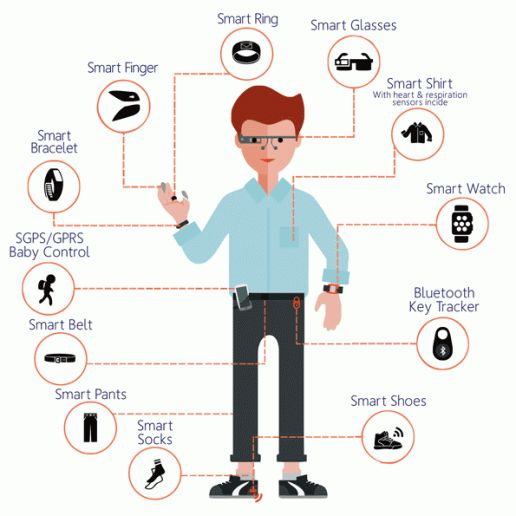
Have you ever wondered how a small device on your wrist or clipped to your clothes can track your health, boost your productivity, or even keep you connected without pulling out your phone? Wearable technology devices are changing the way you interact with the world around you.
But what exactly are these gadgets, and how can they make your life easier and more exciting? Keep reading to discover the surprising ways wearable tech can fit into your daily routine—and why you might want one sooner than you think.

Credit: tech.yahoo.com
Types Of Wearable Devices
Wearable technology devices come in many forms, designed to fit different lifestyles and needs. Each type offers unique features to help users stay connected, monitor health, or capture moments. Understanding these types helps choose the right device for daily use.
Fitness Trackers
Fitness trackers monitor physical activities like steps, distance, and calories burned. They often include heart rate sensors and sleep tracking. These devices encourage users to stay active and maintain healthy habits.
Smartwatches
Smartwatches combine the functions of a watch and a mini computer. They show notifications, track fitness, and support apps. Many models also allow calls and messages without a phone nearby.
Smart Glasses
Smart glasses provide hands-free access to information. They can display notifications, take photos, or record videos. Some models offer augmented reality features for enhanced experiences.
Wearable Cameras
Wearable cameras capture photos and videos from the user’s perspective. They are popular for sports and travel. These devices offer a unique way to record adventures without holding a camera.
Health Monitors
Health monitors track vital signs such as heart rate, blood pressure, and oxygen levels. They help users manage medical conditions and stay informed about their health. Some devices alert users to potential health issues.
Key Features Of Smart Gadgets
Understanding the key features of smart gadgets helps you choose the right wearable technology device for your needs. These features determine how effectively a device fits into your daily routine and supports your lifestyle. Let’s break down the essential aspects that make these devices smart and user-friendly.
Connectivity Options
Smart gadgets rely heavily on connectivity to sync data and communicate with other devices. Common options include Bluetooth, Wi-Fi, and NFC. Your choice depends on what you need—Bluetooth offers quick pairing with smartphones, while Wi-Fi enables direct internet access for updates and cloud syncing.
Think about how often you want your device to stay connected and what kind of data transfer speed you require. Would you prefer seamless integration with your phone or independent internet access?
Sensors And Tracking
Sensors are the heart of wearable devices. They track physical activities, health metrics, and environmental conditions. Accelerometers, heart rate monitors, GPS, and gyroscopes gather real-time data that helps you monitor fitness or stay aware of your surroundings.
Imagine tracking your runs with GPS while also monitoring your heart rate zones for better training. The accuracy and variety of sensors can make a significant difference in your experience.
User Interface
The user interface defines how you interact with your device. Touchscreens, buttons, voice commands, and even gesture controls are common options. A simple, responsive interface reduces frustration and encourages consistent use.
Consider whether you prefer tapping through menus or speaking commands when you’re on the move. How intuitive is the display in bright sunlight or during a workout?
Battery Life
Battery life is crucial for wearables since you expect them to work throughout your day without frequent charging. Some devices last a few hours, while others stretch to several days or even weeks. Battery performance often balances with features and display brightness.
Think about your daily routine—would you remember to charge every night, or do you need a device that lasts longer? Longer battery life means less hassle and more reliable tracking.
Design And Comfort
Since you wear these gadgets all day, comfort and design are non-negotiable. Materials, weight, and strap options impact how pleasant it feels on your wrist or body. A bulky device can quickly become annoying, while a sleek, lightweight design blends seamlessly with your style.
Ask yourself: Does this device feel good during long workouts or while sleeping? Can you personalize it with different bands or colors to match your look?
Benefits Of Wearable Technology
Wearable technology devices offer many benefits that improve daily life. They make health tracking easy and help users stay connected. These devices add convenience and provide useful information from data. Here are some key benefits of wearable technology.
Health And Fitness Monitoring
Wearables track steps, heart rate, and sleep patterns. They help users set and reach fitness goals. Monitoring health can detect problems early. This encourages a healthier lifestyle and better habits.
Enhanced Communication
Wearables allow quick access to calls and messages. Users stay connected without checking their phones. Notifications appear right on the wrist. This saves time and reduces distractions.
Convenience And Accessibility
Wearable devices are easy to use and carry. They provide hands-free access to apps and information. This convenience suits busy schedules and active lifestyles. Accessibility features support users with different needs.
Data Collection And Insights
Wearables collect detailed personal data. This helps users understand their habits and health trends. Insights guide better decisions and lifestyle changes. Data also supports doctors for improved care.
Challenges And Limitations
Wearable technology devices bring convenience and innovation to your daily life, but they are not without their hurdles. Understanding the challenges and limitations can help you make smarter choices about how to use these gadgets effectively. Let’s break down some of the key issues you might face.
Privacy Concerns
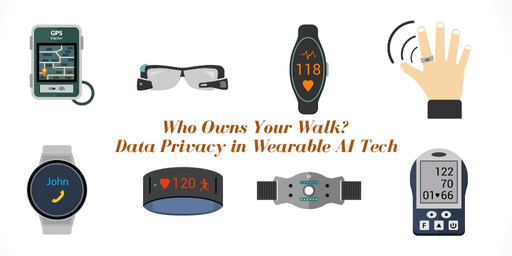
Wearables collect a lot of personal data, from your heart rate to your location. This raises serious questions about who has access to this information and how it’s protected. You might wonder: is my data safe, or could it be sold or hacked?
Some devices share information with third parties without clear user consent. Always check privacy policies and adjust your device settings to limit data sharing.
Battery Constraints
Battery life is a constant struggle with wearable devices. You may find yourself charging your gadget daily or even more often, which can be frustrating. This limitation affects the reliability of your device, especially when you depend on it throughout the day.
Choosing devices with longer battery life or using power-saving modes can help, but this often means sacrificing features or performance.
Accuracy Issues
Wearables often promise precise tracking of health and activity, but reality can fall short. Sensors may misread data due to movement, skin type, or environmental factors. This can lead to misleading information about your fitness or health status.
Ask yourself if you’re relying too much on the device’s numbers without cross-checking with other methods or professional advice.
Cost Factors
High-quality wearable devices can be expensive, and the price doesn’t stop at the initial purchase. You might face additional costs for apps, subscriptions, or accessories. This can make wearables less accessible and harder to justify financially.
Think about your budget and whether the device’s benefits outweigh the ongoing expenses. Sometimes, a simpler or older model might suit your needs better.
Popular Brands And Models
When choosing a wearable technology device, knowing the popular brands and models helps you find one that fits your lifestyle and needs. Each brand offers unique features and designs tailored for different users. Let’s look at some of the top names in the wearable tech market and what they bring to the table.
Apple
Apple’s wearable devices, especially the Apple Watch, are widely known for their sleek design and seamless integration with iPhones. You get features like heart rate monitoring, ECG, and workout tracking, plus access to a vast app ecosystem. If you use an iPhone, the Apple Watch can become an essential part of your daily routine, helping you stay connected and active.
Samsung
Samsung’s Galaxy Watch series stands out with its vibrant displays and compatibility with both Android and iOS devices. Samsung offers a variety of models, from fitness-focused watches to more classic smartwatch designs. They also include health tracking features, sleep monitoring, and even LTE versions for phone-free use.
Fitbit
Fitbit is a favorite for people who want straightforward fitness tracking without extra distractions. Their devices focus on step counting, sleep quality, and heart rate, making them perfect for fitness beginners or those wanting a lightweight option. Fitbit’s app provides clear insights, motivating you to improve your health every day.
Garmin
Garmin’s wearables are ideal if you’re serious about outdoor activities or sports. Their GPS accuracy and specialized features for running, cycling, and swimming can help you train smarter. Garmin devices often have long battery life, so you can focus on your adventure without worrying about charging.
Google’s Pixel Watch combines stylish design with Google’s smart assistant and health tracking capabilities. It integrates well with Android phones and offers helpful apps right on your wrist. If you want a smartwatch that blends everyday convenience with fitness features, this might be the right choice for you.

Credit: medium.com
Future Trends In Wearables
The future of wearable technology looks bright and full of exciting changes. Devices will become smarter, more comfortable, and better at helping us in daily life. New trends show how wearables will blend technology with fashion and health. These trends will shape how people use wearables in the coming years.
Ai Integration
Artificial intelligence will make wearables smarter. Devices will learn user habits and offer personalized advice. AI will help predict health issues before symptoms appear. Voice assistants will become more natural and responsive. This makes wearables more helpful and interactive.
Flexible And Smart Fabrics
Wearable devices will use fabrics that move with the body. These smart fabrics will have sensors woven inside. They will track health data without bulky gadgets. Clothes will monitor heart rate, temperature, and muscle activity. This innovation makes wearables more comfortable and easy to wear.
Improved Health Monitoring
Future wearables will track more health signs accurately. Blood pressure, oxygen levels, and hydration will be measured regularly. Continuous monitoring helps catch problems early. Devices will share data with doctors in real-time. This helps users manage health better and stay safe.
Augmented Reality Enhancements
Wearables will offer better augmented reality experiences. Glasses and contact lenses will show digital info over real life. This helps in navigation, gaming, and work tasks. AR wearables will become lighter and more stylish. They will blend technology with everyday vision seamlessly.
Choosing The Right Device
Choosing the right wearable technology device can shape your daily experience. Each device offers unique benefits based on how you plan to use it. Knowing what to consider helps you find a device that fits your lifestyle and needs perfectly.
Assessing Your Needs
Think about what you want the device to do. Are you tracking fitness, monitoring health, or receiving notifications? Some devices focus on sports and exercise, while others support daily tasks or health monitoring. Pinpoint your main purpose before making a choice.
Compatibility Considerations
Check if the device works well with your phone or other gadgets. Compatibility affects how smoothly your device syncs data and performs features. Some wearables work best with specific brands or operating systems. Confirm this to avoid issues.
Budget And Features
Set a budget that fits your finances. Devices vary widely in price and features. More expensive models often offer advanced health sensors or longer battery life. Balance the cost with the features you truly need to get the best value.
User Reviews And Support
Read user reviews to learn about real-life experiences. Reviews reveal pros and cons you might not see in product descriptions. Also, check the brand’s customer support quality. Good support helps solve problems quickly and makes ownership easier.
Credit: www.snva.com
Frequently Asked Questions
What Are Wearable Technology Devices?
Wearable technology devices are electronic gadgets worn on the body. They track health, fitness, and provide smart functions. Examples include smartwatches, fitness bands, and smart glasses.
How Do Wearable Devices Benefit Users?
Wearables help monitor health metrics like heart rate and sleep. They improve fitness tracking and enhance communication with notifications. They also provide convenience through hands-free access to data.
Are Wearable Technology Devices Safe To Use?
Yes, most wearable devices are safe when used properly. They comply with safety standards and use low-power signals. Users should follow manufacturer guidelines to avoid skin irritation or data privacy issues.
What Features Do Smartwatches Offer?
Smartwatches offer fitness tracking, notifications, GPS, and music control. They can make calls, send messages, and monitor health stats. Advanced models include ECG, blood oxygen, and sleep analysis.
Conclusion
Wearable technology devices are changing how we live and work. They offer convenience and ease in daily tasks. From fitness trackers to smartwatches, these gadgets provide useful insights. Health monitoring becomes simpler and more accessible. Users can track steps, heart rate, and sleep patterns.
Wearables also keep us connected with notifications. New innovations continue to emerge, enhancing their capabilities. These devices blend seamlessly into our lives. As technology advances, wearables will likely become even more integral. They hold promise for a smarter, healthier future.
With wearable technology, the possibilities are endless. Stay tuned for the next wave of innovations.
Leave a Reply