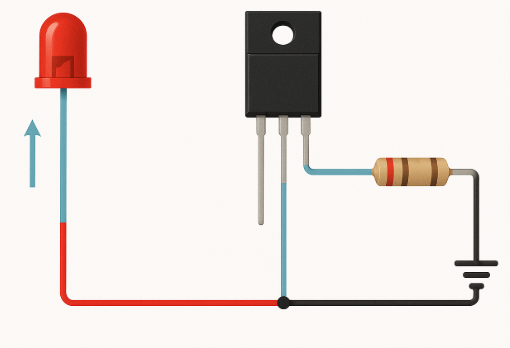
Have you ever wondered why some electronic parts need to be connected in a certain way to work properly? Understanding what best describes a polarized electronic component can save you from frustrating mistakes and broken circuits.
If you want to build or fix electronics confidently, knowing this key detail will make all the difference. Keep reading, and you’ll discover exactly what makes these components unique—and how to spot them every time.
Polarised Electronic Components
An electronic component that is polarised has a specific direction for current flow. Connecting it the wrong way can stop it from working or cause damage. Common examples include capacitors and diodes.
Polarised electronic components are crucial in modern electronics. They play a significant role in circuits. These components have a specific direction for current flow. Misplacing them can lead to malfunction or damage. Understanding these components is vital for anyone working with electronics.Definition And Importance
Polarised components have a marked orientation. They must be placed correctly in circuits. Incorrect placement can affect the device’s function. Their design ensures current flows in one direction. This property is essential for many electronic applications. Knowing their importance helps in building reliable circuits.Common Examples
Some common polarised components include:- Capacitors: Store and release electrical energy. They have positive and negative leads.
- Diodes: Allow current to flow in one direction. Used for rectifying AC to DC.
- LEDs: Emit light when current flows through them. Correct orientation is crucial.
- Batteries: Provide power to devices. They have a positive and a negative terminal.
Key Characteristics
Understanding the key characteristics of a polarised electronic component helps you avoid common pitfalls in circuit design. These components have specific requirements that, if ignored, can cause your project to malfunction or even damage parts. Let’s break down what makes these components unique and why you need to pay close attention to their orientation.
Directional Current Flow
Polarised components allow current to flow in one direction only. This directional flow is crucial because reversing it can stop the component from working or cause permanent damage.
Think about a diode, which acts like a one-way valve for electricity. If you put it backward, the circuit won’t complete, and your device may fail to operate as expected.
Voltage Polarity Requirements
These components have strict voltage polarity needs. Applying voltage incorrectly can lead to overheating, leakage, or total failure.
Take electrolytic capacitors, for example. They have a positive and a negative terminal, and swapping these can lead to a dangerous build-up of pressure inside the capacitor.
Impact On Circuit Function
Ignoring polarity can disrupt the entire circuit’s performance. A small mistake in orientation can cause big headaches, such as shorts or erratic behavior.
Have you ever experienced a circuit that just wouldn’t work until you flipped a component around? That’s the direct effect of polarity in action, showing how critical it is to get it right the first time.
Types Of Polarised Components
Polarised electronic components have a specific orientation in a circuit, meaning their positive and negative terminals must be connected correctly. If you reverse their polarity, these components can fail or even get damaged. Knowing the types of polarised components helps you handle them carefully and avoid costly mistakes.
Capacitors
Capacitors store electrical energy, but not all capacitors are polarised. Electrolytic capacitors, for example, have a positive and a negative terminal that must be connected properly.
Connecting an electrolytic capacitor backward can cause it to leak, overheat, or explode. You’ll often see a stripe or a minus sign marking the negative terminal for easy identification.
Diodes
Diodes allow current to flow in one direction only. This makes them inherently polarised because reversing their connection blocks the current or damages the diode.
One common example is the LED (Light Emitting Diode), which lights up only when connected the right way. A simple question to consider: Have you ever tried to light up an LED only to find it won’t turn on? Most likely, it was connected in reverse.
Transistors
Transistors control current flow and amplify signals. They have three terminals—emitter, base, and collector—that must be connected correctly for the device to work.
Mixing up these terminals can stop your circuit from working or even harm the transistor. Identifying these terminals on different transistor types, such as NPN or PNP, is crucial for successful circuit design and repair.

Credit: www.ic-components.com
Identifying Polarisation
Identifying polarisation in electronic components helps ensure correct installation and operation. Polarised components have a specific direction for current flow. Installing them incorrectly can cause damage or failure. Recognising polarisation signs is essential for anyone working with electronics.
Markings And Symbols
Polarised components often have clear markings to show direction. Common symbols include plus (+) and minus (−) signs. These indicate positive and negative terminals. Some components use arrows or lines to mark polarity.
- Capacitors usually show a stripe on the negative side.
- Diodes have a line indicating the cathode.
- LEDs may have a flat edge or longer leg for positive.
These markings guide correct placement on circuits. Always check labels before soldering or connecting parts.
Physical Features
Many polarised components have distinct physical traits. These features help identify polarity without extra tools. For example, diode cathodes have a band around one end. Electrolytic capacitors have a longer lead for positive.
Some LEDs have one leg longer than the other. The longer leg is usually the anode (positive side). The body shape might also differ on one end, showing polarity.
| Component | Physical Feature Indicating Polarity |
|---|---|
| Electrolytic Capacitor | Longer lead is positive; stripe on negative side |
| Diode | Band marking cathode end |
| LED | Longer lead is anode; flat edge on cathode side |
Knowing these features helps avoid mistakes and protects circuits from damage.
Consequences Of Incorrect Polarity
Incorrect polarity in electronic components causes serious problems. Polarised components depend on correct direction for proper function. Reversing polarity can lead to damage or failure.
Component Damage
Applying wrong polarity may burn out parts inside the component. Capacitors can leak or explode under reverse voltage. Diodes and transistors may stop working permanently. This damage often requires replacing the entire component.
Circuit Malfunction
Wrong polarity disrupts the flow of electricity in circuits. It can cause unexpected behavior or no operation at all. Some circuits might draw too much current, leading to further damage. This makes troubleshooting difficult and extends repair time.

Credit: pubs.acs.org
Handling And Installation Tips
Handling and installing polarized electronic components requires careful attention to their orientation and sensitivity. These components, such as electrolytic capacitors, diodes, and LEDs, only function correctly when connected the right way. Incorrect installation can cause device failure or damage, so understanding proper techniques is essential for your projects.
Best Practices
- Check polarity markings:Always identify the positive (+) and negative (−) leads before installation. Most polarized components have clear markings or longer leads to guide you.
- Use the right tools:Employ anti-static wrist straps and ESD-safe mats to protect sensitive parts from static electricity. This precaution helps avoid unseen damage during handling.
- Double-check orientation:Before soldering, place the component on the board and verify its direction. This step prevents costly rework or component destruction.
- Handle with care:Avoid bending leads excessively or applying too much force. Gentle handling ensures the component’s internal structure remains intact.
- Follow datasheets:Refer to manufacturer guidelines for voltage ratings and pin configurations. Datasheets often include crucial installation tips that can save you trouble later.
Common Mistakes To Avoid
- Ignoring polarity signs:Installing a capacitor or diode backward can lead to leaks, short circuits, or even explosions. Have you ever experienced a capacitor popping out unexpectedly? That usually means it was reversed.
- Skipping visual inspection:Rushing through installation without checking leads and board markings leads to errors. Taking a moment to inspect can save hours of troubleshooting.
- Applying excessive heat:Prolonged soldering can damage sensitive components. Use a temperature-controlled soldering iron and work quickly to avoid overheating.
- Mixing polarized and non-polarized parts:Treating all components the same way causes confusion. Recognize which parts need orientation and which don’t.
- Neglecting static precautions:Static discharge can silently ruin components before you even power the circuit. Have you ever wondered why a perfectly soldered board fails? Static damage might be the culprit.
Credit: www.mdpi.com
Frequently Asked Questions
What Is A Polarised Electronic Component?
A polarised electronic component has a specific positive and negative terminal. Correct orientation is crucial for its proper function and to prevent damage.
Why Are Some Electronic Components Polarised?
Polarisation ensures current flows in one direction only. It helps components like diodes and electrolytic capacitors work correctly in circuits.
How To Identify Polarised Components?
Look for markings like plus (+) or minus (-) signs. Component datasheets and symbols also indicate polarity clearly.
What Happens If Polarised Components Are Reversed?
Reversing polarity can cause malfunction or permanent damage. It may lead to circuit failure or component overheating.
Conclusion
A polarised electronic component has a clear positive and negative side. It must connect correctly to work well. Reversing its position can cause damage or failure. Common examples include capacitors and diodes. Knowing how to identify these parts helps in building circuits safely.
Always check the markings before installing. This simple step ensures your device runs smoothly and lasts longer. Understanding polarisation makes electronics easier and safer to handle.
Leave a Reply