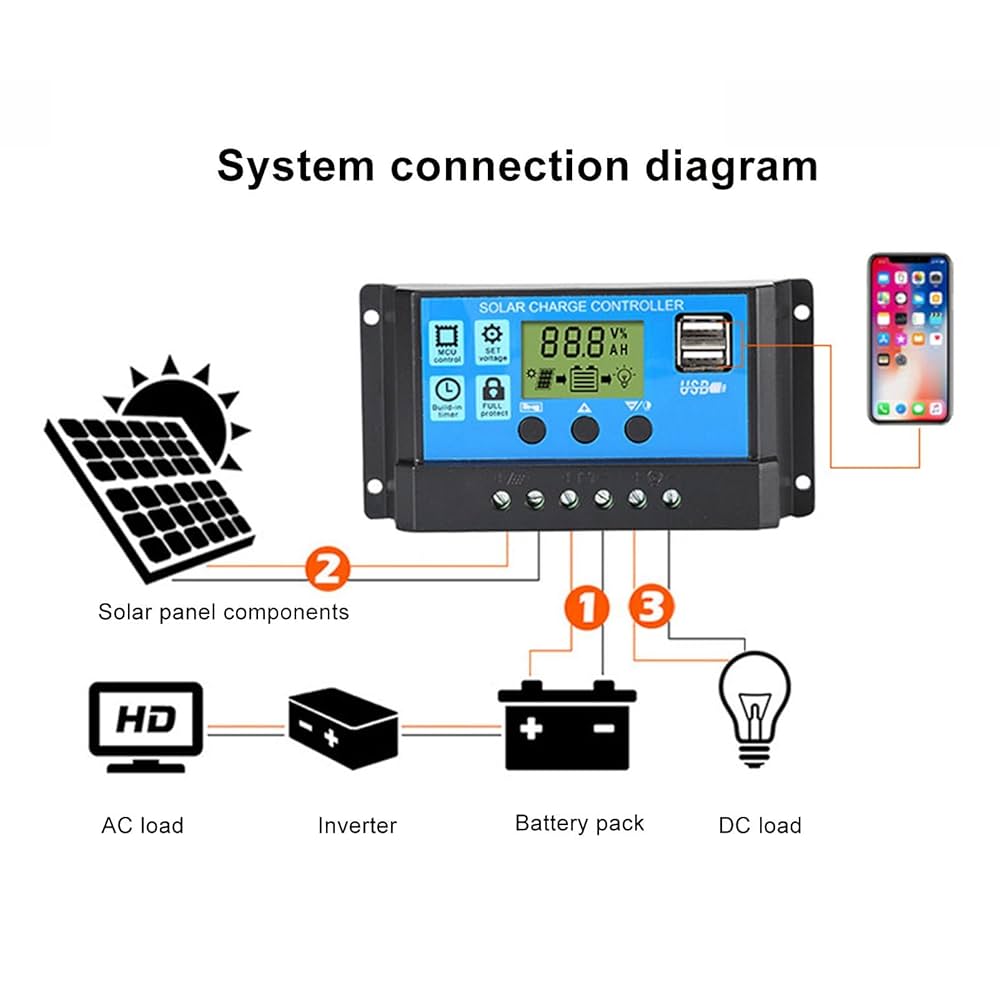
Are you ready to power your devices using the sun? Charging your electronics with solar panels is a smart, eco-friendly way to stay connected without relying on the grid.
But what exactly do you need to make it work? Understanding the key components that turn sunlight into usable energy for your gadgets can save you time, money, and frustration. You’ll discover the essential parts that bring solar power to life, so you can confidently set up your own solar charging system and enjoy the freedom it offers.
Keep reading to unlock the secrets behind efficient, reliable solar charging for your electronics.

Credit: thecabindepot.ca
Solar Panels
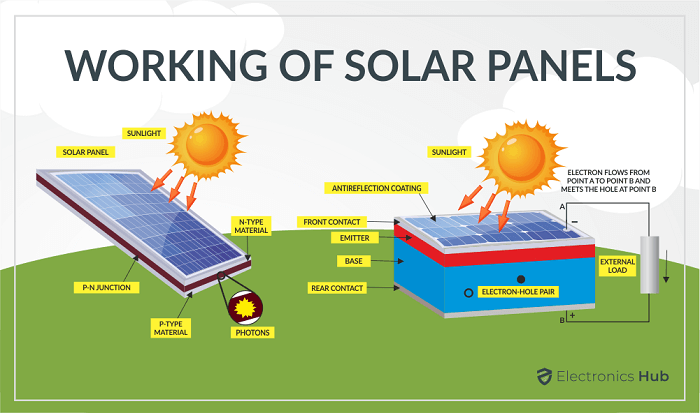
Solar panels are the heart of any solar charging system. They capture sunlight and turn it into electricity. This electricity powers your devices or charges batteries for later use. Choosing the right solar panel affects how well your system works. Understanding types and selection helps you get the best results.
Types Of Solar Panels
There are three main types of solar panels used for charging electronics:
- Monocrystalline:Made from pure silicon, they are efficient and last long.
- Polycrystalline:Made from multiple silicon crystals, they cost less but have lower efficiency.
- Thin-Film:Lightweight and flexible, but less efficient and degrade faster.
Each type suits different needs and budgets. Efficiency, size, and durability vary among them.
Selecting The Right Solar Panel
Choose a solar panel based on your power needs and space available. Check the wattage to match your device requirements. Consider the panel’s size for easy placement. Look for durable materials for outdoor use. Make sure it comes with good customer support and warranty. A well-chosen panel saves money and charges devices faster.
Charge Controller
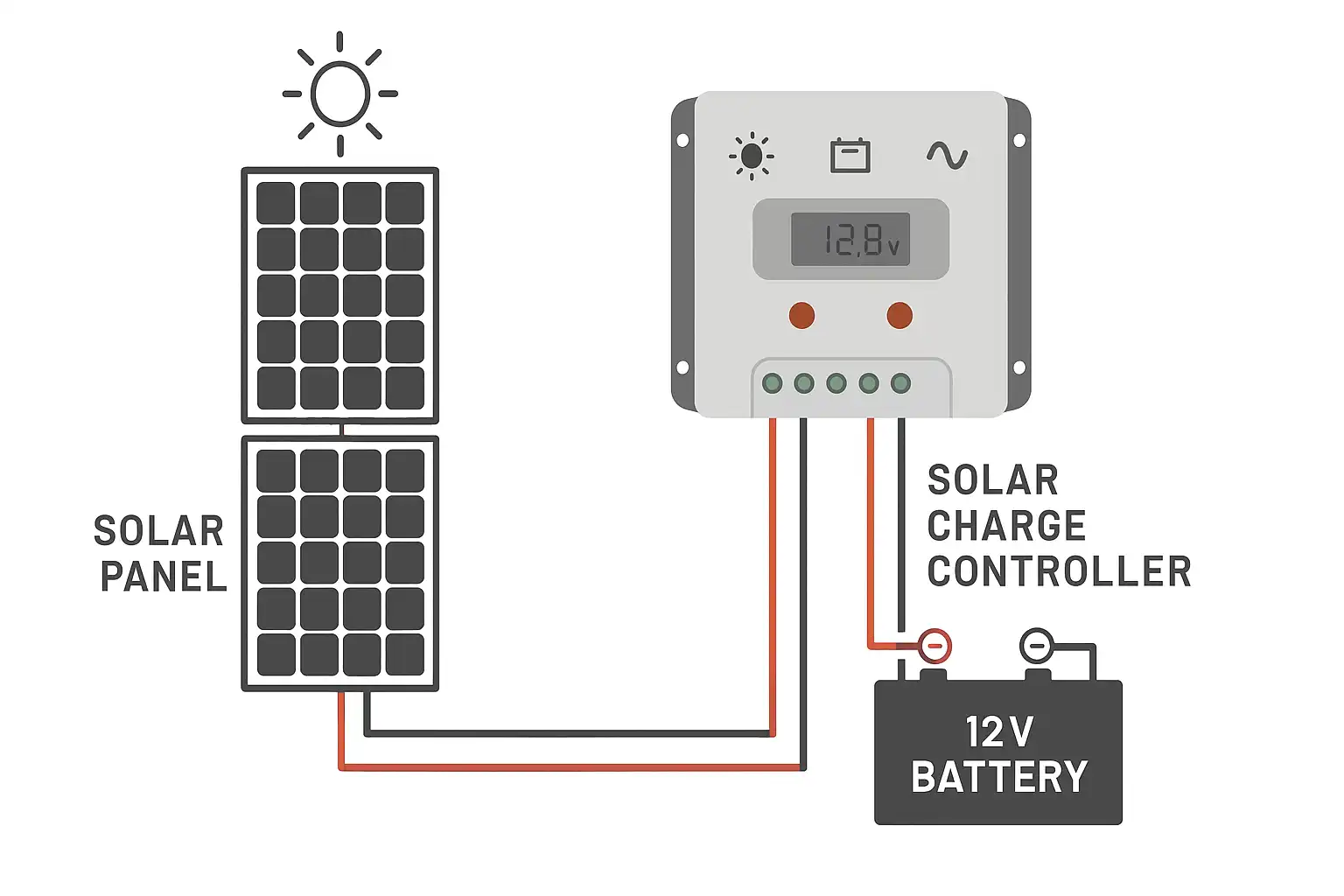
A charge controller is an essential part of your solar charging setup. It acts as the middleman between your solar panels and your battery or device. Without it, your batteries could be damaged by overcharging or discharging too much.
I once tried charging a battery directly from solar panels, thinking it would save time and money. The battery quickly overheated and lost capacity. That experience taught me the real value of a good charge controller.
Functionality Of Charge Controllers
The main job of a charge controller is to regulate the voltage and current coming from your solar panels. It ensures your batteries receive the right amount of power without overcharging.
Besides protecting your batteries, a charge controller also prevents reverse current flow. This means energy won’t drain back into the solar panels during the night or low sunlight.
Some advanced controllers even optimize the charging process to extend battery life and improve efficiency. They adjust the charging rate based on battery temperature and state of charge.
Types Of Charge Controllers
You’ll find mainly two types of charge controllers: PWM (Pulse Width Modulation) and MPPT (Maximum Power Point Tracking).
- PWM Controllers:These are simpler and usually cheaper. They work by reducing the voltage of the solar panel to match the battery voltage, which can cause some energy loss.
- MPPT Controllers:These are more efficient and smarter. MPPT controllers track the best voltage point of the solar panel to get the maximum power output and convert it to the battery’s voltage.
Choosing between PWM and MPPT depends on your budget and system size. If you have a small setup, a PWM controller might be enough. For larger or more complex systems, MPPT controllers can save you more energy and money over time.
Battery Storage
Battery storage is a crucial part of charging electronics from solar panels. It stores the energy collected during the day so you can use it anytime, even when the sun isn’t shining. Without a reliable battery, your solar setup won’t provide consistent power, making your devices vulnerable to outages.
Choosing The Right Battery
Picking the right battery depends on how much power you need and how often you want to use it. Lithium-ion batteries are popular because they last longer and charge faster, but they can be pricier upfront. Lead-acid batteries cost less and work well for basic setups, but they require more maintenance and have shorter lifespans.
Think about your daily energy use. How many devices do you want to charge at once? Also, consider the battery’s capacity, measured in amp-hours (Ah), to match your power needs. Choosing the wrong size can lead to frequent recharging or insufficient power when you need it most.
Battery Maintenance Tips
Keeping your battery in good shape extends its life and keeps your electronics powered reliably. Regularly check the battery terminals for corrosion and clean them with a mixture of baking soda and water if needed. Make sure the battery stays within recommended temperature ranges to avoid damage.
Don’t let your battery fully discharge often—it can drastically reduce its lifespan. Instead, aim to recharge it before it drops below 20%. If you use lead-acid batteries, topping off the water levels occasionally is important, but lithium-ion batteries require much less upkeep.
Inverter
The inverter is a crucial part of a solar power system. It changes the electricity from the solar panels into a form that your devices can use. Solar panels create direct current (DC) electricity. Most home electronics work on alternating current (AC). The inverter converts DC to AC, making your power compatible and safe.
Purpose Of An Inverter
The main role of an inverter is to convert DC electricity to AC electricity. This allows you to use solar energy for your household electronics. It also controls the power quality and voltage level. The inverter can protect your devices from power surges. It ensures smooth and reliable energy flow from solar panels to your gadgets.
Types Of Inverters
- String Inverters:Connect several solar panels in series. They are cost-effective and common for home use.
- Microinverters:Installed on each solar panel. They improve performance if panels get shade or dirt.
- Hybrid Inverters:Work with solar panels and batteries. They manage energy storage and supply efficiently.
- Central Inverters:Used for large solar setups. They handle high power from many panels.
Cables And Wiring
Cables and wiring are the lifelines connecting your solar panels to your electronic devices. Without the right cables, the energy your panels generate won’t reach your gadgets efficiently or safely. Choosing the right wiring ensures your system runs smoothly and protects your equipment from damage.
Choosing The Right Cables
Not all cables are created equal, especially when dealing with solar power. You need cables that can handle the voltage and current your solar setup produces. Typically, thicker cables with lower gauge numbers carry more current safely.
Look for cables rated for outdoor use since solar panels are usually exposed to weather. UV-resistant and waterproof insulation will keep your wiring intact over time. Also, consider the length of the cable—longer runs require thicker cables to prevent energy loss.
Have you ever noticed your phone charger cable heating up? That’s a sign the cable isn’t right for the current it’s carrying. Avoid this issue by matching your cable size to your system’s power output.
Safety Considerations
Safety is critical when wiring solar panels. Improper wiring can lead to shorts, fires, or damage to your devices. Always use cables with proper insulation and connectors rated for solar use.
Make sure to secure all connections tightly and avoid loose or exposed wires. Use fuses or circuit breakers to protect your system from overcurrent situations. Remember, even a small mistake in wiring can cause significant hazards.
Have you checked the wiring in your solar setup recently? Regular inspections can catch wear and tear early, preventing accidents. Keeping your cables neat and organized also reduces the risk of accidental damage or tripping hazards.
Credit: zhcsolar.com
Mounting And Racking Systems
Mounting and racking systems hold solar panels in place, ensuring they face the sun correctly. They provide stability against wind and weather. Proper mounting helps maximize energy capture. These systems vary by installation type and location. Choosing the right system improves solar panel efficiency and lifespan.
Types Of Mounting Systems
- Roof Mounts:Attached directly to rooftops. Common for residential setups.
- Ground Mounts:Installed on the ground with poles or frames. Ideal for open spaces.
- Pole Mounts:Panels fixed to a single pole. Allows easy adjustment of panel angle.
- Tracking Systems:Move panels to follow the sun. Boost energy output significantly.
Installation Tips
- Ensure the mounting system matches your panel size and weight.
- Check roof or ground structure for strength and stability.
- Keep panels tilted at the correct angle for your location.
- Use corrosion-resistant materials for long-lasting performance.
- Secure all bolts and fasteners tightly to prevent movement.
- Follow local building codes and regulations during installation.
Monitoring Systems
Monitoring systems play a crucial role when charging electronics from solar panels. They help you keep track of how much energy your system produces and consumes, ensuring everything runs smoothly. Without monitoring, you might miss signs of underperformance or inefficiencies that could cost you time and money.
Benefits Of Monitoring Systems
Monitoring systems give you real-time insights into your solar setup’s performance. You can spot drops in energy production early and take action before problems worsen. This not only protects your investment but also helps you maximize energy efficiency.
Another advantage is the ability to track your energy usage patterns. This helps you adjust your consumption habits to get the most out of the solar power generated. Plus, some systems send alerts to your phone or computer, so you don’t have to check constantly.
Have you ever wondered if your solar panels are working at full capacity? Monitoring systems answer that question clearly, removing guesswork and helping you plan better for your energy needs.
Popular Monitoring Solutions
There are many monitoring options available, ranging from simple meters to advanced smart systems. Some popular solutions include:
- SolarEdge Monitoring:Offers detailed data on panel-level performance and system health.
- Enphase Enlighten:Provides easy-to-understand visuals and mobile app access for quick status checks.
- Midnite Solar Classic:Known for its robust data logging and compatibility with various components.
- Victron Energy Color Control GX:Integrates monitoring with battery management and inverter systems.
Choosing the right monitoring system depends on your setup size, budget, and how much detail you want. Would you prefer a simple overview or a deep dive into every panel’s output? Your answer guides the best choice for your solar charging system.
Credit: medium.com
Maintenance And Troubleshooting
Proper maintenance and quick troubleshooting keep your solar charging system working well. Small checks prevent big problems. Knowing simple fixes saves time and money.
Routine Maintenance Tips
- Clean solar panels regularly with soft cloth and water.
- Remove dust, leaves, and debris from panels.
- Check all cables for wear and secure connections.
- Inspect battery terminals for corrosion and clean if needed.
- Ensure charge controller settings match your battery type.
- Test battery voltage monthly to track health.
- Keep panels free from shade for best sunlight exposure.
Common Troubleshooting Techniques
- Check if panels produce expected voltage under sunlight.
- Verify all wires are connected tightly and correctly.
- Reset the charge controller if charging stops.
- Test battery with a multimeter for low charge or damage.
- Replace blown fuses or faulty breakers in the system.
- Look for error codes on charge controllers and consult manual.
- Check device settings to ensure compatibility with solar output.
Frequently Asked Questions
What Components Are Essential For Solar Charging Systems?
A solar charging system needs solar panels, a charge controller, a battery, and an inverter. These parts work together to capture, store, and convert solar energy into usable power for electronics.
Why Is A Charge Controller Needed With Solar Panels?
A charge controller regulates the voltage and current from solar panels. It prevents battery overcharging, ensuring safe and efficient energy storage and prolonging battery life.
How Does A Battery Help In Solar Charging Setups?
The battery stores energy generated by solar panels for use when sunlight is unavailable. It provides a steady power supply to electronics, ensuring continuous operation.
What Role Does An Inverter Play In Solar Charging?
An inverter converts stored DC power from batteries into AC power. This AC power is compatible with most household electronics and devices.
Conclusion
Solar panels need several parts to charge electronics well. A panel collects sunlight and turns it into power. A charge controller keeps the battery safe from too much energy. The battery stores power for use when the sun is not out.
An inverter changes power to the type your devices need. All these parts work together to keep your electronics running. Understanding each component helps you build a reliable solar charging system. Simple steps can lead to clean, free energy for your gadgets.
Leave a Reply