Are you curious about which consumer electronics fall under the German WEEE EPR law? Understanding this can save you time, money, and legal trouble.
Whether you’re a business owner, retailer, or simply someone who wants to stay informed, knowing exactly what devices are covered helps you make smarter decisions. You’ll discover the key categories of electronics regulated by this law and how it affects you directly.
Keep reading to uncover everything you need to know about German WEEE EPR compliance.

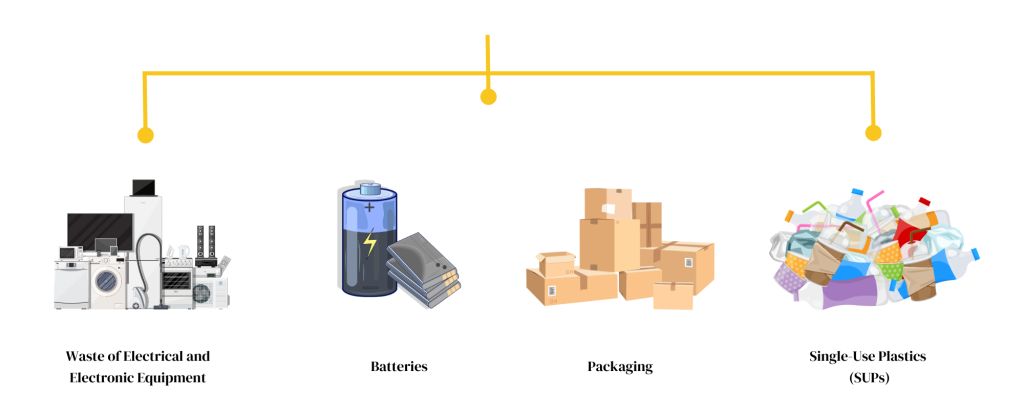
Credit: tbaglobal.com
Scope Of German Weee Epr Law
The scope of the German WEEE (Waste Electrical and Electronic Equipment) EPR (Extended Producer Responsibility) law defines which consumer electronics fall under its rules. This law aims to reduce electronic waste by holding producers responsible for the collection, treatment, and recycling of their products. Knowing exactly which devices are covered helps you understand your role as a consumer or business in managing electronic waste properly.
Categories Of Covered Electronics
The German WEEE EPR law covers a wide range of electronic products. These are grouped into specific categories to simplify compliance and enforcement. Here are the main categories:
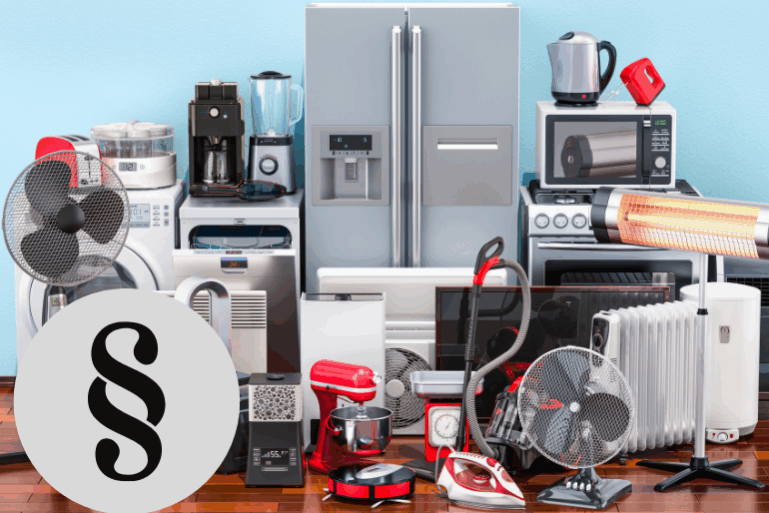
- Large Household Appliances:Refrigerators, washing machines, ovens, and similar items.
- Small Household Appliances:Toasters, vacuum cleaners, coffee makers, and hairdryers.
- IT and Telecommunications Equipment:Computers, printers, smartphones, and routers.
- Consumer Electronics:Televisions, radios, cameras, and audio equipment.
- Lighting Equipment:Fluorescent lamps, LED bulbs, and other lighting devices.
- Electrical and Electronic Tools:Drills, saws, lawnmowers, and other power tools.
- Toys, Leisure, and Sports Equipment:Electric trains, video games, and fitness machines.
- Medical Devices:Except for all implanted and infected products.
- Monitoring and Control Instruments:Smoke detectors, thermostats, and measuring devices.
- Automatic Dispensers:Vending machines and ATM machines.
Each category requires producers to register, report, and finance the recycling of the products they place on the German market.
Exempted Devices
Not all electronics fall under the German WEEE EPR law. Certain devices are exempt due to their specific nature or existing regulations.
- Large-scale stationary industrial tools:Machines fixed in a factory setting that are not usually disposed of as waste by consumers.
- Military equipment:Devices intended exclusively for national defense.
- Means of transport:Such as cars, trains, and airplanes, covered by other waste regulations.
- Electrical components:When incorporated into other products and not sold separately.
- Non-electrical products:Items without electrical or electronic functions.
Understanding these exemptions helps you avoid confusion and ensures you focus on the correct products for recycling and disposal.
Have you checked if your old electronics are covered or exempt? This simple step can save you from improper disposal and potential fines.
Credit: deutsche-recycling.com
Consumer Electronics Included
The German WEEE EPR law covers a wide range of consumer electronics. These products must be properly collected and recycled. Understanding which electronics fall under this law helps businesses and consumers comply easily. The law focuses on devices used in homes and offices. It aims to reduce electronic waste and protect the environment.
Household Appliances
Household appliances include many common devices found in homes. Examples are refrigerators, washing machines, and microwaves. Small appliances like toasters and coffee makers are also covered. These items contain materials that can harm the environment if not recycled. The law ensures these appliances are properly disposed of and recycled.
It And Telecommunications Equipment
This category covers computers, laptops, and tablets. Printers and scanners are included too. Mobile phones and other communication devices fall under this section. These electronics often contain valuable metals and plastics. Proper recycling reduces waste and recovers useful materials.
Audio And Video Devices
Audio and video devices like televisions and radios are part of the law. DVD players, cameras, and speakers are included as well. These products contain electronic components that need safe handling. Recycling these devices helps prevent harmful substances from polluting the environment.
Obligations For Producers
Producers of consumer electronics face clear obligations under the German WEEE EPR law. These rules are designed to make sure manufacturers take responsibility for the entire lifecycle of their products. Understanding these duties helps you stay compliant and avoid penalties.
Registration Requirements
If you produce or import electronic devices into Germany, you must register with the national WEEE register. This applies to all types of consumer electronics covered under the law, from smartphones to household appliances.
Registration isn’t a one-time task—you need to update your details regularly. This keeps the registry accurate and reflects any changes in your product range or business structure. Have you checked your registration status lately?
Reporting And Documentation
Producers must submit detailed reports on the quantities and types of electronic waste they place on the market. This includes data on sales volumes and how much waste is collected and recycled.
Keeping precise documentation isn’t just about ticking boxes. It helps you track your environmental impact and plan better recycling strategies. Imagine the advantage of having clear insights into your product’s end-of-life process.
Failing to report accurately can lead to fines and damage your reputation. Are you maintaining your records in a way that makes reporting straightforward and reliable?
Collection And Recycling Targets
The German WEEE EPR law sets clear goals for collecting and recycling electronic waste. These targets aim to reduce pollution and encourage reuse of valuable materials. Companies and consumers both play a key role in meeting these goals. Understanding collection and recycling targets helps everyone contribute to a cleaner environment.
Collection Schemes
Collection schemes are organized systems to gather used electronics from consumers. They include:
- Drop-off points at retail stores and recycling centers
- Special collection events for electronic waste
- Take-back programs managed by manufacturers and distributors
- Municipal waste collection services for small electronics
These schemes ensure electronic waste does not end up in landfills. They improve the return rate of devices, making recycling easier and more efficient.
Recycling Standards
Recycling standards define how electronic waste must be processed. The law requires:
- Safe removal of hazardous materials like lead and mercury
- Recovery of valuable resources such as metals and plastics
- Use of environmentally friendly recycling technologies
- Documentation and reporting of recycling results by companies
These standards protect the environment and human health. They also support the circular economy by turning waste into new products.
Impact On Retailers And Consumers
The German WEEE EPR law reshapes how retailers and consumers handle electronic waste. It aims to reduce pollution and promote recycling. Retailers and consumers must now play active roles in managing old electronics. This law impacts the sale, return, and disposal of devices covered under the regulation. Understanding these changes helps everyone follow the rules and protect the environment.
Take-back Responsibilities
Retailers have clear duties to collect old electronics from consumers. They must offer free take-back services for devices of the same type sold. Small stores with less floor space may rely on centralized collection points. Larger retailers often provide in-store drop-off areas for used products. This system ensures more electronics are recycled properly and do not end up in landfills.
Retailers must inform customers about take-back options. They also keep records of collected waste for reporting. The law encourages retailers to cooperate with certified recycling companies. This cooperation supports a smoother recycling process and reduces illegal disposal risks.
Consumer Awareness
Consumers need clear information on how to dispose of old electronics. The law requires retailers to share easy-to-understand guidance. This includes signs in stores and instructions on websites. People learn which products can be returned and where to drop them off.
Awareness campaigns help consumers understand the environmental benefits of recycling. They also highlight the legal obligations under the WEEE EPR law. Increased knowledge leads to higher participation in take-back programs. This contributes to better waste management and resource recovery.
Recent Updates And Amendments
The German WEEE EPR law has recently seen key updates and amendments. These changes aim to improve electronic waste management. They also ensure better compliance and coverage of consumer electronics.
The updates affect product categories and compliance rules. Understanding these changes is crucial for manufacturers and distributors. It helps them meet legal requirements and avoid penalties.
New Product Categories
The law now includes more types of consumer electronics. It covers items that were previously excluded or unclear. New categories include:
- Small household appliances like electric kettles and toasters
- Electronic toys and leisure equipment
- Smart home devices such as thermostats and security cameras
- Wearable technology like fitness trackers and smartwatches
This broader coverage encourages proper recycling and disposal. It also increases producer responsibility for these products.
Changes In Compliance Rules
Compliance rules have become stricter and more detailed. Producers must register products with national authorities before market launch. They also need to report sales volumes regularly.
Producers must finance collection and recycling programs. Proof of proper disposal is mandatory. Penalties for non-compliance have increased to ensure accountability.
These changes push for higher transparency and environmental care. Businesses must stay updated to avoid risks and fines.
Credit: deutsche-recycling.com
Frequently Asked Questions
What Types Of Electronics Fall Under German Weee Epr Law?
German WEEE EPR law covers household appliances, IT equipment, consumer electronics, lighting, and electrical tools. It includes products like TVs, computers, refrigerators, and phones. This ensures proper recycling and waste management of these electronic items in Germany.
How Does Weee Epr Affect Consumer Electronics Manufacturers?
Manufacturers must register with German authorities and finance recycling programs. They are responsible for collecting and properly disposing of electronic waste. Compliance helps reduce environmental impact and promotes sustainable product life cycles.
Are Small Electronic Devices Included In The German Weee Law?
Yes, small devices such as cameras, electric shavers, and handheld tools are included. The law applies to all sizes of consumer electronics to ensure comprehensive waste management and environmental protection.
What Responsibilities Do Retailers Have Under German Weee Epr?
Retailers must inform consumers about disposal options and accept old electronics for recycling. They act as collection points to facilitate proper electronic waste handling and support the circular economy.
Conclusion
Understanding the German WEEE EPR law helps in managing electronics. It covers various consumer electronics, ensuring responsible disposal. Knowing these regulations benefits businesses and the environment. Compliance is key to avoiding penalties. Stay informed about which electronics fall under this law.
Proper recycling supports sustainability efforts. It’s essential for manufacturers and retailers to adhere to these guidelines. This ensures a healthier planet for future generations. Awareness of this law promotes eco-friendly practices. Always check updates to stay compliant. Embrace this knowledge for better business operations.
Leave a Reply