Have you ever wondered what consumer electronics really mean and how they fit into your daily life? From the smartphone in your hand to the TV in your living room, these gadgets shape how you work, relax, and connect.
Understanding what consumer electronics are can help you make smarter choices when buying new devices and get the most out of the technology you already own. Keep reading to discover what consumer electronics truly involve and why they matter to you.
Consumer Electronics Basics
Consumer electronics are devices used daily for entertainment, communication, and work. These include items like smartphones, TVs, and headphones. They make life easier by connecting people and providing information quickly.
Consumer electronics have become an integral part of our daily lives. From the smartphone you can’t live without, to the TV that brings your favorite shows to life, these gadgets simplify tasks and entertain us. But what exactly falls under the umbrella of consumer electronics?Key Categories
Consumer electronics are usually divided into several key categories that most of us are familiar with. These include audio devices like headphones and speakers, visual devices such as televisions and projectors, and communication gadgets like smartphones and tablets. Home appliances, like microwaves and washing machines, also fit into this category. Each of these plays a distinct role in enhancing your lifestyle and comfort.Common Features
Many consumer electronics share common features that make them appealing and user-friendly. Connectivity is a major feature, with most devices now having Wi-Fi or Bluetooth capabilities. Portability is another key aspect, as people love devices they can carry around easily, like tablets or wireless earbuds. Smart technology is increasingly prevalent, turning ordinary appliances into smart gadgets that you can control with a simple voice command or a tap on your smartphone.Market Trends
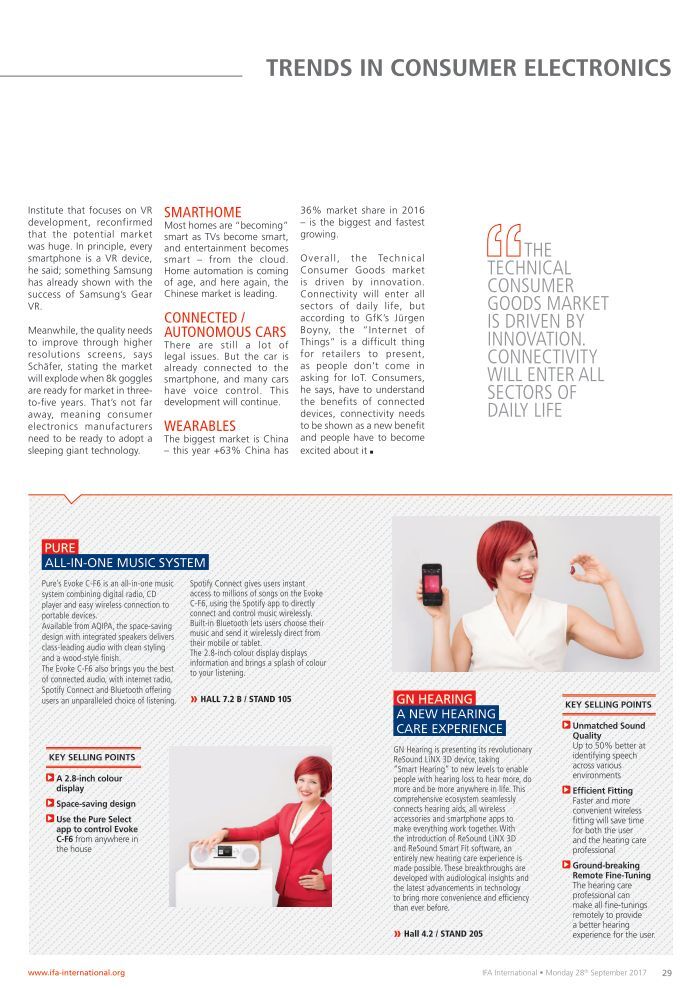
The consumer electronics market constantly evolves, driven by innovation and changing consumer needs. One of the biggest trends is the rise of smart home devices, which offer convenience and energy efficiency. Wearable technology, like fitness trackers and smartwatches, is also gaining popularity as people focus more on health and fitness. With the increase in remote work, there’s a surge in demand for home office gadgets like webcams and ergonomic keyboards. Have you ever thought about how much your daily routine depends on these electronics? Whether it’s brewing your morning coffee or streaming a movie at night, consumer electronics play an essential role in shaping your day. So next time you pick up your smartphone or turn on your TV, take a moment to appreciate the technology that makes it all possible.
Credit: www.batterytender.com
Smart Gadgets Defined
Smart gadgets have changed the way we interact with technology daily. These devices do more than just perform a single task; they adapt, learn, and connect with other technology to make life easier. Understanding what makes a gadget “smart” helps you see why these tools are becoming essential in homes and workplaces.
What Makes A Gadget Smart
A smart gadget is designed to do more than basic functions. It includes sensors, software, and processors that allow it to collect data and respond intelligently.
Think about a thermostat that learns your schedule and adjusts the temperature automatically. It’s not just controlling heat; it’s making decisions based on your habits.
Smart gadgets often improve over time through updates, making them more useful the longer you have them. Have you noticed your phone or watch getting better with new software? That’s the power of smart technology.
Connectivity Options
One key feature of smart gadgets is their ability to connect to other devices and networks. This connection can be through Wi-Fi, Bluetooth, or even cellular networks.
This connectivity lets gadgets share information and work together. For instance, your smartwatch can sync with your phone to show notifications or track your fitness without needing a separate interface.
Without connectivity, a gadget might be “smart” but limited. How often do you use apps or devices that need to be online to unlock their full potential?
Integration With Iot
Smart gadgets become even more powerful when integrated into the Internet of Things (IoT) ecosystem. IoT connects multiple devices to create a network that shares data and automates tasks.
Imagine your fridge telling you when you’re low on milk or your lights turning off automatically when you leave the house. These are examples of IoT working behind the scenes.
IoT integration means your gadgets don’t just work alone; they become part of a larger system that can improve efficiency and convenience in your daily routine. How could your daily life change if all your devices communicated seamlessly?
Popular Smart Devices
Popular smart devices are a big part of consumer electronics today. These gadgets make life easier and more fun. They connect us, help us work, and keep us entertained. Many people use smart devices every day without even thinking about it. Let’s explore some of the most common types.
Smartphones And Tablets
Smartphones and tablets are the most popular smart devices. They let people call, text, and browse the internet. These devices run apps for social media, games, and work. Tablets are larger and often used for reading or watching videos. Both offer touch screens and easy portability.
Wearable Technology
Wearable technology includes smartwatches and fitness trackers. These devices monitor health, steps, and sleep. They sync with smartphones to show notifications. Many wearables track heart rate and activity levels. People use them to stay fit and connected without carrying phones.
Smart Home Devices
Smart home devices control lights, thermostats, and security systems. Voice assistants like Alexa or Google Home are popular. They respond to voice commands and help manage daily tasks. Smart plugs and cameras add convenience and safety to homes. These devices make homes more comfortable and energy-efficient.

Credit: www.consumerelectronicstestdevelopment.com
Benefits Of Smart Electronics
Smart electronics bring many benefits to everyday life. These devices connect to the internet and other devices. They offer control, automation, and new ways to interact with technology. Smart electronics make homes and workplaces easier to manage and more efficient. Here are some key benefits of using smart electronics.
Enhanced Convenience
Smart electronics simplify daily tasks. You can control devices using your voice or smartphone. Lights, thermostats, and appliances adjust automatically. This saves time and effort. Scheduling and remote access give more control. Devices learn your habits and adapt to your needs.
Energy Efficiency
Smart devices help reduce energy use. Thermostats adjust heating and cooling based on your schedule. Smart lights turn off when rooms are empty. Appliances run at optimal times to save power. This lowers energy bills and helps the environment.
Improved Security
Smart electronics boost home safety. Security cameras and sensors monitor your property. Alerts notify you of unusual activity instantly. Smart locks allow remote access control. These features protect your home and provide peace of mind.
Choosing The Right Smart Gadget
Choosing the right smart gadget can change how you interact with technology daily. It enhances convenience and productivity at home or work. Picking a device that fits your lifestyle ensures satisfaction and ease of use.
Assessing Your Needs
Think about what tasks you want the gadget to perform. List features that matter most, such as voice control, fitness tracking, or smart home integration. Avoid buying extras that you will not use. Clear priorities help narrow down choices.
Compatibility Considerations
Check if the gadget works with your current devices. Some smart gadgets only connect with specific brands or operating systems. Compatibility ensures smooth communication and better user experience. Look for products that support popular platforms like Android or iOS.
Budget And Value
Set a budget before shopping to avoid overspending. Compare features within your price range to find the best value. Sometimes a higher price means better build quality or longer support. Balance cost with benefits to make a smart purchase.
Future Of Consumer Electronics
The future of consumer electronics is shaping up to be more exciting and transformative than ever before. As technology advances rapidly, the devices we use daily will become smarter, more efficient, and better aligned with our lifestyles. You might wonder how these changes will affect your everyday gadgets and what new innovations are on the horizon.
Emerging Technologies
New technologies are constantly entering the consumer electronics market, changing the way we interact with devices. Flexible displays, for example, allow phones and tablets to bend without breaking, offering more durability and portability. Wearable tech is also evolving beyond fitness tracking into health monitoring with real-time data you can trust.
Have you noticed how quickly devices like smart glasses and virtual reality headsets are improving? These emerging gadgets are set to redefine entertainment and communication by making experiences more immersive and interactive.
Ai And Machine Learning
Artificial intelligence is no longer just a buzzword; it’s deeply embedded in many electronic products you use every day. Smart assistants learn your routines and preferences to offer personalized recommendations and perform tasks hands-free. This saves you time and makes technology feel more intuitive.
Machine learning helps devices improve over time, adapting to your needs without requiring manual updates. Imagine a smartphone that gets smarter the more you use it, anticipating your next move and simplifying your workflow. How could this level of personalization change your interaction with technology?
Sustainability Trends
Consumer electronics are becoming greener, responding to growing concerns about environmental impact. Brands now focus on using recyclable materials and designing products that last longer. This shift means you can enjoy the latest technology without feeling guilty about waste.
Energy-efficient devices also reduce electricity consumption, lowering your bills and carbon footprint. Would you consider choosing eco-friendly gadgets if they offered the same performance and style as traditional ones?
Credit: www.yumpu.com
Frequently Asked Questions
What Are Examples Of Consumer Electronics?
Consumer electronics include devices like smartphones, laptops, tablets, televisions, and wearable gadgets. These products are designed for personal use and entertainment. They enhance daily life by providing communication, information, and leisure functions.
How Do Consumer Electronics Impact Daily Life?
Consumer electronics simplify communication, entertainment, and work tasks. They enable instant access to information and connectivity. These devices improve productivity and offer convenience in everyday activities.
What Defines A Product As Consumer Electronics?
A product is consumer electronics if it’s designed for personal use. It typically involves electronic technology and offers entertainment or communication features. These devices are mass-produced and widely available to consumers.
Why Is Consumer Electronics Industry Important?
The consumer electronics industry drives innovation and economic growth. It creates jobs and supports technological advancements. This sector shapes how people interact with technology daily.
Conclusion
Consumer electronics include many devices we use daily. They help us stay connected, work, and have fun. Understanding these gadgets helps us make smart choices. Technology changes fast, so staying informed is useful. These products shape how we live and communicate.
Knowing what consumer electronics mean gives clear insight. It makes shopping and using devices easier. Keep exploring to learn more about these helpful tools.
Leave a Reply