Have you ever wondered how the electricity powering your devices changes from the wall outlet to something your gadgets can use? That shift from AC (alternating current) to DC (direct current) is crucial, but do you know which electronic component makes it happen?
Understanding this simple yet powerful part can help you grasp how your electronics work and even guide you if you’re working on your own projects. Keep reading to discover the key player behind this essential conversion and how it impacts your everyday technology.

Credit: www.amazon.ca
Understanding Ac And Dc
Electricity powers almost everything in our daily life. It comes in two main forms: alternating current (AC) and direct current (DC). Knowing the difference helps in understanding how electronic devices work. This section explains the basics of AC and DC, their key differences, and where each type is commonly used.
Ac Vs. Dc: Key Differences
- AC (Alternating Current)changes direction periodically.
- DC (Direct Current)flows in one fixed direction.
- AC voltage rises and falls in a wave-like pattern.
- DC voltage remains constant over time.
- AC is easier to transform to different voltages.
- DC is often used in small electronics and batteries.
Common Applications Of Ac And Dc
- ACpowers homes, offices, and large appliances.
- Electric grids deliver AC because it travels long distances efficiently.
- DCis used in smartphones, laptops, and LED lights.
- Battery-powered devices rely on DC for operation.
- Many electronic circuits convert AC to DC for stable power.
Role Of Rectifiers
Rectifiers play a crucial role in electronics by converting alternating current (AC) into direct current (DC). This conversion is necessary because many electronic devices require DC power to operate correctly. Rectifiers allow electrical circuits to receive steady and usable power, ensuring devices work smoothly and efficiently.
These components control the flow of electric current by allowing it to pass in only one direction. This process helps transform the fluctuating AC voltage into a more stable DC voltage. Understanding the types of rectifiers and how they work is key for anyone interested in electronics or power supplies.
Types Of Rectifiers
Rectifiers come in several types based on their design and function. The most common types include:
- Half-wave rectifiers
- Full-wave rectifiers
- Bridge rectifiers
Each type has unique characteristics and applications. They differ in efficiency, complexity, and the smoothness of the DC output they produce.
Half-wave Vs. Full-wave Rectifiers
Half-wave rectifiers allow current to pass through only during one half of the AC cycle. This means they block the negative half, producing a pulsating DC output with gaps.
Full-wave rectifiers use both halves of the AC cycle. They invert the negative half, creating a more continuous and smoother DC output. This results in better efficiency and less ripple in the voltage.
| Feature | Half-Wave Rectifier | Full-Wave Rectifier |
|---|---|---|
| Current Use | One half of AC cycle | Both halves of AC cycle |
| Output Quality | Pulsating DC with gaps | Smoother DC output |
| Efficiency | Lower | Higher |
| Complexity | Simple | More complex |
Diodes In Rectification
Diodes play a vital role in converting alternating current (AC) to direct current (DC). This process is called rectification. Diodes allow electric current to flow in only one direction. This simple property helps change AC into DC, which powers many electronic devices.
Function Of Diodes
Diodes act as one-way gates for electric current. They block current flow in one direction and allow it in the other. In rectification, diodes pass current during the positive half of the AC cycle. They block current during the negative half. This creates a pulsating DC output from an AC input. The output still has some variations, which are reduced using filters.
Types Of Diodes Used
- Standard Diodes:Commonly used for simple rectification tasks. They handle moderate current and voltage levels.
- Schottky Diodes:Known for fast switching and low voltage drop. Ideal for high-frequency circuits.
- Zener Diodes:Mainly used for voltage regulation but sometimes used in rectifier circuits.
- Bridge Rectifier Diodes:Arranged in a bridge form to convert full AC cycles to DC. Four diodes are used in this setup.
Bridge Rectifiers
Bridge rectifiers are essential electronic components that convert alternating current (AC) into direct current (DC). They play a key role in power supplies for many electronic devices. The design of a bridge rectifier allows it to efficiently transform AC voltage into a steady DC output. This conversion is crucial for devices that require a constant voltage to function properly.
Structure And Components
A bridge rectifier consists of four diodes arranged in a bridge circuit. These diodes are connected in a way that allows current to flow through the load during both halves of the AC cycle. The main parts include:
- Four diodes
- Input terminals for AC supply
- Output terminals for DC load
The diodes are arranged so that two conduct current during the positive half-cycle, and the other two conduct during the negative half-cycle. This setup ensures continuous DC output without interruption.
Advantages Of Bridge Rectifiers
- Provides full-wave rectification, improving efficiency
- Produces smoother DC output compared to half-wave rectifiers
- Uses both halves of the AC cycle, reducing power loss
- Simple design with only four diodes required
- Offers better voltage stability for sensitive electronics
Bridge rectifiers are reliable and cost-effective. They are widely used in power supplies, battery chargers, and electronic circuits needing stable DC power.
Transformers In Ac To Dc Conversion
Transformers play a crucial role in the process of converting AC (alternating current) to DC (direct current). While they don’t convert AC to DC directly, they prepare the electrical signal by adjusting the voltage level. This step is essential because the following components in the circuit, like rectifiers and regulators, require a specific voltage range to function efficiently.
Purpose Of Transformers
Transformers adjust the voltage of AC power to a suitable level before conversion to DC. They either increase or decrease the voltage depending on what the circuit demands. Without this adjustment, electronic devices could receive too much or too little voltage, leading to poor performance or damage.
Think about your phone charger. The electricity from the outlet is too strong for your phone’s battery. The transformer in the charger reduces this voltage to a safer level, making the DC conversion that follows more reliable and efficient.
Step-up Vs. Step-down Transformers
There are two main types of transformers involved in voltage adjustment: step-up and step-down.
- Step-Up Transformers:These increase the voltage from a lower level to a higher level. You’ll find them in power plants where electricity is boosted for long-distance transmission.
- Step-Down Transformers:These reduce the voltage from a high level to a lower, safer level. This type is common in household electronics where the voltage needs to be lowered before conversion to DC.
Choosing the right transformer depends on the device’s voltage needs. Have you ever wondered why some devices get warm during charging? Sometimes, it’s because the transformer is working hard to manage voltage changes efficiently.
Filters For Smoothing Output
After converting AC to DC, the output is often not perfectly smooth. It contains ripples or fluctuations that can affect the performance of your electronic devices. Filters play a crucial role in smoothing this output, ensuring a steady and reliable DC voltage.
Types Of Filters
There are several types of filters used to smooth the DC output, each with its own advantages and applications.
- Capacitor Filters:The most common and simple filter type.
- Inductor Filters:Use coils to reduce ripple by opposing changes in current.
- RC (Resistor-Capacitor) Filters:Combine resistors and capacitors for better smoothing.
- LC (Inductor-Capacitor) Filters:Provide superior smoothing for sensitive electronics.
Choosing the right filter depends on your circuit’s needs and the level of ripple you can tolerate.
Capacitor Filters
Capacitor filters are simple yet highly effective. They work by charging during the peak voltage and discharging when the voltage drops, filling in the gaps.
Imagine you are charging a phone battery. The capacitor acts like a mini battery, storing energy and releasing it smoothly. This action reduces the ripple voltage significantly.
Capacitors come in various sizes and ratings, so selecting one with the right capacitance and voltage rating is essential for your circuit. Too small, and it won’t smooth enough; too large, and it might be bulky or expensive.
Have you ever noticed flickering lights in your room? Sometimes, that’s caused by poor smoothing in the power supply. Proper filtering can eliminate such issues, making your devices run more smoothly and reliably.
Voltage Regulators
Voltage regulators are key electronic components that control the output voltage in a circuit. They ensure that the direct current (DC) voltage remains steady and within safe limits. This stability is crucial for protecting sensitive electronic devices from voltage fluctuations. Without voltage regulators, many electronic gadgets could fail or behave unpredictably.
Role In Stabilizing Dc Output
Voltage regulators keep the DC voltage constant despite changes in input voltage or load conditions. They reduce voltage spikes and dips that could damage electronic parts. The regulator adjusts the voltage automatically to maintain a smooth and steady output. This process helps extend the life of electronic components and improves overall device performance.
Common Types Of Voltage Regulators
Several types of voltage regulators exist for different applications. The most common ones include:
- Linear Regulators:Simple and easy to use, they provide a steady output voltage but can waste power as heat.
- Switching Regulators:More efficient than linear types, they convert voltage by switching components on and off rapidly.
- Zener Diode Regulators:Use a Zener diode to maintain a fixed voltage, often in low-power circuits.
- Integrated Circuit (IC) Regulators:Compact and reliable, these ICs combine multiple functions for precise voltage control.
Credit: www.xppower.com
Applications Of Ac To Dc Converters
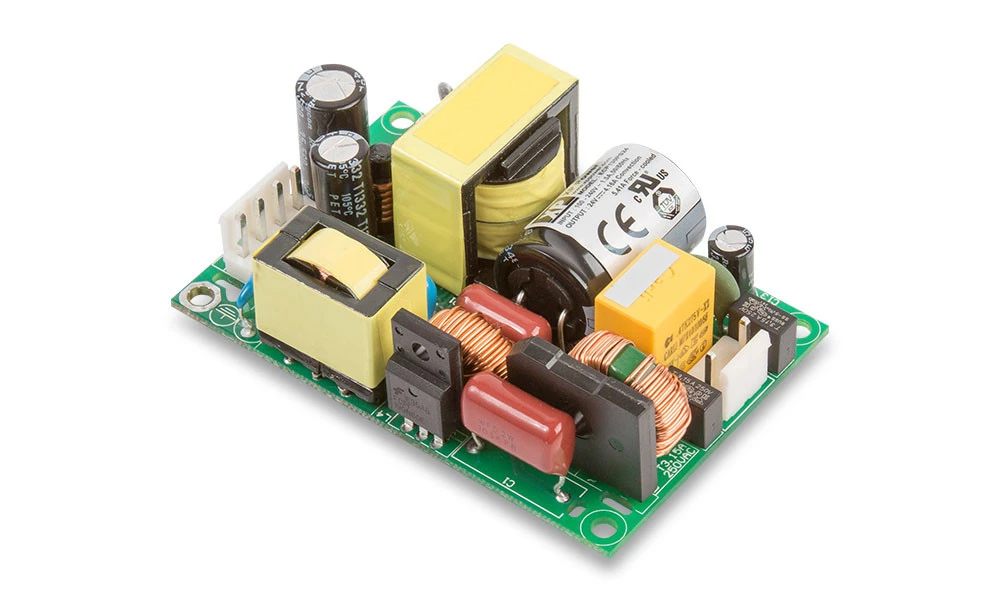
AC to DC converters play a vital role in many devices and systems. They change alternating current (AC) into direct current (DC) to power electronic circuits. This conversion is essential because most electronics require stable DC voltage to work correctly. The use of AC to DC converters spans various sectors, from daily gadgets to heavy industry machines.
Consumer Electronics
Many household gadgets rely on AC to DC converters for power. Devices like smartphones, laptops, and televisions use these converters inside their chargers or power adapters. They ensure the right voltage reaches the device safely. Small appliances such as LED lamps and gaming consoles also need stable DC power. This conversion helps them operate efficiently and last longer.
Industrial Applications
Industries require AC to DC converters for machinery and control systems. Factories use them to power motors, sensors, and automation tools. These converters provide consistent voltage needed for accurate operation. In electric vehicles and renewable energy systems, AC to DC converters manage power flow. They help improve energy efficiency and system stability in industrial setups.
Advancements In Conversion Technology
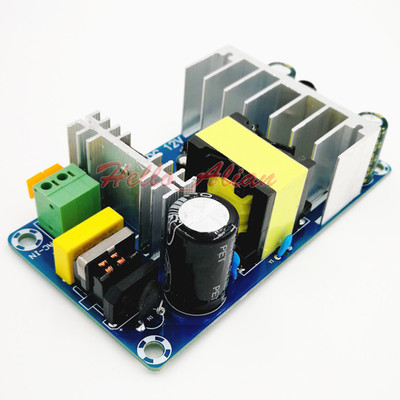
Advancements in conversion technology have greatly improved how we change AC to DC power. New designs make devices smaller, faster, and more efficient. These upgrades help save energy and reduce heat during conversion. They also support more devices and applications, making power supplies more reliable and versatile.
Recent Innovations
Recent innovations focus on improving efficiency and speed. Silicon carbide (SiC) and gallium nitride (GaN) semiconductors now replace traditional silicon. These materials handle higher voltages and temperatures better. They reduce energy loss and improve performance.
Advanced rectifiers use smart control circuits. These circuits adjust power flow to match load needs. This feature prevents energy waste and prolongs device life. Compact designs also allow easier integration into modern electronics.
Future Trends
Future trends point to more intelligent and adaptive converters. Artificial intelligence (AI) will optimize power conversion in real-time. This means converters will learn and adjust automatically for maximum efficiency.
Wireless power transfer is another growing area. It aims to convert and deliver power without cables. This technology could simplify charging and power delivery for many devices.
Research continues on new materials and nanotechnology. These efforts seek even faster switching speeds and less heat generation. The goal is to create smaller, more efficient converters for all uses.
Credit: www.ebay.ca
Frequently Asked Questions
What Component Changes Ac To Dc Power?
A rectifier is the electronic component that converts AC to DC power. It uses diodes to allow current flow in one direction only. This process is essential in power supplies for electronic devices.
How Does A Rectifier Convert Ac To Dc?
A rectifier converts AC to DC by allowing current to pass through diodes during positive AC cycles. It blocks negative cycles, producing a pulsating DC output. Filters then smooth this output into stable DC power.
What Types Of Rectifiers Are Commonly Used?
Common rectifiers include half-wave, full-wave, and bridge rectifiers. Half-wave uses one diode, full-wave uses two or more. Bridge rectifiers use four diodes for efficient AC to DC conversion in many devices.
Why Is Ac To Dc Conversion Important?
AC to DC conversion is crucial because most electronic devices need DC power to operate. AC power from outlets must be converted to DC for circuits, batteries, and other components to function properly.
Conclusion
The electronic component that changes AC to DC is called a rectifier. It uses diodes to allow current to flow in one direction only. This process is important for many electronic devices. Without rectifiers, batteries and circuits would not work properly.
Understanding this simple part helps you learn how electricity powers gadgets. Remember, rectifiers make electric power usable and safe for your devices.
Leave a Reply