Have you ever wondered which electronic parts hold the most gold? Whether you’re curious about recycling old gadgets or just fascinated by electronics, knowing where gold hides can surprise you.
Gold isn’t just for jewelry; it plays a key role inside your devices. Discovering these components could change how you see your old phones, computers, or TVs. Keep reading to find out where the real gold lies and why it matters to you.
Gold Use In Electronics
Gold is an indispensable element in the world of electronics. Its unique properties make it an essential component in various electronic devices. From smartphones to high-performance computers, gold plays a crucial role in ensuring reliability and efficiency.
Why Gold Is Ideal For Electronics
Gold’s exceptional conductivity is one of the main reasons it’s used in electronics. It ensures a seamless flow of electricity, minimizing resistance and enhancing performance. Unlike other metals, gold does not tarnish or corrode, providing longevity to electronic components.
Have you ever considered why your smartphone lasts as long as it does? Part of the answer lies in the gold used in its connectors, switches, and relay contacts. This durability factor is why manufacturers often choose gold over cheaper alternatives.
Properties That Make Gold Valuable
Gold’s ductility allows it to be stretched into very thin wires, which are perfect for intricate electronic circuits. This adaptability means less material is needed to achieve high performance, making it a cost-effective solution despite its high price.
Additionally, gold’s thermal and electrical properties help manage heat effectively. Devices running complex tasks generate a lot of heat, and gold helps dissipate this heat quickly, preventing damage to sensitive components.
Have you ever wondered why high-end audio systems sound so clear? The answer often lies in the gold-plated connectors that reduce signal loss and maintain sound quality. This clarity is one of the unseen benefits of using gold in electronics.
These characteristics make gold not just a luxury but a necessity in our increasingly digital world. What other everyday items might surprise you by containing this precious metal?

Credit: m.youtube.com
Common Gold-rich Components
Gold is a small but valuable part of many electronic devices. It’s prized for its excellent conductivity and resistance to corrosion. Understanding where gold is most commonly found in electronics can help you identify the best components to recycle or salvage.
Connectors And Contacts
Connectors and contacts often contain a thin layer of gold plating. This plating ensures a reliable connection by preventing oxidation and reducing electrical resistance. You’ll find gold on items like USB ports, headphone jacks, and SIM card slots.
These parts may seem tiny, but their gold content is significant because of the sheer number of contacts involved. Have you ever noticed how some cables or plugs have a shiny gold color? That’s the gold at work ensuring your devices communicate smoothly.
Printed Circuit Boards
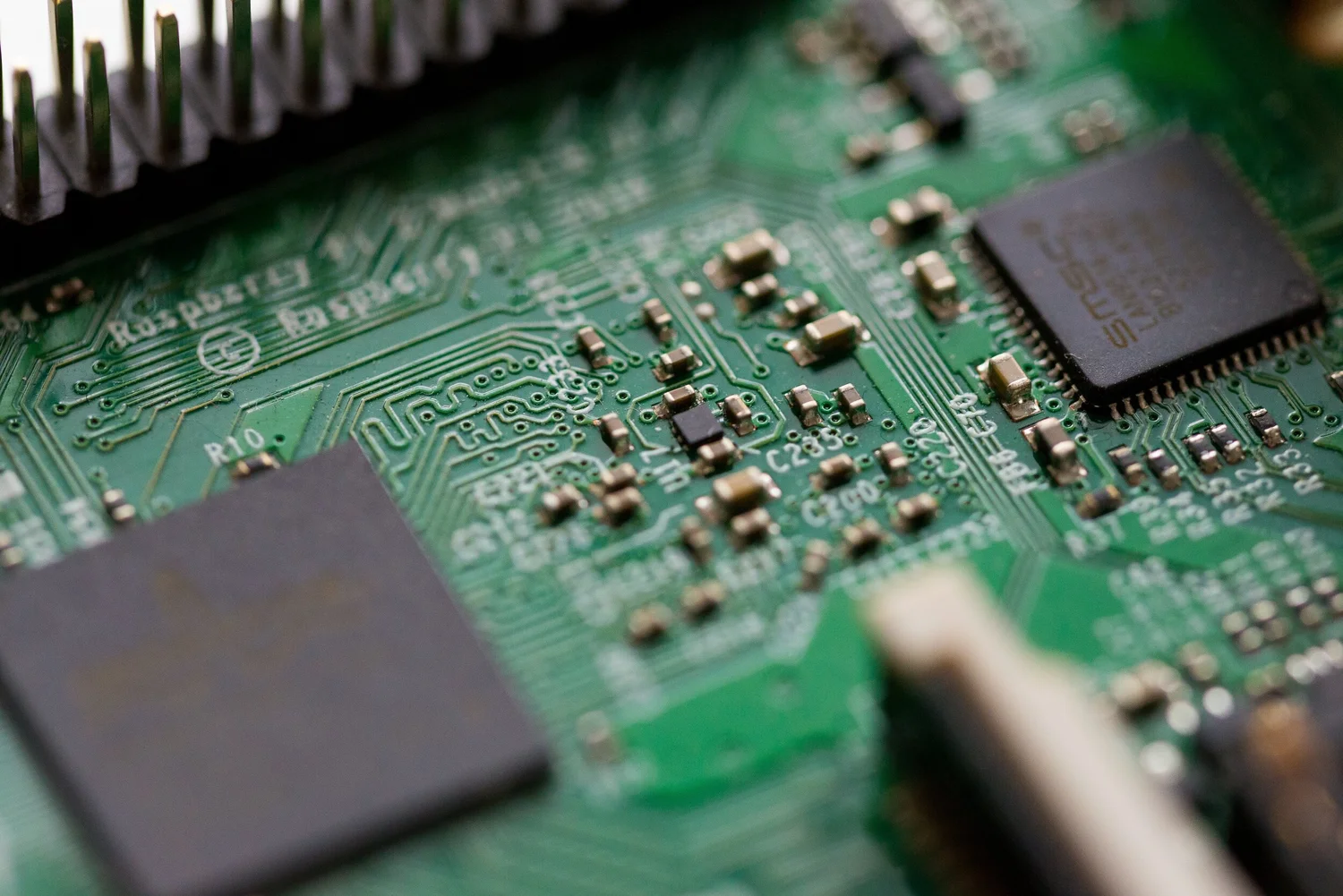
Printed circuit boards (PCBs) are the backbone of electronics, and many contain gold in key areas. Gold is often used to plate the edge connectors and certain circuit paths where reliable conductivity is crucial. This gold layer helps maintain signal quality over time.
Not all PCBs have the same amount of gold, though. High-quality or industrial electronics tend to have more gold than cheaper consumer products. Next time you open a device, check the edges of the PCB for a golden sheen—it’s a good sign of gold presence.
Microprocessors And Cpus
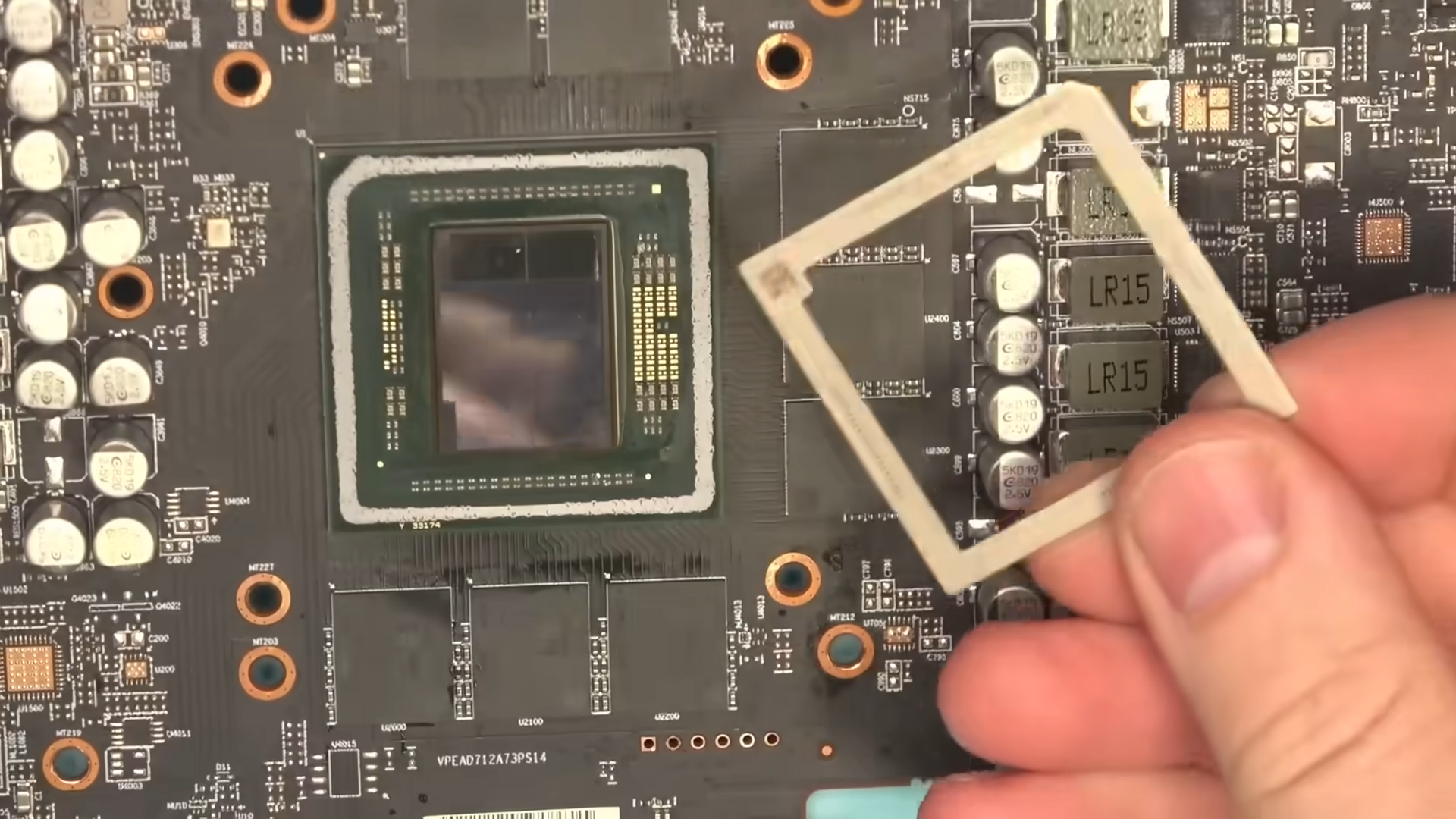
Microprocessors and CPUs are complex chips that often contain gold bonding wires inside. These ultra-thin gold wires connect the silicon chip to its external pins, ensuring fast and stable data transmission. The amount of gold here is small but concentrated in a critical part of the device.
Because these components are essential to a device’s function, their gold content makes them valuable for recovery. If you’re thinking about recycling, CPUs can be one of the best targets for gold extraction. Have you ever wondered how much gold is hidden inside your old computer’s processor?
Specialized Components With High Gold Content
Specialized electronic components often hold more gold than the common parts you find in everyday devices. These components require high reliability and superior conductivity, which makes gold the metal of choice for their internal contacts. If you’re curious about which specialized parts pack the most gold, understanding their roles can help you identify valuable sources for recycling or repair.
Relays And Switches
Relays and switches use gold because it resists corrosion and ensures a stable electrical connection. The tiny gold-plated contacts inside these components are crucial for preventing signal loss or failure. Have you ever noticed how some old electronics still work perfectly? Often, it’s thanks to these gold contacts maintaining solid connections over time.
If you’re salvaging parts, look closely at relays and switches. They might not seem valuable at first glance, but their gold content can add up quickly.
Memory Modules
Memory modules, like RAM sticks, contain gold in their connector pins. This gold plating ensures a smooth and reliable connection between the module and the motherboard. Because these modules have many pins, the total amount of gold can be surprisingly significant.
Think about how many memory modules you’ve replaced or upgraded. Collecting old ones can be a smart way to gather gold without much extra effort.
High-end Audio And Video Equipment
Gold is often found in connectors and internal parts of high-end audio and video gear. Manufacturers use gold to minimize signal interference and maintain audio or video quality. Cables, plugs, and circuit boards in these devices can contain noticeable amounts of gold.
Next time you handle premium audio or video equipment, check the connectors closely. Those shiny contacts might be worth more than you think.
Gold Recovery From Electronics
Gold recovery from electronics offers a unique opportunity to reclaim precious metals from devices you might otherwise discard. Electronic gadgets like smartphones, computers, and circuit boards contain tiny amounts of gold, but collectively, these amounts add up. Recovering gold not only helps reduce waste but also supports sustainable resource use.
Methods For Extracting Gold
One common way to extract gold is through chemical processes, such as using a mixture of acids to dissolve the metal from circuit boards. This method requires careful handling but can be very effective if done correctly.
Another approach involves physical separation techniques like shredding the electronics and then using gravity or flotation to separate gold particles. This is often used in larger-scale operations and requires specialized equipment.
Some hobbyists use simple methods such as soaking small electronic parts in a solution of vinegar and salt to loosen gold plating. While less efficient, this can be a safe starting point if you want to try gold recovery at home.
Safety And Environmental Considerations
Handling chemicals for gold extraction can pose serious health risks. Always wear protective gloves, goggles, and work in a well-ventilated area. Never mix chemicals without understanding their reactions.
Environmental impact is another crucial factor. Improper disposal of chemicals used in the process can harm soil and water. You should always follow local regulations for hazardous waste disposal to protect your community.
Have you considered how your choice of method affects not just your success in recovering gold, but also your safety and the planet? Prioritizing safe practices ensures your efforts benefit you and the environment in the long run.
Future Trends In Gold Usage
Gold remains vital in electronics for its excellent conductivity and resistance to corrosion. Future trends show shifts in how gold is used, driven by technology and environmental needs. These trends aim to balance performance with resource conservation.
Advancements In Electronics Design
New designs use less gold while keeping device quality high. Engineers develop smaller, thinner components that need less gold plating. Innovations focus on efficient circuits that reduce gold use without losing function. These changes help lower production costs and reduce gold demand.
Sustainability And Recycling Efforts
Recycling gold from old electronics grows as a key trend. More companies invest in recovering gold from discarded devices. Recycling reduces the need to mine new gold, protecting the environment. Efforts include better collection systems and advanced extraction methods. This makes gold reuse easier and more profitable.

Credit: cen.acs.org
Credit: www.tomshardware.com
Frequently Asked Questions
Which Electronic Parts Contain The Most Gold?
Gold is mainly found in connectors, pins, and circuit boards. These parts use gold due to its excellent conductivity and resistance to corrosion.
Why Is Gold Used In Electronic Components?
Gold resists corrosion and conducts electricity well. It ensures reliable connections in devices, improving performance and durability.
How Much Gold Is In A Typical Smartphone?
A smartphone contains about 0. 034 grams of gold. This small amount is mostly in circuit boards and connectors.
Can Gold Be Recovered From Electronic Waste?
Yes, gold can be recycled from e-waste. Specialized processes extract gold from circuit boards and connectors efficiently.
Conclusion
Gold appears mostly in connectors, circuit boards, and CPUs. These parts carry electrical signals well. They resist corrosion, making gold valuable in electronics. Extracting gold from these parts can be worthwhile. Small amounts add up over many devices. Understanding where gold hides helps in recycling efforts.
It saves resources and reduces waste. Electronics contain more gold than many expect. Keep this in mind when handling old gadgets.
Leave a Reply