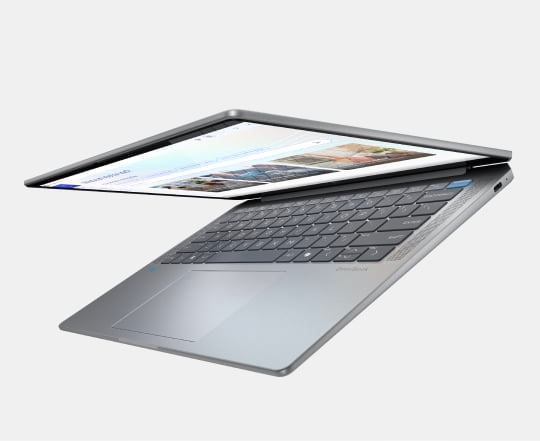
Choosing the right electronic computer notebook for your home health nurse charting needs can feel like a daunting task. With so many options, how do you know which one will truly make your daily documentation more efficient and less stressful?
Imagine having a device that works as hard as you do, seamlessly handling your data entry while you focus on providing the best care possible. This blog post is crafted just for you, guiding you through the top choices that promise to revolutionize your charting experience.
Stay with us as we delve into the essential features and benefits that will make your decision-making process a breeze. You deserve the best tool in your hands, and we’re here to help you find it.
Key Features For Nurse Charting
Choosing the right electronic computer notebook for home health nurse charting means focusing on specific features that make your daily tasks easier and more efficient. The right device helps you document patient information quickly, maintain accuracy, and keep data secure. Understanding these key features can save you time and reduce frustration during your busy shifts.
Portability And Battery Life
As a home health nurse, you move from patient to patient, often in different locations. You need a lightweight notebook that fits easily in your bag or can be carried comfortably for hours. Battery life is equally important—you want a device that lasts through your entire shift without needing constant recharging.
Look for notebooks with at least 8-10 hours of battery life and compact designs. A bulky or heavy device can slow you down and make charting feel like a chore. Have you ever had your device die right in the middle of updating a patient’s chart? Avoid that hassle by prioritizing strong battery performance.
Screen Size And Resolution
Your screen is where you spend most of your time charting, so it should be clear and easy on the eyes. A screen that’s too small makes reading detailed patient notes difficult, while a very large screen might reduce portability. Aim for a balance—typically 12 to 14 inches with full HD resolution works well.
Higher resolution screens reduce eye strain and help you spot important details quickly. If you’ve ever squinted at tiny text or struggled with pixelated images, you know how a good screen can improve your work experience.
Durability And Build Quality
Home health environments can be unpredictable. Your notebook should be tough enough to handle accidental drops, bumps, and spills. Devices with sturdy builds and spill-resistant keyboards protect your investment and keep your work uninterrupted.
Choose notebooks with reinforced frames and durable materials. Some models even offer military-grade durability standards. Investing in a rugged device means fewer repairs and less downtime, which keeps you focused on patient care.
Software Compatibility
Your notebook must run the software your agency uses for charting smoothly and without glitches. Make sure the device supports common nursing charting programs and electronic health record (EHR) systems. Compatibility ensures you won’t waste time troubleshooting or waiting for updates.
Check if the notebook allows easy installation of your preferred apps and supports cloud-based software for real-time updates. Have you faced issues where your software wouldn’t run properly? Selecting a compatible device prevents those frustrating delays.
Security And Privacy
Patient data is sensitive and must be protected. Your notebook should offer strong security features like biometric login (fingerprint or facial recognition) and encryption to keep information safe. This reduces the risk of unauthorized access, especially when working remotely.
Look for devices with built-in security tools or compatibility with additional security software. How confident are you in your current device’s ability to protect patient confidentiality? Prioritizing security safeguards your patients and your professional responsibility.

Credit: vsee.com
Top Electronic Notebooks For Home Health Nurses
Choosing the right electronic notebook for home health nurse charting can make a huge difference in your daily workflow. You need a device that matches your specific needs—whether it’s speed, battery life, or durability. Let’s look at some top options that fit various priorities and help you work smarter, not harder.
Best Overall Performance
The Microsoft Surface Pro 9stands out for its powerful performance and versatility. It runs smoothly with its latest Intel processors and has a sharp touchscreen that makes note-taking easy. If you want a device that handles complex charting software without lag, this is a solid choice.
Its detachable keyboard lets you switch from tablet to laptop mode quickly. This flexibility can save you time when you need to jot down notes fast or type detailed reports.
Best Budget Option
If you’re looking for a reliable notebook without breaking the bank, the Lenovo IdeaPad 3offers great value. It covers all essential functions like decent processing speed and adequate storage for home health nurse charting software.
Many nurses find it perfect for those starting out or working part-time. Plus, it’s lightweight enough to carry around, so you don’t lose comfort with affordability.
Best For Portability
The Apple MacBook Air M2is a favorite among nurses who need a lightweight device that’s easy to carry between patient visits. Weighing just under 3 pounds, it fits easily into a bag without feeling bulky.
Its fast SSD ensures quick access to patient files, and the Retina display offers clear visuals, reducing eye strain during long charting sessions.
Best Battery Life
Battery longevity is key when you’re out in the field all day. The Dell XPS 13shines here with a battery that can last up to 12 hours on a single charge. You won’t have to worry about finding a power outlet mid-shift.
Its efficient power management also means it stays cool, even during heavy use, which adds to your comfort during long hours.
Best For Durability
Durability matters when your notebook faces constant travel and occasional bumps. The Panasonic Toughbook 55is built to withstand drops, spills, and rough handling. It’s designed for tough environments but still offers strong performance for charting tasks.
Choosing a rugged device like this can save you money and stress over repairs, letting you focus on patient care instead of equipment issues.
Software Tools For Efficient Charting
Efficient charting is crucial for home health nurses to keep patient records accurate and up-to-date. The right software tools can make this task faster and less prone to errors. Choosing the best electronic computer notebook depends on how well the software supports your daily workflow and documentation needs.
Popular Nursing Charting Apps
Several apps stand out for home health nurse charting due to their user-friendly interfaces and comprehensive features. Apps like CareSmartz360, NurseGrid, and Meditech Expanseoffer tailored solutions for documenting patient visits, medications, and care plans.
These apps often include customizable templates that save time and reduce repetitive typing. Have you ever struggled with notes that don’t fit your specific care routines? These tools help solve that by letting you adjust fields to match your exact needs.
Integration With Ehr Systems
Software that integrates smoothly with Electronic Health Records (EHR) systems can save you from double documentation. Look for tools that sync patient data automatically with popular EHR platforms like Epic, Cerner, or Allscripts.
This integration ensures that all care team members have access to the most current information. It also reduces the risk of missing critical updates. How much time could you save if your notes updated patient records instantly?
Offline Capabilities
Working in patients’ homes means you won’t always have internet access. Software with offline capabilities lets you chart visits without connectivity and syncs data once you’re back online.
This feature prevents delays in documentation and keeps your workflow uninterrupted. Ask yourself if your current tools can keep up when the signal drops—because home health nursing doesn’t wait for Wi-Fi.
Tips For Choosing The Right Notebook
Choosing the right electronic computer notebook for home health nurse charting can improve your daily work. The right device helps you stay organized and efficient. Keep in mind your unique needs and work habits. Here are tips to guide your choice.
Assessing Your Workflow
Think about how you do your charting and patient visits. Do you move between locations often? Do you need a lightweight device for easy carrying? Consider the software you use for charting. Check if the notebook supports it well. Battery life is key for long shifts without charging. A touchscreen might help with quick notes or signatures.
Balancing Features And Cost
Look for a notebook with the features you need, but avoid paying for extras you won’t use. Focus on memory and storage size to handle patient data smoothly. A solid keyboard makes typing faster and less tiring. Durable build quality helps the device last longer in daily use. Compare prices and read reviews to find good value.
Considering Future Needs
Think about your work in the coming years. Will your charting software change or grow? Choose a notebook that can handle updates and new programs. Extra ports can help connect devices like printers or scanners. Easy upgrades for memory or storage add flexibility. A notebook that adapts keeps you ready for changes.
Maintaining Your Electronic Notebook
Maintaining your electronic computer notebook is crucial for seamless home health nurse charting. A well-kept device not only enhances your efficiency but also protects sensitive patient information. Taking simple, consistent steps can save you from technical headaches and lost data.
Regular Updates And Backups
Keep your notebook’s software up to date. Updates fix bugs and improve security, which is vital when handling confidential health records. Set your device to install updates automatically or check weekly to avoid missing any critical patches.
Backing up your data regularly is a lifesaver. Use cloud services or external drives to store copies of your charts. Imagine losing a day’s worth of patient notes—backups prevent that nightmare.
Cleaning And Care
Physical care of your electronic notebook affects its lifespan and performance. Wipe the screen and keyboard gently with a microfiber cloth to avoid scratches and grime buildup. Avoid eating or drinking near your device to prevent spills that can cause costly damage.
Store your notebook in a safe, dry place when not in use. Overheating can slow down your work and damage internal parts, so ensure proper ventilation during long charting sessions.
Protecting Against Data Loss
Use strong passwords and enable encryption to safeguard patient information. Consider two-factor authentication for an extra layer of security. Have you ever thought about what would happen if your notebook was stolen or hacked?
Install reliable antivirus software and run regular scans to catch threats early. Avoid downloading unknown files or clicking suspicious links, as these can corrupt your data or expose you to breaches.

Credit: eazypc.in
Credit: www.lenovo.com
Frequently Asked Questions
What Features Should A Notebook Have For Nurse Charting?
A good notebook must be portable, durable, and have a long battery life. It should support secure health apps and allow easy data entry for efficient charting.
Which Electronic Notebooks Are Best For Home Health Nurses?
Top choices include lightweight models with touchscreen, fast processors, and good security. Brands like Microsoft Surface, Lenovo ThinkPad, and Apple iPad Pro are popular for nurse charting.
How Important Is Battery Life For Nurse Charting Devices?
Battery life is crucial since nurses chart on the go. A device with at least 8-10 hours battery ensures uninterrupted work during long home visits.
Can Electronic Notebooks Improve Home Health Nurse Efficiency?
Yes, electronic notebooks streamline data entry, reduce errors, and enable quick access to patient records. This boosts accuracy and saves time during home health visits.
Conclusion
Choosing the right electronic computer notebook helps nurses work faster and smarter. It should be light, easy to carry, and have a clear screen. Good battery life matters for long shifts outside. Simple software that keeps charts organized saves time.
Comfort and durability also make a big difference. A suitable notebook supports better care for patients at home. Think about what fits your daily needs best. This way, charting becomes less stressful and more efficient.
Leave a Reply