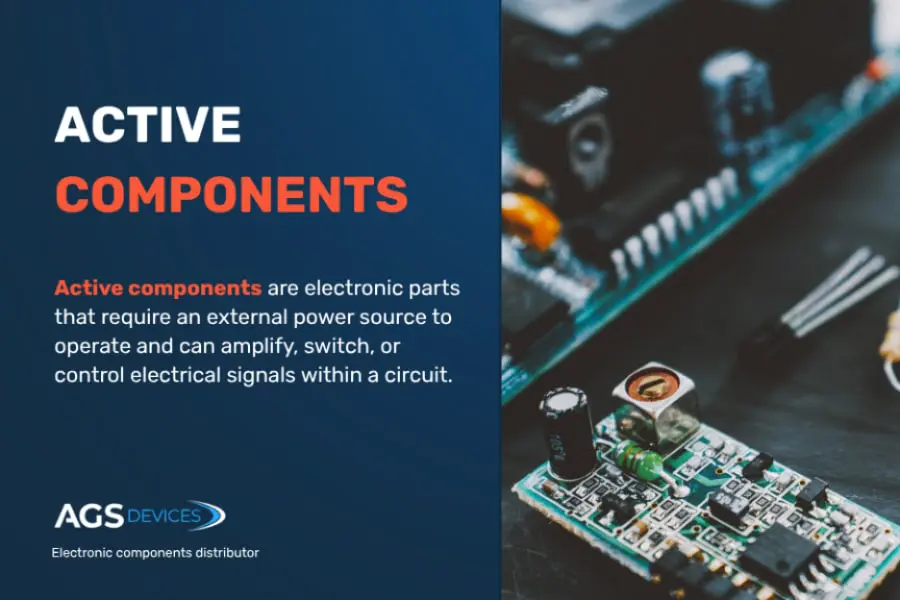
Have you ever wondered what makes your gadgets come to life? The secret lies in tiny parts called active electronic components.
These small but powerful pieces control the flow of electricity, making your devices work smoothly and efficiently. If you want to understand how your smartphone, computer, or even your TV operates, knowing about active electronic components is a great place to start.
Keep reading, and you’ll discover how these components shape the technology you use every day—and why they matter to you.
Credit: www.agsdevices.com
Active Vs. Passive Components
Active and passive components are the two main types of electronic parts. Each plays a unique role in circuits and devices. Understanding the difference helps in designing and fixing electronics.
Active components can control electric current and power. Passive components cannot control current but can store or dissipate energy.
What Are Active Components?
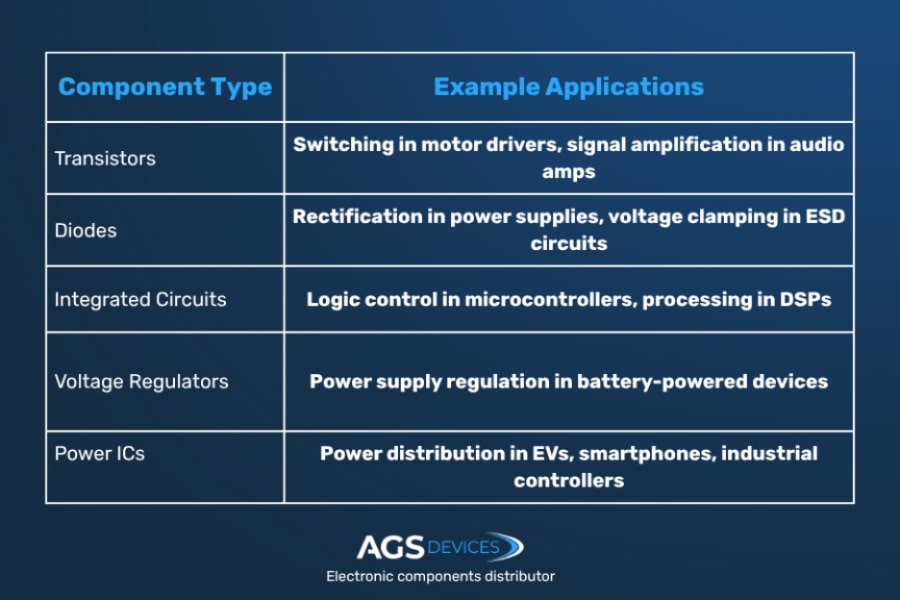
Active components require a power source to operate. They can amplify signals and control current flow. Examples include transistors, diodes, and integrated circuits.
These parts are essential for switching and signal processing. They make electronic devices intelligent and functional.
What Are Passive Components?
Passive components do not need an external power source. They cannot amplify or control signals. Instead, they store or release energy in a circuit.
Common passive components include resistors, capacitors, and inductors. They help manage voltage and current levels.
Key Differences Between Active And Passive Components
| Feature | Active Components | Passive Components |
|---|---|---|
| Power Supply | Needs external power | No external power required |
| Function | Amplify or control signals | Store or dissipate energy |
| Examples | Transistors, diodes, ICs | Resistors, capacitors, inductors |
| Signal Control | Yes | No |
Why Understanding The Difference Matters
Knowing the difference helps in selecting the right parts. It aids troubleshooting and circuit design. Choosing the correct component type ensures better device performance.

Credit: www.agsdevices.com
Types Of Active Components
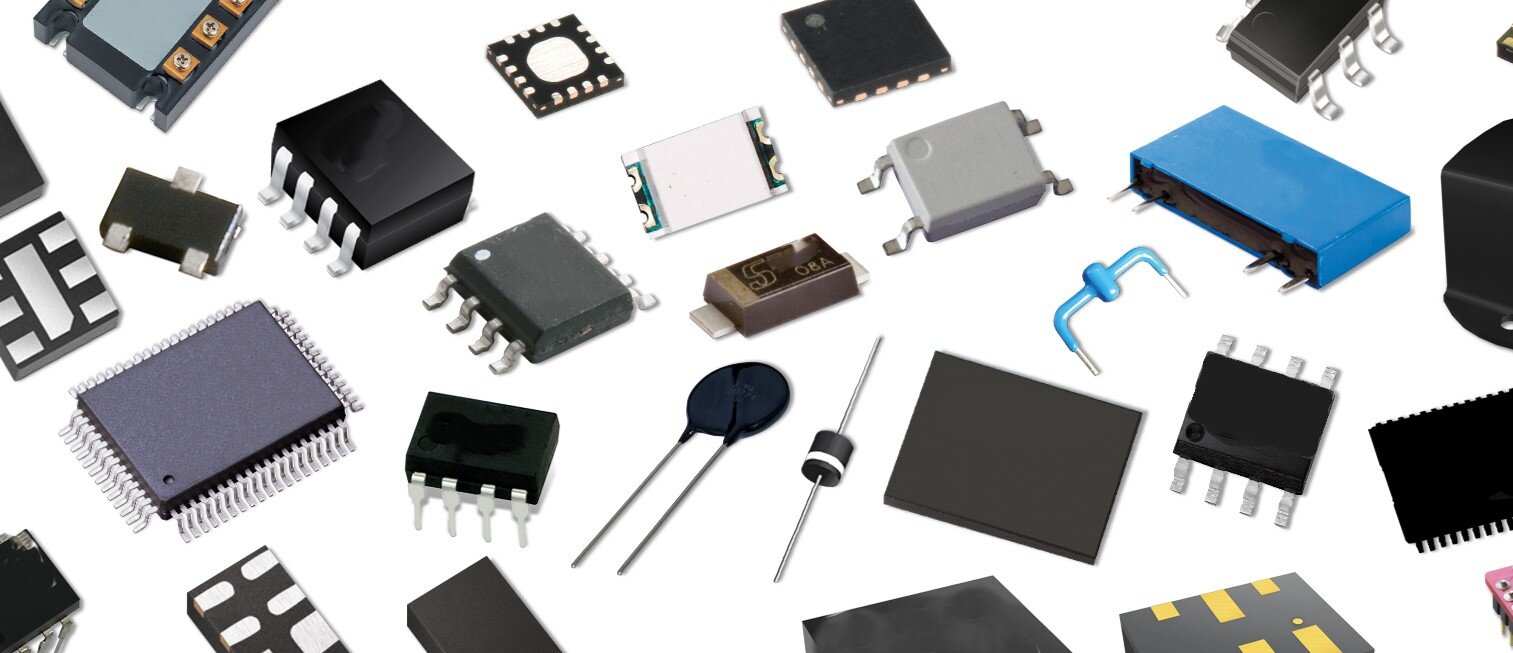
Active electronic components are essential parts of many devices. They control the flow of electricity and can amplify signals. Different types of active components serve unique roles in circuits. Understanding these types helps in grasping how modern electronics work.
Semiconductors
Semiconductors are materials with conductivity between conductors and insulators. They form the base for many active components. Silicon is the most common semiconductor material. Semiconductors can control electrical current effectively. They are vital in making modern electronics smaller and faster.
Integrated Circuits
Integrated circuits combine many electronic components on a small chip. They include transistors, resistors, and capacitors. ICs perform complex functions in a compact form. They reduce circuit size and power consumption. Found in computers, phones, and many gadgets.
Transistors
Transistors act as switches or amplifiers in circuits. They control large electrical currents with small signals. There are two main types: bipolar junction and field-effect transistors. Transistors are key for digital circuits and signal processing. Their invention changed electronics forever.
Diodes
Diodes allow current to flow in one direction only. They protect circuits from damage by reversing current flow. Special diodes like LEDs emit light when powered. Diodes are simple but crucial for controlling electrical paths. They ensure circuits work safely and correctly.
Functions And Applications
Active electronic components are essential in shaping the behavior of electronic circuits. Their primary roles involve controlling electric signals and power flow, enabling devices to perform complex tasks. Understanding their functions and applications can help you design better electronic systems or troubleshoot existing ones effectively.
Signal Amplification
Active components like transistors and operational amplifiers boost weak electrical signals to stronger levels. This function is crucial in audio equipment, radios, and communication devices where clear signal transmission matters. Have you ever wondered how your smartphone amplifies your voice so clearly during calls? That’s active components at work.
Power Conversion
Many active components manage the conversion of electrical power from one form to another. Devices such as voltage regulators and power transistors ensure that circuits receive stable voltage and current levels. Think about your laptop charger—it’s full of active components working hard to convert AC power into the DC power your device needs.
Oscillation Generation
Oscillators generate periodic signals, which are vital for clocks, radios, and signal processors. Active components maintain these oscillations to produce consistent frequencies. Without these, devices like watches and wireless transmitters wouldn’t keep accurate time or communicate effectively.
Credit: www.endrich.com
Key Characteristics
Understanding the key characteristics of active electronic components helps you choose the right parts for your projects. These components control electrical signals and power, so knowing their limits and capabilities is crucial. Let’s look at some essential features that define their performance and reliability.
Voltage And Current Ratings
Every active component has a maximum voltage and current it can safely handle. Exceeding these ratings can damage the component or cause failure in your circuit.
For example, a transistor might be rated for 40 volts and 100 milliamps. Using it in a circuit with higher voltage or current can lead to overheating or permanent damage.
Always check these ratings before selecting components, especially if your design involves fluctuating power levels.
Frequency Response
Frequency response tells you how well a component performs across different signal frequencies. Some active components work better with low-frequency signals, while others handle high frequencies efficiently.
Think about designing a radio receiver; choosing a transistor with poor frequency response could result in weak or distorted signals. Matching the component’s frequency range to your application ensures clear and stable performance.
Have you ever struggled with a circuit that just wouldn’t work at certain frequencies? This is often the reason behind it.
Power Handling
Power handling defines the amount of power an active component can manage without failing. It combines voltage and current ratings but also considers heat dissipation.
For instance, power transistors in amplifiers need to handle significant power and often require heat sinks to stay cool. Ignoring power handling can cause components to overheat quickly, reducing their lifespan.
Understanding power limits helps you design safer, more durable electronic devices that won’t surprise you with sudden breakdowns.
Common Active Component Symbols
Active electronic components control electric current flow and amplify signals. Recognizing their symbols helps in reading and designing circuits. These symbols are standard in electronics diagrams worldwide.
Each active component has a unique symbol. These symbols show how components connect and function in a circuit. Learning these symbols is essential for anyone working with electronics.
Transistor Symbol
Transistors amplify or switch electronic signals. The symbol shows three terminals: collector, base, and emitter. The arrow on the emitter indicates current flow direction.
Diode Symbol
Diodes allow current to flow in one direction only. The symbol includes a triangle pointing to a line. This line blocks current in the reverse direction.
Integrated Circuit (ic) Symbol
ICs contain multiple components in one package. The symbol is a rectangle with pins on both sides. Each pin represents a connection point.
Thyristor Symbol
Thyristors control large power using small signals. Their symbol looks like a diode with a gate terminal. The gate controls the switching of current flow.
Light Emitting Diode (led) Symbol
LEDs emit light when current passes through. Their symbol is like a diode with arrows pointing away. The arrows represent light emission.
Selecting Active Components
Selecting active electronic components requires careful thought. These components control current and voltage in circuits. Choosing the right ones ensures your device works well and lasts long. Consider key factors to match components with your project needs.
Performance Requirements
Active components must meet specific performance standards. Check parameters like voltage, current, and frequency ratings. Ensure the component can handle the circuit’s power needs. Look for fast switching speeds if needed. Reliable operation depends on matching these specs closely.
Environmental Conditions
Consider the environment where the component will operate. High temperatures may require heat-resistant parts. Moisture or dust can affect performance and lifespan. Choose components rated for harsh conditions if needed. Proper protection helps prevent early failure.
Cost Considerations
Balance cost with quality and functionality. Lower-cost components may save money upfront but risk reliability. Higher-quality parts might cost more but last longer. Evaluate your budget and project goals carefully. Aim for components that offer the best value overall.
Future Trends In Active Components
Active electronic components are evolving fast. Their future focuses on smaller sizes, saving energy, and smart connections. These trends make devices better and more useful. Let’s explore the main directions in active component development.
Miniaturization
Active components are getting much smaller. Smaller parts fit into tight spaces and allow more functions on a chip. This helps make gadgets lighter and thinner. Tiny components also improve device speed and performance.
Energy Efficiency
New designs use less power. Energy-saving parts extend battery life in portable devices. Lower power use means less heat and better reliability. Efficient components support green technology goals and reduce energy costs.
Integration With Iot
Active components now connect easily to the Internet of Things (IoT). They help devices share data and work together. Smart sensors and chips improve home automation, health monitoring, and industrial control. Integration with IoT creates more intelligent and responsive systems.
Frequently Asked Questions
What Are Active Electronic Components?
Active electronic components are devices that control electric current flow. They require power to operate and can amplify signals.
How Do Active Components Differ From Passive Ones?
Active components need external power and can amplify signals. Passive components do not require power and cannot amplify.
What Are Common Examples Of Active Electronic Components?
Common active components include transistors, diodes, integrated circuits, and vacuum tubes.
Why Are Active Components Important In Electronics?
Active components enable signal amplification, switching, and control, making modern electronics functional and efficient.
Conclusion
Active electronic components control electric signals in many devices. They need a power source to work properly. Examples include transistors, diodes, and integrated circuits. These parts make gadgets smart and functional. Understanding them helps in learning how electronics operate daily.
They play a key role in technology and innovation. Knowing their function can spark curiosity about electronics. Explore more to see how they impact your world.
Leave a Reply