Have you ever wondered what keeps airplanes flying safely through the skies? The answer lies in a fascinating field called Avionics Maintenance Technology.
If you’re curious about how pilots rely on complex electronic systems and who ensures these systems work perfectly every time, this article is for you. Understanding avionics maintenance technology can open doors to exciting career paths and give you a new appreciation for the technology behind every flight.
Keep reading, and you’ll discover what this field involves and why it’s so important for aviation safety and innovation.
Credit: www.findcourses.co.uk
Avionics Maintenance Overview
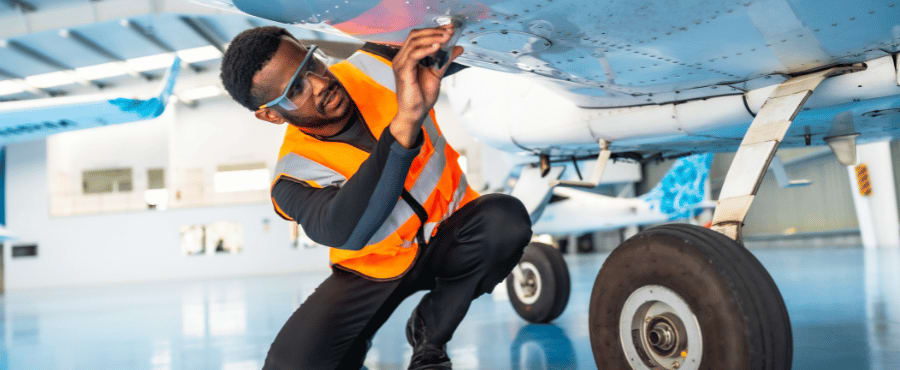
Avionics Maintenance Technology plays a crucial role in the aviation industry. It involves the inspection, repair, and upkeep of electronic systems in aircraft. These systems control communication, navigation, and flight instruments. Proper maintenance ensures safety and reliability during flights.
Technicians working in avionics maintenance use specialized tools to diagnose problems. They follow strict regulations and guidelines to keep aircraft systems functioning. This field requires knowledge of electronics, mechanics, and aviation standards.
What Does Avionics Maintenance Include?
- Testing and troubleshooting electronic components
- Repairing and replacing faulty parts
- Calibrating navigation and communication devices
- Performing routine inspections and system upgrades
- Ensuring compliance with safety regulations
Skills Needed For Avionics Technicians
- Strong understanding of electronics and circuitry
- Attention to detail and problem-solving abilities
- Ability to read technical manuals and blueprints
- Good hand-eye coordination for delicate repairs
- Knowledge of aviation safety standards
Importance Of Avionics Maintenance
Avionics systems are vital for safe flight operations. Malfunctions can lead to serious safety risks. Regular maintenance prevents failures and extends equipment life. It also helps in keeping flights on schedule without delays.
Credit: www.ainonline.com
Key Components Of Avionics Systems
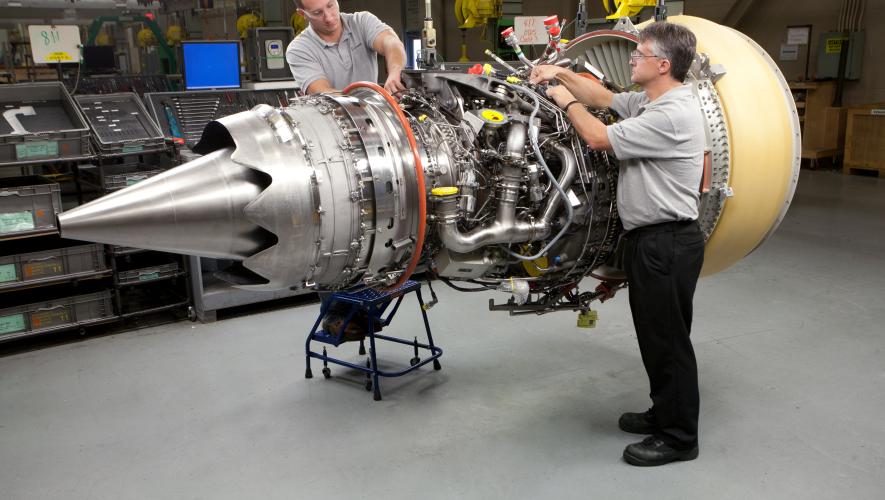
Avionics systems consist of many important parts. These parts work together to help pilots control and navigate airplanes safely. Understanding these key components helps explain how modern aircraft operate. Each system has a special role in flight operations.
Navigation Systems
Navigation systems guide the aircraft from one place to another. They use satellites, radio signals, and sensors to find the plane’s exact position. Common tools include GPS and inertial navigation systems. These systems help pilots follow the planned route and avoid getting lost.
Communication Systems
Communication systems allow pilots to talk with air traffic control and other aircraft. These systems use radios and antennas to send and receive messages. Clear communication is vital for flight safety and coordination in busy skies. They also support emergency alerts and weather updates.
Flight Control Systems
Flight control systems manage the airplane’s movements. Pilots use controls to adjust the aircraft’s direction, speed, and altitude. These systems include electronic and hydraulic parts that move the wings and rudder. They keep the plane stable and responsive during flight.
Radar And Surveillance
Radar and surveillance systems detect other aircraft and obstacles. They send radio waves that bounce back from objects, showing their position on screens. These systems help avoid collisions and monitor weather conditions. They improve safety by providing real-time information to pilots and controllers.
Technological Advances In Avionics
Technological advances are transforming avionics maintenance technology rapidly. These innovations improve safety, efficiency, and accuracy in aircraft systems. Maintenance teams now handle complex systems with better tools and smarter processes.
New technologies help detect problems early and reduce downtime. They also make maintenance tasks easier and faster. The integration of modern tech enhances the reliability of avionics systems on planes.
Integration Of Ai And Machine Learning
AI and machine learning help analyze large amounts of data quickly. These systems predict failures before they happen. This allows for preventive maintenance, saving time and costs.
AI algorithms learn from past issues and improve diagnostic accuracy. Maintenance teams use AI tools to prioritize repairs and manage resources effectively.
Use Of Augmented Reality For Diagnostics
Augmented reality (AR) provides real-time visual guidance during repairs. Technicians see instructions overlaid on equipment through AR glasses or devices.
AR helps identify parts and troubleshooting steps clearly. It reduces errors and speeds up complex maintenance tasks. Remote experts can assist via AR, improving support and training.
Advancements In Wireless Technologies
Wireless tech allows real-time data transfer from aircraft systems to ground teams. This improves monitoring and quick response to issues.
Wireless sensors reduce the need for manual inspections. They increase accuracy and help maintain communication even in harsh environments.
New wireless standards support faster and more secure connections. Maintenance work becomes more flexible and less dependent on physical cables.
Credit: calaero.edu
Essential Skills For Avionics Technicians
Avionics technicians work with complex electronic systems in aircraft. They need a specific set of skills to keep these systems running safely and efficiently. These essential skills ensure technicians can handle technical tasks, solve problems, and maintain high standards in their work.
Technical Proficiency
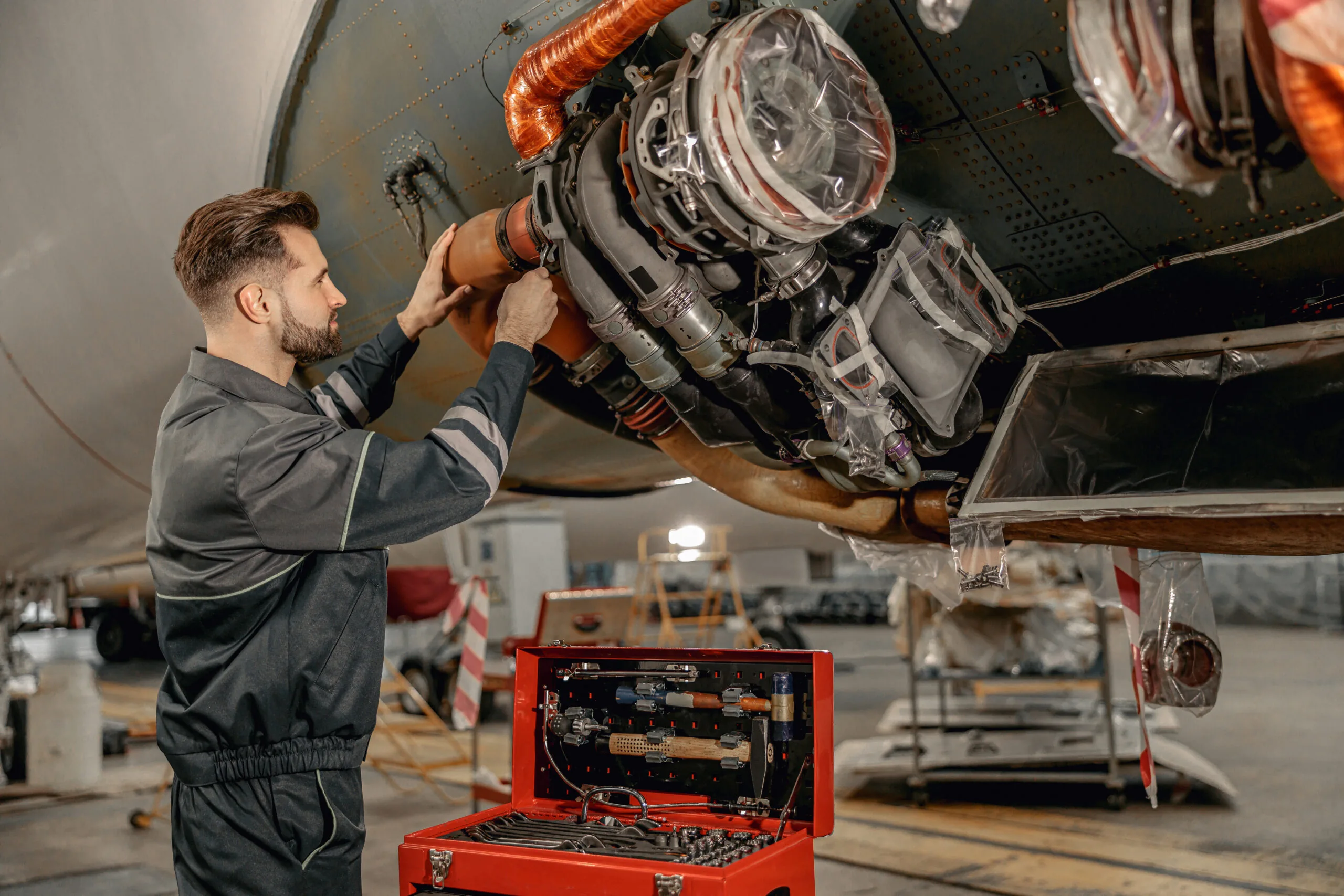
Avionics technicians must understand electronics and aircraft systems well. They use tools to test and repair navigation, communication, and radar equipment. Knowledge of wiring, circuits, and software is vital. Technicians follow manuals and guidelines to perform accurate maintenance.
Problem-solving Abilities
Technicians often face unexpected issues with avionics systems. They must diagnose problems quickly and find effective solutions. Logical thinking helps identify faults in complex electronics. This skill reduces aircraft downtime and improves safety.
Attention To Detail
Precision is crucial in avionics maintenance. Small errors can cause big problems. Technicians carefully check every connection and component. They document work accurately to maintain system integrity. This focus ensures reliable aircraft performance and passenger safety.
Certification And Training Programs
Certification and training programs are key to becoming a skilled avionics maintenance technician. These programs teach the necessary knowledge and skills to work on aircraft electronic systems. They also ensure safety and compliance with industry standards. Training programs combine classroom learning with hands-on experience. Certification proves a technician meets the high standards set by aviation authorities.
Faa Certification Requirements
The Federal Aviation Administration (FAA) sets strict rules for avionics technicians. To become certified, candidates must pass written, oral, and practical tests. These tests cover aircraft electronics, troubleshooting, and repair. FAA certification ensures technicians can work safely and effectively on aircraft. It is a legal requirement for many jobs in the aviation industry.
Accredited Training Institutions
Many schools offer programs in avionics maintenance technology. Accredited institutions meet quality standards set by education and aviation bodies. Students learn from experienced instructors and use real equipment. Programs often include:
- Basic electronics
- Aircraft systems
- Hands-on repairs
- FAA regulations
Choosing an accredited school helps students prepare for FAA certification exams. It also improves job prospects after graduation.
Ongoing Education And Workshops
Technology in aviation changes quickly. Technicians must keep skills current through ongoing education. Workshops and refresher courses offer updates on new systems and tools. Employers may require regular training to maintain certification. Continuous learning helps technicians stay confident and competent in their work.
Industry Trends And Challenges
The field of avionics maintenance technology faces rapid changes and complex challenges. New technologies and stricter rules shape daily work. Technicians must adapt to stay effective and meet industry demands.
Understanding key trends and obstacles helps professionals prepare for future roles. It also highlights the skills needed to succeed in this evolving sector.
Growing Demand For Skilled Technicians
The aviation industry expands, increasing the need for trained avionics technicians. Advanced aircraft require specialized knowledge to maintain complex systems. Employers seek workers with hands-on skills and updated certifications.
Training programs are evolving to meet this demand. Many schools now offer practical courses aligned with industry needs. This trend ensures a steady flow of qualified technicians.
Impact Of Regulatory Changes
Government agencies regularly update safety and maintenance rules. These changes affect how technicians perform their tasks. Staying current with regulations is crucial to avoid penalties and ensure safety.
New standards often require extra documentation and inspections. Avionics professionals must be detail-oriented and organized. Continuous learning is part of the job.
Environmental Considerations
Environmental concerns influence avionics maintenance practices. Airlines and manufacturers focus on reducing emissions and waste. Technicians play a role by maintaining equipment that meets eco-friendly standards.
New technology aims to improve fuel efficiency and lower noise pollution. Maintenance teams must understand these systems and use green methods. This shift supports a cleaner aviation industry.
Future Outlook For Avionics Maintenance
The future outlook for avionics maintenance holds exciting possibilities as technology evolves rapidly. Staying updated with these changes is crucial for anyone involved in the field or considering a career in it. Let’s break down what lies ahead and how you can prepare to thrive in this dynamic environment.
Emerging Technologies
New tools like artificial intelligence, augmented reality, and predictive analytics are transforming how avionics maintenance is done. Imagine using smart glasses that overlay wiring diagrams directly onto aircraft systems while you work—this is no longer science fiction. These technologies help you spot issues faster and reduce human error, making maintenance safer and more efficient.
Have you thought about how drones might assist in inspecting hard-to-reach aircraft parts? They are already being tested for this purpose, offering a fresh approach to routine checks that can save time and costs.
Career Opportunities
Demand for skilled avionics technicians is growing as aircraft become more sophisticated. This field offers diverse roles—from hands-on maintenance to software troubleshooting and system upgrades. If you enjoy problem-solving and technology, avionics maintenance can provide a rewarding career path with room to grow.
Consider how gaining certifications in new technologies could set you apart in the job market. Employers value technicians who stay current and can handle complex, tech-driven systems.
Global Market Projections
The global avionics maintenance market is expected to expand significantly over the next decade. Increased air travel and the rise of unmanned aerial vehicles (drones) contribute to this growth. Regions investing heavily in aviation infrastructure are creating hotspots for maintenance jobs and innovation.
| Region | Projected Market Growth (2024-2030) | Key Drivers |
|---|---|---|
| North America | 7.5% CAGR | Technological innovation, commercial aviation |
| Asia-Pacific | 9.2% CAGR | Growing air travel, drone industry expansion |
| Europe | 6.8% CAGR | Regulatory focus on safety, modernization of fleets |
How will you position yourself to take advantage of these market trends? Staying informed and continuously learning can make all the difference in a fast-paced industry like avionics maintenance.
Frequently Asked Questions
What Is Avionics Maintenance Technology?
Avionics maintenance technology involves the repair and upkeep of aircraft electronic systems. It ensures safety and functionality of navigation, communication, and flight control systems. Technicians use specialized tools to diagnose and fix avionics equipment.
Why Is Avionics Maintenance Important In Aviation?
Avionics maintenance ensures aircraft operate safely and efficiently. It prevents system failures that could lead to accidents. Proper upkeep extends equipment life and complies with aviation regulations, enhancing overall flight reliability.
What Skills Are Needed For Avionics Maintenance Technology?
Key skills include electronics knowledge, troubleshooting, and understanding aviation systems. Technicians must read schematics, use diagnostic tools, and follow safety protocols. Strong attention to detail and problem-solving abilities are essential.
How Does Avionics Maintenance Impact Flight Safety?
Regular maintenance detects faults early, preventing system malfunctions during flights. It guarantees communication and navigation systems work correctly, reducing risks. This proactive approach enhances passenger and crew safety.
Conclusion
Avionics maintenance technology keeps aircraft systems safe and reliable. Skilled technicians check and fix electronic parts regularly. This work helps planes fly smoothly and avoid problems. Understanding this field shows how important technology is in aviation. Many jobs need this knowledge and offer good opportunities.
It’s a smart choice for those who like machines and flying. Keeping up with new tools and rules is key. A career in avionics maintenance means staying active and learning often. Safety, skill, and care come first in this field.
Leave a Reply