Your septic system works quietly beneath your home, handling all the wastewater without you even noticing. But what if it suddenly stops working?
The repairs can be costly and messy. That’s why understanding the basics of septic system maintenance is key to keeping everything running smoothly. You’ll learn simple, practical steps you can take to protect your system, avoid expensive problems, and enjoy peace of mind.
Keep reading to discover how easy it is to care for your septic system and save yourself from future headaches.
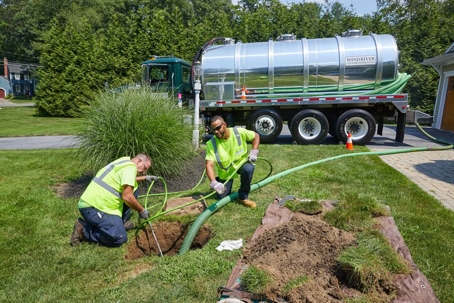
Credit: www.wrenvironmental.com
Septic System Basics
A septic system treats wastewater from your home. It is common in areas without city sewer systems. Understanding the basics helps keep it working well and prevents costly repairs.
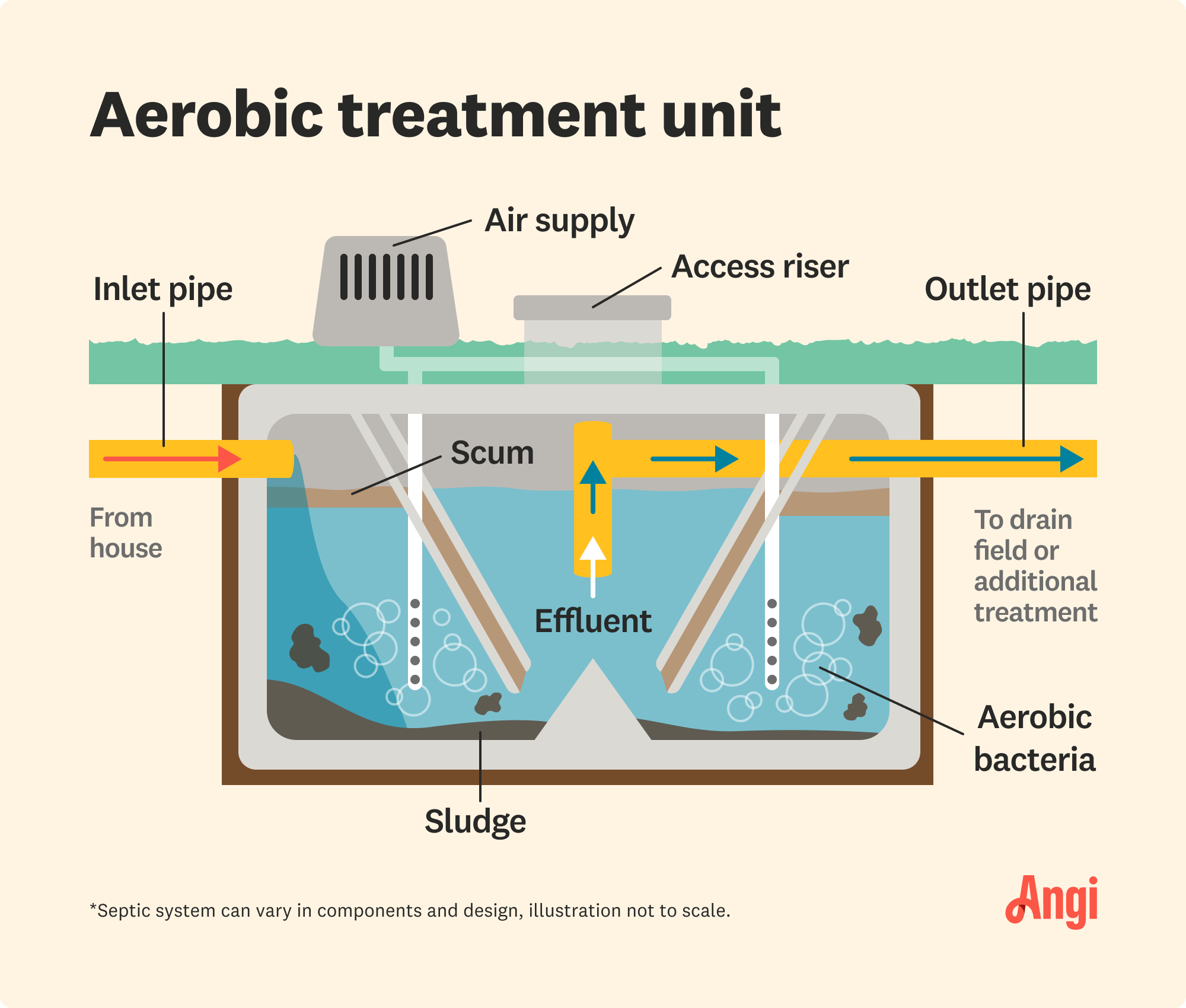
The system has three main parts: the tank, the drain field, and the soil. Wastewater flows from your home into the septic tank. The tank holds solid waste while liquids flow out to the drain field. The soil filters and cleans the water before it returns to the ground.
How A Septic Tank Works
The tank separates solids from liquids. Solids settle at the bottom forming sludge. Lighter materials float on top, creating scum. The liquid layer in the middle moves to the drain field. Bacteria in the tank break down some waste.
What Is The Drain Field?
The drain field is a series of pipes buried underground. It spreads wastewater over a large area. Soil and plants filter out harmful bacteria and nutrients. Good drain field function keeps groundwater safe and prevents odors.
Signs Of Septic System Problems
- Slow drains in sinks and tubs
- Bad smells near the tank or drain field
- Wet spots or standing water above the drain field
- Unusual lush grass growth over the drain field
Why Basic Maintenance Matters
Regular care extends the system’s life. It prevents blockages and backups. Maintenance keeps the tank and drain field working correctly. Simple steps save money and protect health.
Credit: www.angi.com
Regular Inspections
Regular inspections are vital for keeping a septic system healthy. They help find problems early and prevent costly repairs. A septic system that is checked often works better and lasts longer.
Inspections involve checking the tank, pipes, and drain field. Experts look for leaks, blockages, and damage. This simple step saves money and avoids system failures.
How Often Should Inspections Occur?
Septic systems usually need inspections every three years. Systems with electrical float switches or pumps require more frequent checks. Some homes may need yearly inspections, depending on use and system size.
What Inspectors Look For During An Inspection
- Tank levels and sludge buildup
- Signs of leaks or cracks
- Condition of pipes and filters
- Function of pumps and alarms
- Drain field health and water absorption
Benefits Of Regular Septic Inspections
- Detects small issues before they grow
- Extends system life and performance
- Protects groundwater from contamination
- Ensures compliance with local regulations
Who Should Conduct The Inspections?
Certified septic professionals perform the inspections. They have the tools and knowledge to assess the system well. Homeowners should avoid DIY inspections to prevent missing problems.
Pumping Schedule
Your septic system needs regular pumping to keep it working well and avoid costly repairs. The pumping schedule depends on several factors, including tank size, household size, and water use habits. Understanding when and how often to pump your tank can save you time, money, and stress down the road.
Frequency Guidelines
Most septic tanks should be pumped every 3 to 5 years. Smaller tanks or larger families may need pumping more frequently—sometimes annually. If your household uses water heavily or has a garbage disposal, this also shortens the time between pumpings.
Keep track of your tank size and the number of people in your home. A 1,000-gallon tank serving 4 people generally fits the 3 to 5-year range. But what if you notice your system acting up before then? That’s when paying attention to signs of fullness becomes important.
Signs Of Fullness
Watch out for slow drains, bad odors near the septic area, or soggy ground around the drain field. These can mean your tank is full or clogged. Don’t wait for a complete backup; early action prevents damage and expensive fixes.
If you notice these signs, call a professional to inspect and possibly pump your tank. Waiting can cause untreated sewage to leak into your yard or home, which is a health hazard. Your septic system’s health depends on you spotting the warning signs early and scheduling maintenance accordingly.
Water Conservation
Water conservation plays a key role in maintaining your septic system’s health. Managing how much water flows through your system can prevent overload and costly repairs. Think of your septic system as a delicate balance—too much water disrupts this balance and shortens its life.
Efficient Water Use
Using water efficiently helps reduce the strain on your septic system. Small changes like fixing leaks, installing low-flow faucets, and running full loads in your dishwasher and washing machine make a big difference.
One homeowner shared how switching to a water-efficient showerhead cut their water use nearly in half. This simple change eased pressure on their septic tank and prevented early clogging. How could you adjust your daily water habits to protect your system?
Impact On Septic System
Excess water pushes solids through the system before they settle, leading to blockages and system failure. Conserving water means your septic tank has time to separate solids and liquids properly.
Too much water can also saturate the drain field, causing waste to pool on the surface, which is both a health hazard and a sign of system overload. Saving water extends the life of your septic system and keeps your yard safe and clean.
Proper Waste Disposal
Proper waste disposal plays a key role in septic system maintenance. It helps keep the system working well and avoids costly repairs. Waste that enters the septic tank affects how bacteria break down solids. Some materials can harm this process or clog the system. Understanding what to flush and what to avoid protects your septic system’s health.
What Not To Flush
- Plastic items like bags and wipes
- Paper towels and napkins
- Grease, oils, and cooking fats
- Medications and chemicals
- Sanitary products and diapers
- Cigarette butts and cat litter
These items do not break down easily. They can block pipes or fill the tank quickly. Avoid flushing anything other than human waste and toilet paper.
Safe Household Products
Use household products that are gentle on the septic system. Choose biodegradable soaps and cleaners. These products help maintain healthy bacteria inside the tank.
- Natural or enzyme-based detergents
- Septic-safe toilet cleaners
- Non-toxic, phosphate-free laundry detergents
These choices reduce chemical buildup and protect your system’s function. Always check labels for septic-safe claims.
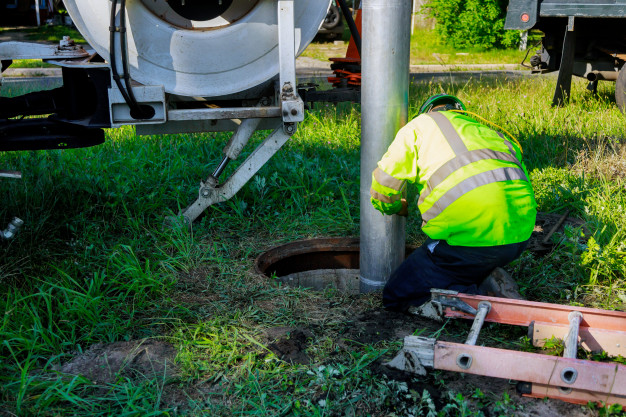
Credit: schlager.ca
Drainfield Care
Your drainfield is a vital part of your septic system, responsible for safely dispersing treated wastewater into the soil. Proper care of the drainfield helps prevent costly repairs and system failures. Understanding how to protect and maintain this area ensures your septic system continues to work efficiently for years.
Avoiding Damage
Protecting your drainfield starts with preventing any physical damage. Avoid driving or parking vehicles on this area, as heavy weight can crush the pipes and soil structure beneath. Keep heavy equipment and construction activities well away from the drainfield to preserve its integrity.
Think about the last time you noticed soggy or unusually green patches in your yard. These may signal drainfield problems caused by soil compaction or damage. Addressing these signs early can save you from expensive repairs and system replacement.
Landscaping Tips
Careful landscaping around your drainfield can help maintain its health. Plant only grass or shallow-rooted plants over the drainfield to avoid roots interfering with the pipes. Deep-rooted trees or shrubs can cause cracks or blockages, so keep them at a distance.
Watering your lawn near the drainfield? Be cautious not to overwater as excess moisture can saturate the soil and reduce its ability to absorb wastewater. Instead, allow natural rainfall to maintain the moisture balance.
Have you thought about where rainwater from your roof drains? Directing downspouts away from the drainfield prevents extra water from flooding the area. Simple adjustments like these can greatly extend your drainfield’s lifespan.
Monitoring System Health
Monitoring the health of your septic system keeps it working properly. It helps avoid costly repairs and protects the environment. Regular checks can catch small problems early. This way, the system lasts longer and stays safe for your home.
Recognizing Warning Signs
Watch for slow drains in sinks and tubs. Foul smells near the septic tank or drain field show issues. Wet or soggy areas above the drain field are a red flag. Gurgling sounds in plumbing pipes may signal trouble. These signs mean the system needs attention quickly.
Professional Assessments
Hire a septic expert to inspect the system regularly. They check the tank, pipes, and soil condition. Professionals use tools to measure sludge levels and system flow. Their reports help plan cleaning or repairs before damage occurs. Schedule assessments every three years or as recommended.
Diy Maintenance Tips
Maintaining your septic system doesn’t always require a professional visit. With some basic knowledge and regular attention, you can keep your system running smoothly and avoid costly repairs. Here are practical tips you can apply yourself to stay on top of your septic system’s health.
Simple Checks
Start by inspecting the area around your septic tank regularly. Look for signs like standing water, unpleasant odors, or soggy patches in your yard—these could indicate a problem.
Check the lids and access points to ensure they are secure and undamaged. This prevents debris from entering the tank and helps keep everything functioning properly.
Keep an eye on your water usage. Excessive water flow can overload the system, so try to spread out laundry loads and avoid draining large amounts at once.
Routine Upkeep
Regularly clean your septic tank’s filters if your system has them. This simple task can prevent solids from clogging the drain field and extend the life of your system.
Be mindful of what you flush or pour down drains. Avoid harsh chemicals, grease, and non-biodegradable items as they can harm the bacterial balance necessary for your septic system to work.
Maintain your drain field by keeping it free of heavy objects and planting only grass or shallow-rooted plants nearby. Deep roots can damage pipes and disrupt the system’s function.
Have you noticed any changes in how your drains are working? Early detection through these DIY checks can save you from unexpected septic failures.
Frequently Asked Questions
What Is The Basic Maintenance For A Septic System?
Basic maintenance includes regular pumping, inspecting for leaks, and conserving water. Avoid flushing harmful chemicals. Proper care prevents costly repairs and extends system life.
How Often Should A Septic Tank Be Pumped?
A septic tank should be pumped every 3 to 5 years. Frequency depends on tank size and household usage. Regular pumping prevents system backups and failures.
What Signs Indicate Septic System Problems?
Common signs include slow drains, foul odors, and wet spots near the tank. Early detection helps avoid expensive repairs and health hazards.
Can Household Habits Affect Septic System Health?
Yes, excessive water use and flushing non-biodegradable items harm the system. Using water efficiently and proper waste disposal protect the septic system.
Conclusion
Keeping your septic system maintained saves money and avoids problems. Regular checks help spot issues early. Pumping the tank every few years keeps it working well. Avoid flushing harmful items or pouring chemicals down drains. Clean filters and inspect pipes for clogs often.
Taking small steps now prevents costly repairs later. A healthy septic system protects your home and the environment. Simple care makes a big difference in its lifespan. Stay consistent with maintenance for peace of mind. Your septic system will thank you with reliable service.
Leave a Reply