
Have you ever wondered what makes your electronic devices work smoothly? One small but powerful part playing a big role is Component L. Understanding what Component L is can change the way you see electronics and even help you troubleshoot or build your own gadgets.
You’ll discover exactly what Component L does, why it’s important, and how it affects your everyday electronics. Keep reading to unlock the secrets behind this essential electronic component.
Basics Of Inductors
Component L in electronics is called an inductor. It stores energy in a magnetic field when electric current flows through it. Inductors are used to control current and filter signals in circuits.
Definition And Purpose
An inductor is a basic electronic component. It stores energy in a magnetic field when electric current flows through it. Inductors resist changes in current. This property helps in filtering signals and managing power in circuits. They are found in many devices like radios, TVs, and power supplies.
Historical Background
Inductors were discovered in the early 19th century. Michael Faraday first studied electromagnetic induction in 1831. This discovery led to the creation of inductors. Over time, engineers improved their design and use. Today, inductors are essential in modern electronics and communication systems.
How Inductors Work
Inductors, also called component L in electronics, store energy using magnetic fields. They resist changes in electric current, making them vital in many circuits. Understanding how inductors work helps to grasp their role in electronics.
Magnetic Field And Energy Storage
When current flows through an inductor, it creates a magnetic field around the coil. This magnetic field stores energy. The energy stays in the field as long as current flows. If the current changes, the magnetic field changes too.
This change in the magnetic field causes the inductor to oppose the current change. It slows down the rise or fall of current. This feature is useful in filters, transformers, and power supplies.
Inductive Reactance
Inductive reactance is the resistance an inductor shows to changing current. It depends on the frequency of the current. Higher frequency means higher reactance. This means the inductor blocks high-frequency signals more than low-frequency ones.
The formula for inductive reactance is:
| Symbol | Meaning |
|---|---|
| XL | Inductive reactance (ohms) |
| 2πfL | Formula where f is frequency (Hz), L is inductance (Henrys) |
Inductive reactance helps control signal flow in circuits. It shapes how inductors work in AC circuits and filters.
Types Of Inductors
Inductors come in various types, each designed to meet specific needs in electronic circuits. Understanding the differences helps you pick the right component for your project. Let’s look at the most common types of inductors and what makes each unique.
Air Core Inductors
Air core inductors use a coil of wire without any magnetic material inside. This design means they don’t suffer from core losses, making them ideal for high-frequency applications. If you need an inductor with minimal energy loss and stable inductance, air core might be your best choice.
However, air core inductors usually have lower inductance values compared to those with cores. Have you noticed how their size often increases when trying to boost inductance? This trade-off is something to keep in mind when space is limited.
Iron Core Inductors
Iron core inductors feature a core made of iron or iron alloys, which increases the inductance significantly. They are great for handling high currents and are commonly found in power supply circuits. You might have come across them in transformers or chokes within your devices.
One thing to watch out for is core saturation, which happens when the magnetic core can’t handle more magnetic flux. This can distort your signal or reduce efficiency. Have you ever experienced overheating in your circuit? Iron core inductors sometimes contribute to that under heavy loads.
Ferrite Core Inductors
Ferrite core inductors use a core made from ferrite, a type of ceramic magnetic material. They offer a good balance between high inductance and low core losses, especially at high frequencies. This makes them popular in RF circuits and switching power supplies.
The ferrite material also helps reduce electromagnetic interference, which is crucial in sensitive electronics. If you’re working on a project where noise is a concern, ferrite core inductors are worth considering. Have you ever struggled with interference issues? These components can often be the solution.
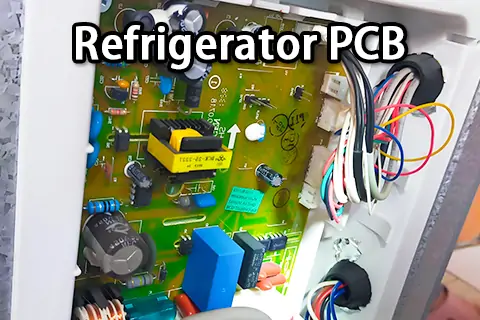
Credit: www.pcbasic.com
Applications Of Inductors
Inductors, often labeled as Component L in electronics, play a crucial role in various devices you interact with daily. Their unique ability to store energy in a magnetic field makes them indispensable across different fields. Understanding where inductors fit can help you appreciate their impact on technology and possibly inspire your next project.
Power Supplies
Inductors are key players in power supply circuits. They smooth out fluctuations by storing and releasing energy, ensuring steady voltage output. If you’ve ever noticed how a laptop charger keeps your device running without interruption, inductors are part of that magic.
They also help filter out electrical noise, protecting sensitive components. This means your devices receive clean, stable power, which extends their lifespan. Think about the last time your phone charged quickly and safely—inductors contributed to that experience.
Signal Processing
In signal processing, inductors help shape and control electrical signals. They work with capacitors to create filters that allow certain frequencies to pass while blocking others. This selective filtering is essential in audio equipment, where clarity and sound quality matter.
Have you ever adjusted the equalizer on your music player? Inductors are behind the scenes, enabling that fine-tuning of sound. They also assist in tuning circuits, helping radios and TVs pick up the right channels without interference.
Radio Frequency Circuits
Inductors are fundamental in radio frequency (RF) circuits, where they manage high-frequency signals. They form resonant circuits with capacitors to select specific frequencies for transmission or reception. This precision is why you get clear signals when tuning into your favorite radio station.
In wireless communication devices, inductors help maintain signal integrity and reduce loss. Next time your Wi-Fi or Bluetooth connection feels strong and stable, remember that inductors are working hard inside your device.
Selecting The Right Inductor
Selecting the right inductor is crucial in electronic design. It affects circuit efficiency and performance. Choosing an unsuitable inductor can lead to signal loss, noise, or overheating. Understanding key specs and common challenges helps make a better choice.
Key Specifications
- Inductance:Measured in henries (H), it defines the inductor’s ability to store energy.
- Current Rating:Maximum current the inductor can handle without damage.
- DC Resistance (DCR):Resistance of the coil, affects power loss and heat generation.
- Size and Shape:Must fit within the device’s physical constraints.
- Frequency Range:Suitable for the operating frequency of your circuit.
- Quality Factor (Q):Indicates energy efficiency of the inductor.
Common Challenges
- Choosing an inductor with too low current rating causes overheating.
- High DC resistance leads to unnecessary power loss.
- Incorrect inductance value can distort signals or reduce efficiency.
- Physical size may not fit in compact electronic devices.
- Inductors may introduce noise if not properly shielded.
- Frequency mismatch causes poor performance in high-speed circuits.
Testing And Measurement
Testing and measurement are key when working with Component L in electronics. Without accurate testing, you can’t be sure if the component is functioning properly or if it will cause issues in your circuit. Understanding how to measure and interpret Component L helps you maintain reliability and improve your designs.
Tools And Techniques
Several tools can help you test Component L effectively. An LCR meter is a common device that measures inductance, capacitance, and resistance. It provides a direct reading of Component L’s inductance value.
Oscilloscopes paired with signal generators offer another approach. By applying a known frequency and observing the voltage and current waveforms, you can calculate the inductance. This method gives insight into how the component behaves under real circuit conditions.
Don’t forget simple continuity testers to check for open or short circuits in inductors. Using the right technique depends on your available tools and the precision you need.
Interpreting Results
Reading the numbers is just the start. If your measured inductance is significantly off from the component’s rating, it might be damaged or unsuitable for your application. Small variations are normal due to tolerance but large discrepancies warrant replacement.
Look at the quality factor (Q) too. A low Q indicates higher energy loss, which can affect your circuit’s performance. If you notice unexpected resistance or irregular behavior in the measurement, ask yourself if the component was tested under proper conditions.
How do your results compare to the expected values? This question helps you decide if you can trust Component L in your design or if further testing is needed.
Future Trends In Inductor Technology
The future of inductor technology is evolving rapidly, driven by demands for smaller, more efficient electronic components. As devices shrink and performance requirements increase, inductors must adapt to fit new roles in modern circuits. Understanding these trends can help you anticipate the changes that will shape your electronics projects and products.
Miniaturization
Inductors are getting smaller without losing their effectiveness. This miniaturization allows you to add powerful components to compact devices like wearables and smartphones. Smaller inductors reduce space on circuit boards, letting you design sleeker, more portable electronics.
Advanced manufacturing techniques, such as microfabrication, enable precise winding of coils in tiny spaces. This means you can expect more inductors that fit into tight spots while maintaining high performance. Have you noticed how your devices are getting slimmer yet more powerful? That’s partly due to this trend.
Material Innovations
The materials used in inductors are changing to improve efficiency and durability. New magnetic materials with higher permeability help inductors store more energy in less space. These materials also reduce energy losses, which means your circuits run cooler and last longer.
Researchers are exploring nanocrystalline and amorphous alloys that enhance magnetic properties. Such materials allow inductors to work well at higher frequencies, crucial for fast, modern electronics. Imagine charging your devices faster and with less heat generation—material innovation makes this possible.

Credit: www.electronicsandyou.com

Credit: www.electronicsandyou.com
Frequently Asked Questions
What Does Component L Represent In Electronics?
Component L represents an inductor in electronics. It stores energy in a magnetic field. Inductors oppose changes in current, helping filter signals and manage power.
How Is Component L Symbolized In Circuit Diagrams?
Component L is symbolized by a coiled wire icon in circuit diagrams. This coil indicates its inductive property, showing its role in controlling current flow.
What Are Common Uses Of Component L In Circuits?
Component L is used in filters, transformers, and tuning circuits. It blocks high-frequency signals while allowing low-frequency currents to pass, aiding signal processing.
How Does Component L Affect Ac And Dc Currents?
Component L resists changes in AC current but allows DC to pass easily. It creates inductive reactance, which varies with frequency, influencing circuit behavior.
Conclusion
Component L plays a key role in many electronic circuits. It helps store energy and control current flow. Understanding its function can improve how devices work. Simple parts like this make complex electronics possible. Keep exploring electronics to see how each part fits.
Learning step by step makes the topic easier. Component L is just one piece of the puzzle.
Leave a Reply