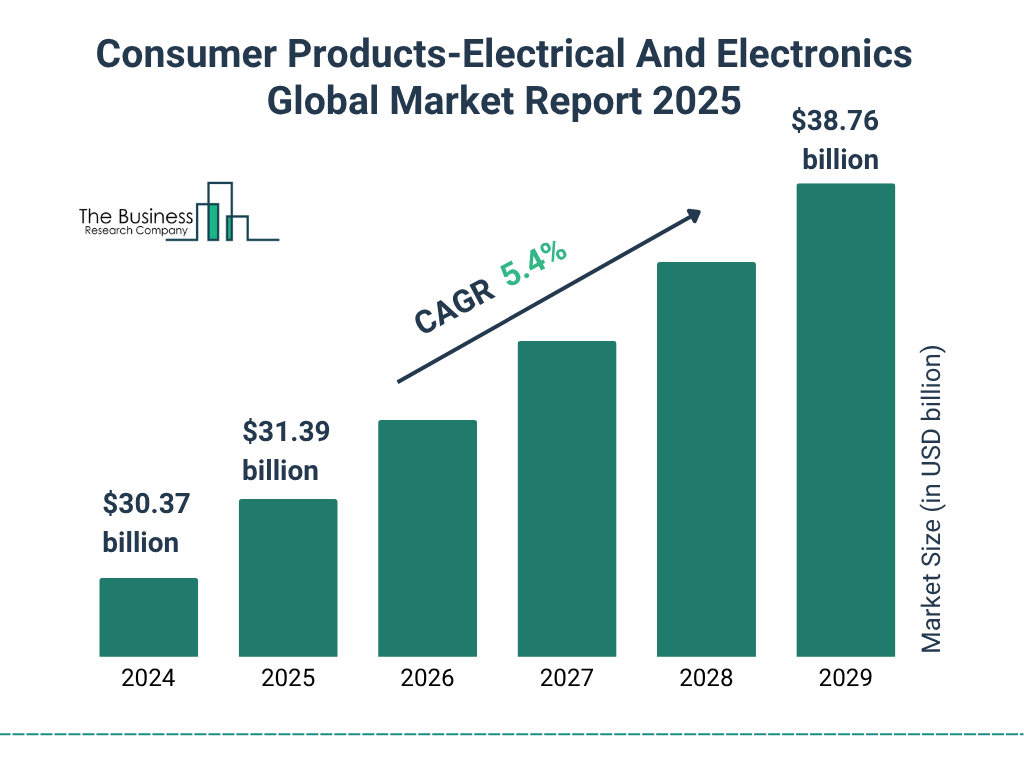
Have you ever wondered what drives the gadgets you use every day? The consumer electronics market is the hidden force behind all those devices that make your life easier and more fun.
From smartphones to smart TVs, this market shapes the technology you rely on. Understanding it can help you make smarter choices when buying your next gadget. Keep reading to discover what the consumer electronics market really is and why it matters to you.

Credit: www.statista.com
Consumer Electronics Overview
The consumer electronics market includes devices used in daily life. These products make life easier and more fun. They cover a wide range of gadgets and tools. From smartphones to smart TVs, this market is vast and growing. People use these devices for work, entertainment, and communication.
Technology changes fast in this market. New features and designs come out regularly. This keeps consumers interested and eager to upgrade. The market also plays a big role in the economy. It creates jobs and drives innovation worldwide.
What Are Consumer Electronics?
Consumer electronics are electronic devices made for personal use. They include items like phones, computers, and cameras. These devices help people connect, learn, and relax. Most run on batteries or electricity. They are easy to use and carry around.
Key Categories In Consumer Electronics
- Mobile devices such as smartphones and tablets
- Home entertainment systems including TVs and speakers
- Wearable technology like smartwatches and fitness trackers
- Computer and gaming devices such as laptops and consoles
- Smart home gadgets including security cameras and smart lights
Factors Driving Market Growth
- Demand for faster and smarter devices
- Advances in wireless and internet technology
- Rising interest in connected home systems
- Affordable prices and easy availability
- Increased digital content consumption
Key Market Trends
The consumer electronics market is evolving rapidly, shaped by trends that redefine how you interact with technology daily. These trends not only influence the types of products available but also how you integrate them into your lifestyle. Understanding these key market trends can help you make smarter choices when selecting your next gadget.
Smart Home Devices
Smart home devices are no longer just a luxury; they are becoming essential in many households. Devices like smart speakers, thermostats, and security cameras offer convenience and energy savings. Have you noticed how controlling your home’s lighting or temperature from your phone adds a new level of comfort and efficiency?
Manufacturers are focusing on better integration and user-friendly apps, making it easier for you to connect multiple devices seamlessly. This trend suggests a future where your home anticipates your needs without constant input.
Wearable Technology
Wearable technology continues to expand beyond fitness trackers into health monitors and even smart clothing. These devices provide real-time data that can help you improve your health and stay connected without reaching for your phone. Imagine having your heart rate and sleep patterns tracked automatically to inform your daily habits.
With improvements in battery life and design, wearables are becoming more comfortable and stylish. This trend pushes you to think about technology as a personal companion rather than just a tool.
Sustainable Electronics
Consumers are increasingly demanding electronics that reduce environmental impact. Sustainable electronics focus on energy efficiency, recyclable materials, and longer product lifespans. How much do you consider the environmental footprint of your gadgets before purchasing?
Brands adopting these principles aim to build trust and loyalty by offering products that align with your values. This trend challenges you to prioritize sustainability alongside functionality and price.
Growth Drivers
The consumer electronics market is rapidly evolving, driven by several powerful factors. Understanding these growth drivers helps you grasp why this market continues to expand and where opportunities lie. Let’s look at the key elements pushing this growth forward.
Technological Advancements
New technologies keep reshaping what consumer electronics can do. Innovations like artificial intelligence, 5G connectivity, and smart home integration are making devices more useful and appealing.
Think about how smartphones have become indispensable because of constant upgrades. Your daily experience shows how faster processors and better cameras make you want to upgrade regularly.
Rising Disposable Income
As people earn more, they have extra money to spend on gadgets and devices. This is especially true in emerging markets where growing middle classes prioritize tech products.
When your budget grows, you might choose a high-end TV or a wearable fitness tracker. This personal choice reflects a broader trend driving sales across the market.
E-commerce Expansion
Online shopping has transformed how you buy consumer electronics. Platforms like Amazon and specialized tech stores give you access to a wide range of products anytime, anywhere.
Convenience and competitive pricing make e-commerce a preferred option. Have you noticed how easy it is to compare features and prices before making a purchase? This ease encourages more frequent buying.
Challenges In The Market
The consumer electronics market is a dynamic space filled with rapid innovation and evolving customer demands. However, navigating this market is far from simple. You face several challenges that can directly impact your business’s success and sustainability.
Supply Chain Disruptions
Supply chain disruptions have become a major headache for many companies in consumer electronics. Delays in component deliveries or sudden shortages can halt production lines and frustrate customers. Have you ever experienced a delay in launching a product because a key part was missing? This issue forces you to rethink sourcing strategies and build stronger relationships with suppliers.
Intense Competition
The market is flooded with brands all competing for your customer’s attention and loyalty. Standing out requires more than just a good product; you need to offer unique features, competitive pricing, and excellent customer service. Ask yourself: how does your product really differ from others on the shelf? If you can’t answer that clearly, your market share might shrink quickly.
Regulatory Hurdles
Consumer electronics companies must navigate a maze of regulations around safety, environmental impact, and data privacy. These rules vary widely across regions, making it tough to ensure compliance everywhere you sell. Ignoring these regulations can lead to fines or even product bans, which can cripple your business. Are you keeping your compliance team updated on changing laws?
Regional Insights
The consumer electronics market varies widely across different regions. Each region shows unique trends and demands based on local preferences and economic factors. Understanding these differences helps businesses plan better strategies and meet customer needs effectively.
North America
North America leads in innovation and technology adoption. Consumers prefer smart devices and wearables. The market benefits from high internet penetration and strong purchasing power. U.S. and Canada drive most of the growth. Brands invest heavily in marketing and product development here.
Europe
Europe values quality and sustainability in electronics. Consumers seek energy-efficient and eco-friendly products. Countries like Germany, France, and the UK are top buyers. Online sales channels are growing fast. The market also focuses on privacy and data security features.
Asia-pacific
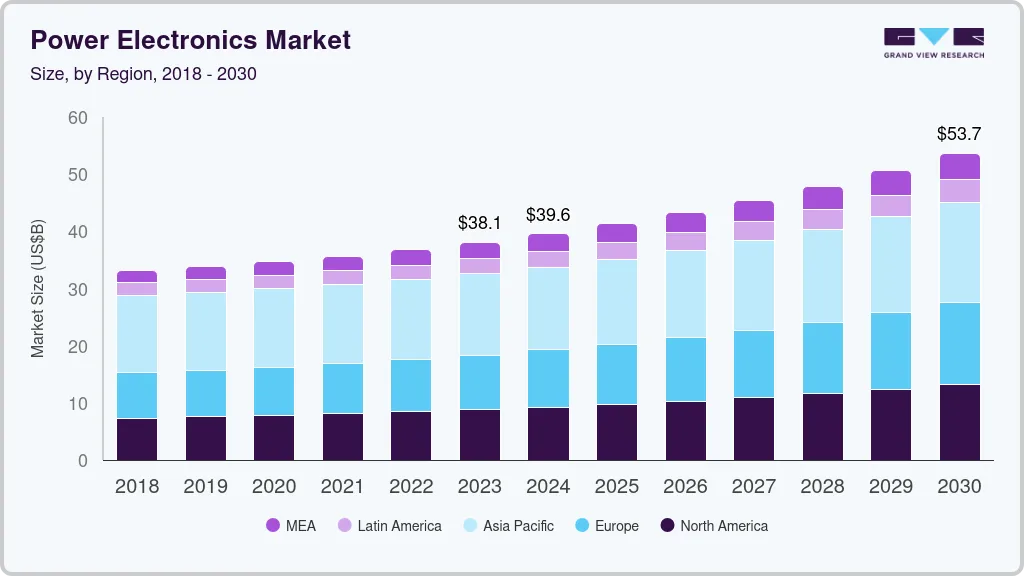
Asia-Pacific shows the fastest market growth worldwide. Large populations and rising incomes boost demand. China, India, and Japan are key players. Mobile phones and smart home devices lead sales. Local brands compete strongly with global giants. Innovation in affordable technology drives expansion.
Credit: www.grandviewresearch.com
Future Prospects
The future of the consumer electronics market is bright but complex. Rapid changes in technology, shifting consumer habits, and a growing focus on sustainability will shape what’s next. Understanding these trends can help you stay ahead whether you’re a buyer, seller, or enthusiast.
Emerging Technologies
New tech like 5G, artificial intelligence, and smart home devices are changing how electronics work and connect. Imagine your devices not only performing tasks but also learning your habits to make life easier.
Wearables and augmented reality gadgets are becoming more common, adding layers of convenience and entertainment. Are you ready to interact with your devices in ways you never thought possible?
Consumer Preferences
Buyers today want more than just functionality; they look for style, durability, and seamless integration into daily life. Your choice might lean toward gadgets that offer customization or multifunctionality.
People also favor brands that provide reliable updates and customer support. How often do you upgrade your devices based on these factors?
Sustainability Focus
Environmental impact is becoming a top priority for many consumers and manufacturers alike. Electronics that use recyclable materials or consume less power are gaining popularity.
You might find yourself asking if your next purchase supports a greener planet. Brands that commit to sustainability could influence your buying decisions more than ever before.

Credit: www.openpr.com
Frequently Asked Questions
What Defines The Consumer Electronics Market?
The consumer electronics market includes devices used daily by individuals. It covers gadgets like smartphones, TVs, and wearable tech. This market focuses on personal use and entertainment products.
How Big Is The Global Consumer Electronics Market?
The global consumer electronics market is valued at trillions of dollars. It grows steadily due to technological advances and increased consumer demand. Emerging markets contribute significantly to this growth.
What Are The Key Trends In Consumer Electronics?
Key trends include smart devices, AI integration, and IoT connectivity. Eco-friendly and energy-efficient products are also gaining popularity. These trends shape product innovation and consumer preferences.
Who Are The Major Players In This Market?
Major players include Apple, Samsung, Sony, and LG. These companies lead in innovation, sales, and market share. Their products dominate various segments of consumer electronics.
Conclusion
The consumer electronics market grows fast every year. People want new devices to make life easier and fun. This market includes phones, TVs, and smart gadgets. Technology changes quickly, so companies keep improving products. Buyers enjoy more choices and better features.
Understanding this market helps you make smart buying decisions. Stay aware of trends to get the best devices. The world of electronics keeps evolving, always offering something new.
Leave a Reply