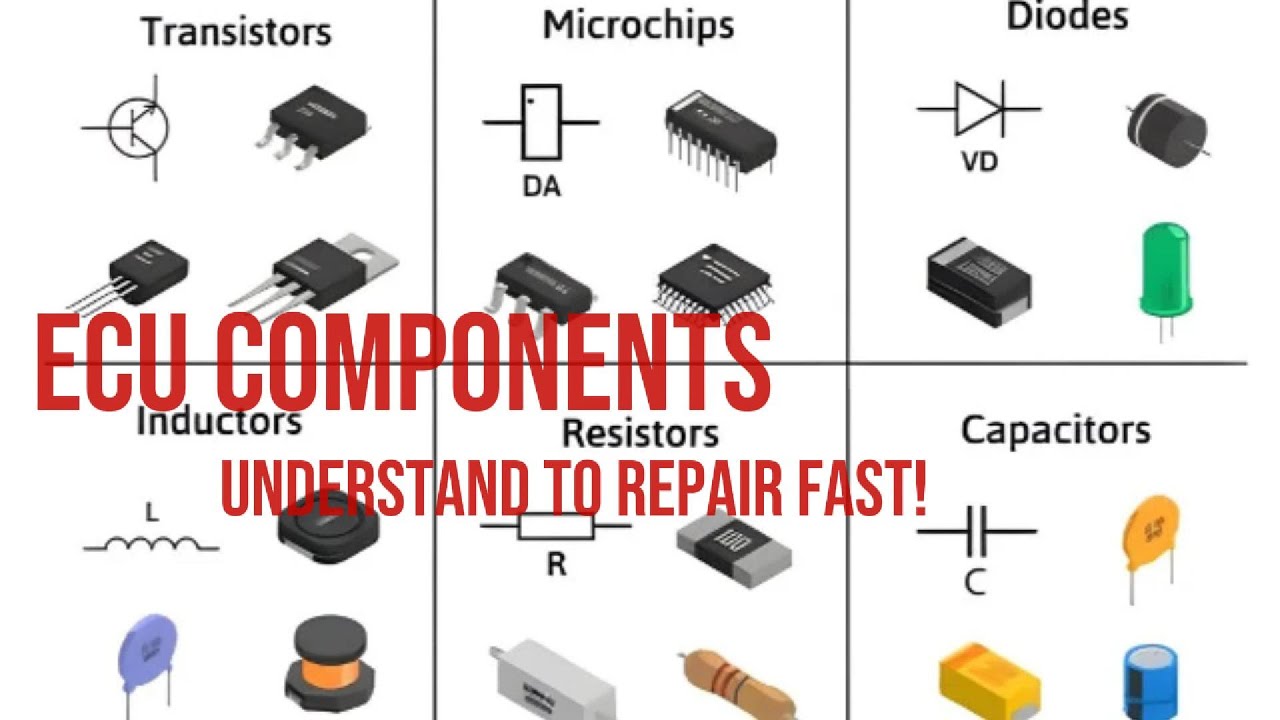
Have you ever wondered what makes your smartphone light up or your favorite gadget work so smoothly? It all comes down to tiny parts called electronic components.
These small pieces are the real heroes inside every device you use daily. Understanding what electronic components are all about can open up a whole new world for you—whether you’re curious, want to fix something, or even build your own gadgets.
Stick with me, and you’ll discover how these little elements shape the technology around you in ways you never imagined.

Credit: www.youtube.com
Types Of Electronic Components
Electronic components form the building blocks of all electronic devices. They come in various types, each serving a unique function. Understanding these types helps in grasping how devices work and how circuits are designed.
The three main categories of electronic components are active components, passive components, and electromechanical components. Each type plays a different role in controlling electric current and signals.
Active Components
Active components control the flow of electricity and can amplify signals. They need an external power source to operate. Common active components include:
- Transistors
- Diodes
- Integrated Circuits (ICs)
- Operational Amplifiers
These components are essential for switching, amplification, and signal processing.
Passive Components
Passive components cannot amplify signals or control current. They only store or dissipate energy. Key passive components are:
- Resistors
- Capacitors
- Inductors
- Transformers
They help manage voltage, current, and energy storage in circuits.
Electromechanical Components
Electromechanical components combine electrical and mechanical functions. They physically move or change position to control circuits. Examples include:
- Relays
- Switches
- Connectors
- Motors
These parts enable manual or automatic control of electronic systems.
Functions Of Electronic Components
Electronic components serve crucial roles in every device you use daily. Understanding their functions helps you appreciate how complex gadgets operate smoothly. These components work together to manage electrical signals and energy, turning raw power into meaningful actions.
Signal Amplification
Many electronic components boost weak signals so devices can process them effectively. Amplifiers, for example, increase audio signals in speakers, making sound louder without losing quality. Have you ever wondered how your phone call remains clear even in noisy areas? That’s signal amplification at work.
Without amplification, signals would be too faint to use. This function is vital in radios, televisions, and even medical equipment. When you need to catch every detail, amplified signals make all the difference.
Energy Conversion
Some components change energy from one form to another, making devices functional and efficient. Transformers convert voltage levels, while LEDs transform electrical energy into light. Think about the power adapter you use to charge your laptop—that’s energy conversion in action.
This function ensures devices get the right type and amount of energy. It helps conserve power and prevents damage from incorrect voltage. Energy conversion plays a key role in keeping your gadgets safe and reliable.
Signal Control
Controlling signals means managing their flow and behavior within a circuit. Components like transistors act as switches or gates, deciding when and where signals go. Ever noticed how your TV remote controls the screen instantly? Signal control makes that possible.
Signal control enhances device precision and responsiveness. It allows circuits to perform complex tasks by guiding signals accurately. Without it, devices would struggle to perform even simple functions.
Common Electronic Components
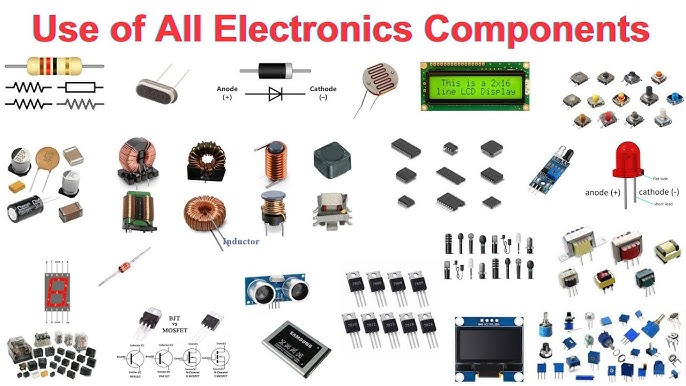
Common electronic components form the backbone of almost every electronic device you use daily. Understanding these components gives you the power to troubleshoot, create, and innovate with electronics. Let’s break down the essentials you’ll encounter most often.
Resistors
Resistors control the flow of electric current in a circuit by providing resistance. They protect sensitive parts by limiting current and dividing voltages. Have you ever noticed tiny colored bands on a resistor? Those bands tell you its resistance value, which is crucial for matching the right resistor to your project.
Capacitors
Capacitors store and release electrical energy quickly. They help smooth out power supply fluctuations and filter signals in circuits. You might find them in everything from radios to computers, where they keep the power steady and prevent noise.
Inductors
Inductors store energy in a magnetic field when current flows through them. They’re often used in filters and transformers to manage signals and power. Ever wondered how your phone charger converts power efficiently? Inductors play a key role in that process.
Diodes
Diodes allow current to flow in only one direction, acting like electronic check valves. This one-way flow protects circuits from damage and converts AC to DC power. A common example is the light-emitting diode (LED), which lights up when current passes through.
Transistors
Transistors act as switches or amplifiers in electronic circuits. They can turn signals on or off and boost weak electrical signals. Without transistors, devices like smartphones and computers wouldn’t be nearly as powerful or compact.
Applications In Modern Technology
Electronic components form the backbone of countless devices that shape your daily life. Their role extends far beyond basic circuits, powering innovations that keep you connected, safe, and entertained. Let’s dive into how these tiny parts make a massive impact across various fields in modern technology.
Consumer Electronics
Look around your home and you’ll see how electronic components bring gadgets to life. Smartphones, laptops, smartwatches—all depend on microchips, resistors, and sensors working seamlessly together. These components help improve battery life, enhance display quality, and enable touch sensitivity.
Ever noticed how your phone gets smarter with software updates? That’s possible because of adaptable electronic parts designed to handle new functions without needing hardware changes. What features would you want your next device to have that current components might support?
Automotive Systems
Your car isn’t just metal and wheels anymore; it’s a complex network of electronic components ensuring safety and efficiency. Sensors monitor tire pressure, cameras assist with parking, and control units manage engine performance. These parts reduce accidents and improve fuel economy.
Modern vehicles now include advanced driver-assistance systems (ADAS) that rely heavily on electronic components. Imagine how these systems might evolve to give you a smoother and safer ride. How would you feel about handing more control to these electronic helpers?
Telecommunications
Every call you make and every message you send travels through a web of electronic components. Transistors and integrated circuits amplify signals, while antennas and modulators help transmit data over long distances. Without these components, global communication as you know it wouldn’t exist.
Think about the speed and reliability of your internet connection—much of it depends on continuous improvements in electronic components. How would faster, more efficient components change your daily communication and work habits?
Choosing The Right Components
Choosing the right electronic components is key to building reliable devices. Each component affects how well a device works. Picking poor components may cause failure or reduce performance. Quality parts fit the purpose and last longer. Consider several factors before making a choice. This helps save time, money, and effort in the long run.
Performance Specifications
Performance specs show what a component can handle. Check voltage, current, power ratings, and tolerance levels. These specs must match your device’s needs. Components with wrong specs can overheat or fail. Look for datasheets that explain these details clearly. Accurate specs ensure the device works safely and efficiently.
Compatibility Considerations
Components must work well together in a circuit. Size, pin configuration, and package type matter. Using incompatible parts can cause connection issues or damage. Check if components support the same standards and protocols. Match components to the board layout and design. Compatibility keeps the system stable and easy to assemble.
Cost Efficiency
Cost impacts the overall project budget. Balance price with quality for best results. Cheap parts might save money but risk reliability. Expensive parts may offer more features or durability. Consider bulk buying for discounts on common components. Plan purchases to avoid overstock or shortages. Smart spending leads to a successful project within budget.
Credit: www.youtube.com
Trends In Electronic Components
Electronic components are evolving fast to meet new demands. These changes shape how devices work and how we use technology daily. The focus is on making parts smaller, smarter, and greener. Trends in electronic components reflect progress in design and function.
Miniaturization
Components now fit into much smaller spaces. This trend helps make gadgets lighter and more portable. Small parts allow more features inside tiny devices. Miniaturization supports wearable tech and compact electronics.
Increased Efficiency
New components use less energy but do more work. Efficient parts reduce heat and power waste. This leads to longer battery life in devices. Efficiency improvements also boost performance and reliability.
Sustainability Focus
Manufacturers use eco-friendly materials and processes. Recycling and waste reduction are key priorities. Sustainable components help lower environmental impact. Green electronics are becoming a market standard.

Credit: edzeal.in
Frequently Asked Questions
What Are Electronic Components Used For?
Electronic components are used to build circuits that control electrical signals. They enable devices to function properly in electronics.
How Do Electronic Components Work?
They manage electrical energy by controlling current, voltage, or signal flow within a circuit. This allows devices to perform specific tasks.
What Are Common Types Of Electronic Components?
Resistors, capacitors, diodes, transistors, and integrated circuits are common types. Each serves a unique role in electronic circuits.
Why Are Electronic Components Important In Technology?
They form the foundation of all electronic devices. Without these components, modern technology like smartphones and computers wouldn’t exist.
Conclusion
Electronic components form the heart of all electronic devices. They control and manage electric signals to make devices work. Understanding these parts helps you grasp how gadgets function daily. From simple resistors to complex microchips, each component has a role.
Knowing this basics can spark curiosity and learning. Electronics shape our world in many ways. They keep improving and changing technology around us. Keep exploring to see how these tiny parts connect big ideas.
Leave a Reply