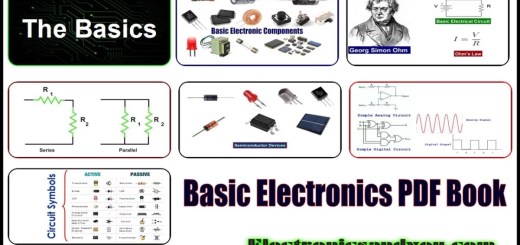
Have you ever wondered what makes your gadgets work? Whether it’s your smartphone, computer, or even your TV, tiny parts inside bring them to life.
These tiny parts are called electronic components. But what exactly are electronic components, and why are they so important for your devices? You’ll discover a simple and clear definition of electronic components. By the end, you’ll understand how these small pieces play a big role in powering the technology you use every day.
Keep reading to unlock the secrets behind the electronics that shape your world.

Credit: www.electronicsandyou.com
Basics Of Electronic Components
Electronic components are the basic building blocks of any electronic device. They control the flow of electricity and help create the desired output. Understanding these components is important for anyone interested in electronics. They come in various shapes, sizes, and functions. Each component plays a unique role in an electronic circuit.
Knowing the basics helps in designing, repairing, and learning about electronics. Components are divided into different types based on their properties and functions. This classification makes it easier to understand their roles in circuits.
Types And Classifications
Electronic components fall into two main categories: passive and active. Each has distinct functions and characteristics.
- Resistors:Control current flow by adding resistance.
- Capacitors:Store and release electrical energy.
- Inductors:Store energy in a magnetic field when current passes.
- Diodes:Allow current to flow in one direction only.
- Transistors:Amplify or switch electronic signals.
- Integrated Circuits (ICs):Combine many components in one small chip.
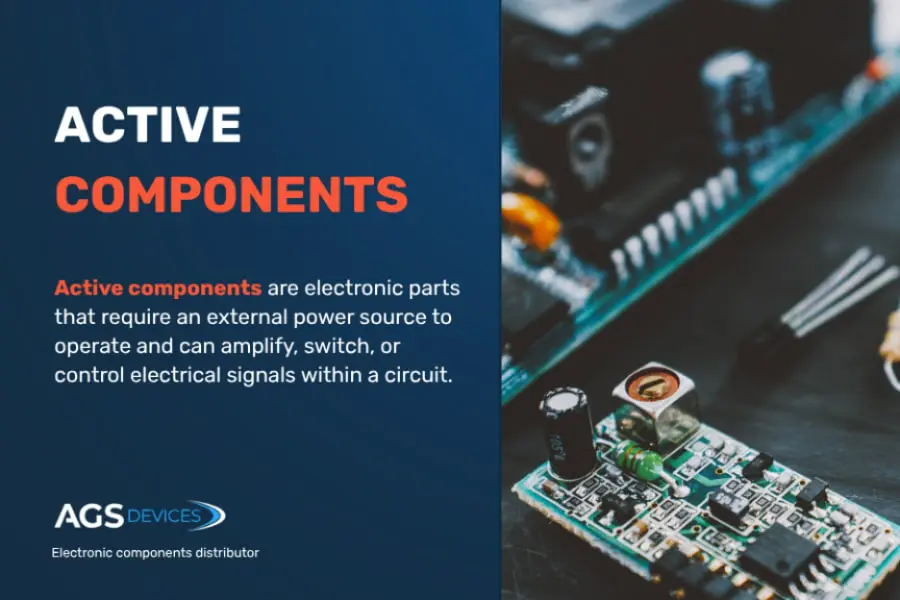
These components serve different roles. Passive components do not add energy to the circuit. Active components can control energy and amplify signals.
Passive Vs Active Components
| Passive Components | Active Components |
|---|---|
| Do not require power to operate. | Require external power to function. |
| Cannot amplify signals. | Can amplify or switch signals. |
| Examples: Resistors, capacitors, inductors. | Examples: Transistors, diodes, ICs. |
| Used for filtering, timing, and energy storage. | Used for signal control and processing. |
Recognizing these differences helps in choosing the right parts for a project. Both types work together to make electronic devices operate smoothly.
Resistors And Their Functions
Resistors are fundamental electronic components that control electric current flow. They provide resistance to the current, helping to manage voltage and protect other components. Without resistors, circuits would malfunction or get damaged due to excessive current. Their role is simple but critical in almost every electronic device.
Types Of Resistors
Resistors come in various types, each designed for different uses. The main types include:
- Fixed Resistors:These have a set resistance value that does not change.
- Variable Resistors:Also called potentiometers, their resistance can be adjusted manually.
- Carbon Film Resistors:Made from carbon film, common in low-power circuits.
- Metal Film Resistors:More precise and stable than carbon types.
- Wirewound Resistors:Built with a wire coil, used for high power and high precision.
Applications In Circuits
Resistors serve many purposes in electronic circuits. They:
- Limit current to safe levels for components like LEDs.
- Divide voltage to provide the correct voltage to parts of the circuit.
- Help set timing in circuits by working with capacitors.
- Control signal levels to ensure proper operation.
- Protect sensitive parts from damage by excessive current.
Capacitors And Their Uses
Capacitors are essential electronic components that store and release electrical energy. They play a key role in managing voltage and smoothing power supply in circuits. These tiny devices come in various shapes and sizes, each designed for specific functions. Their ability to hold charge makes them crucial in many electronic gadgets.
Different Capacitor Types
Capacitors differ by the materials used and their design. Common types include:
- Ceramic Capacitors:Small, affordable, used in high-frequency circuits.
- Electrolytic Capacitors:Larger, with high capacitance, used in power supply filtering.
- Tantalum Capacitors:Reliable and stable, found in portable electronics.
- Film Capacitors:Durable, used in audio and signal processing.
- Supercapacitors:Store large amounts of energy for quick charge and discharge.
Each type suits different applications based on size, capacitance, and voltage rating.
Role In Electronic Devices
Capacitors support many functions in electronic devices. They:
- Store energy to power circuits briefly during interruptions.
- Filter out noise and smooth voltage fluctuations.
- Help tune radio frequencies and timing circuits.
- Couple signals between different parts of a circuit without mixing voltages.
- Protect circuits from voltage spikes and surges.
Without capacitors, devices would face unstable power and poor performance.
Inductors And Their Applications
Inductors play a crucial role in electronic circuits, acting as energy storage devices that influence current and voltage. Their unique ability to resist changes in current makes them essential in various applications, from power supplies to radio frequency devices. Understanding inductors can help you design more efficient and stable circuits.
Types Of Inductors
Inductors come in several types, each suited for specific functions. The most common types include:
- Air Core Inductors:These use a coil of wire without a magnetic core, ideal for high-frequency applications.
- Iron Core Inductors:These have an iron core to increase inductance, commonly used in power transformers and audio equipment.
- Ferrite Core Inductors:Made with a ferrite material core, these are perfect for high-frequency circuits like RF amplifiers.
- Toroidal Inductors:Their doughnut-shaped core reduces electromagnetic interference, enhancing efficiency.
Choosing the right type depends on your circuit’s frequency, size constraints, and performance needs.
Importance In Electronics
Inductors are vital because they control energy flow and filter signals in your circuits. They store energy in a magnetic field when current passes through and release it when needed, helping stabilize power supplies.
Have you ever wondered how your smartphone filters out noise from signals? Inductors are part of that filtering process, ensuring clear communication. They also help in tuning circuits like radios, allowing devices to select specific frequencies.
Without inductors, achieving smooth voltage regulation and effective signal processing would be challenging, making your electronic devices less reliable and efficient.
Semiconductors And Their Role
Semiconductors are essential in modern electronic components. They control electrical signals and power in devices. Without semiconductors, many gadgets would not work. Their unique properties allow them to act as both conductors and insulators. This makes semiconductors versatile and valuable in electronics.
Introduction To Semiconductors
Semiconductors are materials with electrical conductivity between conductors and insulators. Silicon and germanium are common semiconductor materials. These materials change conductivity when exposed to heat, light, or electric fields. This ability helps control electrical currents in circuits. Semiconductors form the base of many electronic components.
Common Semiconductor Devices
- Diodes:Allow current to flow in one direction only.
- Transistors:Act as switches or amplifiers in circuits.
- Integrated Circuits (ICs):Combine many semiconductor devices on a small chip.
- Photodiodes:Convert light into electrical signals.
- LEDs (Light Emitting Diodes):Emit light when electric current passes through.
These devices form the core of computers, smartphones, and other electronics. Semiconductors enable faster, smaller, and more efficient devices.
Credit: www.unikeyic.com
Diodes And Their Importance
Diodes are fundamental electronic components that control the flow of electric current in one direction only. This simple yet powerful function makes them essential in countless electronic devices. Understanding diodes can help you grasp how circuits protect themselves and operate efficiently.
Types Of Diodes
There are several types of diodes, each designed for specific tasks. The most common is the standard diode, which allows current to flow forward and blocks it backward.
- Zener Diode:Used for voltage regulation by allowing current to flow backward at a certain voltage.
- Light Emitting Diode (LED):Emits light when current passes through it, widely used in displays and indicators.
- Schottky Diode:Known for fast switching and low forward voltage drop, ideal for high-speed circuits.
- Photodiode:Converts light into electrical current, used in sensors and solar cells.
Knowing these types helps you choose the right diode for your project and avoid common mistakes, like overheating or circuit failure.
Diode Applications
Diodes play a crucial role in many practical applications around you. They protect circuits by preventing reverse current that could damage components.
- Rectification:Converting AC (alternating current) to DC (direct current) in power supplies.
- Signal Demodulation:Extracting audio from radio signals.
- Voltage Regulation:Keeping voltages stable to protect sensitive electronics.
- Lighting:LEDs provide energy-efficient lighting for homes and gadgets.
Have you ever wondered how your phone charger converts wall electricity into a safe current for your device? Diodes are the reason. Recognizing their importance can help you troubleshoot issues or design smarter circuits.
Transistors In Modern Electronics
Transistors are tiny but powerful devices in modern electronics. They control electrical signals and power in circuits. Without transistors, smartphones, computers, and many gadgets would not work. These components amplify signals and switch currents efficiently. They play a key role in making electronic devices smaller and faster.
Types Of Transistors
- Bipolar Junction Transistor (BJT):Uses current to control current. Common in amplifiers and switches.
- Field-Effect Transistor (FET):Controls voltage to manage current flow. Popular in digital circuits.
- Metal-Oxide-Semiconductor FET (MOSFET):A type of FET with high efficiency. Widely used in power management and microchips.
- Darlington Transistor:Combines two BJTs for higher gain. Used in sensitive amplification tasks.
Uses In Circuit Design
Transistors serve many roles in circuits. They amplify weak signals to stronger levels. This makes audio and radio signals clear and loud. Transistors also act as switches. They turn current on or off in digital devices. They help control power in electronic systems. This improves energy efficiency and device lifespan. Designers rely on transistors for building logic gates and microprocessors. They form the foundation of almost all modern electronics.
Integrated Circuits Explained
Integrated circuits (ICs) are the tiny powerhouses behind nearly every electronic device you use daily. These small chips pack a large number of electronic components like transistors, resistors, and capacitors into a single piece of semiconductor material. Understanding integrated circuits helps you appreciate how complex functions are performed in compact forms that fit in your pocket or control major machinery.
Types Of Integrated Circuits
Integrated circuits come in various types, each designed for specific tasks. Here are some common categories:
- Analog ICs:Handle continuous signals and are used in amplifiers, oscillators, and signal processors.
- Digital ICs:Process binary data and are found in microprocessors, memory chips, and logic gates.
- Mixed-Signal ICs:Combine both analog and digital functions, useful in devices like analog-to-digital converters.
- Application-Specific Integrated Circuits (ASICs):Customized for particular applications, such as in automotive systems or smartphones.
Knowing these types can help you pick the right components for your projects or better understand the devices you use.
Significance In Modern Electronics
Integrated circuits have transformed how electronics are designed and built. Without ICs, devices would be bulkier, slower, and far less reliable.
Think about your smartphone; the tiny chips inside manage everything from processing your touch to connecting to the internet. This level of integration saves space and energy, making your devices lighter and longer-lasting.
Have you ever wondered how something so small can perform so many functions? That’s the magic of integrated circuits — they simplify complex electronic systems into manageable, efficient units.
Sensors And Their Functions
Sensors are essential electronic components that detect changes in the environment and send this information to other electronics. They act like the senses of a device, allowing machines to understand and react to the world around them. Without sensors, smart devices and automated systems wouldn’t function effectively.
Types Of Sensors
You encounter many sensors daily, even if you don’t realize it. Each type serves a specific purpose by detecting different physical or chemical changes.
- Temperature Sensors:Measure heat levels, used in thermostats and weather stations.
- Proximity Sensors:Detect objects nearby without contact, common in smartphones and parking sensors.
- Light Sensors:Measure light intensity, found in automatic lighting and camera exposure settings.
- Pressure Sensors:Monitor pressure changes, useful in automotive and industrial systems.
- Motion Sensors:Detect movement, used in security alarms and fitness trackers.
- Gas Sensors:Identify the presence of gases, crucial in safety and environmental monitoring.
Have you ever wondered how your smartphone knows to adjust its screen brightness automatically? Light sensors are working behind the scenes, making your experience smoother without you lifting a finger.
Applications In Various Fields
Sensors play a crucial role in many industries, making processes safer, faster, and more efficient. They enable technology to respond intelligently to changes in the environment.
| Field | Sensor Use | Impact |
|---|---|---|
| Healthcare | Heart rate and glucose sensors | Allow real-time monitoring of patient health |
| Automotive | Proximity and motion sensors | Enhance safety with collision avoidance systems |
| Home Automation | Temperature and light sensors | Improve energy efficiency and comfort |
| Environmental Monitoring | Gas and pressure sensors | Track pollution and weather conditions |
Think about the last time you used a smart thermostat or a fitness tracker. These devices rely on sensors to offer personalized control and accurate data. What other everyday tools could benefit from sensor technology to make your life easier?
Credit: www.agsdevices.com
Connectors And Their Role
Connectors are vital parts of electronic components. They join different parts of a circuit to allow signals and power to pass through. Without connectors, electronic devices would not work smoothly. They make assembly and repair easier by linking wires and components securely.
Different Types Of Connectors
Connectors come in many shapes and sizes. Each type fits a specific need or device. Some common types include:
- Pin connectors – small metal pins that fit into sockets.
- USB connectors – used for data transfer and charging.
- Coaxial connectors – carry radio frequency signals.
- Ribbon cable connectors – connect multiple wires in a flat cable.
- Terminal blocks – secure wires with screws.
Each type offers different ways to connect, hold, and protect wires and devices.
Importance In Electronic Systems
Connectors ensure stable and reliable connections. They prevent loose contacts that cause device failure. Good connectors reduce electrical noise and signal loss. They also allow easy upgrades and replacements of parts. Connectors support both power delivery and data transmission in circuits.
Strong connectors help electronic systems last longer and perform better. They play a key role in device safety and efficiency.
Future Trends In Electronic Components
The future of electronic components is shaping the way we interact with technology every day. As devices become smarter and more compact, the components inside them must evolve to meet new demands. Understanding these future trends can help you stay ahead in a world driven by innovation.
Advancements In Technology
Electronic components are getting smaller, faster, and more energy-efficient. New materials like graphene and carbon nanotubes are pushing the limits of what components can do. Imagine your smartphone lasting days on a single charge because of these tiny improvements.
Manufacturers are also developing flexible and wearable components that can bend without breaking. This opens doors to gadgets that fit seamlessly into your clothing or even your skin. Have you thought about how this could change healthcare or fitness tracking?
- Miniaturization leads to more powerful devices
- Use of advanced materials improves durability and performance
- Flexible electronics enable new product designs
Impact On Future Electronics
The changes in electronic components will directly affect the devices you use daily. Faster processors and better sensors will make gadgets more responsive and smarter. This means smoother user experiences and smarter automation in homes and workplaces.
Energy-saving components will reduce power consumption, which is crucial for sustainable technology. You might see longer-lasting batteries and less electronic waste. How would having devices that last longer and consume less energy change your lifestyle?
- Improved performance enhances user satisfaction
- Energy efficiency supports environmental goals
- New form factors enable innovative device designs
Frequently Asked Questions
What Is The Basic Definition Of Electronic Components?
Electronic components are discrete devices used to control electrical circuits. They include resistors, capacitors, diodes, and transistors. Each component has a specific function in managing current and voltage. These components form the building blocks of electronic devices.
How Do Electronic Components Work In Circuits?
Electronic components regulate, amplify, or switch electrical signals within circuits. They influence current flow and voltage levels. Components work together to perform complex functions. Their interaction enables devices like computers and smartphones to operate efficiently.
Why Are Electronic Components Important In Technology?
Electronic components are essential for building modern electronic devices. They enable communication, computation, and control functions. Without these components, devices would not function or process information. They drive innovation in technology and everyday electronics.
What Are Common Types Of Electronic Components?
Common types include resistors, capacitors, inductors, diodes, and transistors. Each type serves a unique purpose in circuits. Resistors limit current, capacitors store charge, and transistors amplify signals. These components are found in nearly all electronic equipment.
Conclusion
Electronic components form the base of all electronic devices. They control and manage electric signals. Each part has a specific role in a circuit. Understanding these parts helps in learning electronics easily. Small or big, each component matters a lot.
Knowing their function makes building devices simpler. This knowledge opens doors to technology and innovation. Keep exploring and experimenting with these parts daily. The world of electronics is full of opportunities.
Leave a Reply