
Have you ever wondered what electronic home monitoring is all about? Imagine having the freedom to stay at home instead of being confined in a facility, yet still being held accountable for your actions.
This is the power of electronic home monitoring. It’s a system that lets individuals serve their sentences or probation in the comfort of their own homes, while authorities keep a close eye on them remotely. But how does it work, and what does it mean for you or someone you know who might be involved in the justice system?
By reading this article, you’ll discover everything you need to understand about this innovative approach to monitoring, how it impacts daily life, and why it could be a game-changer for rehabilitation and public safety. Let’s dive in and explore the fascinating world of electronic home monitoring together.
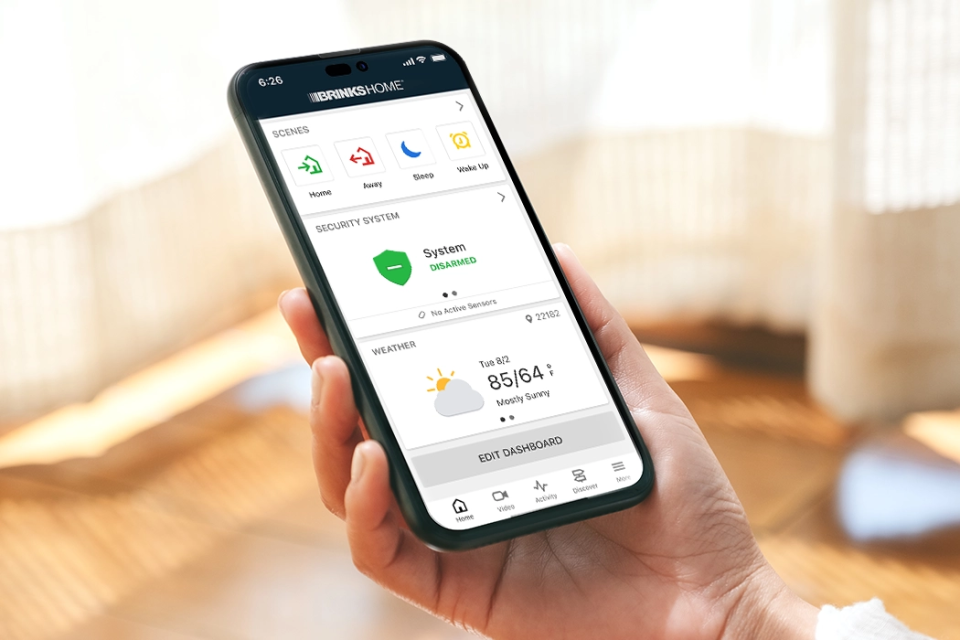
Credit: brinkshome.com
Electronic Home Monitoring Basics
Electronic Home Monitoring (EHM) is a technology used to track and supervise individuals remotely. It helps keep people safe and ensures they follow rules or restrictions. EHM is common in legal systems, healthcare, and personal security. Understanding its basics helps you grasp how it protects and manages individuals effectively.
Core Components
- Monitoring Device:Usually worn on the wrist or ankle, it records the user’s location and status.
- Communication System:Sends data from the device to a central monitoring center.
- Control Center:Staff or software analyze data to ensure compliance and safety.
- Alert Mechanism:Notifies authorities or caregivers if rules are broken or emergencies occur.
How It Works
The device tracks the person’s movements continuously. It sends signals to the control center through cellular or satellite networks.
The control center reviews the data in real time. If the person enters a restricted area or removes the device, an alert is triggered.
This system allows quick response and helps enforce restrictions without physical supervision.
Types Of Systems
- GPS Monitoring:Tracks location via satellites, ideal for outdoor supervision.
- RF Monitoring:Uses radio frequency to monitor proximity to a base station, often for curfew enforcement.
- Alcohol Monitoring:Detects alcohol use through sensors, commonly used in criminal justice.
- Biometric Monitoring:Checks physical signs like heart rate to ensure the wearer’s well-being.
Benefits Of Electronic Monitoring
Electronic home monitoring offers many benefits that improve safety and convenience. It helps protect your home and gives peace of mind. The technology allows homeowners to keep an eye on their property with ease. Here are some key advantages of electronic monitoring.
Enhanced Security
Electronic monitoring strengthens home security by detecting unusual activity quickly. Sensors and cameras alert you to any movement or break-ins. This early warning helps prevent theft and damage. It also deters potential intruders from targeting your home. Continuous surveillance creates a safer environment for your family.
Remote Access
Remote access lets you check your home anytime from your smartphone or computer. You can view live video feeds or control devices like locks and alarms. This feature is useful when you travel or work far from home. It keeps you connected and in control, no matter where you are.
Emergency Response
Electronic monitoring systems often include emergency response features. They can alert authorities or emergency contacts immediately if there is a fire, break-in, or medical issue. Quick response reduces risks and can save lives. These systems provide an extra layer of protection during critical moments.
Key Features To Consider
Electronic home monitoring systems offer various features to keep your home safe. Choosing the right features helps protect your family and property effectively. Focus on core functions that match your needs and budget.
Video Surveillance
Video surveillance records activity inside and outside your home. Cameras capture clear images day and night. This helps watch over entrances, driveways, and other key areas. Stored footage provides evidence if needed. Check for easy installation and remote viewing options.
Motion Detection
Motion detection alerts you to movement in monitored areas. Sensors detect changes and trigger alerts or recordings. This saves storage space and battery life. Adjustable sensitivity helps avoid false alarms. It works well for monitoring windows, doors, and open spaces.
Smart Alerts
Smart alerts send real-time notifications to your phone or device. They inform you about unusual activity or system issues. Customize alerts for specific events, times, or zones. This feature ensures quick response to potential threats. Look for options with clear, easy-to-understand messages.

Credit: www.achrnews.com
Installation And Setup
Installing and setting up electronic home monitoring systems can feel overwhelming at first. But breaking down the process into manageable steps makes it easier to handle. Understanding your options and the best practices for placement and connectivity will ensure your system works reliably and effectively.
Diy Vs Professional
Installing your home monitoring system yourself can save money and give you hands-on control. Many systems come with user-friendly instructions and apps that guide you through setup. However, if you’re not comfortable with wiring or configuring software, hiring a professional can prevent costly mistakes.
Professionals bring expertise that ensures all components are optimally installed and integrated. They can also troubleshoot issues on the spot, which might save you hours of frustration. Think about your comfort level with technology and your budget before deciding which route to take.
Placement Tips
Where you place your monitoring devices greatly affects their performance. Cameras and sensors should cover entry points like doors and windows without obstructions. Avoid areas with direct sunlight or reflective surfaces to reduce false alarms and improve image quality.
Height matters too—mount cameras around 7 to 8 feet high for a wide, clear view. Also, consider your daily routines: placing sensors along common paths will catch unusual movements effectively. Have you checked if your pets might trigger false alarms? Planning placement with these details in mind helps your system work smarter.
Connectivity Options
Most home monitoring systems offer multiple ways to connect, including Wi-Fi, cellular, and wired options. Wi-Fi is convenient but may suffer from interference or outages in busy networks. Cellular connections provide reliable backup but often come with additional monthly fees.
Wired connections offer stability but require more complex installation. Some systems allow a combination of these methods to ensure uninterrupted monitoring. Consider your home’s layout and internet reliability before choosing the best connectivity option for your setup.
Privacy And Legal Aspects
Electronic Home Monitoring (EHM) raises important questions about privacy and legal rights. Understanding these aspects is crucial for anyone considering or using such systems. You need to know how your data is handled and what legal protections apply to safeguard your personal information.
Data Protection
Your personal data collected through EHM devices is sensitive and must be protected carefully. Companies managing this data should use strong encryption and secure storage methods to prevent unauthorized access.
Ask yourself: how confident are you that your daily movements or habits won’t be exposed or misused? You have the right to expect transparency about who can see your data and how long it’s kept.
Consent Requirements
Consent is not just a formality; it’s a legal necessity. You should always be informed clearly about what data is collected and how it will be used before agreeing to electronic monitoring.
If you feel pressured or unclear about what you’re consenting to, that’s a red flag. Legitimate programs require explicit permission and allow you to withdraw consent at any time.
Local Regulations
Laws around EHM vary widely depending on where you live. Some regions have strict rules to protect individuals’ privacy, while others might have more lenient frameworks.
Check the local legal environment before using or implementing an EHM system. Understanding your rights and obligations can help you avoid potential legal troubles and protect your privacy more effectively.

Credit: e-cell.com
Cost And Maintenance
Understanding the cost and maintenance of electronic home monitoring systems helps you plan better and avoid surprises. These systems vary widely in price and upkeep, depending on features and service models.
Let’s break down the key aspects that affect your budget and ongoing responsibilities.
Initial Investment
The upfront cost usually covers the hardware—cameras, sensors, and control panels. Basic kits might start around $100, while advanced setups with multiple devices can exceed $500. You should think about how many entry points or rooms you want to monitor.
Remember, cheaper systems might save money now but lack essential features or durability. Your choice here sets the foundation for your system’s effectiveness and longevity.
Subscription Plans
Most electronic home monitoring services offer subscription plans for cloud storage, remote access, and professional monitoring. These can range from $5 to $50 per month, depending on the level of service. Ask yourself how much control you want versus convenience and support.
Some providers include video storage for a limited time, while others charge extra for longer retention. Check if the plan allows easy cancellation or upgrades, so your service can grow with your needs.
Regular Upkeep
Maintaining your system involves software updates, battery replacements, and occasional hardware checks. Neglecting these can lead to blind spots or false alarms, which defeat the purpose of monitoring. Set reminders every few months to test devices and update apps.
Also, clean cameras and sensors regularly to keep images clear and sensors responsive. How often you do this depends on your environment—dusty or humid areas require more attention.
Future Trends In Home Monitoring
Electronic home monitoring is evolving rapidly, shaping how you protect and manage your living space. The future holds exciting changes that will make these systems smarter, more connected, and easier to use. Understanding these trends can help you choose the right solutions that fit your lifestyle and security needs.
Ai Integration
Artificial intelligence is making home monitoring systems smarter by learning your habits and preferences. Instead of just alerting you to motion or sound, AI can differentiate between a family member, a pet, or a potential intruder. This reduces false alarms and increases your peace of mind.
Imagine your system recognizing when you arrive home and automatically turning on lights or adjusting the thermostat. This personalized response makes your home safer and more comfortable without extra effort on your part.
Iot Expansion
The Internet of Things (IoT) connects more devices in your home than ever before. Your security cameras, door locks, smoke detectors, and even kitchen appliances can work together in a seamless network. This means you can monitor and control everything from a single app on your phone.
Think about how convenient it is to lock your doors remotely if you forget, or receive alerts if a water leak is detected. With IoT, your home becomes a proactive environment that helps prevent problems before they escalate.
Enhanced User Interfaces
Future home monitoring systems will focus on user-friendly designs that make managing your security effortless. Expect clearer displays, voice commands, and intuitive controls that don’t require technical skills. This makes it easier for everyone in your household to stay connected and informed.
Have you ever struggled with confusing security apps? The new interfaces aim to change that by simplifying navigation and providing real-time updates in a straightforward way. This keeps you in control without the frustration.
Frequently Asked Questions
What Is Electronic Home Monitoring Used For?
Electronic Home Monitoring tracks an individual’s location and activities remotely. It is mainly used for offenders or individuals under court supervision to ensure compliance with legal restrictions.
How Does Electronic Home Monitoring Work?
The system uses GPS or radio frequency devices attached to the person. It sends real-time location data to authorities for monitoring and verifying their whereabouts.
Who Benefits From Electronic Home Monitoring?
Courts, law enforcement, and offenders benefit. It reduces jail overcrowding, lowers costs, and provides offenders with a chance for supervised freedom.
Is Electronic Home Monitoring Effective In Reducing Crime?
Yes, it helps reduce recidivism by ensuring offenders follow court orders. Continuous monitoring deters violations and supports rehabilitation efforts.
Conclusion
Electronic Home Monitoring helps track people’s location from a distance. It uses devices like bracelets or GPS to keep them safe. This system supports law enforcement and courts by ensuring rules are followed. It also gives monitored individuals some freedom outside jail.
Understanding this tool can help communities stay safer. It offers a balance between security and personal freedom. Electronic Home Monitoring will likely stay important in the future. Knowing how it works is useful for everyone.
Leave a Reply