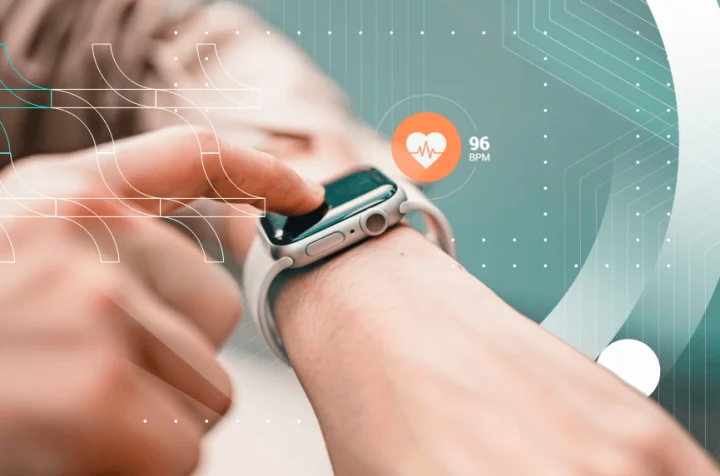
Have you ever wondered how you can keep track of your health without constant visits to the doctor? Health-focused wearable technology puts the power of monitoring your body right on your wrist or even in your clothes.
These smart devices do more than just count steps—they help you understand your heart rate, sleep quality, and even stress levels. Imagine having a personal health assistant that works around the clock, giving you real-time insights to improve your well-being.
If you want to take control of your health in a simple and effective way, understanding what these gadgets do is the first step. Keep reading to discover how health-focused wearables can change the way you care for yourself.
Health-focused Wearable Technology
Health-focused wearable technology includes devices designed to monitor and improve your well-being. These gadgets track physical activity, heart rate, sleep patterns, and more. They provide real-time data to help users make better health choices.
Wearables have grown popular due to their ease of use and valuable health insights. They support goals like weight loss, stress management, and chronic condition monitoring. Many connect to smartphones or apps for detailed reports and trends.
Types Of Wearable Devices
- Fitness Trackers: Measure steps, calories, and activity levels.
- Smartwatches: Combine fitness tracking with smartphone features.
- Heart Rate Monitors: Focus on tracking heartbeats continuously.
- Sleep Trackers: Analyze sleep quality and duration.
- Medical Wearables: Monitor glucose, blood pressure, or oxygen levels.
- Posture Correctors: Help maintain proper body posture.
Key Features And Sensors
- Accelerometer: Detects movement and activity intensity.
- Heart Rate Sensor: Measures pulse for fitness and stress data.
- Gyroscope: Tracks orientation and rotation of the body.
- GPS: Maps routes and tracks outdoor activities.
- SpO2 Sensor: Monitors blood oxygen saturation levels.
- Sleep Sensor: Records sleep stages and disruptions.
- Temperature Sensor: Measures body or skin temperature.
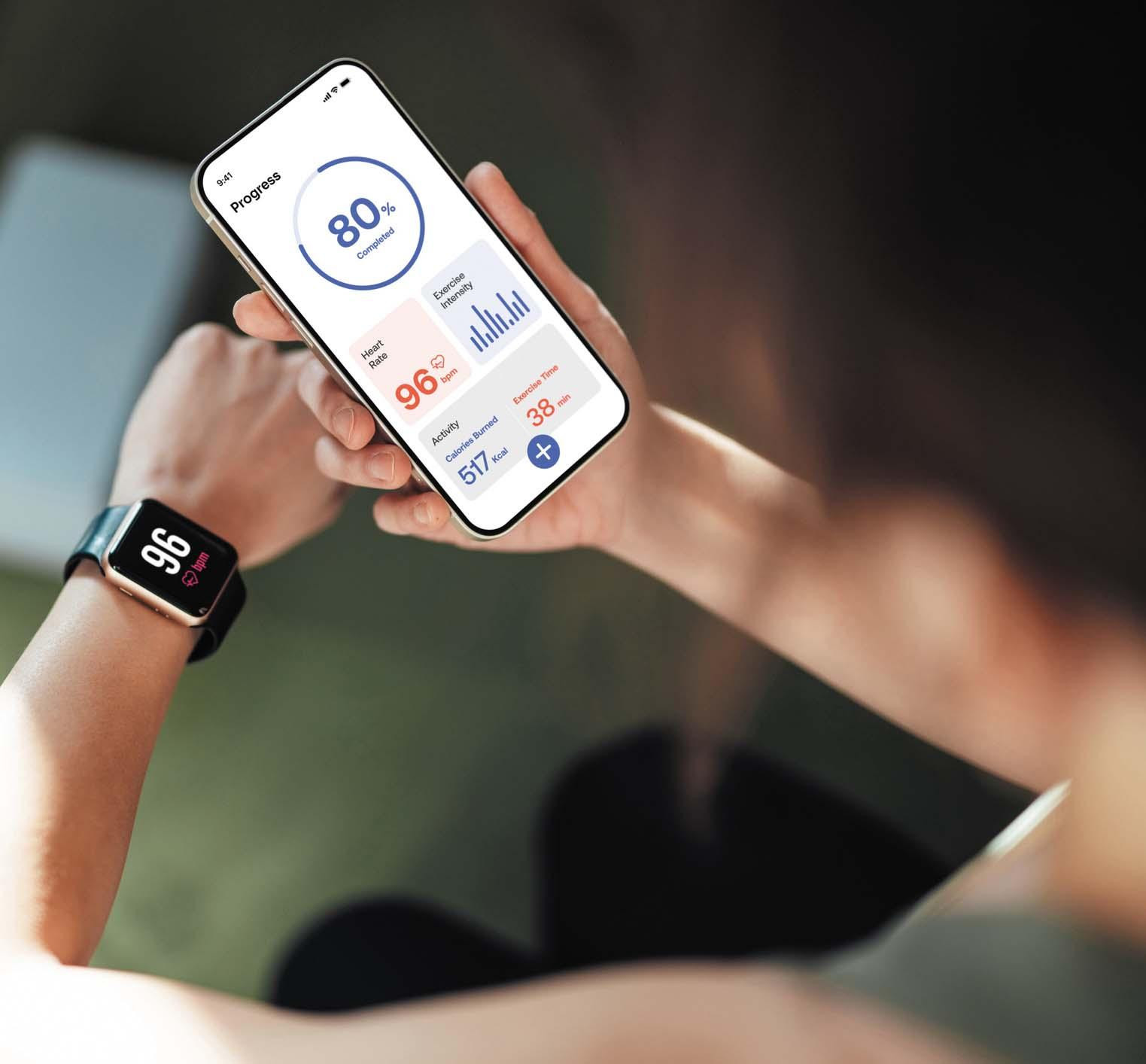
Credit: www.health.harvard.edu
Benefits For Physical Health
Health-focused wearable technology offers many benefits for physical health. These devices help users stay active and monitor vital signs. They provide real-time data that guides healthier choices. Wearing such technology encourages consistent fitness habits and better body awareness.
Activity And Fitness Tracking
Wearable devices track steps, distance, and calories burned. They motivate users to reach daily activity goals. This tracking helps build a regular exercise routine. Users can see progress over time, boosting motivation. It supports weight management and overall fitness improvement.
Heart Rate And Vital Signs Monitoring
Continuous heart rate tracking detects changes during rest and activity. Some wearables monitor blood oxygen levels and stress indicators. Early alerts warn users about abnormal signs. This helps manage heart health and prevent complications. Tracking vital signs offers peace of mind and better health control.
Sleep Quality Improvement
Wearables analyze sleep stages and duration. They identify patterns that affect rest quality. Users receive tips to improve sleep habits. Better sleep supports recovery and physical performance. Consistent sleep tracking leads to healthier daily energy levels.
Mental Health Advantages
Mental health advantages of health-focused wearable technology are becoming increasingly clear. These devices do more than track physical activity—they offer tools to understand and manage your emotional well-being. You can gain real-time insights into your stress levels and mood changes, helping you respond before small issues become bigger problems.
Stress And Mood Monitoring
Wearable technology can measure physiological signals like heart rate variability and skin temperature to detect stress. This data gives you immediate feedback on how your body reacts to daily challenges. Imagine noticing your stress peaks during certain meetings or times of day—you can then take steps to adjust your schedule or practice calming techniques.
Some devices even allow you to log your mood throughout the day, creating a clear record of how external factors affect your emotions. This helps you identify patterns you might not notice otherwise. Would you be more mindful of your mental health if you had this kind of instant, personalized information?
Mindfulness And Relaxation Tools
Many wearables offer guided breathing exercises, meditation sessions, and relaxation reminders. These features encourage you to pause and reset during hectic days, reducing anxiety and improving focus. For example, a gentle vibration might prompt you to take a deep breath when stress levels rise.
Using these tools regularly can build resilience against stress and improve overall mental clarity. You don’t need to be an expert in mindfulness to benefit—your wearable acts like a personal coach, helping you practice simple techniques anytime, anywhere. How might your day change if you took short mindful breaks powered by your device?
Chronic Disease Management
Health-focused wearable technology plays a vital role in managing chronic diseases. These devices help track health data continuously. They offer real-time feedback to users and healthcare providers. This constant monitoring supports better disease control and reduces health risks. Wearables empower individuals to take charge of their health daily. They improve treatment adherence and encourage healthier habits.
Diabetes And Glucose Monitoring
Wearable devices for diabetes help monitor blood sugar levels easily. Sensors placed on the skin measure glucose without finger pricks. Data syncs with smartphones for instant updates and alerts. Users get reminders to take medication or eat on time. Continuous glucose monitoring reduces dangerous highs and lows. It helps users understand how food and activity affect their sugar.
Blood Pressure And Cardiovascular Support
Wearables track blood pressure throughout the day and night. They detect irregular heartbeats or high blood pressure early. This data helps prevent heart attacks and strokes. Some devices also measure oxygen levels and stress indicators. Users receive personalized advice to improve heart health. Monitoring supports medication adjustments and promotes timely doctor visits.
Data Insights And Personalization
Data insights and personalization are at the core of health-focused wearable technology. These devices don’t just collect raw data; they transform that information into meaningful advice tailored to your unique body and habits. This approach helps you make smarter decisions about your health every day.
Real-time Feedback And Alerts
Imagine getting a gentle nudge right when your heart rate spikes unexpectedly during a workout. Wearables provide real-time feedback that keeps you aware of your body’s signals as they happen. This instant information can prevent potential health issues by alerting you to take action immediately.
These devices can notify you about:
- Irregular heart rhythms
- Low oxygen levels
- Excessive stress or fatigue
- Inactivity reminders to keep you moving
By staying informed in the moment, you can adjust your activity or seek help without delay. Have you ever wished for a health coach who stays with you 24/7? That’s exactly what real-time alerts offer.
Customized Health Recommendations
Wearable technology analyzes your personal data to offer health tips suited specifically to you. Instead of generic advice, you receive guidance based on your age, fitness level, sleep patterns, and daily routines.
For example, if your sleep tracker shows restless nights, your device might suggest relaxation techniques or changes in bedtime habits. If your activity levels drop, it could recommend simple exercises to get you moving again.
This personalized approach makes it easier to stick to healthy habits because the advice feels relevant and achievable. What if your wearable could learn your lifestyle so well that it becomes your most trusted health companion?
Integration With Healthcare Systems
Health-focused wearable technology is changing how healthcare systems work. These devices collect important health data in real time. This data can be shared directly with healthcare providers. This connection helps doctors and nurses track patient health better and faster. The integration of wearables with healthcare systems leads to improved care and quicker responses to health issues.
Remote Patient Monitoring
Remote patient monitoring uses wearable devices to check patients outside hospitals. These devices measure vital signs like heart rate and blood pressure. The data is sent to healthcare professionals instantly. This allows doctors to watch patients’ health from a distance. It reduces the need for frequent hospital visits. Patients feel safer and more connected to their care team.
Telemedicine And Wearables
Telemedicine combines video calls with wearable data for better care. Patients share live health information during online doctor visits. Doctors use this data to make accurate diagnoses. Wearables help track chronic conditions without physical appointments. This saves time and lowers healthcare costs. It also makes healthcare accessible to people in remote areas.
Challenges And Considerations
Health-focused wearable technology offers many benefits but also faces key challenges. These challenges affect how people trust and use these devices. Careful thought is needed to address these issues. Understanding these challenges helps users and developers improve wearable tech for health.
Privacy And Data Security
Wearable devices collect sensitive health data. Protecting this information is critical. Data breaches can cause harm to users. Strong security measures must guard user privacy. Users need clear information on how data is used. Companies must follow strict rules to keep data safe.
Accuracy And Reliability
Health decisions rely on device data. Devices must provide accurate and consistent readings. Errors in data can mislead users and doctors. Regular updates and testing improve device reliability. Users should know device limits and possible errors. Trust grows when data is dependable.
User Adoption And Accessibility
Not everyone finds wearable devices easy to use. Some devices are too complex or costly. Accessibility for people with disabilities is often overlooked. Simple design and affordable pricing encourage more users. Education helps users understand device benefits. Wider adoption improves overall health outcomes.
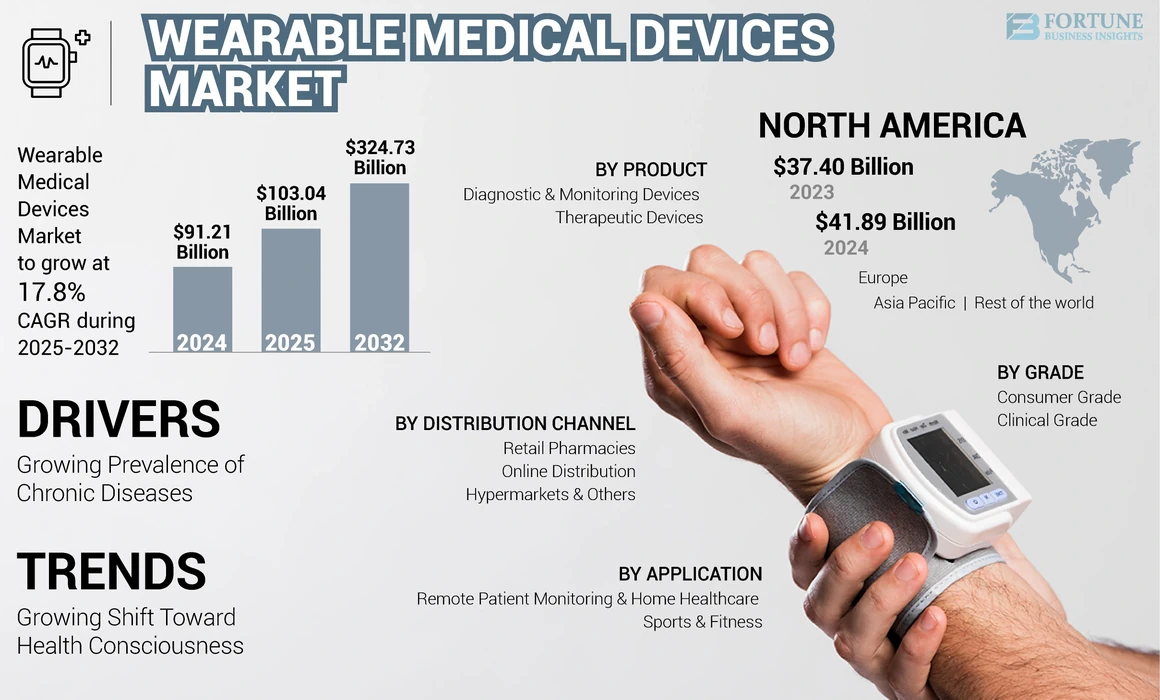
Credit: www.fortunebusinessinsights.com
Future Trends In Wearable Tech
Wearable technology is evolving fast. New trends will shape how these devices help with health. They will become smarter and more useful. Users will get deeper insights into their bodies.
Smaller, precise sensors and better software will drive this change. Wearables will not just track data but also guide users to improve health. The future holds many exciting possibilities for health-focused wearables.
Advanced Sensors And Ai Integration
Future wearables will have advanced sensors that collect more detailed data. These sensors will measure things like blood sugar, hydration, and oxygen levels. They will work continuously without needing much power.
Artificial intelligence will analyze this data in real time. AI will find patterns and alert users about health risks early. It will offer personalized advice based on each user’s unique health profile.
This combination will make wearables smarter and more proactive. Users will get alerts before problems start. Health management will become easier and more precise.
Wearables In Preventive Healthcare
Wearables will play a bigger role in preventing diseases. They will track lifestyle habits like sleep, activity, and stress. This data will help users make healthier choices daily.
Doctors will use wearable data to monitor patients remotely. It will allow early detection of health issues and timely intervention. Preventive care will reduce hospital visits and lower healthcare costs.
Wearables will also support mental health by tracking mood and stress. They will suggest relaxation techniques or prompt users to seek help. Prevention will become a key focus in healthcare with wearable tech.

Credit: www.assemblymag.com
Frequently Asked Questions
What Is Health-focused Wearable Technology?
Health-focused wearable technology refers to devices designed to monitor and improve users’ health. These gadgets track fitness, heart rate, sleep, and more. They provide real-time data for better health management. Popular examples include smartwatches and fitness bands. They promote healthier lifestyles through continuous monitoring.
How Do Health Wearables Improve Personal Health?
Health wearables collect vital data like activity levels, heart rate, and sleep quality. This data helps users make informed lifestyle choices. Wearables can detect irregularities early, prompting timely medical advice. They motivate users to stay active and maintain healthy habits consistently.
Are Health-focused Wearables Accurate For Medical Use?
While wearables offer useful health insights, they are not a substitute for professional medical devices. Their sensors provide approximate data suitable for daily monitoring. For serious health conditions, clinical-grade tools and doctor consultations remain essential. Wearables are best used as supplementary health tools.
Which Features Are Common In Health Wearables?
Common features include heart rate monitoring, step counting, sleep tracking, and calorie estimation. Some advanced models track blood oxygen levels and stress. Many offer reminders for hydration and medication. These features help users maintain balanced and healthy routines effectively.
Conclusion
Health-focused wearable technology offers many benefits for users. These devices track health metrics like heart rate and sleep patterns. They help users monitor fitness goals and improve well-being. Wearables can motivate healthier lifestyle choices. Easy access to personal health data empowers individuals.
People can make informed decisions about their health. As technology advances, these devices become more user-friendly. They are increasingly affordable and accessible. A healthier lifestyle is within reach for everyone. Embrace the potential of wearable technology. Discover a new way to manage your health.
Stay informed, stay healthy.
Leave a Reply