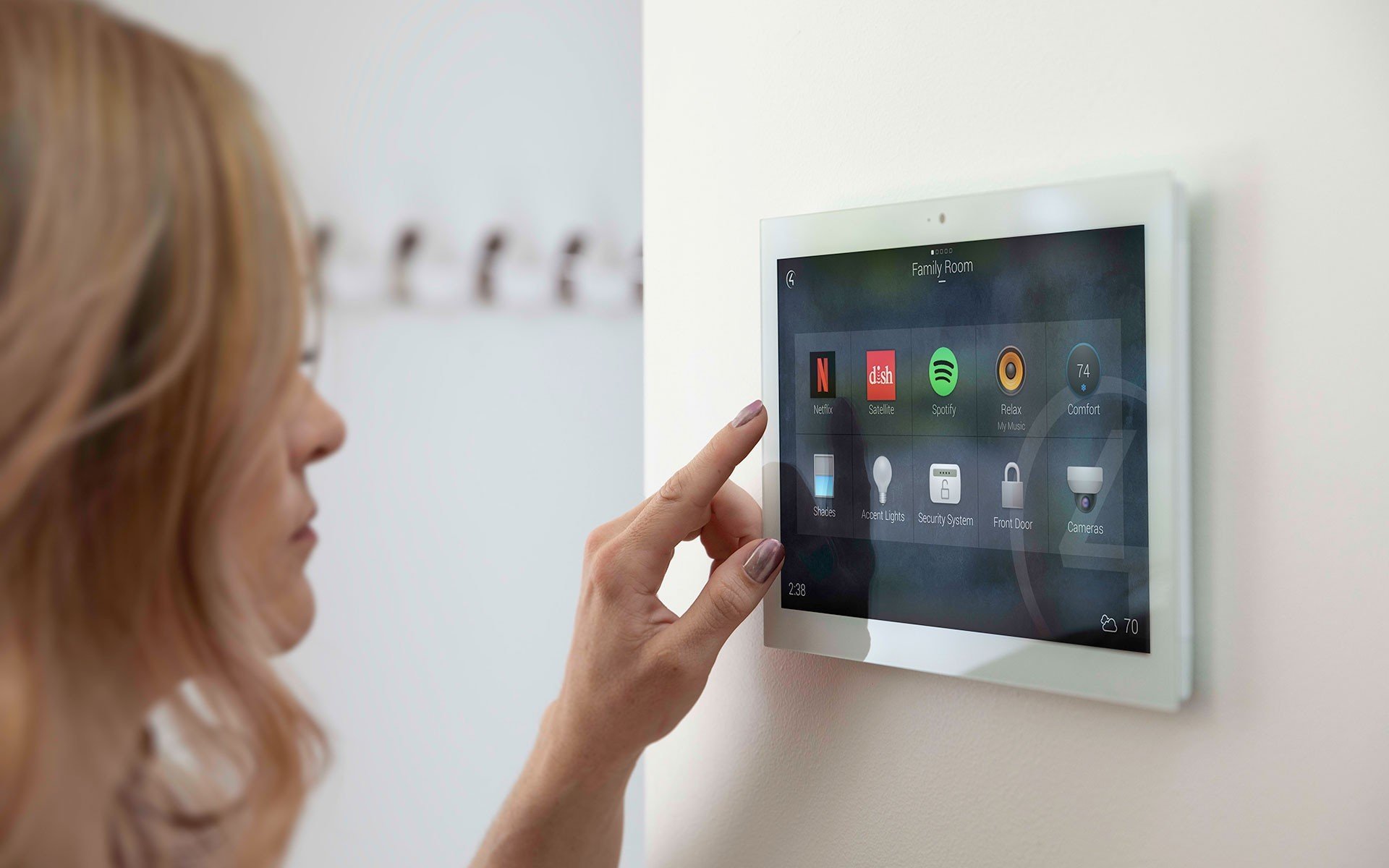
Imagine waking up to the aroma of freshly brewed coffee, the perfect indoor temperature, and your favorite playlist gently starting in the background—all without lifting a finger. This isn’t a scene from a futuristic movie; it’s the reality of home automatic electronic control systems.
These systems are transforming the way you live, making everyday tasks effortless and your home environment more intuitive. But what exactly are these systems, and how do they work to make your life easier? By the end of this article, you’ll discover how these technological marvels can seamlessly integrate into your daily routine, enhancing comfort, saving energy, and even boosting your home’s security.
Ready to unlock the potential of a smarter home? Keep reading to find out how you can turn your living space into a hub of convenience and efficiency.
Basics Of Home Automation
Understanding the basics of home automation can change the way you live. It’s not just about fancy gadgets; it’s about making your daily routines simpler and more efficient. Imagine controlling your lights, thermostat, and security system from one place—sounds convenient, right?
Core Components
Home automation systems rely on a few key parts to function smoothly. The controlleracts as the brain, managing all connected devices. Sensorsdetect changes like motion or temperature, while actuatorsperform actions such as turning on lights or locking doors.
Devices like smart bulbs, thermostats, and cameras connect through a network, usually Wi-Fi or Zigbee. This setup allows your system to respond automatically or with a simple command from you.
Types Of Systems
You’ll find different kinds of home automation systems tailored to various needs. Standalone systemscontrol individual devices, like a smart thermostat that adjusts temperature on its own.
Integrated systemslink multiple devices for centralized control, often managed through a smartphone app or voice assistant. There are also wiredand wirelesssystems, each with pros and cons depending on your home layout and preferences.
How It Works
At the core, these systems communicate through a network. When you give a command or a sensor detects an event, the controller processes this information. It then sends instructions to the appropriate device to act.
For example, if your motion sensor picks up movement at night, it can trigger the hallway lights to turn on automatically. This seamless interaction between devices helps create a smarter, more responsive home environment.

Credit: www.achrnews.com
Key Technologies
Home automatic electronic control systems rely on several key technologies to function efficiently. These technologies work together to create smart, responsive environments. They gather information, communicate data, and allow users to control devices easily. Understanding these core technologies helps explain how modern smart homes operate.
Sensors And Actuators
Sensors detect changes in the environment. They measure temperature, light, motion, and humidity. Actuators receive signals from control units. They perform actions like turning lights on or off. Together, sensors and actuators create a responsive system that adapts to your needs.
Wireless Communication
Wireless communication connects all devices within the home. Common types include Wi-Fi, Bluetooth, and Zigbee. These technologies enable devices to share data instantly. They remove the need for complex wiring. This makes installation easier and increases system flexibility.
Control Interfaces
Control interfaces allow users to interact with the system. They include smartphones, tablets, and voice assistants. These interfaces provide simple ways to manage settings. Users can control lights, security, and appliances remotely. Intuitive design makes smart home technology accessible to everyone.
Benefits Of Automation
Automation in home electronic control systems offers a range of benefits that can make your daily life easier and more efficient. It’s not just about adding fancy gadgets; it’s about enhancing the way you interact with your living space. Let’s look at how automation brings real value to your home.
Convenience And Comfort
Imagine arriving home after a long day, and your lights turn on automatically, the thermostat adjusts to your preferred temperature, and your favorite music starts playing. Automation handles these tasks so you don’t have to.
You can control many devices from your smartphone or voice commands, even when you’re not at home. This means more time to relax and less time spent managing household chores.
Energy Efficiency
Automated systems can significantly reduce your energy bills by managing power usage smartly. For example, lights and appliances switch off when rooms are empty, and thermostats adjust based on your schedule.
Have you ever forgotten to turn off the heating before leaving? Automation solves that problem by letting you control devices remotely or set them to operate only when needed. This leads to smarter energy consumption and less waste.
Security Enhancements
Automation adds an extra layer of security to your home. Smart locks, cameras, and alarm systems can notify you instantly if something unusual happens.
Imagine being able to check who is at the door from your phone, no matter where you are. This real-time access gives you peace of mind and better control over your home’s safety.

Credit: www.amazon.ca
Popular Applications
Home automatic electronic control systems have become more than just a luxury; they are practical tools that enhance daily living. These systems let you control various parts of your home with ease, often from your smartphone or voice commands. Understanding where these systems are most commonly used can help you decide which features fit your lifestyle best.
Lighting Control
Imagine walking into a room where the lights adjust automatically to your presence or mood. Lighting control systems let you schedule lights to turn on and off or dim them without touching a switch. You can create scenes for different activities, like reading or watching TV, making your home more comfortable and energy-efficient.
Climate Management
Keeping your home at the perfect temperature is easier with automated climate control. These systems learn your preferences and adjust heating or cooling accordingly, saving energy and money. You can even control your thermostat remotely, so your home feels just right when you arrive.
Home Security Systems
Safety is a top priority, and automated security systems add an extra layer of protection. You can monitor cameras, lock doors, and receive alerts about unusual activity from anywhere. These features give peace of mind, especially when you’re away or asleep.
Entertainment Integration
Your favorite music, movies, and shows become more accessible when entertainment systems are automated. Control your speakers, TV, and streaming devices with a single app or voice command. This seamless integration turns your home into a personal entertainment hub without the hassle of multiple remotes.
Installation And Setup
Installing and setting up a Home Automatic Electronic Control System can seem intimidating at first. Yet, breaking down the process into manageable parts helps you gain control over your smart home experience quickly. Understanding your options and potential hurdles ensures smoother integration and better long-term satisfaction.
Diy Vs Professional
Choosing between doing the installation yourself or hiring a professional depends on your comfort with technology and the complexity of the system. If you enjoy hands-on projects and have basic wiring knowledge, a DIY approach might save you money and give you a sense of accomplishment.
However, professional installers bring expertise that can prevent costly mistakes. They ensure the system works seamlessly with your home’s existing infrastructure and handle tricky setups like wiring or network configuration. Ask yourself: do you want to troubleshoot on your own or have someone ready to fix problems quickly?
System Compatibility
Before installation, check if your new system is compatible with your current devices and network. Not all smart home products work well together, which can cause frustration and wasted investment.
Look for systems that support common standards like Zigbee, Z-Wave, or Wi-Fi. Also, verify whether your smartphone or voice assistant is supported. Sometimes, a small incompatibility means you need extra hubs or adapters, adding time and cost to the setup.
Common Challenges
Many people face unexpected issues during setup, such as weak Wi-Fi signals, confusing app interfaces, or device pairing failures. These problems often slow down progress and test your patience.
- Wi-Fi dead zones in parts of your home can cause devices to drop offline frequently.
- Some apps require multiple updates before full functionality is available.
- Device resets might be necessary if connections fail repeatedly.
Have you prepared for these obstacles? Planning ahead by testing Wi-Fi strength and reading through manuals can save hours of frustration. Remember, a little persistence goes a long way in mastering your smart home setup.
Future Trends
The future of home automatic electronic control systems promises exciting changes. These systems will become smarter, more connected, and easier to use. Innovations will enhance comfort, security, and energy efficiency in homes. Below are some key trends shaping this future.
Ai And Machine Learning
AI and machine learning will make systems more intelligent. They learn from user habits and adjust settings automatically. This leads to personalized experiences that save time and energy. Predictive maintenance will reduce device failures and downtime.
Iot Expansion
The Internet of Things (IoT) will connect more home devices. Appliances, lights, security cameras, and sensors will all work together. This creates a seamless network that simplifies control. Smart homes will become more integrated and responsive to daily needs.
Voice Control Evolution
Voice control will improve with better accuracy and natural language understanding. Users can speak commands in many ways, and devices will understand easily. This hands-free control adds convenience and accessibility for all family members.

Credit: archipro.com.au
Frequently Asked Questions
What Are Home Automatic Electronic Control Systems?
Home automatic electronic control systems automate household functions like lighting, heating, and security. They improve comfort, save energy, and enhance convenience by using sensors and remote controls.
How Do Home Automation Systems Improve Energy Efficiency?
These systems optimize energy use by adjusting heating, cooling, and lighting based on occupancy and time. This reduces waste and lowers utility bills effectively.
What Devices Are Included In Home Control Systems?
Common devices include smart thermostats, automated lighting, security cameras, door locks, and sensors. They connect to a central hub or smartphone for easy control.
Are Home Automatic Control Systems Secure?
Yes, most systems use encryption and secure protocols to protect data. Regular updates and strong passwords further enhance home security against cyber threats.
Conclusion
Home automatic electronic control systems make life easier and safer. They help control lights, temperature, and security from one place. These systems save energy and reduce bills. They also offer comfort by adjusting settings to your needs. Using simple devices, anyone can manage their home smartly.
As technology grows, these systems will become more common and useful. Start exploring how they fit your daily life. Small changes can bring big benefits. Home control systems make living smoother and more convenient every day.
Leave a Reply