
Imagine walking into your home after a long day, and everything is just the way you like it—lights dimmed, your favorite music playing softly, and the temperature perfectly set. Sounds like a dream, right?
This is the magic of home automation electronic control systems. These systems are not just for tech enthusiasts; they offer convenience, security, and efficiency for anyone looking to simplify their life. But what exactly are these systems? And how can they transform your daily routine into a seamless experience?
Stick around, and you’ll discover how this cutting-edge technology can turn your house into a smart home, making life easier and more enjoyable. Get ready to unlock the potential of your living space and experience a new level of comfort and control.
Basics Of Home Automation
Understanding the basics of home automation is essential if you want to make your living space smarter and more efficient. Home automation electronic control systems allow you to manage various devices and functions in your home, often from a single platform. This technology can simplify everyday tasks, improve security, and even save energy.
Key Components
At the heart of any home automation system are several key components working together seamlessly. These include:
- Controllers:The brain of the system, often a hub or central processor that manages connected devices.
- Sensors:Devices that detect changes like motion, temperature, or light to trigger automated responses.
- Actuators:These perform actions such as turning lights on or off, adjusting thermostats, or locking doors.
- Communication Networks:Wi-Fi, Zigbee, Z-Wave, or Bluetooth, which allow devices to communicate with each other.
- User Interfaces:Apps, voice assistants, or control panels that let you interact with the system.
Think about your smartphone acting as a remote for your entire house—that’s the user interface making everything accessible.
How It Works
Home automation systems connect your devices through a central controller. When a sensor detects a change, it sends a signal to the controller.
The controller then instructs the appropriate actuator to respond, such as turning on a light when you enter a room. You can also set schedules or customize rules, like lowering the thermostat when you leave the house.
This interaction happens instantly, often without you needing to lift a finger. Have you noticed how a smart light bulb can turn on just as you walk in? That’s automation in action.
Types Of Systems
There are several types of home automation systems, each designed to suit different needs and budgets:
- Wired Systems:Devices are connected through physical cables, offering reliable performance but often requiring professional installation.
- Wireless Systems:Use radio signals to connect devices, making installation easier and more flexible.
- Hybrid Systems:Combine wired and wireless components to balance reliability and convenience.
Choosing the right system depends on factors like your home’s layout, your tech comfort level, and the types of devices you want to control.
Core Electronic Control Systems
Core electronic control systems form the backbone of any home automation setup. These systems allow your devices to interact seamlessly, making your home smarter and more responsive. Understanding these components helps you make better choices when upgrading or installing your own automated environment.
Sensors And Actuators
Sensors are the eyes and ears of your home automation system. They detect changes in the environment like motion, temperature, or light.
Actuators, on the other hand, perform actions based on sensor data. For example, a temperature sensor can trigger an actuator to turn on your heating system.
Think about how your motion sensor lights up a room only when you enter. This interaction between sensors and actuators saves energy and adds convenience to your daily routine.
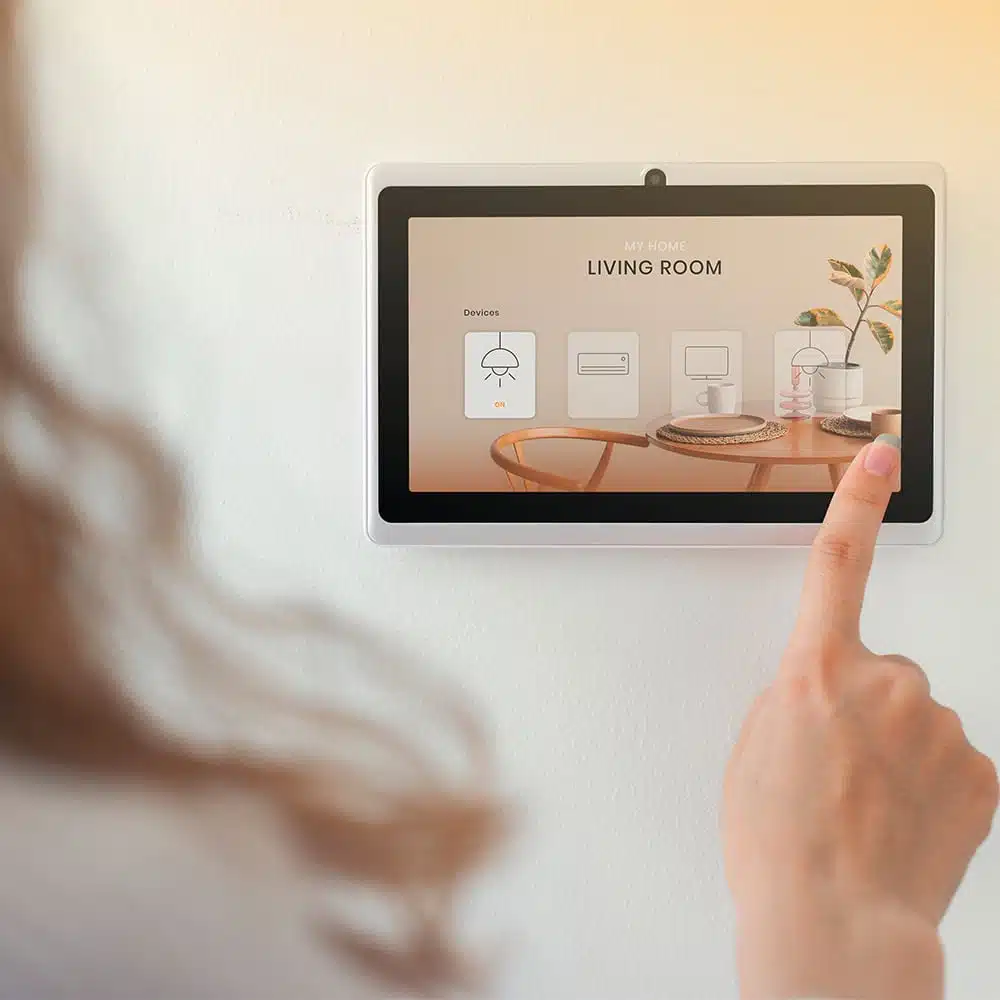
Control Panels
Control panels act as the brain of your home automation system. They process information from sensors and send commands to actuators.
These panels can be physical touchscreens or apps on your smartphone, giving you easy access to manage your devices.
Have you noticed how quickly you can adjust your thermostat or turn off lights remotely? That’s the control panel at work, simplifying your life.
Communication Protocols
Communication protocols are the languages that your devices use to talk to each other. Popular protocols include Zigbee, Z-Wave, and Wi-Fi.
Choosing the right protocol affects how well your system performs and how many devices you can connect.
Consider whether your devices need long-range communication, low power use, or fast data transfer. This choice impacts your home’s automation efficiency and reliability.
Popular Home Automation Technologies
Home automation relies on several popular technologies to control devices efficiently. These technologies enable smart homes to communicate and work seamlessly. Each has unique features suited for different needs and setups.
Wi-fi And Bluetooth
Wi-Fi connects devices directly to the home network. It offers high speed and broad coverage. Many smart devices use Wi-Fi for easy internet access.
Bluetooth links devices over short distances. It consumes less power and is great for close-range control. Bluetooth works well for personal gadgets and simple automation tasks.
Zigbee And Z-wave
Zigbee and Z-Wave use low-power radio signals for communication. They create mesh networks, improving coverage and reliability. These protocols are designed specifically for home automation devices.
Zigbee is widely adopted and supports many brands. Z-Wave offers strong security and lower interference. Both are ideal for battery-powered sensors and smart locks.
Voice Control Integration
Voice assistants let users control devices using spoken commands. Popular platforms include Amazon Alexa, Google Assistant, and Apple Siri.
Voice control adds convenience and hands-free operation. It helps users manage lighting, temperature, and security systems effortlessly.
Credit: www.gbegroup.com.au
Benefits Of Automated Control Systems
Automated control systems in home automation bring a range of benefits that can transform the way you live. These systems help you manage your home more efficiently, save money, and add a layer of security. Understanding these advantages can help you decide how to make your home smarter and more responsive to your needs.
Energy Efficiency
Automated control systems help reduce energy waste by managing lighting, heating, and cooling based on your daily routine. Imagine your thermostat adjusting itself when you leave the house, or lights turning off automatically in empty rooms. This not only lowers your energy bills but also decreases your environmental footprint.
Have you noticed how small changes in energy use add up over time? Automated systems keep track of these patterns and optimize power consumption without you having to think about it.
Enhanced Security
Your home’s security can improve significantly with automation. Systems can alert you instantly if doors or windows open unexpectedly, or if unusual motion is detected. You can even monitor your home remotely and control security cameras from your phone.
Think about how peace of mind matters when you’re away. Automated security systems give you real-time updates, making it easier to respond quickly to potential threats.
Convenience And Comfort
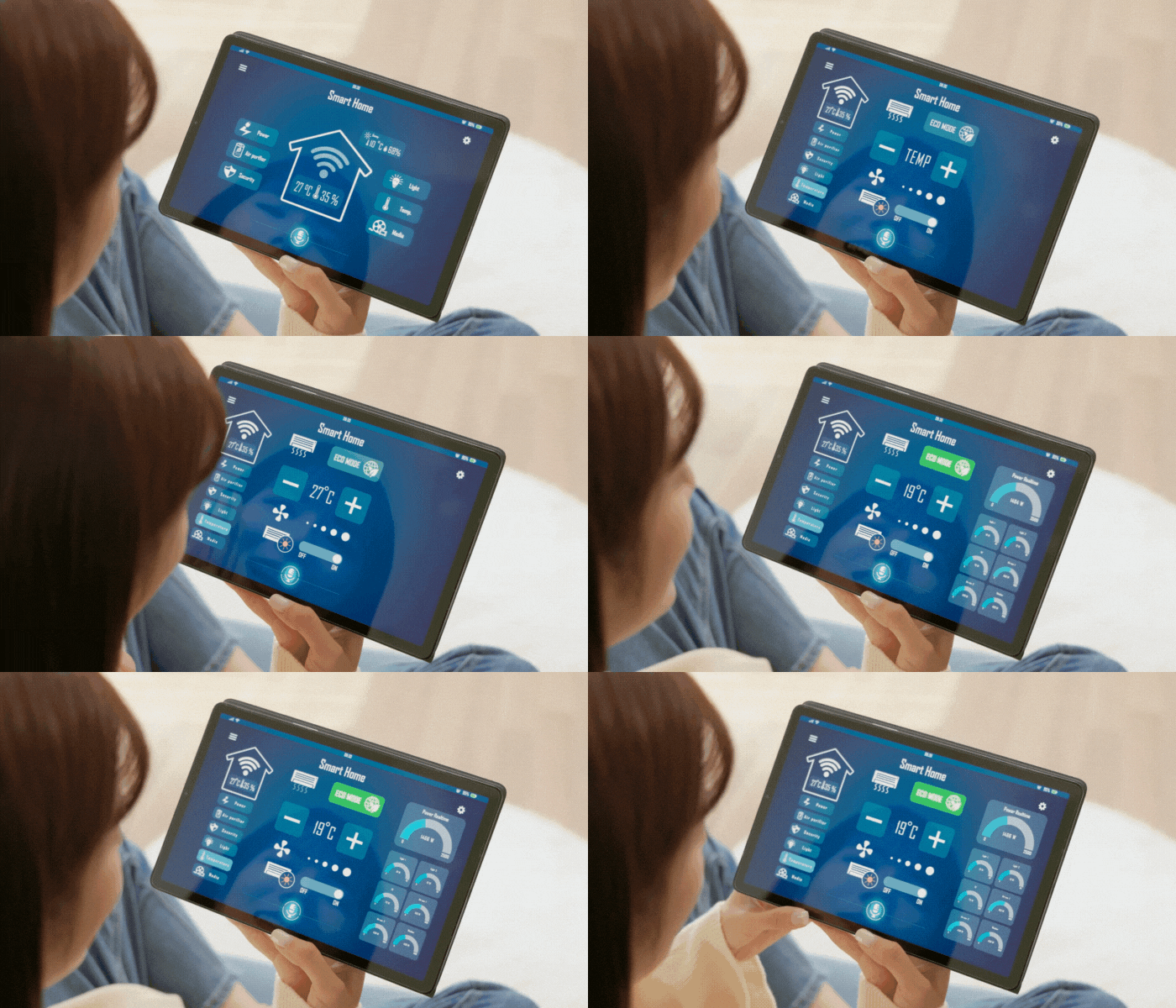
One of the biggest perks of automated systems is the convenience they offer. You can control your lighting, temperature, and even appliances with simple voice commands or through an app. This level of control means your home adjusts to your comfort without manual effort.
Have you ever wished your home could anticipate your needs? Automated control systems do just that by learning your preferences and creating a comfortable environment automatically.
Installation And Setup Tips
Installing and setting up a home automation electronic control system requires careful planning. Proper installation ensures the system works smoothly and safely. Many homeowners find success by understanding key factors before starting the setup process.
Choosing The Right System
Select a system that fits your home’s size and your needs. Check compatibility with existing devices. Look for user-friendly interfaces and reliable customer support. Consider systems with scalable options to add more devices later. Energy efficiency and security features are important too.
Diy Vs Professional Installation
DIY installation can save money but needs basic technical skills. Follow instructions closely and use proper tools. Professional installation offers expert setup and troubleshooting. It reduces risks of errors and system failure. Professionals also handle complex wiring and network settings.
Common Challenges
- Connecting devices to the home Wi-Fi network can be tricky.
- Compatibility issues between different brands may arise.
- Incorrect wiring can cause system malfunctions or safety hazards.
- Software updates might interrupt system performance temporarily.
- Understanding app controls and settings may take time.
Credit: www.louisasweb.com
Future Trends In Home Automation
The future of home automation is bright and full of innovation. New technologies will make homes smarter and easier to control. These trends will change how people interact with their living spaces. Homes will not only respond to commands but also learn and adapt to daily routines.
Automation systems will grow more intelligent and connected. They will offer better convenience, energy savings, and security. Understanding these future trends helps homeowners prepare for smarter living.
Ai And Machine Learning
Artificial intelligence (AI) and machine learning will power home automation. Systems will learn habits and predict needs. For example, lights will adjust based on your schedule. Heating and cooling will optimize for comfort and savings. AI will make automation more personal and efficient.
Smart Home Ecosystems
Smart home ecosystems will combine many devices into one system. Different gadgets will work together smoothly. Voice assistants, security cameras, and appliances will connect. This integration creates a seamless user experience. Managing your home will become simpler and more centralized.
Improved Interoperability
Interoperability means devices from various brands work well together. Future systems will support more standards and protocols. This will reduce compatibility issues and allow easy upgrades. Homeowners will mix and match devices without worry. It will make smart homes more flexible and user-friendly.

Credit: archipro.com.au
Frequently Asked Questions
What Is A Home Automation Electronic Control System?
A home automation electronic control system manages and automates household devices. It enables remote control of lighting, security, HVAC, and appliances. This system enhances convenience, energy efficiency, and security in smart homes by integrating various electronic components through a centralized control unit.
How Do Home Automation Systems Work?
Home automation systems use sensors, controllers, and communication networks. Devices connect to a central hub or smartphone app. Commands trigger actions like turning lights on or adjusting temperature. Automation can follow schedules or respond to real-time inputs, improving home comfort and energy savings.
What Are The Benefits Of Home Automation Systems?
Home automation offers convenience, energy efficiency, and enhanced security. It allows remote control of home devices anytime, anywhere. Automation reduces energy waste by optimizing device usage. It also improves safety with smart alarms and surveillance, making daily life simpler and more secure.
Which Devices Are Controlled By Home Automation Systems?
Home automation systems control lighting, thermostats, security cameras, door locks, and appliances. They also manage entertainment systems and irrigation. These devices communicate through Wi-Fi, Zigbee, or Z-Wave protocols, allowing seamless integration and centralized control for better home management.
Conclusion
Home automation electronic control systems make life easier and safer. They help control lights, temperature, and security from one place. These systems save energy and reduce bills. They also add comfort by automating daily tasks. Many devices work together smoothly for convenience.
As technology grows, home automation becomes more common. It fits any home and budget. Small changes can bring big benefits. Everyone can enjoy a smarter, more comfortable home. Simple steps lead to a connected living space.
Leave a Reply