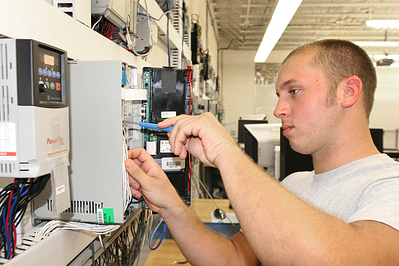
Are you curious about how factories and machines keep running smoothly without unexpected breakdowns? Understanding Industrial Maintenance Technology might be the key to unlocking that mystery.
This field plays a crucial role in making sure all industrial equipment works efficiently and safely. If you want to know how experts prevent costly downtime and extend the life of machines, keep reading. By the end of this article, you’ll see why Industrial Maintenance Technology matters—and how it could even impact your future career or business success.
Credit: dersalis.com
Industrial Maintenance Technology Basics
Understanding the basics of Industrial Maintenance Technology is key if you want to keep machines running smoothly and avoid costly downtime. This field blends mechanical skills with electrical knowledge to maintain and repair equipment used in factories and plants. It’s a hands-on career that demands problem-solving skills and attention to detail.
What Industrial Maintenance Technicians Do
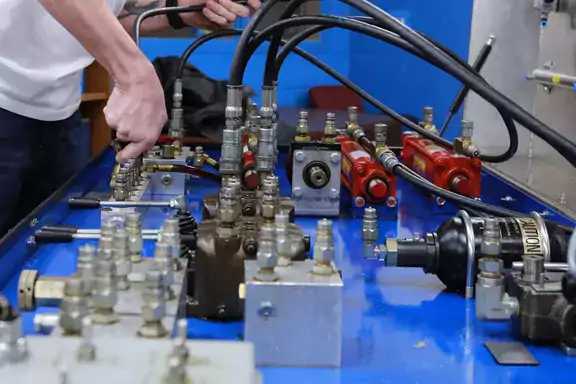
Industrial Maintenance Technicians work on machines that keep production lines moving. You might fix conveyor belts, motors, or hydraulic systems. Their daily tasks include routine inspections, troubleshooting breakdowns, and replacing worn parts to prevent failures.
Imagine walking into a factory where a machine suddenly stops. You’re the person they call to quickly diagnose and fix the issue, minimizing delays. This role requires quick thinking and a solid understanding of how different systems work together.
Key Skills And Tools
To succeed, you need a mix of skills:
- Mechanical knowledge:Understanding gears, belts, and engines.
- Electrical skills:Reading wiring diagrams and working with circuits.
- Problem-solving:Pinpointing issues and deciding on the best fix.
Tools you’ll use range from basic wrenches and screwdrivers to advanced diagnostic equipment. Having the right tools ready can save you hours of troubleshooting. Do you have your tool kit organized for quick access when problems arise?
Common Systems Maintained
Industrial environments have several critical systems you’ll encounter:
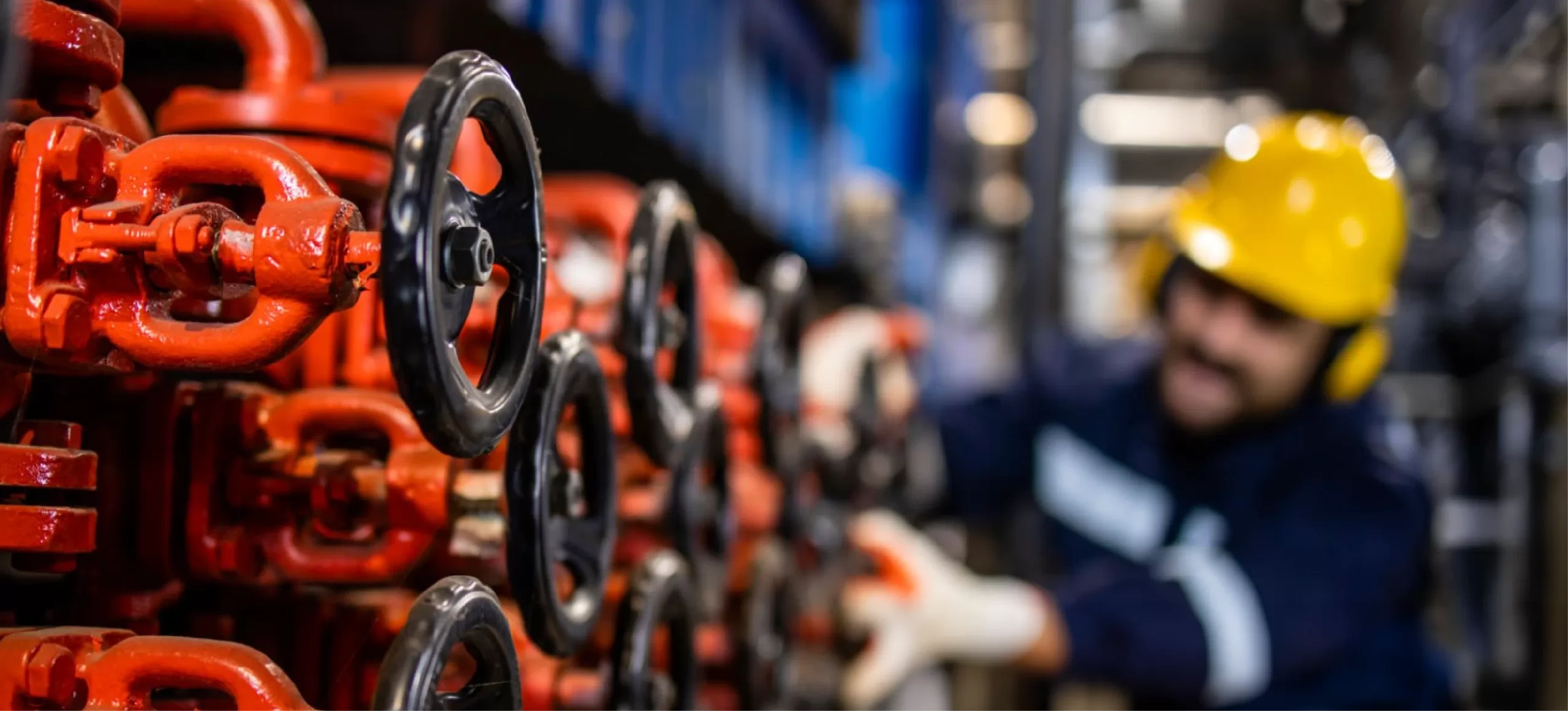
- Mechanical systems:Pumps, compressors, and gearboxes.
- Electrical systems:Motors, control panels, and wiring.
- Hydraulic and pneumatic systems:Used for movement and pressure control.
Each system has its quirks and maintenance needs. Knowing how these systems interact helps you anticipate problems before they cause downtime. What system do you find most challenging to maintain?
Key Components Of Industrial Maintenance
Understanding the key components of industrial maintenance is essential for anyone involved in managing or working with machinery and equipment. These components guide how maintenance tasks are planned, executed, and optimized to keep operations running smoothly. By focusing on these areas, you can reduce downtime, extend equipment life, and improve overall productivity.
Preventive Maintenance
Preventive maintenance involves regularly scheduled inspections and servicing to prevent equipment failures before they happen. It’s like giving your machines a regular health checkup to catch small issues early. You might schedule oil changes, lubrication, or parts replacement based on the manufacturer’s recommendations or past experience.
Think about the last time you ignored a small warning sign on a machine. Did it lead to bigger problems later? Preventive maintenance helps you avoid those costly surprises by addressing wear and tear proactively.
Predictive Maintenance
Predictive maintenance uses data and monitoring tools to predict when equipment might fail. Instead of following a fixed schedule, you maintain machines based on their actual condition. Sensors and software track things like vibration, temperature, or noise to spot issues early.
This approach can save money by focusing efforts exactly where they’re needed. Have you ever wondered how much downtime could be avoided if you knew a machine was about to break down hours before it actually did?
Corrective Maintenance
Corrective maintenance happens after a problem has occurred and involves fixing or replacing faulty equipment. While it might seem reactive, it’s still a vital part of the maintenance process. Sometimes, unexpected breakdowns happen despite your best preventive efforts.
How quickly you respond to these issues can make a huge difference in minimizing production loss. Have a plan ready for corrective actions to reduce your response time and get your operations back on track faster.
Tools And Equipment Used
Industrial maintenance technology relies heavily on a variety of tools and equipment designed to keep machinery running smoothly and prevent costly downtime. Having the right tools not only speeds up repairs but also helps you diagnose problems before they escalate. Understanding these tools can give you an edge in maintaining complex industrial systems effectively.
Diagnostic Tools
Diagnostic tools help you identify issues early and accurately. Common examples include vibration analyzers, thermal cameras, and multimeters. These devices reveal hidden problems such as overheating, electrical faults, or mechanical wear.
Imagine spotting a bearing failure with a vibration analyzer before it causes a machine breakdown. That small investment in diagnostic tools can save thousands in repairs and lost production time.
Repair Equipment
Repair equipment includes tools you use to fix or replace faulty components. This category covers everything from wrenches and screwdrivers to hydraulic lifts and welding machines. Each tool serves a specific purpose in restoring equipment functionality.
Having reliable repair equipment ready means you can respond to breakdowns quickly and reduce machine downtime. What’s the one repair tool you can’t work without in your maintenance kit?
Monitoring Systems
Monitoring systems track equipment performance over time to help you plan maintenance before failures occur. Examples include SCADA systems, PLCs, and sensor networks. These systems provide real-time data and alerts to keep you informed.
Using monitoring systems transforms maintenance from reactive to proactive. How often do you check your monitoring data to anticipate issues before they impact production?

Credit: www.supplychainbrain.com
Role Of Technology In Maintenance
Technology plays a vital role in industrial maintenance. It helps workers keep machines running smoothly and safely. Advances in technology reduce downtime and improve efficiency. Maintenance tasks become faster and more accurate with the right tools. Industrial Maintenance Technology combines mechanics, electronics, and software to fix and maintain equipment.
Automation In Maintenance
Automation uses machines and software to perform maintenance tasks. Robots can inspect equipment without stopping production. Automated systems can detect problems early and alert workers. This reduces human error and improves safety. Automation also schedules routine checks and maintenance automatically.
Role Of Iot
The Internet of Things (IoT) connects machines and sensors to the internet. IoT devices collect real-time data from equipment. This data helps predict failures before they happen. Sensors monitor temperature, vibration, and other key factors. IoT allows remote monitoring and quick decision-making.
Data Analytics For Maintenance
Data analytics processes information from machines and sensors. It finds patterns that indicate wear or damage. Predictive maintenance uses data to plan repairs at the best time. Analytics helps reduce unexpected breakdowns and maintenance costs. It also improves asset lifespan and factory productivity.
Benefits Of Industrial Maintenance Technology
Understanding the benefits of industrial maintenance technology can change the way you manage your equipment and operations. This technology isn’t just about fixing machines; it’s about keeping everything running smoothly and efficiently. Let’s look at how it can directly improve your work environment and bottom line.
Enhanced Equipment Lifespan
Regular maintenance powered by advanced technology helps your machines last longer. Sensors and diagnostic tools detect small problems before they become big, expensive repairs. Have you ever been surprised by a piece of equipment breaking down unexpectedly? Industrial maintenance technology helps you avoid those shocks by keeping your equipment in top shape.
Reduced Downtime
Downtime can cost you more than just lost production time—it can damage your reputation. With predictive maintenance, you can schedule repairs during planned stops instead of dealing with sudden breakdowns. Imagine knowing exactly when your equipment needs attention, so you never have to scramble to fix a surprise issue.
Cost Efficiency
Investing in industrial maintenance technology saves money in the long run. Instead of spending heavily on emergency repairs or replacements, you spend less on routine upkeep. Plus, efficient machines use less energy, lowering your operational costs. Think about how much you could save by avoiding costly downtime and extending the life of your assets.
Credit: abtech.edu
Challenges And Solutions
Industrial maintenance technology faces several challenges that impact efficiency and performance. Addressing these issues requires practical solutions. Understanding these hurdles helps businesses stay productive and competitive.
Skill Gaps
Many industries struggle with a shortage of skilled technicians. This gap slows down repairs and maintenance tasks. Continuous training and certification programs help workers stay updated. Partnering with technical schools boosts the talent pipeline. On-the-job training also improves skills quickly.
Integration Issues
Old machines often do not work well with new technologies. This mismatch causes delays and errors in maintenance. Using adaptable software helps bridge this gap. Investing in modular systems allows smoother upgrades. Clear communication between IT and maintenance teams is vital.
Budget Constraints
Limited budgets restrict buying new tools and training staff. Prioritizing critical repairs keeps operations running without overspending. Leasing equipment can reduce upfront costs. Many companies find success by scheduling maintenance to avoid costly breakdowns. Smart spending extends the life of existing assets.
Future Trends In Industrial Maintenance
The future of industrial maintenance is evolving fast. New tools and methods change how machines are cared for. These trends help companies save time and money. They also improve safety and efficiency in factories.
Ai And Machine Learning
Artificial intelligence (AI) and machine learning help predict machine failures. They analyze data from sensors and spot problems early. This reduces downtime and repair costs. Machines learn from past data to improve maintenance schedules. AI can also guide technicians with repair instructions in real time.
Sustainable Practices
Industries adopt eco-friendly maintenance to reduce waste and energy use. Sustainable practices include using recyclable parts and less harmful lubricants. They focus on extending machine life to avoid frequent replacements. Saving resources helps both the environment and company budgets.
Remote Maintenance
Remote maintenance allows technicians to fix machines from anywhere. Using cameras and sensors, experts guide onsite workers or control equipment remotely. This saves travel time and speeds up repairs. It also reduces human exposure to dangerous environments.
Frequently Asked Questions
What Is Industrial Maintenance Technology?
Industrial Maintenance Technology involves maintaining and repairing machinery in factories. It ensures equipment runs efficiently, minimizing downtime and production loss. Technicians use mechanical, electrical, and computerized skills for troubleshooting and preventive maintenance.
Why Is Industrial Maintenance Technology Important?
It keeps industrial equipment reliable and safe. Proper maintenance prevents costly breakdowns and extends machinery lifespan. This technology improves productivity and reduces repair expenses in manufacturing environments.
What Skills Are Needed For Industrial Maintenance Technology?
Key skills include mechanical knowledge, electrical troubleshooting, and computer literacy. Technicians must understand hydraulics, pneumatics, and programmable logic controllers (PLCs). Problem-solving and attention to detail are also essential.
How Does Industrial Maintenance Technology Impact Manufacturing?
It enhances production efficiency by reducing machine downtime. Well-maintained equipment operates smoothly, ensuring consistent product quality. This technology supports continuous operations and lowers overall maintenance costs.
Conclusion
Industrial Maintenance Technology keeps machines running smoothly. Skilled workers fix problems fast and prevent breakdowns. This field combines mechanics, electronics, and computers. It helps industries stay productive and safe. Learning these skills opens many job opportunities. Technology changes, so ongoing learning is important.
Understanding this field benefits both workers and companies. It plays a key role in modern industry success.
Leave a Reply