Are you curious about how Minnesota keeps track of people under court supervision without locking them up? Understanding Minnesota Home Electronic Monitoring can change the way you see justice and safety in your community.
This system uses technology to monitor individuals right from their homes, offering a balance between freedom and accountability. If you want to know how it works, who uses it, and what it means for you or someone you care about, keep reading.
This guide will give you clear answers and help you grasp the full picture.
Credit: cedarcreekenergy.com
Minnesota Home Electronic Monitoring Basics
Minnesota Home Electronic Monitoring (HEM) offers an innovative approach to supervision. It allows individuals to serve time at home instead of in a facility. This system balances justice with personal freedom.
Purpose And Goals
The primary goal of HEM is to reduce overcrowding in jails. It provides an alternative for non-violent offenders. This system supports rehabilitation while maintaining public safety. It also cuts down on government expenses related to incarceration. HEM helps individuals remain in the community, keeping family ties strong. It allows participants to continue working or attending school.
How It Works
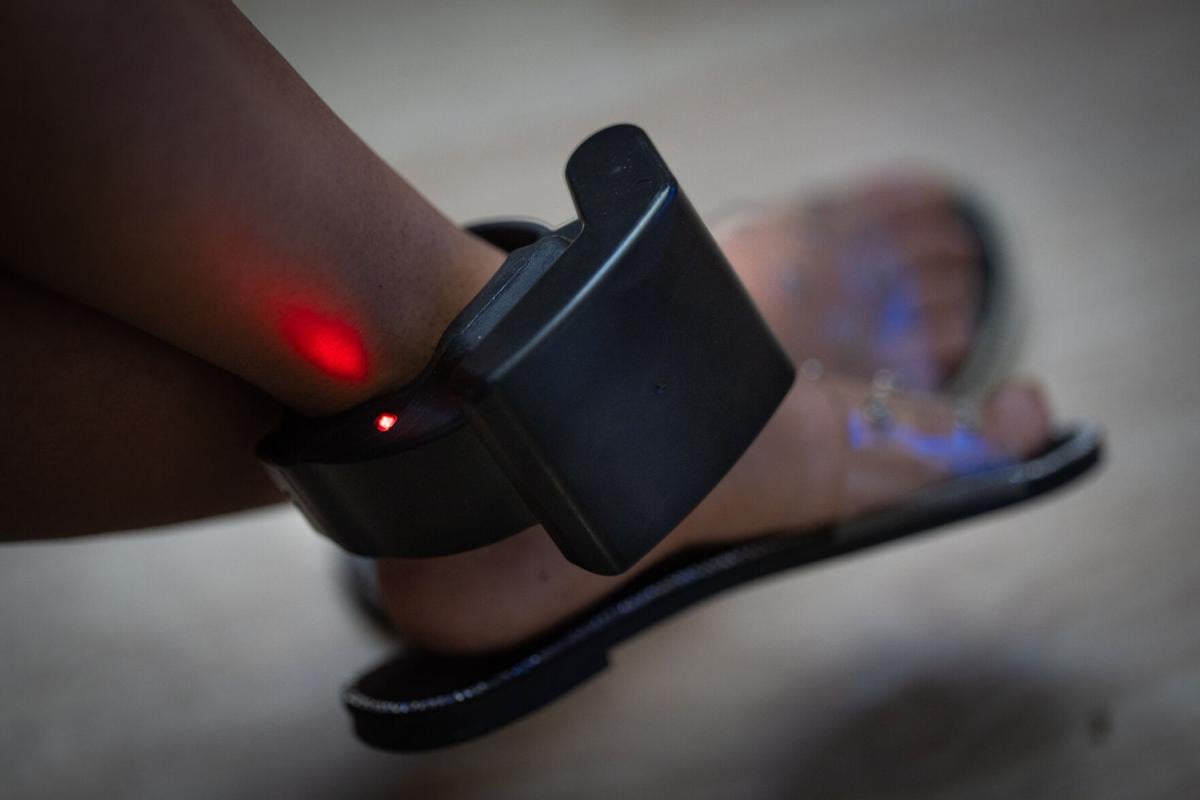
HEM uses electronic devices to monitor individuals’ locations. These devices often include ankle bracelets with GPS technology. The system sends alerts if someone leaves a designated area. It ensures that participants follow court-ordered restrictions.
Participants must agree to certain conditions. These can include curfews or restricted movement. Compliance is crucial for staying in the program. Authorities closely monitor activity and can take action if rules are broken. The technology ensures accountability and helps maintain a structured lifestyle.
Types Of Electronic Monitoring Devices
Electronic monitoring devices help track and supervise individuals under court orders. These tools ensure safety and compliance with legal conditions. Minnesota uses several types of devices to suit different monitoring needs. Each device works in a unique way to provide accurate data to authorities.
Gps Tracking
GPS tracking devices use satellite signals to follow a person’s location. They attach to the ankle or wrist and send real-time data. Authorities can see if someone leaves allowed areas or enters restricted zones. This system helps reduce violations and supports public safety.
Rf Monitoring
Radio Frequency (RF) monitoring tracks presence within a specific area. The device sends signals to a home unit to confirm if the person is inside. It cannot track exact location but ensures compliance with curfews or home confinement. RF monitoring is less expensive and simpler than GPS.
Alcohol Detection Systems
These devices test for alcohol use through breath or skin sensors. The system alerts officers if alcohol is detected. It helps enforce sobriety orders and supports rehabilitation. Continuous or random testing can be set based on court requirements.
Eligibility Criteria
Understanding the eligibility criteria for Minnesota Home Electronic Monitoring (HEM) can help you determine if this option fits your situation. These criteria ensure that only suitable candidates receive electronic monitoring, balancing safety and opportunity. Let’s break down who qualifies and what legal requirements apply.
Who Qualifies
Not everyone charged or convicted is eligible for home electronic monitoring. Typically, individuals with non-violent offenses or those nearing the end of their sentence have a better chance of qualifying.
The program often targets:
- First-time offenders
- People with stable housing and employment
- Those who pose minimal risk to the community
Have you ever wondered if your daily routine and background could make you a good candidate? Stability in your personal life is a key factor here.
Legal Requirements
Legal rules set clear boundaries for who can use HEM in Minnesota. Courts and probation officers review each case carefully before approval.
Key requirements include:
- Consent to constant monitoring
- Agreement to follow strict curfews and travel restrictions
- Absence of recent violent crimes or serious felonies
These rules protect both the community and the individual under monitoring. If you think you meet these standards, it’s worth discussing with your legal advisor or probation officer.
Credit: www.telehealthnursenetwork.com
Enrollment And Setup Process
The enrollment and setup process for Minnesota Home Electronic Monitoring ensures a smooth start. This system tracks individuals as part of court orders or probation. Clear steps guide applicants through signing up and installing the required devices.
The process aims to make setup easy and quick. Understanding each phase helps users prepare and comply with state rules. The system uses technology designed for security and reliability.
Application Steps
Begin by submitting an application through the assigned agency. Provide personal details and court information. The agency reviews the application and verifies eligibility.
- Complete all required forms accurately.
- Attend any scheduled interviews or meetings.
- Receive approval and instructions on next steps.
Once approved, users get a clear outline of program rules. They also learn about device use and monitoring guidelines.
Device Installation
After approval, a technician schedules a visit to install the monitoring device. The device is usually a wearable bracelet or ankle monitor. Installation takes place at the user’s home or designated location.
- The technician explains how the device works.
- Device is securely fitted to ensure comfort and security.
- System tested to confirm proper operation and connection.
Users receive instructions on device care and what to do if issues arise. Regular check-ins may be required to maintain the device’s function.
Daily Life With Electronic Monitoring
Daily life with Minnesota home electronic monitoring involves clear rules and routines. People under monitoring must adjust to constant supervision. This system helps ensure safety and compliance with legal terms. It affects how individuals move, communicate, and manage time every day.
Restrictions And Rules
Electronic monitoring sets strict limits on daily activities. Wearers cannot leave approved areas without permission. Curfews are common and must be followed exactly. Contact with certain people may be banned. Devices track location and behavior continuously. Violating rules leads to serious consequences. These rules keep communities safe and support rehabilitation.
Reporting Obligations
People under monitoring must report regularly to authorities. Reporting can be in person or by phone. Honesty and punctuality are crucial during check-ins. Any changes in schedule or location require notification. Skipping reports can cause alerts and penalties. Clear communication helps maintain trust with officers. This process ensures ongoing compliance with court orders.
Benefits Of Home Electronic Monitoring
Home electronic monitoring offers several clear benefits for Minnesota communities and individuals under supervision. It provides a way to watch and support people without locking them up. This method helps balance safety, cost, and personal growth.
Cost Savings
Electronic monitoring costs less than jail or prison stays. It reduces expenses for housing, food, and staff. Courts save money by using technology to supervise offenders at home. Taxpayers benefit from lower correctional costs. This system allows funds to go to other public services.
Community Safety
Monitoring devices track movements and ensure rules are followed. This helps prevent crimes and keeps neighborhoods safer. Authorities receive alerts if someone breaks curfew or enters restricted areas. The system allows quick action to protect the public. It maintains order without heavy prison use.
Rehabilitation Support
Home monitoring encourages people to keep jobs and attend school. It helps maintain family connections and community ties. This support boosts chances of successful reintegration. People receive guidance and reminders to follow court orders. The approach fosters responsibility and reduces repeat offenses.
Challenges And Limitations
While Minnesota Home Electronic Monitoring offers many benefits, it also faces several challenges and limitations that can affect its effectiveness. Understanding these issues helps you weigh the pros and cons before deciding if this monitoring fits your situation. Let’s take a closer look at some common obstacles.
Technical Issues
Electronic monitoring devices can sometimes fail due to technical glitches. Batteries may run out unexpectedly, or the signal connection might drop, causing gaps in monitoring. Such interruptions can lead to inaccurate tracking and may result in unnecessary complications for those being monitored.
Another challenge is the reliability of the software used to manage the monitoring data. System errors or delays in data transmission can affect real-time supervision. Have you ever experienced frustration with a device that didn’t work when you needed it most? These technical limitations highlight the need for regular maintenance and updates.
Privacy Concerns
Privacy is a major concern for anyone under electronic monitoring. Constant tracking can feel invasive and raise questions about personal freedom. You might wonder how much of your daily life is truly private when monitored around the clock.
Moreover, there is the risk of sensitive information being accessed by unauthorized parties. Protecting data from breaches requires strong security measures. Are you comfortable with the trade-off between supervision and privacy? This balance is crucial and often hard to achieve in practice.
Legal Consequences For Violations
Violating the terms of Minnesota Home Electronic Monitoring carries serious legal consequences. The system tracks movements and activities closely to ensure compliance. Breaking the rules can lead to swift and strict penalties. Authorities enforce these rules to maintain the program’s integrity and public safety.
Common Infractions
- Removing or tampering with the monitoring device
- Leaving the designated area without permission
- Failing to charge or wear the device properly
- Violating curfew or other court-ordered restrictions
- Missing scheduled check-ins or appointments
Penalties And Enforcement
Penalties depend on the severity and frequency of the violations. First-time offenders may receive warnings or additional court orders. Repeat or serious violations can lead to:
- Increased monitoring or stricter conditions
- Fines imposed by the court
- Extended monitoring periods
- Revocation of monitoring privileges
- Possible jail time or return to prison
Law enforcement uses GPS and real-time alerts to detect violations quickly. Courts take each case seriously to deter future offenses. Compliance is essential to avoid harsh legal outcomes.
Resources And Support Services
Resources and support services are key to understanding Minnesota Home Electronic Monitoring. They help individuals and families navigate the system. Support can make the process smoother and less stressful.
These services provide guidance, information, and practical help. They connect people with the right tools and assistance programs. This support ensures compliance and promotes successful outcomes.
Contact Agencies
Several agencies manage and assist with home electronic monitoring. Contacting the right agency helps answer questions and resolve issues.
- Department of Corrections: Oversees monitoring programs and compliance.
- Local Probation Offices: Provide direct support and supervision.
- Community Service Centers: Offer additional resources and counseling.
- Victim Services: Help victims understand the monitoring process.
Assistance Programs
Assistance programs offer financial help and equipment support. They reduce the burden of costs related to monitoring devices.
- State-funded grants for electronic monitoring devices.
- Nonprofit organizations providing counseling and legal aid.
- Community outreach programs for education and support.
- Employment support for those under monitoring restrictions.
Credit: www.healthpartners.com
Frequently Asked Questions
What Is Minnesota Home Electronic Monitoring?
Minnesota Home Electronic Monitoring is a court-ordered program. It uses GPS devices to track offenders at home. This system helps reduce jail overcrowding and supports offender rehabilitation.
Who Is Eligible For Home Electronic Monitoring?
Eligible individuals typically include low-risk offenders and those on probation. Courts decide eligibility based on case specifics and risk assessments. The program aims to ensure public safety while allowing supervised freedom.
How Does Minnesota Home Electronic Monitoring Work?
The system uses ankle GPS devices to track location 24/7. Offenders must stay within approved areas. Violations trigger alerts to authorities for immediate action.
What Are The Benefits Of Home Electronic Monitoring?
It reduces jail costs and overcrowding. Offenders maintain family and job connections. The program supports rehabilitation while ensuring community safety.
Conclusion
Minnesota Home Electronic Monitoring helps keep people safe at home. It tracks movement and ensures rules are followed. This system supports those under court supervision. It offers a clear way to stay connected with authorities. Families can find peace knowing loved ones are monitored.
The technology is easy to use and reliable. Overall, it provides a balance between freedom and security. People can live at home while still being watched. This method reduces jail time and supports better outcomes.
Leave a Reply