Have you ever wished you could stop machine breakdowns before they happen? Imagine saving time, money, and stress by knowing exactly when your equipment needs attention.
That’s the power of predictive maintenance technologies. These tools help you spot problems early, so you can fix them before they turn into costly disasters. If you want to keep your operations running smoothly and avoid unexpected downtime, understanding predictive maintenance is a game-changer.
Keep reading to discover how these technologies work and how they can benefit you.

Credit: www.pcimag.com
Predictive Maintenance Basics
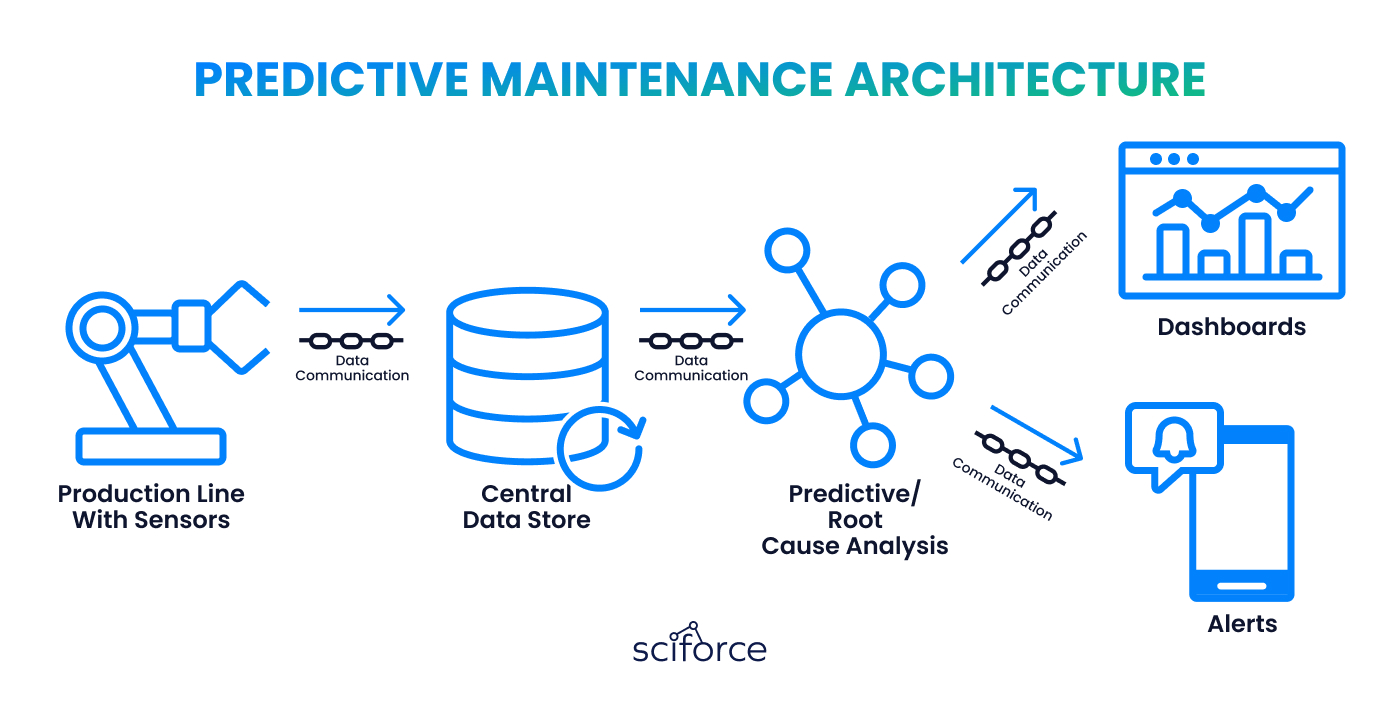
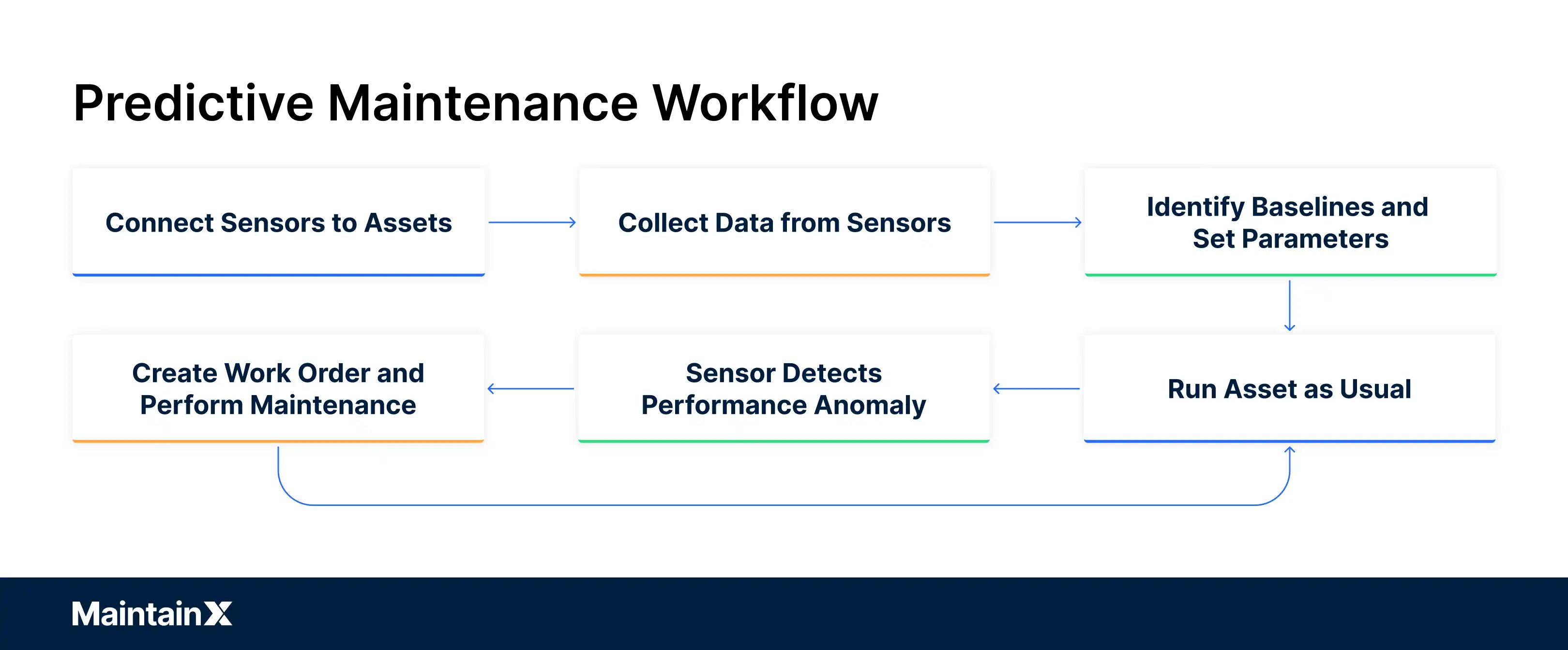
Predictive maintenance technologies use sensors and data to spot problems before machines break. This helps fix issues early and avoid costly downtime. These tools make maintenance smarter and more efficient.
Predictive Maintenance Basics Predictive maintenance technologies are transforming how industries approach equipment maintenance. By anticipating equipment failures before they happen, these technologies help avoid costly downtimes. They’re not just about fixing things before they break; they’re about optimizing the entire maintenance process.Key Concepts
Predictive maintenance relies on data collected from equipment sensors. This data is analyzed to predict when a machine is likely to fail. Techniques such as vibration analysis, oil analysis, and thermal imaging are commonly used. The goal is to perform maintenance tasks only when necessary. It contrasts with scheduled maintenance, which is done at regular intervals. This approach ensures that maintenance is timely and cost-effective.Benefits Over Traditional Maintenance
Predictive maintenance offers several advantages over traditional methods. One major benefit is reduced downtime. By identifying issues before they escalate, you can schedule repairs at convenient times. This method also extends equipment lifespan. Regular and unnecessary maintenance can sometimes cause wear and tear. Predictive strategies ensure maintenance activities are performed only when needed. Moreover, predictive maintenance is cost-efficient. It reduces the need for emergency repairs and minimizes the risk of unexpected failures. Have you ever wondered how much downtime is costing your business? Embracing predictive maintenance could be the solution you need.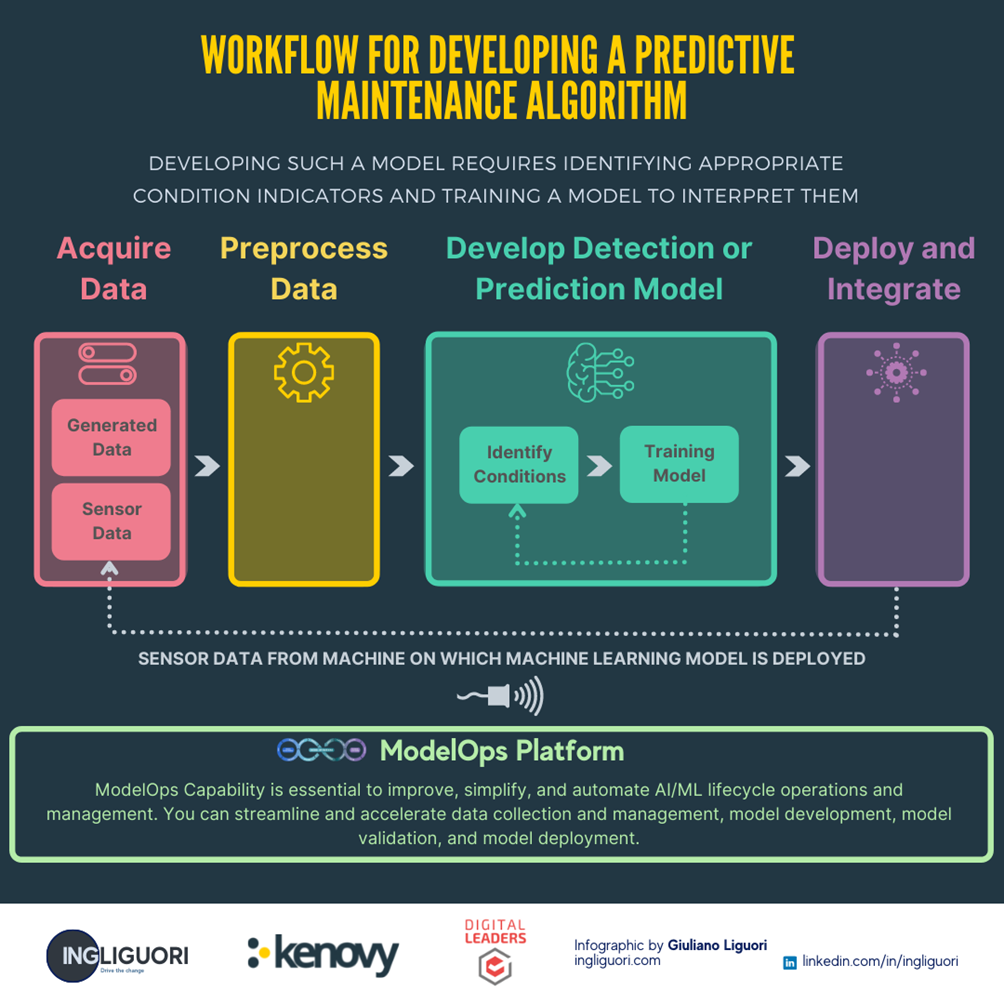
Credit: medium.com
Core Technologies Behind Predictive Maintenance
Predictive maintenance relies on several key technologies that work together to prevent equipment failure. These technologies collect data, analyze it, and provide insights to schedule repairs before problems occur. Understanding these core technologies helps grasp how predictive maintenance improves efficiency and reduces downtime.
Iot Sensors And Data Collection
IoT sensors gather real-time data from machines and equipment. They measure temperature, vibration, pressure, and other important signs. These sensors send data continuously, giving a clear picture of machine health. Accurate data collection helps detect issues early and avoid sudden breakdowns.
Machine Learning Algorithms
Machine learning algorithms analyze the collected data to find patterns. These algorithms learn from past equipment behavior and predict future failures. They identify unusual changes that humans might miss. This helps schedule maintenance only when needed, saving time and costs.
Cloud Computing And Edge Analytics
Cloud computing stores large amounts of data safely and allows easy access. It provides powerful tools to process and analyze data quickly. Edge analytics processes data near the source, reducing delays. Combining cloud and edge computing enables faster decisions and better maintenance planning.
Data Sources And Analytics
Predictive maintenance technologies rely heavily on data sources and analytics. They gather information from various points to predict equipment failures before they happen. This process helps reduce downtime and maintenance costs. Data collection and analysis form the backbone of these technologies.
Different types of data provide unique insights. Real-time data captures current equipment status. Historical data shows past performance trends. Advanced analytics detect unusual patterns signaling potential issues.
Real-time Monitoring
Real-time monitoring collects data continuously from sensors attached to machines. These sensors track temperature, vibration, pressure, and other critical metrics. This immediate data helps identify problems as they arise. It allows quick reactions to avoid breakdowns. Real-time data streams are essential for timely maintenance actions.
Historical Data Analysis
Historical data analysis examines records collected over time. It reveals patterns and trends in machine behavior. This data includes past failures, repairs, and operating conditions. Analyzing history helps predict when equipment might fail next. It supports planning maintenance schedules to reduce unexpected stops.
Anomaly Detection Techniques
Anomaly detection techniques use analytics to spot abnormal data points. These anomalies often indicate early signs of equipment issues. Machine learning algorithms compare current data against normal patterns. They flag deviations that need attention. Detecting anomalies early prevents costly failures and extends machine life.
Applications Across Industries
Predictive maintenance technologies are reshaping how industries manage equipment and reduce downtime. These tools analyze data to foresee when a machine might fail, allowing you to act before problems arise. This proactive approach saves time, cuts costs, and improves safety in many fields.
Manufacturing
In manufacturing, predictive maintenance helps keep production lines running smoothly. Sensors track machine vibrations, temperature, and wear to predict failures early. This means fewer unexpected breakdowns and less wasted material.
Imagine spotting a worn-out bearing hours before it causes a halt in assembly. You can schedule repairs during planned downtime, avoiding expensive disruptions. Many factories now use AI-powered analytics to spot subtle signs machines are struggling.
Transportation
Transportation relies heavily on vehicle uptime, and predictive maintenance plays a key role here. Airlines monitor engine health to prevent in-flight failures, while railways track track and train conditions. This technology helps avoid delays and enhances passenger safety.
Have you ever wondered how logistics companies keep fleets moving without constant breakdowns? They use data from GPS and onboard sensors to predict which trucks or trains need attention. This keeps deliveries on time and reduces repair costs.
Energy And Utilities
Energy and utility providers use predictive maintenance to protect critical infrastructure like power plants and grids. Monitoring equipment conditions prevents blackouts and costly emergency repairs. Sensors detect anomalies in turbines, transformers, and pipelines early on.
For example, wind farms collect data on turbine blades to predict when maintenance is needed before damage occurs. This approach not only saves money but also supports reliable energy supply. Would you trust your power source without these safety measures in place?
Challenges In Implementation
Implementing predictive maintenance technologies brings promising benefits, but it’s not without its hurdles. You might find that the challenges lie not just in the tech itself, but in how your existing systems and teams adapt to it. Understanding these obstacles can prepare you to tackle them head-on and make your implementation smoother.
Data Quality And Integration
Predictive maintenance depends heavily on accurate and consistent data. Poor data quality can lead to false alarms or missed failures, undermining your entire system. If your machinery and sensors don’t communicate well with each other, integrating these data streams can become a frustrating puzzle.
Think about a factory floor where machines use different protocols. Without a unified data platform, you’ll struggle to get a clear picture of asset health. Have you checked if your current systems can easily share data, or will you need extra tools to bridge the gaps?
Skilled Workforce Requirements
Introducing predictive maintenance means you need people who understand both the technology and the equipment. Finding technicians who can interpret analytics and act on them isn’t always easy. Training your existing team takes time and resources, but skipping this step risks underutilizing your investment.
I once worked with a company that bought a state-of-the-art system but didn’t prepare their staff. The result? The system collected data, but no one knew how to use it effectively. Are you ready to invest in ongoing education to keep your team sharp and responsive?
Cost And Roi Considerations
Predictive maintenance technologies often require a significant upfront investment in hardware, software, and training. It’s tempting to focus on cost alone, but understanding your return on investment is crucial. Will the reduction in downtime and maintenance costs justify what you spend?
Budgeting for unexpected expenses, like system upgrades or additional sensors, is important too. Could you start small with a pilot program to measure impact before scaling up? This approach helps you avoid large sunk costs without proven benefits.
Credit: www.getmaintainx.com
Future Trends And Innovations
The future of predictive maintenance technologies is full of exciting possibilities that can transform how you manage equipment and reduce downtime. Innovations are making these systems smarter, faster, and more accurate. Let’s look at some trends that are shaping the next generation of maintenance solutions and what they mean for your operations.
Ai-driven Predictive Models
Artificial intelligence is powering predictive models that learn from vast amounts of data to spot patterns you might miss. These models improve over time, offering predictions that are more precise and tailored to your specific equipment. Imagine catching a potential failure days before it happens—saving you both time and money.
Have you ever wondered how much more efficient your maintenance schedule could be if predictions were nearly flawless? AI helps by continuously analyzing sensor data, maintenance records, and environmental factors to refine its forecasts. This means fewer surprises and better resource planning.
Advanced Sensor Technologies
New sensor technologies are pushing the boundaries of what you can monitor. These sensors are smaller, more sensitive, and capable of capturing a broader range of data—from temperature and vibration to chemical composition. This detailed insight lets you detect issues at the earliest stage.
For example, fiber optic sensors can measure strain and temperature inside critical components without interrupting operations. What if you could monitor your machinery’s health in real-time with minimal downtime? These advanced sensors are making it possible, giving you continuous visibility into your assets.
Integration With Digital Twins
Digital twins create a virtual replica of your physical equipment, allowing you to simulate and analyze its behavior under various conditions. When predictive maintenance data is integrated with digital twins, you get a dynamic tool for testing scenarios and planning interventions before problems arise.
Imagine running a simulation that shows how a worn-out part might affect your entire system. This integration helps you make smarter decisions about maintenance timing and prioritization. How much could you save if you could predict not only failures but also the ripple effects they cause?
Frequently Asked Questions
What Is Predictive Maintenance Technology?
Predictive maintenance technology uses data and sensors to predict equipment failures. It helps schedule timely repairs, reducing downtime and costs.
How Do Predictive Maintenance Tools Work?
These tools collect real-time data from machines. They analyze patterns to detect anomalies and forecast potential breakdowns before they happen.
Which Industries Use Predictive Maintenance Technologies?
Manufacturing, automotive, energy, and aerospace industries commonly use predictive maintenance to improve equipment reliability and optimize maintenance schedules.
What Are The Benefits Of Predictive Maintenance?
Benefits include reduced downtime, lower maintenance costs, extended equipment life, and improved operational efficiency through proactive repairs.
Conclusion
Predictive maintenance technologies help avoid unexpected machine failures. They save time and reduce repair costs. Sensors and data analysis spot problems early. This keeps equipment running smoothly and safely. Many industries use these tools to improve work. Learning about these technologies can help businesses plan better.
Small changes lead to big savings. The future of maintenance is smart and data-driven. Staying informed about these tools benefits everyone in the long run.
Leave a Reply