Have you ever wondered how the gadgets you use every day came to be? From the first radio to the latest smartphone, consumer electronics have changed the way you live, work, and play.
Understanding their history can give you a new appreciation for the devices you rely on. You’ll discover the key moments and inventions that shaped the world of consumer electronics—and how they continue to impact your life right now. Keep reading, and you might see your favorite tech in a whole new light.
Early Beginnings Of Consumer Electronics
The early beginnings of consumer electronics mark a time of great innovation. Simple devices started changing everyday life. People began to enjoy new ways to connect and entertain themselves. These early inventions laid the foundation for the technology we use today.
Invention Of Radio And Television
The radio was one of the first major consumer electronics. Invented in the late 19th century, it allowed people to hear news and music from far away. Radios became very popular in homes by the 1920s. They brought families together around a shared experience.
Television followed the radio and added a visual element. Early TVs appeared in the 1930s and 1940s. At first, screens were small and images were black and white. Over time, television sets became more affordable and widely available. They quickly became a central part of home life.
Rise Of Household Appliances
Household appliances began to change how people handled chores. Electric appliances made tasks easier and faster. Items like vacuum cleaners, refrigerators, and washing machines grew popular after World War II. They helped improve comfort and convenience in daily routines.
These early devices were simple but effective. They marked the start of a shift toward automated home living. Consumers welcomed these tools for saving time and effort. This set the stage for the vast range of appliances available today.
Credit: uxdesign.cc
The Age Of Analog Devices
The Age of Analog Devices marks a fascinating chapter in the history of consumer electronics. This era shaped how people experienced entertainment and communication at home. Analog technology laid the groundwork for many devices you might still recognize or use today.
Television’s Golden Age
Television became a household staple during this period. The shift from black-and-white to color TV transformed viewing experiences, making shows more vivid and engaging.
Remember gathering around the TV with family? That’s when shared entertainment truly took off. The analog signals carried rich, continuous waves of information, which created smooth and lifelike images.
Did you know that early TVs required manual tuning? Adjusting those dials was a small ritual that connected viewers directly to their favorite channels. It’s a sharp contrast to today’s instant digital streaming.
Audio Equipment Advancements
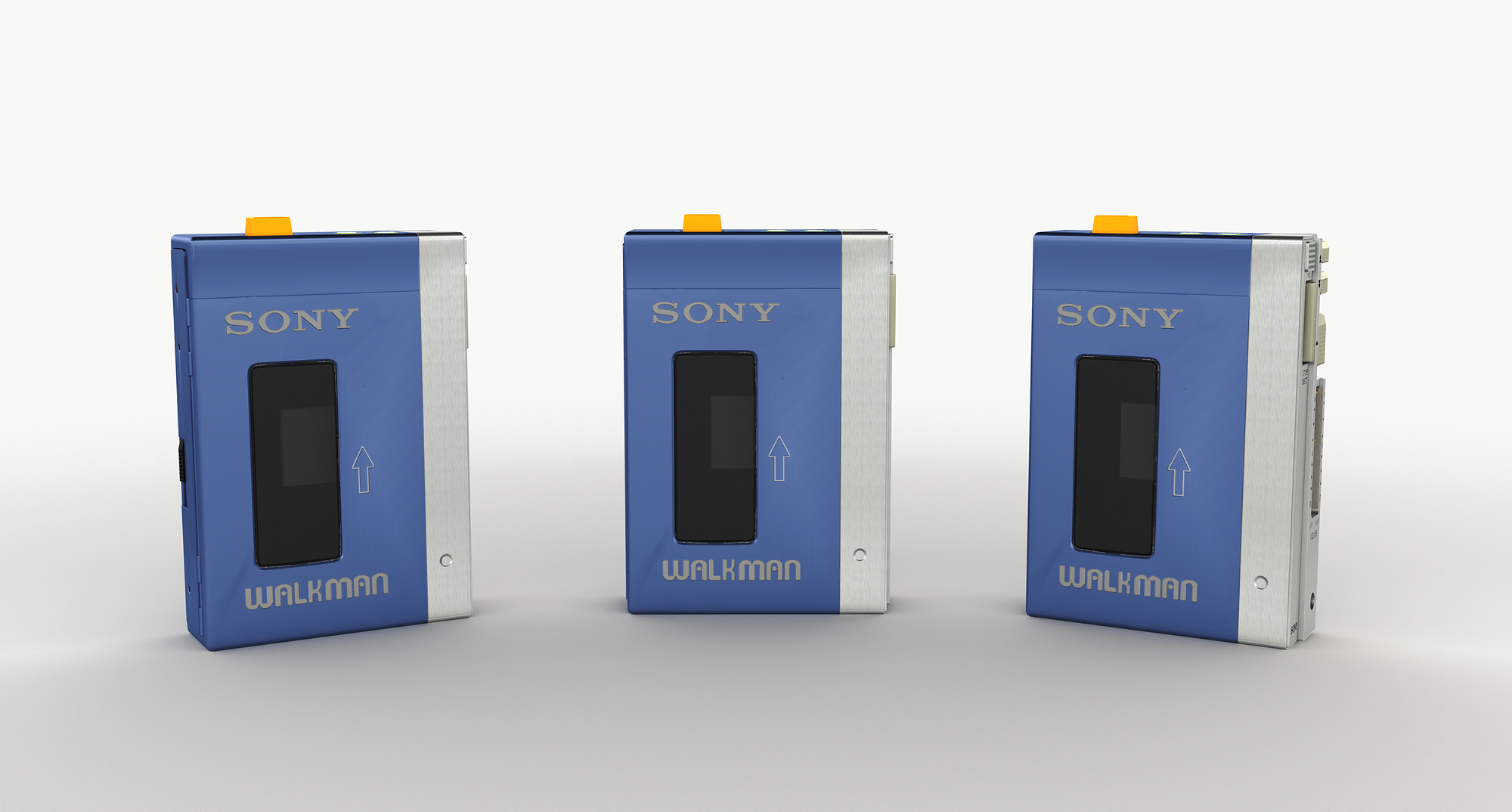
Analog audio devices like turntables and cassette players gave music lovers a tactile connection to sound. The warmth of vinyl records or the hiss of a tape brought a unique character to listening.
Developments in amplifiers and speakers improved sound quality dramatically. You could finally fill a room with rich, clear music, which made social gatherings more vibrant.
Have you ever noticed how some people still prefer analog sound? That preference highlights how these devices create a different emotional experience compared to digital formats.
The Digital Revolution
The Digital Revolution transformed how we live, work, and communicate. It marked a major shift from analog to digital technology, making devices smarter and more connected. This era introduced innovations that reshaped your daily life in ways you might take for granted now.
Introduction Of Personal Computers
Personal computers became accessible to regular people in the late 1970s and early 1980s. Brands like Apple and IBM put powerful machines on desks around the world. Suddenly, tasks like writing documents, managing finances, and playing games moved from large offices to your home.
Think about how your own work or hobbies changed when you first used a PC. The ability to store information digitally saved time and space, making your tasks simpler and faster. What would your life look like without a computer at hand today?
Birth Of The Internet
The internet began as a military project but soon grew into a global network connecting millions. By the 1990s, websites and email became common tools for communication and information sharing. This invisible web reshaped how you find news, shop, and even socialize.
Have you noticed how much your daily routine depends on being online? The internet made knowledge and services instantly available, changing your expectations about speed and convenience. It also opened doors for businesses to reach customers worldwide, something unimaginable before.
Credit: medium.com
Mobile Technology Surge
The surge in mobile technology has reshaped how you interact with the world. From simple calls to powerful computing in your pocket, mobile devices have become essential. This rapid growth has changed not just communication but the entire consumer electronics landscape.
Smartphones And Tablets
Smartphones and tablets emerged as the flagship devices in the mobile technology surge. These gadgets combined portability with powerful features, giving you access to the internet, media, and work tools anytime, anywhere.
Think about the first time you used a touchscreen phone—did it feel like holding the future? Devices like the iPhone and iPad set new standards, making mobile technology intuitive and accessible for everyone.
Manufacturers quickly packed more capabilities into these devices, such as high-quality cameras and faster processors. This pushed you to rely on your smartphone or tablet for daily tasks, entertainment, and even health monitoring.
Impact Of Mobile Apps
Mobile apps transformed smartphones and tablets from simple gadgets into personalized tools. They let you tailor your device to your needs, whether for productivity, gaming, or social connection.
Consider how apps like WhatsApp or Instagram changed the way you communicate and share moments. They made staying connected easier and more immediate, affecting both your personal and professional life.
Apps also opened new business opportunities and created entire industries around mobile services. Have you noticed how many tasks you now handle through apps, like banking or shopping? This shift highlights the deep impact apps have on your daily routine and consumer choices.
Smart Homes And Iot
The rise of smart homes and the Internet of Things (IoT) marks a major shift in consumer electronics. Homes are no longer just places to live. They have become interconnected hubs filled with devices that communicate and work together. This new era brings convenience, security, and energy savings right to your fingertips.
Smart homes use internet-connected devices to automate tasks. From lighting to temperature control, these devices adapt to your needs. The IoT connects everyday objects to the internet, allowing them to send and receive data. This connectivity creates a seamless, responsive living environment.
Connected Home Devices
Connected home devices include smart thermostats, lights, locks, and cameras. These gadgets link to a central hub or smartphone app. Users control them remotely or through voice commands. Sensors detect motion, temperature, or humidity to trigger actions automatically.
- Smart speakers like Amazon Echo and Google Home act as control centers.
- Security cameras provide real-time monitoring and alerts.
- Smart lighting adjusts brightness and color based on time or activity.
- Smart locks offer keyless entry and remote access management.
These devices improve daily life by enhancing comfort and safety. They also help reduce energy use by optimizing appliance operation.
Evolution Of Home Automation
Home automation began decades ago with simple timers and remote controls. Early systems were expensive and limited in function. The internet and wireless technology transformed automation into smart home systems.
Today’s smart homes feature AI-powered assistants and machine learning. These technologies predict user preferences and automate routines. Integration with smartphones and cloud services makes control easy and flexible.
The future holds even more advanced automation. Homes will become smarter, more efficient, and deeply personalized. IoT devices will continue to expand, linking everything in the home.

Credit: www.jonandnic.com
Wearable Technology
Wearable technology has changed how people interact with devices daily. These gadgets blend technology with fashion and health. They provide convenience, tracking, and connectivity right on the wrist or body.
Fitness Trackers And Smartwatches
Fitness trackers started as simple step counters. Over time, they added heart rate monitors and sleep tracking. Smartwatches grew from these devices by adding apps and notifications. They connect to smartphones, showing calls, messages, and alerts. Many models support GPS and music playback. This technology encourages a healthier lifestyle and easier communication.
Future Of Wearables
The future of wearable technology looks promising. Innovations focus on better sensors and longer battery life. Devices may soon monitor more health signs like blood sugar or hydration. Flexible and smaller designs will improve comfort. Integration with virtual reality and AI could enhance daily life. Wearables will likely become more personalized and essential.
Sustainability In Consumer Electronics
Sustainability in consumer electronics is no longer just a buzzword; it’s a necessity. As devices become more integral to daily life, their environmental impact grows too. Understanding how the industry is tackling sustainability helps you make better choices and push for greener tech solutions.
Eco-friendly Innovations
Many companies now design gadgets with recyclable materials and energy-efficient components. Some smartphones use bioplastics instead of conventional plastic, reducing carbon footprints. You might notice brands advertising longer battery life, which means fewer replacements and less waste.
Have you ever thought about how much energy your devices consume when idle? New innovations include smart power management systems that cut energy use automatically. This not only saves your electricity bill but also lowers environmental strain.
Challenges In E-waste Management
Despite progress, electronic waste remains a massive challenge worldwide. Only about 20% of e-waste gets properly recycled, leaving harmful substances to pollute soil and water. You might find it hard to locate convenient recycling points in your area, which can discourage responsible disposal.
Improving e-waste collection and recycling requires cooperation between manufacturers, governments, and consumers. Are you aware of local programs that accept old electronics? Taking part can directly reduce the toxic impact of discarded devices.
Frequently Asked Questions
What Defines Consumer Electronics History?
Consumer electronics history traces the development of devices made for personal use. It includes radios, TVs, computers, and smartphones. The evolution reflects technological advances and changing lifestyles. This history highlights innovation in communication, entertainment, and daily convenience.
When Did Consumer Electronics First Emerge?
Consumer electronics first emerged in the early 20th century with radios. The 1920s marked the rise of household radios. Later, televisions and other devices followed. Innovations accelerated post-World War II, leading to modern digital gadgets.
How Did Radio Impact Consumer Electronics?
Radio revolutionized communication by bringing audio to homes worldwide. It paved the way for future devices like TVs and music players. Radio’s success created a market for personal electronic devices, influencing design and technology trends.
What Role Did Television Play Historically?
Television transformed entertainment by delivering visual content to households. Introduced in the 1930s, it became mainstream by the 1950s. TV shaped culture, advertising, and media consumption, becoming a central consumer electronic device.
Conclusion
Consumer electronics have changed a lot over time. They started simple but grew more useful. Each invention made life easier and more fun. People use these devices every day now. Understanding their history helps us see progress clearly. The future of electronics looks bright and full of promise.
Technology will keep evolving and surprising us. Staying aware of these changes matters for everyone.
Leave a Reply