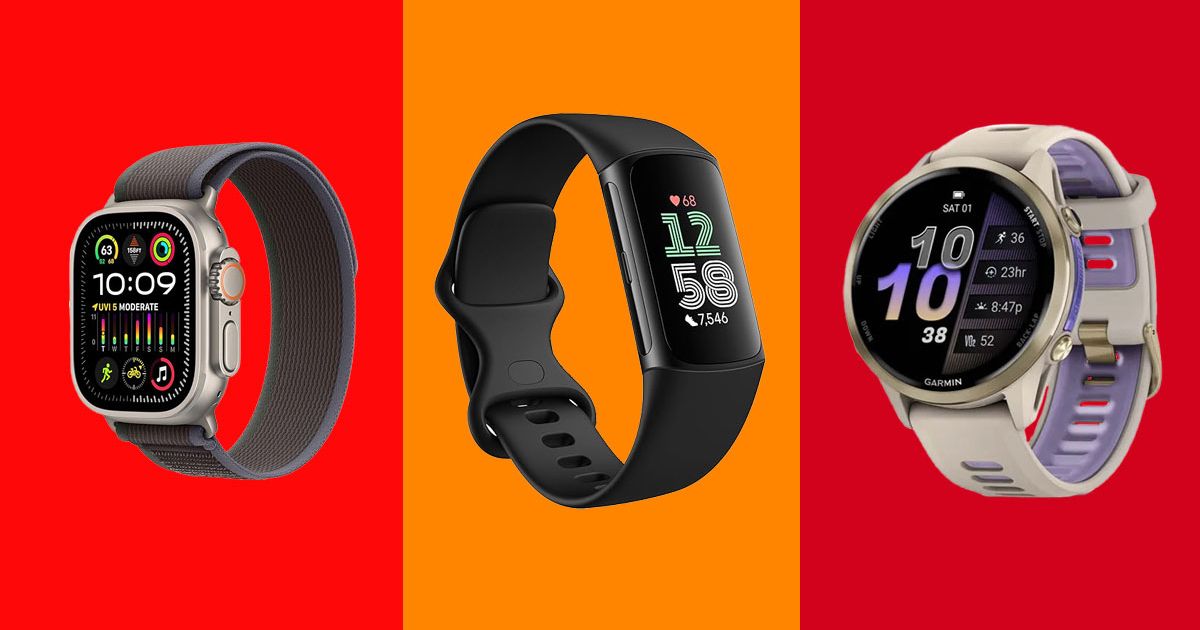
Have you ever wondered how you can track your health and fitness without stepping into a gym or visiting a doctor? Wearable fitness technology might be the answer you’ve been looking for.
These small devices sit right on your wrist or clip to your clothes, quietly collecting data about your body and activity. But what exactly is wearable fitness technology, and how can it help you reach your health goals? Keep reading to discover how these gadgets can change the way you understand your body and boost your fitness journey.
Evolution Of Fitness Tech
The evolution of wearable fitness technology reveals how far we’ve come in tracking and improving our health. What started as simple step counters has transformed into sophisticated devices that monitor heart rate, sleep quality, and even stress levels. Understanding this journey helps you appreciate the tools available today and how they can fit into your lifestyle.
Early Devices And Their Limitations
The first fitness trackers were basic pedometers designed to count steps. They lacked accuracy and often gave inconsistent readings, which frustrated many users. Battery life was short, and the devices could only track a limited range of activities, making them less useful for comprehensive fitness monitoring.
Advancements In Sensor Technology
Sensor technology improved rapidly, allowing devices to measure more than just steps. Heart rate monitors and accelerometers became common, providing data on your activity intensity and movement patterns. These sensors gave you deeper insights into your workouts and daily habits, helping you make better health decisions.
Rise Of Smartwatches And Fitness Bands
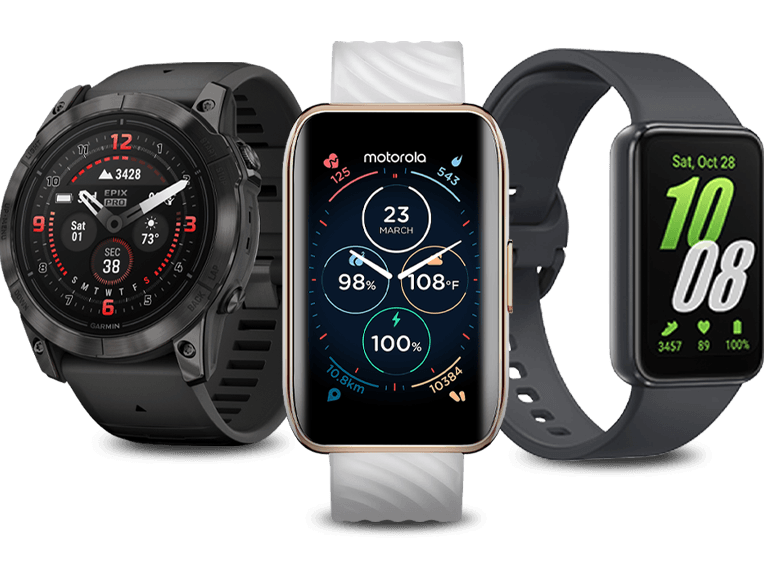
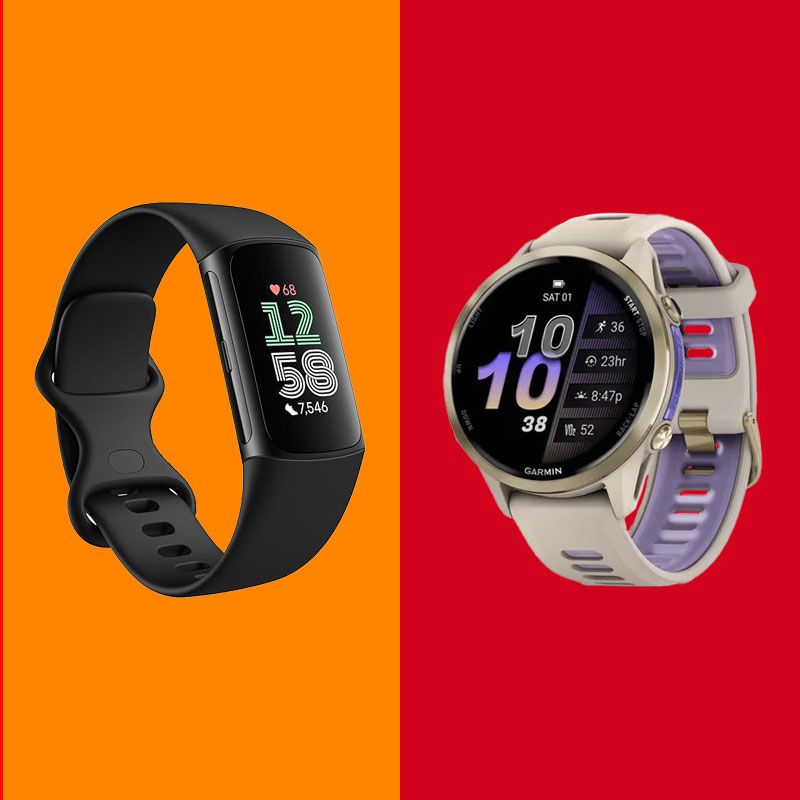
Smartwatches and fitness bands combined multiple sensors with smart features like notifications and GPS. They became versatile companions that not only tracked fitness but also kept you connected throughout the day. With customizable apps and real-time feedback, these devices encourage you to stay active and meet your personal goals.
Key Features Of Wearable Fitness Devices
Wearable fitness devices come with many useful features. These features help track and improve your health easily. They provide real-time data and insights. This keeps you motivated and informed about your fitness journey.
Heart Rate Monitoring
Heart rate monitoring measures your pulse throughout the day. It shows how hard your heart is working during activities. This helps you stay in the right exercise zone. It also alerts you to unusual heart patterns. Many devices offer continuous heart rate tracking for better health awareness.
Step Counting And Activity Tracking
Step counting records the number of steps you take daily. It encourages moving more and sitting less. Activity tracking also monitors other movements like running, cycling, or swimming. It gives a full picture of your daily physical activity. This helps set and reach fitness goals with ease.
Sleep Analysis
Sleep analysis tracks your sleep patterns and quality. It shows how long and well you sleep each night. This feature highlights deep and light sleep phases. Good sleep is key to overall health and recovery. Wearables help identify sleep problems and suggest improvements.
Gps And Location Tracking
GPS tracks your outdoor workouts and routes accurately. It maps where you run, walk, or bike. Location tracking helps measure distance and speed. This data improves training plans and performance. GPS also adds safety by sharing your location if needed.
Benefits For Health And Fitness
Wearable fitness technology offers more than just data; it transforms how you manage your health and fitness. These devices provide practical tools that keep you engaged and informed throughout your wellness journey. The benefits extend from daily motivation to long-term health insights, making it easier to stay on track and achieve your goals.
Motivation And Goal Setting
Seeing your progress in real-time can boost your motivation. Wearables let you set personalized goals, like steps taken or calories burned, and celebrate milestones with you. This constant encouragement makes it harder to skip workouts or slack off.
Have you ever noticed how a simple buzz or notification can push you to move just a little more? That small nudge can keep you focused on your targets every day.
Real-time Feedback And Adjustments
Wearable devices provide instant data on your heart rate, pace, and even sleep quality. This immediate feedback allows you to adjust your workout intensity or rest periods on the spot.
For example, if your heart rate is too high, you can slow down before overexerting yourself. This real-time insight helps prevent injury and optimizes your performance.
Long-term Health Monitoring
Tracking your health over weeks and months reveals patterns you might miss otherwise. Wearables collect data that highlight trends in your activity levels, sleep habits, and even stress.
By reviewing this information, you can identify what works best for your body and adjust accordingly. This ongoing monitoring supports smarter decisions about your lifestyle.
Integration With Health Apps
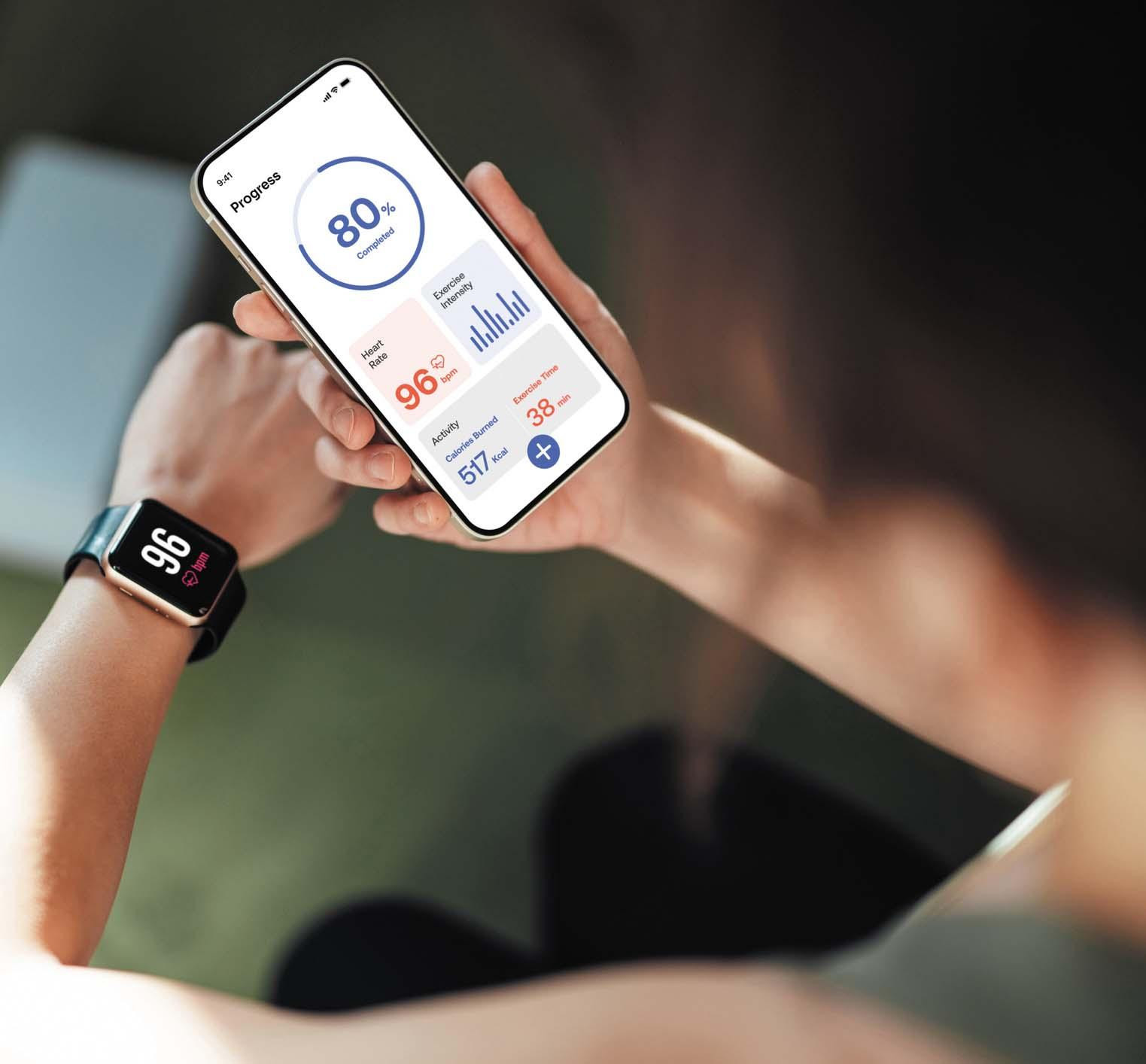
Most wearable fitness devices sync easily with popular health apps, creating a central hub for all your wellness data. This integration simplifies tracking everything from diet to exercise routines.
- Analyze your progress with detailed charts
- Share data with healthcare providers for personalized advice
- Use app reminders to stay consistent with your habits
When your data is organized in one place, it’s easier to spot what’s helping you improve and what needs change. How could having all your health info at your fingertips change the way you approach fitness?
Credit: www.bestbuy.ca
Challenges And Limitations
Wearable fitness technology offers many benefits but also faces several challenges. These issues can affect user experience and trust. Understanding these limitations helps users make better choices.
Data Accuracy Concerns
Wearable devices often struggle with precise data. Sensors may misread heart rate or step counts. Movements like cycling or weightlifting can confuse trackers. Inaccurate data can lead to wrong health insights. Users should treat numbers as estimates, not absolute facts.
Privacy And Security Issues
Wearables collect sensitive personal data. If not properly protected, this data can be hacked or misused. Some apps share information with third parties without clear consent. Users must check privacy policies carefully. Strong passwords and app permissions help secure data.
Battery Life And Device Comfort
Many fitness trackers need frequent charging. Short battery life can interrupt data tracking. Bulky or heavy designs cause discomfort during workouts. Skin irritation may occur with some materials. Choosing lightweight, breathable devices improves comfort and usage time.
Future Trends In Wearable Fitness Tech
The future of wearable fitness technology is set to bring remarkable changes to how you monitor and improve your health. As devices become smarter and more integrated into daily life, they will offer deeper insights and more personalized support. Imagine wearables that not only track your steps but also understand your unique body signals and medical needs.
Ai And Personalized Health Insights
Wearables will use AI to analyze your data and give personalized advice tailored to your lifestyle and goals. This means your device can suggest better workout routines or dietary changes based on how your body responds.
Think about a watch that notices your energy dips in the afternoon and recommends a quick stretching exercise or hydration reminder. It’s like having a personal coach who learns and adapts to you every day.
Advanced Biometric Sensors
New sensors will measure more than just heart rate and steps. You’ll see devices that monitor hydration levels, blood oxygen, stress hormones, and even blood sugar.
These sensors provide real-time data that can alert you before a problem arises, such as dehydration or high stress, giving you a chance to act early. How valuable would it be to catch these signs before they affect your performance or health?
Integration With Medical Devices
Wearables will increasingly connect with medical equipment and healthcare providers, creating a seamless health monitoring system. This can help you manage chronic conditions like diabetes or heart disease more effectively.
Imagine your wearable sending data directly to your doctor during a checkup or alerting you and your healthcare team if something unusual happens. This integration can make healthcare more proactive rather than reactive.
Wearables Beyond The Wrist
Fitness technology will expand beyond wristbands and smartwatches into smart clothing, earbuds, and even patches on your skin. These options offer more comfort and continuous monitoring without interrupting your activities.
For example, smart shoes can track your running form and suggest improvements, while smart earbuds can analyze your breathing during workouts. Would you be willing to wear fitness tech that blends seamlessly with your everyday gear?
Credit: nymag.com
Credit: www.health.harvard.edu
Frequently Asked Questions
What Is Wearable Fitness Technology Used For?
Wearable fitness technology tracks physical activity, heart rate, sleep patterns, and calories burned. It helps users monitor health and improve fitness goals effectively.
How Do Wearable Fitness Devices Work?
These devices use sensors to collect real-time data from the body. They process this data to provide insights on health and fitness.
Are Wearable Fitness Trackers Accurate?
Most trackers offer reasonably accurate data but can vary by brand and sensor quality. They provide useful trends rather than exact medical readings.
Can Wearable Fitness Technology Improve Workout Performance?
Yes, it helps users set goals, track progress, and stay motivated. Real-time feedback enhances workout efficiency and consistency.
Conclusion
Wearable fitness technology transforms how we track health. Devices like smartwatches and fitness trackers help monitor activity. They provide useful insights into daily habits and health. These gadgets motivate users to stay active. They also help set achievable fitness goals.
With easy-to-use features, they simplify tracking progress. This tech supports a healthier lifestyle. It fosters a better understanding of personal fitness. As technology advances, expect even more benefits. Wearable devices will continue to evolve. They will offer new ways to stay fit and healthy.
Leave a Reply