Have you ever wondered where to toss your old electronic parts safely? You might think throwing them in the trash is easy, but it can harm the environment and even your health.
Knowing the right place to dispose of electronic components helps you protect the planet and keeps harmful materials out of the wrong hands. You’ll discover simple, effective ways to get rid of your electronics responsibly. Keep reading to find out how you can make a difference with your next cleanup.
Credit: www.lunnonwaste.com
Types Of Electronic Components
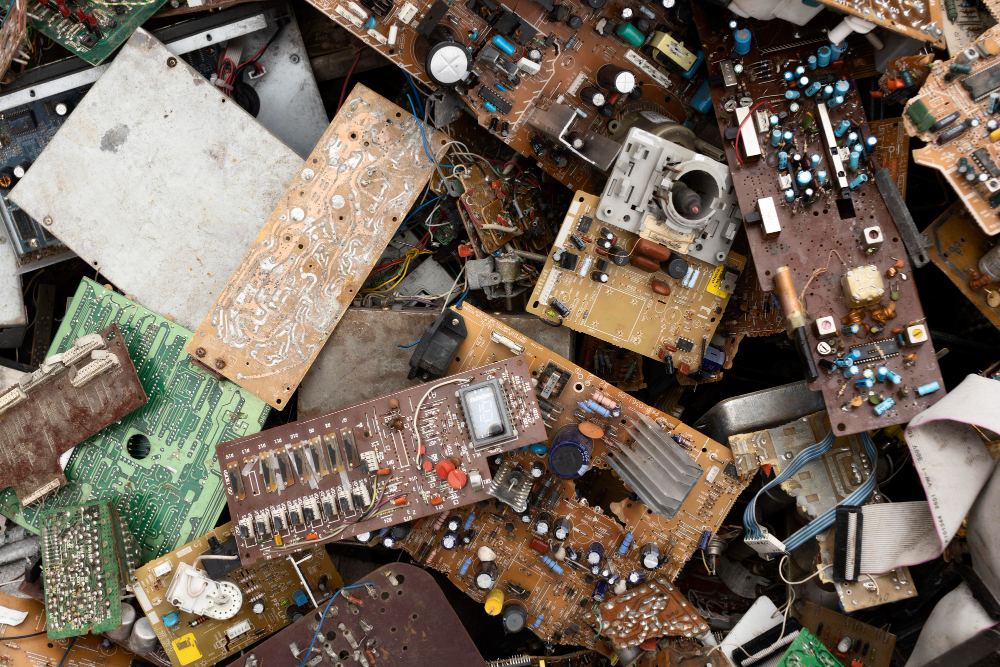
Electronic components should be disposed of at special e-waste collection centers. These facilities handle harmful materials safely and help recycle valuable parts. Avoid throwing them in regular trash to protect the environment.
Understanding the various types of electronic components is essential for proper disposal and recycling. Electronics are everywhere in our lives, from the gadgets in our homes to the sophisticated systems in industries. Each type of electronic component has unique characteristics and disposal requirements. Let’s explore some of these components to ensure you know how to dispose of them responsibly.Common Household Electronics
The electronics you use daily, like smartphones, laptops, and televisions, are often filled with valuable materials. These gadgets contain metals like gold and copper, which can be recycled. Consider donating functioning electronics to charities or recycling them at designated e-waste facilities. Your unused mobile phone could power someone else’s life!Industrial Electronic Parts
Industrial components are often more complex and robust than household electronics. Think of large servers, industrial machinery, or specialized equipment. These parts may require dismantling by professionals due to their size and complexity. Check with local industrial recycling centers to find the best disposal method.Hazardous Components To Note
Some electronic components can pose environmental and health risks if not disposed of properly. Batteries, for instance, contain lead and mercury, which are hazardous. Always separate these components from regular waste. Local e-waste programs often have specific guidelines for handling such dangerous items. Are you aware of the potential risks lurking in your discarded electronics? Understanding these types of components helps in making informed decisions about disposal. Next time you’re about to toss out an old gadget, think about where it belongs. Your actions can make a significant impact on our planet’s health.Why Safe Disposal Matters
Safe disposal of electronic components is essential. These items contain materials that can harm the planet and people. Proper handling stops pollution and protects health. It also follows laws designed to keep communities safe. Understanding why safe disposal matters helps us all make better choices.
Environmental Impact
Electronic components have metals and chemicals that pollute soil and water. When thrown away carelessly, toxins leak into the earth. This damages plants, animals, and entire ecosystems. Recycling parts reduces waste and saves natural resources. It also lowers the need for mining harmful minerals.
Health Risks
Improper disposal exposes people to dangerous substances. Lead, mercury, and cadmium are common in electronics. These can cause serious health problems like brain damage and lung disease. Workers in unsafe recycling sites face high risks. Safe disposal keeps communities and workers healthier.
Legal Regulations
Many countries have strict laws on electronic waste disposal. These rules ensure harmful materials do not enter landfills. Violating these laws can lead to heavy fines and penalties. Following regulations also supports recycling programs. It helps build a safer environment for everyone.
Local Recycling Options
Local recycling options provide easy ways to dispose of electronic components safely. These options help reduce waste and protect the environment. Many communities offer programs and events to make e-waste recycling accessible. Exploring these local resources can make recycling simple and convenient.
Municipal E-waste Programs
Cities and towns often run municipal e-waste programs. These programs accept old electronics for recycling. Residents can drop off items at designated centers or special collection sites. Some programs offer scheduled pick-up services. Check with your local government for program details and hours. These programs ensure electronic waste is handled properly.
Retail Drop-off Locations
Many stores accept electronic components for recycling. Retailers like electronics shops and office supply stores often have drop-off bins. They take items such as batteries, phones, and small gadgets. This option is convenient for quick recycling during regular shopping trips. Look for clearly marked recycling stations inside or outside stores.
Community Collection Events
Communities host collection events to gather e-waste from residents. These events happen on specific days, often in public places. They provide a safe way to recycle large or hard-to-dispose items. Volunteers and staff help sort and collect electronics. Keep an eye on local news or community boards for upcoming events.
Specialized E-waste Facilities
Specialized e-waste facilities play a vital role in managing electronic waste safely. These centers handle electronic components with care to protect the environment. They follow strict rules to ensure harmful materials do not pollute soil or water. Using these facilities helps reduce waste and supports recycling efforts.
Certified Recycling Centers
Certified recycling centers accept various electronic components. They follow government standards for safe disposal and recycling. These centers break down devices to recover valuable materials like gold and copper. Recycling here keeps toxic substances from reaching landfills. Always choose certified centers for responsible e-waste handling.
Refurbishing And Reuse
Some specialized facilities focus on refurbishing old electronics. They test and repair devices to give them a second life. Refurbished items save resources and reduce the need for new products. This process lowers electronic waste and benefits buyers with affordable options. Donating to refurbishers supports sustainability and cuts waste.
Donation Opportunities
Donation programs accept working electronic components and devices. Schools, charities, and community groups often need donated electronics. Giving away usable items extends their life and helps others. Donated electronics avoid premature disposal and reduce landfill waste. Check local organizations for donation options before discarding electronics.
Preparing Electronics For Disposal
Preparing electronics for disposal helps protect your data and the environment. It also ensures the materials get recycled properly. Taking some time before disposal makes the process safer and smoother.
Data Removal And Privacy
Erase all personal information from your device. Use factory reset or data-wiping software for thorough cleaning. Remove memory cards and SIM cards to protect your privacy. Double-check that no sensitive data remains on the electronics.
Disassembling Components
Separate batteries from devices to prevent leaks or fires. Detach cords and accessories to avoid damage during transport. Remove parts like hard drives if recycling centers require it. Handle components carefully to avoid injury from sharp edges.
Sorting And Packaging
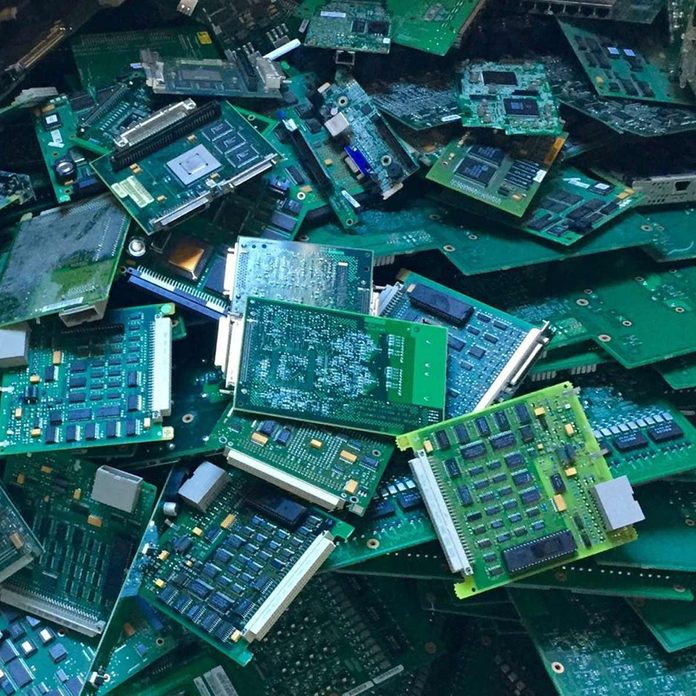
Group similar electronics together for easier recycling. Use sturdy boxes or containers to pack your items. Label packages if required by the disposal facility. Keep small parts in sealed bags to prevent loss. Proper sorting helps recycling centers process items faster.
Credit: www.familyhandyman.com
Mail-in Recycling Services
Mail-in recycling services offer a practical way to dispose of electronic components without leaving your home. These programs simplify e-waste recycling by letting you send your old gadgets and parts through the mail. They are especially helpful if you don’t have local recycling centers nearby or if you want a hassle-free option.
How Mail-in Programs Work
First, you select a mail-in recycling service online and request a recycling kit or label. The kit usually includes a box or envelope designed to safely hold your electronic components during shipment.
After packing your items, you drop the box at the post office or schedule a pickup. The company then processes your e-waste responsibly, ensuring hazardous materials are handled correctly and valuable parts are recycled.
Trusted Providers
Not all mail-in recyclers operate the same way. It’s crucial to choose providers certified by organizations like e-Stewards or R2, which set strict environmental and safety standards.
Companies such as Call2Recycle and TerraCycle have built solid reputations for transparency and responsible recycling. Checking reviews and certifications can help you avoid scams or improper disposal.
Cost And Convenience
Some mail-in programs are free, especially for small items like batteries and cell phones. Others may charge a fee depending on the size and type of electronics you send.
Think about how much time and effort you save by mailing your components instead of driving to a recycling center. Is paying a small fee worth the convenience and peace of mind?
Global Recycling Practices
Electronic waste is a global issue that demands a worldwide response. Different countries handle electronic component recycling in various ways, influenced by their economic status, infrastructure, and legal frameworks. Understanding these global recycling practices can help you see where your e-waste might end up and encourage you to make smarter disposal choices.
Recycling In Developed Countries
Developed countries often have advanced systems for recycling electronic components. Many use specialized facilities equipped to safely extract valuable materials like gold, copper, and rare earth metals from old devices.
For instance, in Germany and Japan, strict laws ensure manufacturers take responsibility for their products after use. You might find convenient drop-off points or scheduled pick-up services that make recycling easier for you.
Still, even these countries face challenges such as handling increasing volumes of e-waste and ensuring environmentally safe processes. Are you aware of where your local e-waste goes after collection?
Challenges In Developing Regions
In many developing countries, e-waste recycling is less formal and often done by small-scale workers. These individuals may dismantle electronics manually to recover valuable parts but without proper safety measures.
This informal recycling can expose workers and the environment to toxic substances like lead and mercury. Lack of infrastructure and funding makes it tough to establish safer, regulated recycling programs.
Have you considered how your discarded electronics might affect communities far from where you live?
International Regulations
Global agreements aim to regulate the movement and disposal of electronic waste. The Basel Convention, for example, controls the export of hazardous waste between countries to prevent dumping in vulnerable regions.
Despite these regulations, illegal shipments of e-waste still occur, making enforcement a constant challenge. As a consumer, knowing these rules can empower you to demand better accountability from manufacturers and waste handlers.
What role do you think international cooperation should play in managing e-waste?
Credit: www.allpcb.com
Tips For Reducing Electronic Waste
Reducing electronic waste helps protect the environment and saves resources. Small changes in how you buy and use electronics make a big difference. Careful choices extend device life and lower waste. Follow simple tips to reduce electronic waste effectively.
Buying Sustainable Electronics
Choose electronics made with eco-friendly materials. Look for energy-efficient models with good ratings. Prefer brands that offer recycling programs. Buy products designed to last longer and use less power. Avoid gadgets with excessive packaging or harmful chemicals.
Extending Device Lifespan
Take good care of your devices to keep them working longer. Clean them regularly and avoid drops or spills. Use protective cases and screen guards. Turn off devices when not in use to save battery. Store electronics in safe, dry places to prevent damage.
Repair And Upgrade Options
Fix broken electronics instead of throwing them away. Find local repair shops or online tutorials. Upgrade parts like batteries, memory, or storage. Use replacement components to improve device performance. Repairing reduces waste and saves money over buying new.
Frequently Asked Questions
Where Can I Recycle Electronic Components Safely?
You can recycle electronic components at certified e-waste recycling centers. Many local municipalities and electronics stores offer safe disposal programs. Always check for facilities that comply with environmental standards to ensure proper handling and recycling of hazardous materials.
Are There Special Bins For Electronic Waste Disposal?
Yes, many communities provide special e-waste bins for electronic components. These bins prevent hazardous substances from entering regular waste streams. Locate these bins at recycling centers, retail stores, or public drop-off points dedicated to electronics recycling.
Can I Dispose Of Electronic Parts With Regular Trash?
No, electronic components should not be disposed of in regular trash. They contain harmful materials like lead and mercury. Improper disposal can damage the environment and violate local laws. Always use designated e-waste recycling methods.
What Items Count As Electronic Components For Disposal?
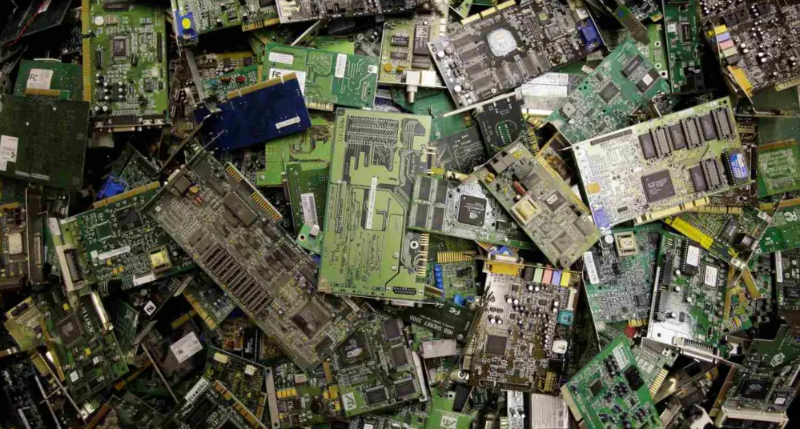
Electronic components include circuit boards, batteries, cables, chips, and small devices. Even broken or obsolete gadgets qualify as e-waste. Proper disposal ensures recovery of valuable materials and prevents pollution.
Conclusion
Proper disposal of electronic components protects the environment and saves resources. Many local centers accept e-waste for safe recycling. Avoid throwing electronics in regular trash bins. Small efforts make a big difference. Check your area for special collection programs. Keep harmful chemicals out of landfills.
Recycle old gadgets responsibly. Help create a cleaner, safer planet. Every step counts toward better e-waste management. Start today and spread the word.
Leave a Reply