Have you ever wondered why your body feels tired even after a full night’s sleep? The answer might lie deep inside your cells, in a tiny but powerful system called the electron transport chain.
When one part of this chain doesn’t work properly, your energy production drops, affecting everything you do. You’ll discover which component of the electron transport chain could be defective and how it impacts your health. Keep reading to unlock the mystery behind your energy and learn what it means for you.

Credit: www.tandfonline.com
Electron Transport Chain Basics
The electron transport chain (ETC) plays a vital role in cellular respiration, acting like a powerhouse within our cells. This complex series of proteins and molecules takes place in the mitochondria, the cell’s energy hub. Understanding its components and functions can shed light on how energy is produced and reveal what happens when a defect occurs.
Components And Their Roles
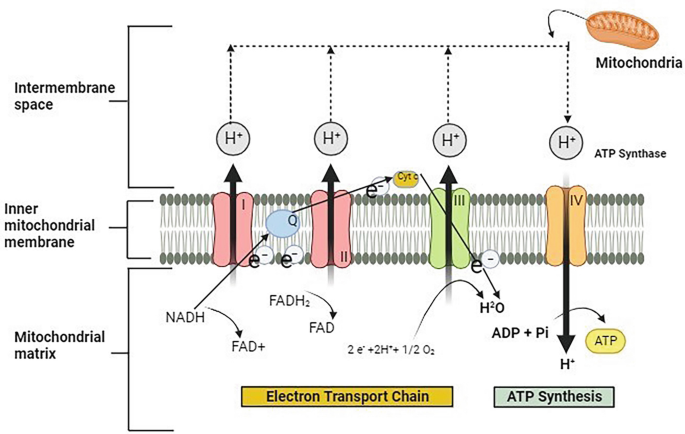
The ETC is made up of several key components: complex I, II, III, IV, and ATP synthase. Each component has a unique role in transferring electrons and pumping protons across the mitochondrial membrane. For instance, complex I and II start the process by receiving electrons from NADH and FADH2, while complex IV completes the chain by transferring electrons to oxygen, forming water.
Electron Flow Pathway
Electrons travel through the ETC in a specific path, moving from one complex to the next. This flow begins when NADH and FADH2 donate electrons to complex I and II. These electrons then move sequentially to complexes III and IV, gradually releasing energy at each step.
This pathway is crucial for establishing a proton gradient across the mitochondrial membrane. But have you ever wondered what happens if any of these steps are disrupted?
Energy Production Process
The primary goal of the ETC is to generate ATP, the cell’s energy currency. As electrons pass through the chain, the energy released pumps protons across the membrane, creating an electrochemical gradient. ATP synthase uses this gradient to synthesize ATP from ADP and inorganic phosphate.
This energy production process is efficient, but any defect in one of the complexes can reduce ATP yield. Imagine if your phone battery couldn’t hold a charge—your device would quickly lose power. Similarly, a malfunction in the ETC can lead to energy deficits in cells, affecting overall function.
Common Defects In Etc Components
The electron transport chain (ETC) is vital for energy production in cells. Defects in its components can cause serious health issues. These defects stop cells from making enough energy. Understanding common defects helps in identifying related diseases and treatments.
Complex I Malfunctions
Complex I is the first step in the ETC. It transfers electrons from NADH to the chain. Malfunctions here reduce energy production. This can cause muscle weakness and neurological problems. Mutations in Complex I genes are common causes of these malfunctions.
Complex Ii Abnormalities
Complex II links the Krebs cycle to the ETC. It passes electrons from succinate to the chain. Abnormalities in Complex II affect cellular respiration. These defects may lead to metabolic disorders. Some cancers also show Complex II mutations.
Complex Iii Issues
Complex III transfers electrons between ubiquinone and cytochrome c. Issues here disrupt the flow of electrons. This causes a buildup of harmful molecules. Symptoms include fatigue and muscle pain. Genetic mutations or environmental factors can cause these problems.
Complex Iv Defects
Complex IV completes the electron transport process. It helps form water by accepting electrons. Defects reduce oxygen use and energy output. Patients may experience muscle weakness and brain dysfunction. These defects are often linked to mitochondrial diseases.
Atp Synthase Dysfunction
ATP synthase makes the energy molecule ATP. Dysfunction stops ATP production, harming cell function. This can cause severe energy shortages in tissues. Symptoms include muscle cramps and developmental delays. Mutations in ATP synthase genes are a known cause.
Symptoms Linked To Etc Defects
Symptoms linked to defects in the Electron Transport Chain (ETC) often show up subtly at first but can seriously impact your health over time. Since the ETC is crucial for producing energy in your cells, any disruption can cause a range of issues. Understanding these symptoms can help you recognize potential problems early and seek the right care.
Cellular Energy Deficiency
Your cells rely on the ETC to generate ATP, the energy currency of your body. When a component of the ETC is defective, ATP production drops, leaving your cells starved for energy.
You might notice persistent fatigue or muscle weakness that doesn’t improve with rest. Simple daily tasks can suddenly feel exhausting, making you wonder why your energy tanks so quickly.
Oxidative Stress Indicators
A faulty ETC can cause electrons to leak and react with oxygen, creating harmful reactive oxygen species (ROS). This oxidative stress damages cell structures, including DNA, proteins, and lipids.
Symptoms linked to this damage include inflammation, premature aging, and increased susceptibility to infections. Have you ever felt unusually sore or noticed slow healing after minor injuries? That could hint at underlying oxidative stress from ETC issues.
Organ-specific Manifestations
Different organs feel the impact of ETC defects in unique ways because they have varying energy demands.
- Brain:You might experience cognitive difficulties, memory problems, or headaches due to the brain’s high energy needs.
- Muscles:Muscle cramps and exercise intolerance are common when muscle cells can’t produce enough ATP.
- Heart:Irregular heartbeats or cardiomyopathy can occur because the heart muscle needs constant energy.
Have you noticed symptoms affecting a specific part of your body? This could guide your healthcare provider toward testing for ETC defects.
Diagnostic Techniques
Identifying which component of the electron transport chain is defective requires precise diagnostic techniques. Accurate diagnosis helps guide treatment and understand the disease’s progression. Several approaches analyze the function and structure of these components. These techniques vary from biochemical tests to advanced genetic and imaging methods.
Biochemical Assays
Biochemical assays measure the activity of each electron transport chain complex. Tissue samples like muscle or liver provide material for these tests. Enzyme activities are tested by tracking chemical reactions linked to electron flow. Low activity in a specific complex indicates a possible defect. These assays offer direct evidence of functional problems in the chain.
Genetic Testing
Genetic testing searches for mutations in genes encoding electron transport chain proteins. DNA from blood or other tissues is analyzed for changes. This testing identifies inherited defects or new mutations. It helps confirm diagnoses when biochemical results are unclear. Genetic results can guide family counseling and future care plans.
Imaging Methods
Imaging methods visualize the mitochondria or affected tissues. Techniques like MRI or PET scans show structural or metabolic changes. These methods detect damage caused by defective electron transport. Imaging supports biochemical and genetic findings. It provides a broader view of disease impact on the body.
Therapeutic Approaches
Identifying which component of the electron transport chain (ETC) is defective opens up targeted ways to address the problem. Therapy options vary based on the specific defect, but they all aim to restore energy production and improve cell function. Understanding these approaches can help you make informed decisions about managing mitochondrial disorders.
Targeted Drug Treatments
Certain drugs are designed to support or bypass the faulty ETC complex. For instance, coenzyme Q10 supplementscan help if Complex I or III is impaired since they assist electron transfer. Similarly, antioxidants like vitamin Emay reduce oxidative stress caused by ETC defects.
Some medications enhance mitochondrial function by improving ATP synthesis or stabilizing defective proteins. Have you ever wondered if a simple pill could boost your cellular powerhouses? Research is ongoing to find more effective drugs tailored to specific ETC defects.
Gene Therapy Prospects
Gene therapy offers hope by correcting the underlying genetic errors in ETC components. Scientists are experimenting with ways to deliver healthy copies of genes directly into mitochondria or the nucleus. While still mostly experimental, this approach targets the root cause rather than just symptoms.
Imagine replacing a faulty blueprint in your cells and restoring normal energy flow. Challenges remain, such as safely targeting mitochondria and avoiding immune reactions. But the potential to cure mitochondrial diseases makes gene therapy an exciting frontier.
Lifestyle And Dietary Interventions
Your daily habits can influence how well your mitochondria function, even with ETC defects. Diets rich in antioxidantsand healthy fatssupport mitochondrial health. For example, omega-3 fatty acids found in fish oil have shown benefits in maintaining membrane integrity.
Regular moderate exercise can also stimulate mitochondrial biogenesis, helping your body adapt to energy deficits. Are you leveraging simple lifestyle changes to support your cellular energy? Small steps like reducing toxin exposure and managing stress can complement medical treatments effectively.

Credit: onlinelibrary.wiley.com
Credit: link.springer.com
Frequently Asked Questions
Which Electron Transport Chain Component Is Commonly Defective?
Complex I is often the defective component in the electron transport chain. It impacts energy production and causes metabolic disorders.
How Does A Defective Electron Transport Chain Affect Cells?
A defective chain reduces ATP synthesis, causing energy shortages. It leads to cellular dysfunction and may trigger disease symptoms.
What Are Symptoms Of Electron Transport Chain Defects?
Symptoms include muscle weakness, fatigue, neurological issues, and organ failure. Severity varies based on which component is affected.
How Is An Electron Transport Chain Defect Diagnosed?
Diagnosis involves biochemical tests, genetic analysis, and muscle biopsies. These identify specific defects in electron transport chain components.
Conclusion
Identifying the defective component in the electron transport chain matters a lot. It helps understand how energy production fails in cells. Each part has a clear role to play. Damage to one part slows down the entire process. This can lead to health problems and low energy.
Testing and diagnosis guide proper treatment steps. Scientists keep studying to find better solutions. Knowing the fault helps doctors plan care. The electron transport chain remains key to life’s energy.
Leave a Reply