Have you ever wondered why your electronic devices suddenly stop working? It can be frustrating when something you rely on breaks without warning.
Understanding why electronic components fail can help you protect your gadgets and even save money on repairs. You’ll discover the common reasons behind these failures and learn how to spot potential problems before they happen. Keep reading to find out what might be causing your electronics to quit on you—and how you can prevent it.
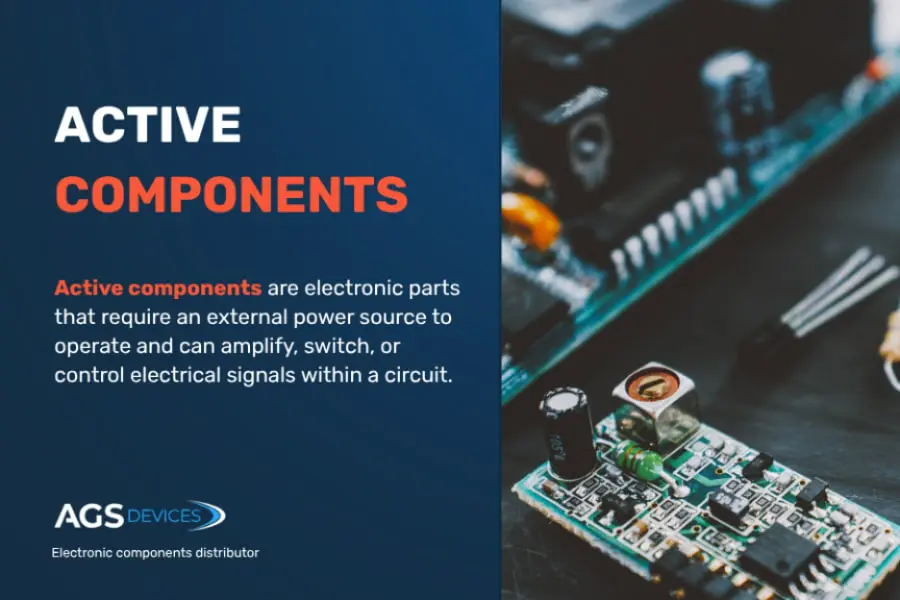
Credit: www.agsdevices.com
Common Causes Of Component Failure
Electronic components can fail for many reasons, and understanding these causes helps you prevent unexpected breakdowns. Knowing what goes wrong allows you to design better circuits, choose the right parts, and maintain devices more effectively. Let’s look at some common causes that lead to component failure.
Manufacturing Defects
Sometimes, components fail simply because they were flawed from the start. Small cracks, poor soldering, or impurities inside materials can cause early failures. You might not notice these defects until the component is in use, which can be frustrating and costly.
Have you ever experienced a device failing right after purchase? Manufacturing defects could be the silent culprit behind that problem.
Environmental Factors
Your components live in an environment that can be harsh. Dust, moisture, and corrosive chemicals can damage parts over time. Even exposure to strong vibrations or physical shocks can loosen connections or break delicate structures inside.
Think about where your device is used—does it face extreme weather or dusty conditions? Protecting your electronics from these elements can extend their lifespan significantly.
Electrical Overstress
When components receive more electrical energy than they can handle, they suffer from electrical overstress. This includes voltage spikes, current surges, or static discharges that cause permanent damage. It’s like overloading a bridge with too much weight—it just can’t hold.
Do you use surge protectors or take precautions against static electricity? These simple steps can save your components from sudden failure.
Thermal Stress
Heat is a major enemy of electronics. Excessive temperature or rapid temperature changes cause materials to expand and contract, leading to cracks or solder joint failures. Over time, this weakens the component and eventually stops it from working.
Have you noticed your device gets hot during use? Managing heat with proper cooling can prevent many failures and keep your components running longer.

Credit: www.electronicsandyou.com
Impact Of Poor Design
Poor design plays a major role in the failure of electronic components. Flaws in design can cause components to work outside their safe limits. This leads to faster wear and eventual breakdown. Understanding design issues helps improve reliability and extend component life.
Inadequate Tolerance Levels
Tolerance levels define how much variation a component can handle. If the design allows for too little tolerance, components face stress. This stress can cause overheating, cracking, or short circuits. Designers must set tolerance levels that match real-world conditions. Ignoring this leads to frequent failures and costly repairs.
Improper Component Selection
Choosing the wrong component affects the whole system’s performance. Some parts may not handle the required voltage or temperature. Others might have a shorter lifespan than needed. Incorrect selection causes components to fail early or malfunction. Designers must match components to the specific needs of the project.
Role Of Aging And Wear
Electronic components do not last forever. Over time, they face aging and wear. These factors slowly reduce their performance and can cause failure. Understanding how aging and wear affect components helps in designing longer-lasting electronics.
Material Degradation
Materials inside components change over time. Metals can corrode or oxidize, losing their conductivity. Plastic parts may become brittle and crack. Insulating materials can break down, causing shorts or leaks.
Heat, moisture, and chemicals speed up this degradation. Constant exposure weakens the material structure. This leads to poor connections and eventual failure.
Mechanical Wear And Tear
Moving parts inside electronic devices suffer wear. Contacts and connectors may wear down from repeated use. Solder joints can crack from vibrations or thermal cycles.
Mechanical stress causes tiny fractures and loosening. Over time, this wear interrupts electrical paths. Devices then malfunction or stop working completely.

Credit: www.reddit.com
Human Error In Handling
Human error plays a significant role in the failure of electronic components. Even the most advanced components can malfunction or degrade prematurely due to simple mistakes during handling. Understanding these errors helps you avoid costly repairs and downtime.
Improper Installation
Incorrect installation is a common cause of component failure. If you don’t align parts correctly or apply excessive force, you risk damaging delicate pins or connectors. I once saw a colleague snap a tiny resistor because they used the wrong tool. That small error caused a project delay and extra expenses.
Always double-check the orientation and specifications before placing components. Use the right tools designed for electronics to prevent physical damage. Are you confident your installation process is foolproof?
Incorrect Usage
Using components outside their specified limits can lead to failure. Applying too much voltage, current, or heat stresses the materials beyond what they can handle. I remember a case where an LED was destroyed because someone connected it directly to a power supply without a resistor.
Read datasheets carefully and respect the recommended operating conditions. Also, consider the environment—excessive moisture or dust can worsen the situation. How often do you review the usage guidelines before incorporating new parts?
Prevention Strategies
Preventing electronic component failure requires careful planning and action. These strategies help extend the life of components and improve device reliability. Taking steps early avoids costly repairs and downtime. Focus lies on quality, environment, maintenance, and design.
Quality Control In Manufacturing
Manufacturers must follow strict quality control processes. Testing components before assembly catches defects early. Using high-grade materials reduces weak points. Consistent production standards ensure each part meets specifications. Proper handling during manufacturing prevents damage.
Environmental Protection Measures
Protecting components from harsh environments is vital. Exposure to moisture, dust, and extreme temperatures causes failures. Sealing circuits inside protective cases shields them. Using conformal coatings guards against corrosion. Controlling humidity and temperature in storage areas helps.
Regular Maintenance Practices
Routine checks keep components working well. Cleaning dust and debris prevents overheating. Inspecting for wear and tear spots problems early. Replacing worn parts avoids complete failure. Monitoring electrical signals detects faults before damage occurs.
Design Optimization Techniques
Good design reduces stress on components. Proper layout improves heat dissipation. Choosing components rated above expected loads adds safety. Adding protective circuits shields from power surges. Simplifying designs minimizes potential failure points.
Future Trends In Component Reliability
Component reliability plays a key role in the lifespan of electronic devices. As technology evolves, so do the methods to improve how long parts last. Future trends focus on making components stronger and smarter. These trends aim to reduce failures and enhance performance in electronic systems.
Advanced Material Technologies
New materials are changing the way components are built. These materials resist heat, moisture, and wear better than before. For example, graphene and silicon carbide offer high durability and efficiency. Using these advanced materials helps components last longer under tough conditions. Manufacturers test these materials to ensure they meet strict quality standards.
Predictive Maintenance Tools
Predictive maintenance uses data to spot problems early. Sensors collect real-time information about component health. Machines learn from this data to predict failures before they happen. This approach reduces unexpected downtime and costly repairs. It also improves safety and keeps devices running smoothly for longer periods.
Frequently Asked Questions
What Are The Main Causes Of Electronic Component Failure?
Electronic components fail mainly due to overheating, electrical stress, and poor manufacturing. Moisture and mechanical damage also contribute. These factors degrade materials, leading to malfunction or complete failure over time. Proper design and usage can reduce such failures significantly.
How Does Overheating Lead To Component Failure?
Overheating damages internal structures of electronic components. Excessive heat causes material expansion, cracking, or melting. It accelerates wear and reduces lifespan. Efficient cooling and thermal management are essential to prevent overheating and extend component durability.
Can Electrical Stress Damage Electronic Parts?
Yes, electrical stress like voltage spikes or current surges can damage components. It causes insulation breakdown, short circuits, or permanent deformation. Proper circuit design and protective devices help minimize electrical stress and enhance reliability.
Why Does Poor Manufacturing Cause Failures?
Poor manufacturing leads to defects like weak solder joints, impurities, or misalignments. These defects reduce component strength and performance. Quality control and testing are crucial to ensure reliable electronic parts and prevent premature failures.
Conclusion
Electronic components fail for many simple reasons. Heat, moisture, and poor handling cause damage. Over time, tiny cracks grow and break circuits. Using good quality parts helps reduce failures. Regular checks catch problems before they get worse. Knowing why components fail helps you fix issues fast.
Keep devices cool and dry for longer life. Proper care makes electronics work better and last more. Small steps can save time and money later. Understanding failure keeps your gadgets running strong.
Leave a Reply