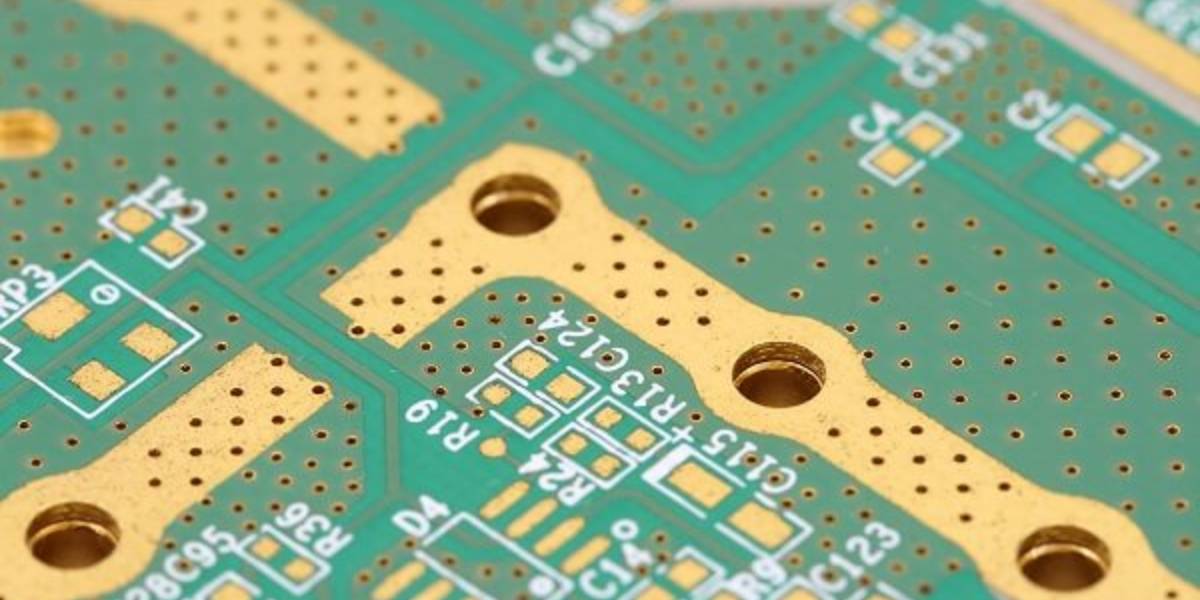
Have you ever wondered why gold is found inside some of your electronic devices? It might seem strange to use such a precious metal in everyday gadgets, but there’s a smart reason behind it.
Gold plays a special role in making your electronics work better and last longer. If you want to understand how this shiny metal helps keep your devices reliable and efficient, keep reading. You’ll discover the surprising benefits gold brings to the technology you use every day.

Credit: www.youtube.com
Properties Of Gold
Gold resists rust and corrosion, making it reliable for electronic parts. Its excellent conductivity ensures strong, stable connections in devices. These properties keep electronics working well over time.
Gold is a precious metal often used in electronics. Its unique properties make it ideal for this purpose. Gold is not only valuable but also highly functional in electronic components.Conductivity And Reliability
Gold is an excellent conductor of electricity. It allows for efficient energy transfer in devices. This property ensures reliability in electronic components. Devices perform consistently over time with gold contacts. Gold’s conductivity minimizes energy loss.Resistance To Corrosion
Gold does not tarnish or corrode easily. This resistance protects electronic connections from damage. Many metals corrode over time, reducing efficiency. Gold maintains its integrity and performance. This trait makes it perfect for long-lasting electronics.Malleability And Ductility
Gold is both malleable and ductile. It can be shaped into thin wires or sheets. This flexibility is crucial in intricate electronic designs. Engineers can use gold to fit specific component shapes. Its ductility ensures strong, reliable connections.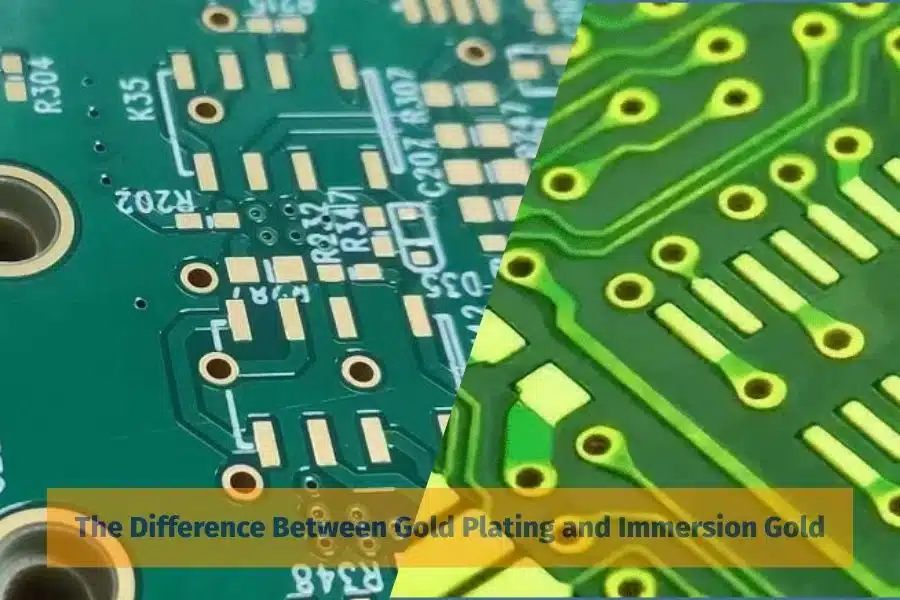
Credit: www.pcbelec.com
Gold In Electrical Contacts
Gold plays a vital role in electrical contacts within electronic devices. Its unique properties make it perfect for maintaining reliable connections. Many high-quality electronics rely on gold to ensure smooth operation and long-lasting performance.
Ensuring Signal Integrity
Gold is an excellent conductor of electricity. It allows signals to pass through with minimal loss or distortion. This helps devices work faster and more accurately. Gold’s resistance to corrosion keeps connections clean and stable over time. It prevents signal interruptions caused by rust or oxidation. Reliable signal flow is crucial in sensitive electronics like computers and communication devices.
Reducing Contact Wear
Electrical contacts open and close many times during use. This motion can wear down materials quickly. Gold’s softness reduces friction between moving parts. It lowers the chance of scratches or damage on contact surfaces. This means contacts last longer and need less maintenance. Gold also resists tarnishing, which helps maintain a smooth contact surface. Less wear leads to fewer failures and improved device lifespan.
Role In Connectors And Switches
Gold plays a critical role in connectors and switches within electronic devices. Its unique properties make it an ideal choice for these components. The metal ensures reliable connections and smooth operation. Small amounts of gold improve the overall efficiency of the electronic system.
Enhancing Performance
Gold offers excellent electrical conductivity. This allows signals to pass through connectors without loss. It reduces resistance and noise in electronic circuits. The smooth surface of gold prevents signal interference. Devices with gold connectors deliver faster and clearer signal transmission.
Longevity And Durability
Gold resists corrosion and tarnish over time. This keeps connectors and switches working properly for years. It does not react with moisture or air easily. Gold plating protects delicate parts from wear and tear. As a result, electronic components last longer and require less maintenance.
Gold In Microelectronics
Gold plays a vital role in microelectronics because of its unique properties. It does not rust or tarnish, which keeps electronic connections reliable over time. Gold also conducts electricity very well, ensuring signals pass through components without interruption. These qualities make gold a preferred material in critical parts of electronic devices.
Thin Film Applications
Gold is often used in thin film coatings on microelectronic circuits. These films act as protective layers and conductors. They help improve the durability and performance of devices. Thin gold layers are very precise and uniform, which is important for small electronic parts. This use of gold prevents corrosion and enhances signal quality in circuits.
Bonding Wires And Chips
Gold wires connect tiny parts inside microchips. These wires are thin but strong and carry electrical signals with high reliability. Gold bonding wires do not oxidize, so connections stay stable under heat and stress. Chips often have gold pads where these wires attach. This ensures a secure link between components, improving the overall function of the device.
Comparison With Other Metals
Gold is chosen for certain electronic parts because of its unique qualities. Comparing gold with other metals clarifies why it stands out. Metals like copper and silver offer alternatives. Each metal has pros and cons in electronics.
Copper And Silver Vs Gold
Copper and silver conduct electricity well. Silver has the highest electrical conductivity. Copper is also excellent and cheaper than silver. Both metals can corrode or tarnish over time.
Gold resists corrosion and tarnish. It keeps connections stable and reliable. Even in harsh conditions, gold stays conductive. Copper and silver need protective coatings to last.
Gold’s softness helps create tight, lasting contacts. Copper and silver are harder but less durable in contact points. This makes gold ideal for small, sensitive electronic parts.
Cost Vs Performance Balance
Gold is more expensive than copper and silver. The high cost limits its use to critical parts. Using gold in all components is not practical.
Engineers use gold where performance matters most. This includes connectors, switches, and bonding wires. Copper and silver are used in larger, less critical areas.
This balance keeps devices reliable and affordable. Gold’s cost is justified by its durability and stability. Copper and silver help reduce overall production costs.

Credit: www.allpcb.com
Future Trends And Innovations
The future of gold use in electronics is evolving rapidly. As demand for electronic devices grows, so does the need to balance performance with cost and sustainability. This makes the exploration of new trends and innovations crucial for both manufacturers and consumers.
Reducing Gold Usage
Many companies are finding ways to use less gold without sacrificing quality. Techniques like thinner gold plating and more precise application help cut down on the amount needed. This not only lowers expenses but also reduces environmental impact.
Have you noticed how some devices are becoming smaller yet more powerful? That’s partly due to smarter gold usage. Manufacturers optimize gold in key areas like connectors and circuit boards, ensuring reliability while conserving resources.
Alternative Materials
Researchers are actively testing materials that could replace gold in certain electronic parts. Silver and copper are popular choices because they conduct electricity well and cost less. However, they often require special coatings to prevent corrosion.
Some startups are even experimenting with graphene and conductive polymers. These materials could someday offer similar performance to gold but with added flexibility and lower environmental footprints. Could these alternatives change how your next device is built?
Frequently Asked Questions
Why Is Gold Preferred In Electronic Components?
Gold resists corrosion and oxidation, ensuring reliable conductivity. Its excellent electrical properties improve signal quality. Gold’s durability extends component lifespan, making it ideal for critical connections in electronics.
How Does Gold Improve Electronic Performance?
Gold provides stable, low-resistance contacts, reducing signal loss. It enhances conductivity, leading to faster data transmission. Gold’s resistance to tarnish ensures consistent performance over time.
What Electronic Parts Commonly Use Gold?
Gold is used in connectors, switches, and circuit board contacts. It appears in microchips and semiconductors for reliable connections. High-performance devices rely on gold for durability and precision.
Is Gold Better Than Other Metals In Electronics?
Yes, gold outperforms metals like copper and silver in corrosion resistance. It maintains conductivity under harsh conditions. This makes gold superior for long-lasting electronic components.
Conclusion
Gold plays a key role in electronic parts because it does not rust. It conducts electricity very well, helping devices work better. Gold also lasts a long time, making gadgets more reliable. Small amounts of gold keep connections strong and safe from damage.
This helps electronics stay fast and efficient. Choosing gold in electronics means better quality and performance. It’s a smart choice for important components. Gold’s unique traits keep our devices running smoothly every day.
Leave a Reply