Imagine trying to build something important without knowing exactly what pieces you have or where they belong. In manufacturing, especially when working with electronic components, this can lead to costly mistakes, wasted time, and frustrated teams.
If you want your production process to run smoothly and deliver quality products, you need to classify your electronic components properly. This simple step can save you from delays, reduce errors, and help you stay ahead of your competition. Keep reading to discover why organizing your components is not just helpful—it’s essential for your success.
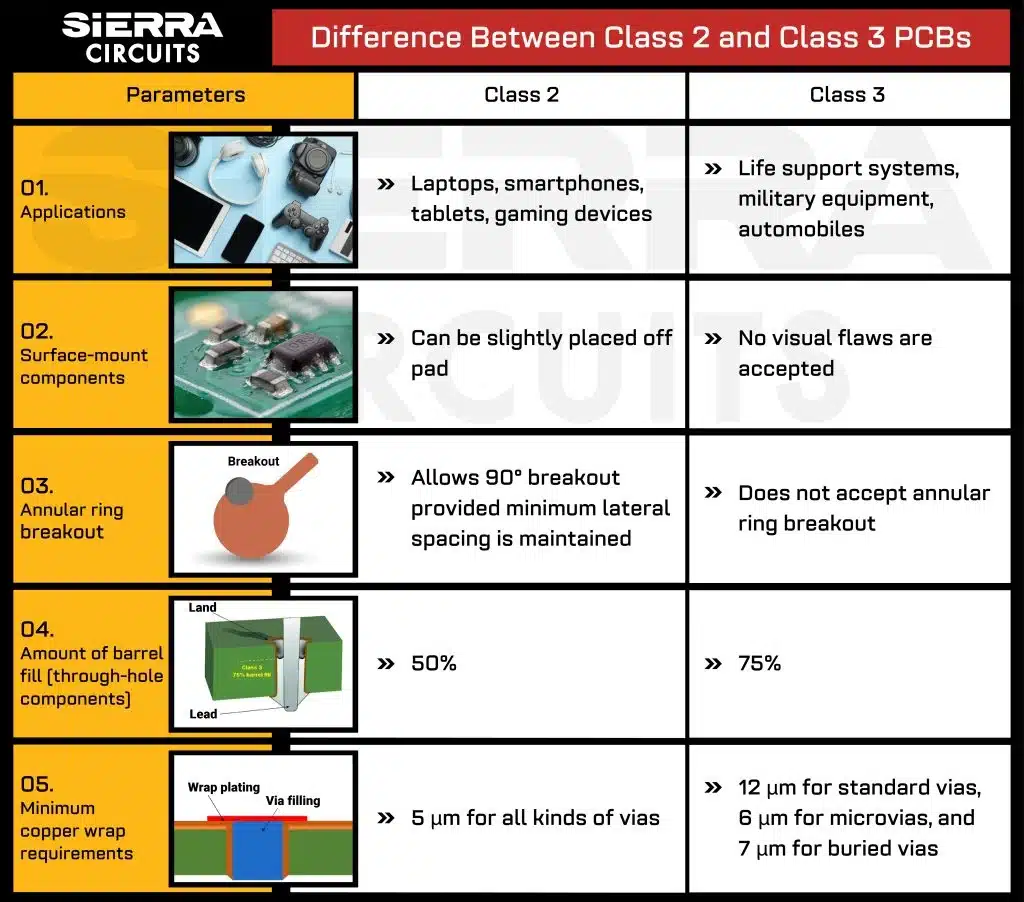
Credit: www.protoexpress.com
Importance Of Classification
Classification of electronic components plays a crucial role in manufacturing. It acts as the foundation for organizing parts, which directly impacts how smoothly your production line runs. Without clear classification, you risk delays, errors, and increased costs that could have been avoided.
Streamlining Inventory Management
When components are properly classified, tracking inventory becomes effortless. You can easily identify which parts are in stock and which need replenishing. This reduces overstocking and prevents shortages, saving both space and money.
Imagine searching for a tiny resistor among thousands of unorganized parts. Classification helps you locate exactly what you need in seconds, avoiding unnecessary downtime. It also simplifies ordering by grouping similar components together, making your supply chain more reliable.
Enhancing Production Efficiency
Classification ensures that the right components reach the production line without confusion. This means assembly workers spend less time sorting parts and more time building products. It cuts down on mistakes caused by mixing up similar-looking components.
Have you ever witnessed a production halt because the wrong capacitor was used? Proper classification prevents such costly errors. It also speeds up training for new staff, who can quickly learn the system and find parts without frustration.
Ensuring Quality Control
Quality control depends heavily on knowing exactly what components are used in each product. Classification allows you to trace components back to their batches, making it easier to identify defects. This traceability is essential when dealing with recalls or warranty issues.
By classifying components, you also maintain consistency across production runs. It helps you spot any deviations in parts that could affect product performance. This attention to detail protects your brand reputation and keeps customers satisfied.
Methods Of Classification
Classifying electronic components is essential for efficient manufacturing processes. It helps organize parts clearly and makes finding the right component faster. Different methods suit different needs and improve workflow.
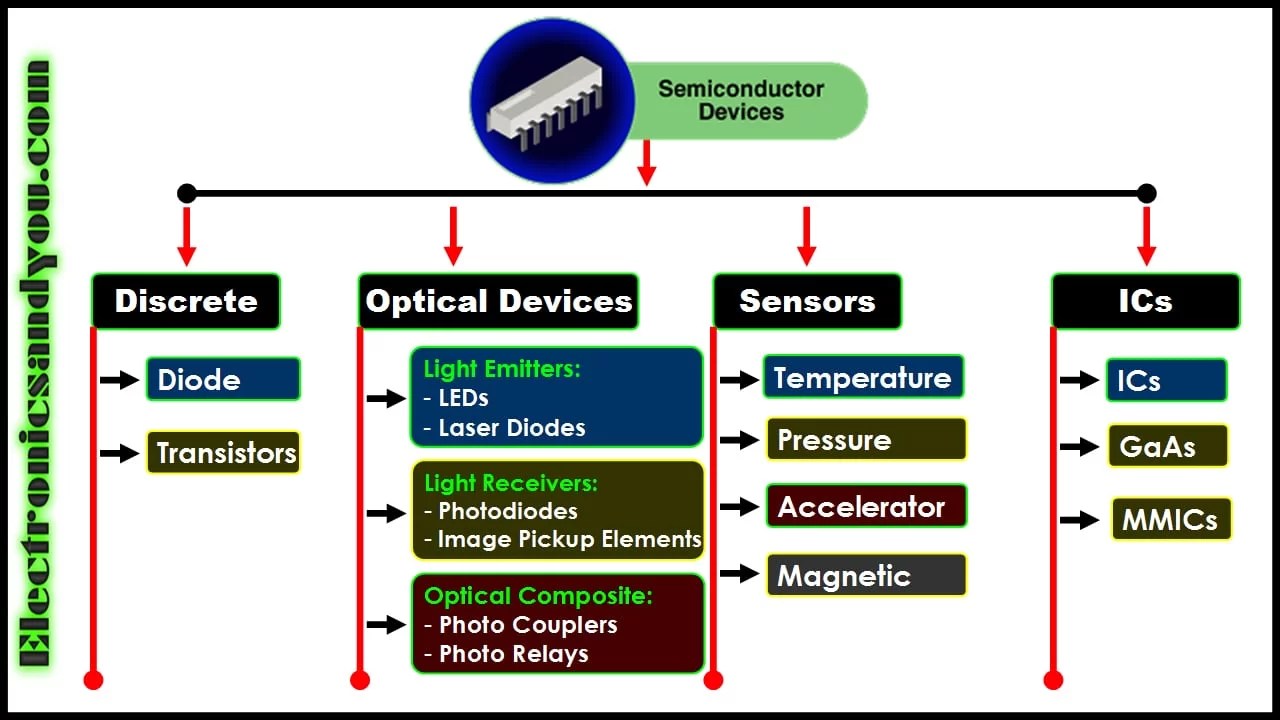
Categorization By Function
Components can be grouped based on their role in a circuit. Examples include resistors, capacitors, and transistors. This classification helps technicians quickly identify parts needed for repairs or assembly. It also aids in understanding how components work together in a system.
Grouping By Material Type
Sorting parts by the materials they are made of simplifies handling and storage. Common materials include silicon, ceramic, and metal. This method helps in managing inventory and choosing components that meet specific quality or durability requirements. It also supports recycling and environmental compliance.
Classifying By Size And Shape
Size and shape matter in design and assembly. Components are classified to fit specific spaces on circuit boards. Standard sizes like SMD (Surface-Mount Device) or through-hole components guide manufacturing. Proper classification reduces errors and speeds up the assembly line.
Tools For Effective Classification
Effective classification of electronic components requires the right tools. These tools help organize parts efficiently, reduce errors, and speed up the manufacturing process. Using proper tools makes handling thousands of tiny components easier and more accurate.
Software Solutions
Software tools manage data about electronic components. They track inventory, specifications, and usage history. These programs offer search functions to find parts quickly. Some software can integrate with other systems to streamline workflows. They reduce manual errors and improve data accuracy. Easy-to-use interfaces help workers adopt new systems fast.
Labeling Systems
Labels provide clear identification for each component. Barcodes and QR codes store essential information. Scanners read these codes to update records instantly. Labels help avoid mix-ups and misplacements. Durable materials ensure labels stay readable in harsh conditions. Consistent labeling supports faster picking and assembly tasks.
Automated Sorting Technologies
Automated machines sort components based on size, shape, or type. These systems increase sorting speed and precision. They reduce manual labor and human errors. Sensors and cameras guide the sorting process. Robotics handle tiny parts with steady accuracy. Automation supports higher production volumes without sacrificing quality.

Credit: www.electronicsandyou.com
Benefits Of Accurate Classification
Accurate classification of electronic components plays a vital role in manufacturing efficiency. It helps streamline production and resource management. Clear categorization prevents mistakes and delays. It also supports better decision-making across departments. The benefits extend beyond simple organization to impact costs, compliance, and partnerships.
Reducing Waste And Costs
Proper classification lowers the risk of using wrong parts. It avoids excess inventory and reduces scrap materials. Manufacturers save money by ordering only what is needed. Accurate records mean fewer production halts due to missing components. This leads to smoother workflows and less resource waste.
Improving Supplier Relationships
Clear classification improves communication with suppliers. It ensures that orders are precise and meet specifications. Suppliers can deliver the correct parts faster and with fewer errors. Stronger relationships build trust and improve lead times. This can lead to better prices and service over time.
Facilitating Regulatory Compliance
Manufacturers must meet strict industry regulations. Accurate classification helps track component origins and certifications. It simplifies audits and reporting requirements. Clear records reduce the risk of non-compliance penalties. This ensures products meet safety and quality standards consistently.
Challenges In Classification
Classifying electronic components in manufacturing presents several challenges that can affect the efficiency and accuracy of your production process. Understanding these hurdles helps you prepare better systems and avoid costly mistakes. Let’s break down the main obstacles you might face.
Complexity Of Component Varieties
Electronic components come in countless types, sizes, and specifications. Resistors, capacitors, ICs, and connectors each have many subcategories with different characteristics.
This variety makes it hard to create a one-size-fits-all classification system. You need to ensure every part is correctly identified to prevent mix-ups that could halt production or damage final products.
Have you ever struggled to find the right component because the classification was unclear? That experience highlights why a detailed and flexible categorization system is crucial.
Maintaining Up-to-date Systems
Technology evolves rapidly, and new components appear regularly. Your classification system must keep pace with these changes to stay relevant.
If your database or inventory isn’t updated, you risk misclassifying new parts or missing them entirely. This leads to delays and extra costs as your team searches for or orders replacements.
Think about how often your suppliers introduce updated models. How quickly can your system adapt to include these new components?
Integrating With Existing Processes
Introducing a new classification method can disrupt current workflows. Your system needs to fit smoothly with your inventory management, procurement, and assembly procedures.
Without seamless integration, employees may resist using the new system or make errors during data entry. This defeats the purpose of classification and wastes time.
Consider your team’s daily routine—how can you design a classification approach that supports their work instead of complicating it?
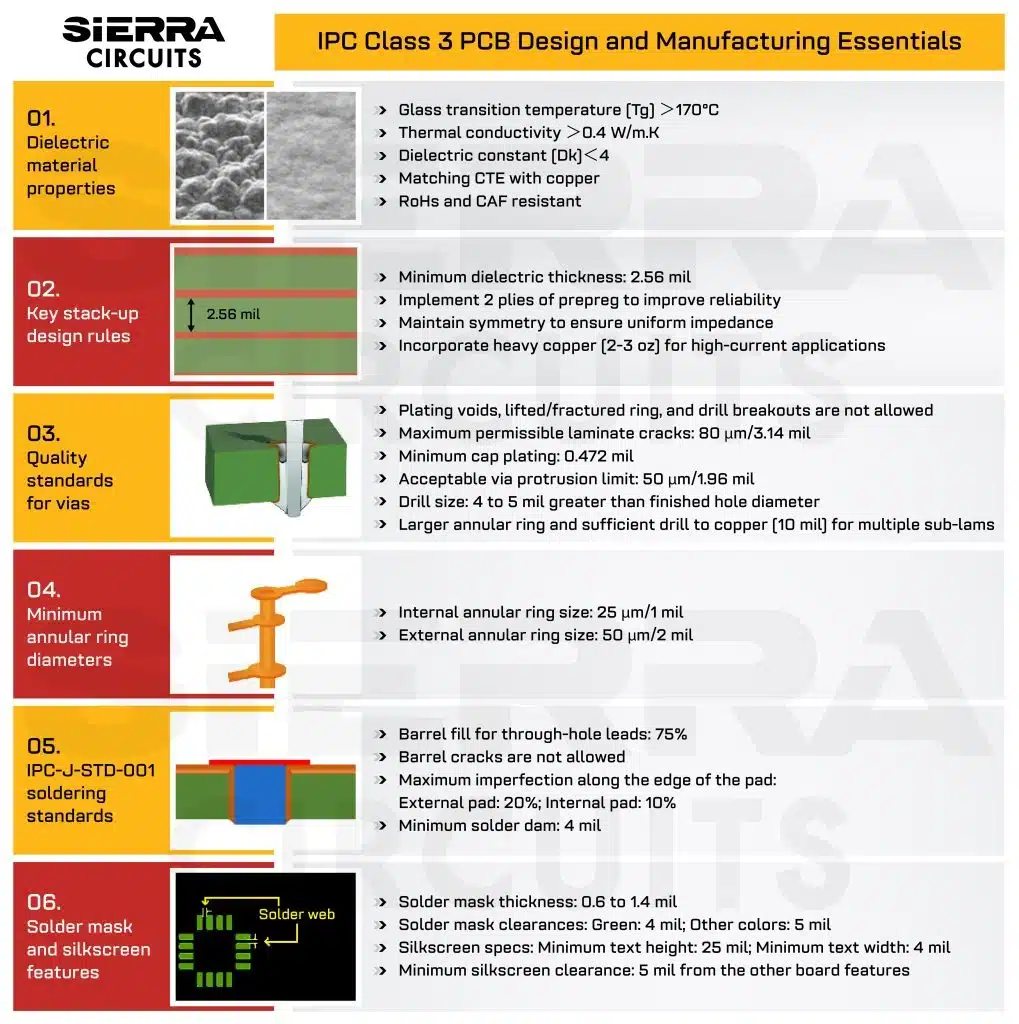
Credit: www.protoexpress.com
Future Trends
Classifying electronic components plays a vital role in manufacturing’s future. It helps keep production efficient and quality high. The rise of new technologies will change how companies manage components. Staying updated on these trends ensures better control and fewer errors.
Advancements In Ai And Machine Learning
AI and machine learning improve component classification accuracy. They analyze large data sets to identify parts faster. Machines learn from past mistakes, reducing human errors. Predictive models can forecast component demand and supply issues. This leads to smarter inventory management and lower costs.
Impact Of Iot On Component Management
IoT connects machines and sensors in real-time. It tracks component usage and condition throughout production. This constant monitoring prevents defects and delays. Automated alerts notify staff of component shortages or failures. IoT data helps optimize stock levels and improve workflow.
Evolving Standards And Regulations
New standards ensure better safety and quality control. Manufacturers must follow updated guidelines for component classification. Compliance reduces risks and enhances product reliability. Regulations also push for environmental sustainability in manufacturing. Staying compliant avoids penalties and supports eco-friendly practices.
Frequently Asked Questions
Why Is Classifying Electronic Components Important?
Classifying electronic components ensures proper inventory management and reduces production errors. It improves efficiency and speeds up manufacturing processes, saving time and costs.
How Does Classification Improve Manufacturing Efficiency?
Classification helps identify components quickly, streamlining assembly and reducing downtime. It enables better quality control and minimizes the risk of using incorrect parts.
What Are The Risks Of Not Classifying Components?
Without classification, manufacturers face increased errors, delays, and waste. Misplaced or wrong components can cause product failures and higher production costs.
How Does Classification Aid Quality Control?
Classification allows systematic testing and tracking of components. It ensures consistent performance and helps detect defective parts before assembly.
Conclusion
Classifying electronic components helps keep manufacturing organized and efficient. It saves time by making parts easy to find. Clear categories reduce errors during assembly. Teams work better with a shared system for parts. Costs stay lower by avoiding wrong orders.
Quality improves when components match the design. Overall, sorting parts is a smart step for smooth production. It supports faster work and better products. A small effort that brings big benefits.
Leave a Reply