Have you ever wondered why wearable technology hasn’t become a part of your daily life yet? You see smartwatches and fitness trackers everywhere, but are they really catching on with everyone?
If you’re curious about whether these gadgets will ever be more than just a niche trend, you’re not alone. This article will explore the real reasons behind wearable tech’s slow rise and what it might take for you—and millions like you—to fully embrace it.
Keep reading to discover if wearable technology will truly gain mass appeal and how it could change your world.
Credit: ts2.tech
Current State Of Wearable Technology
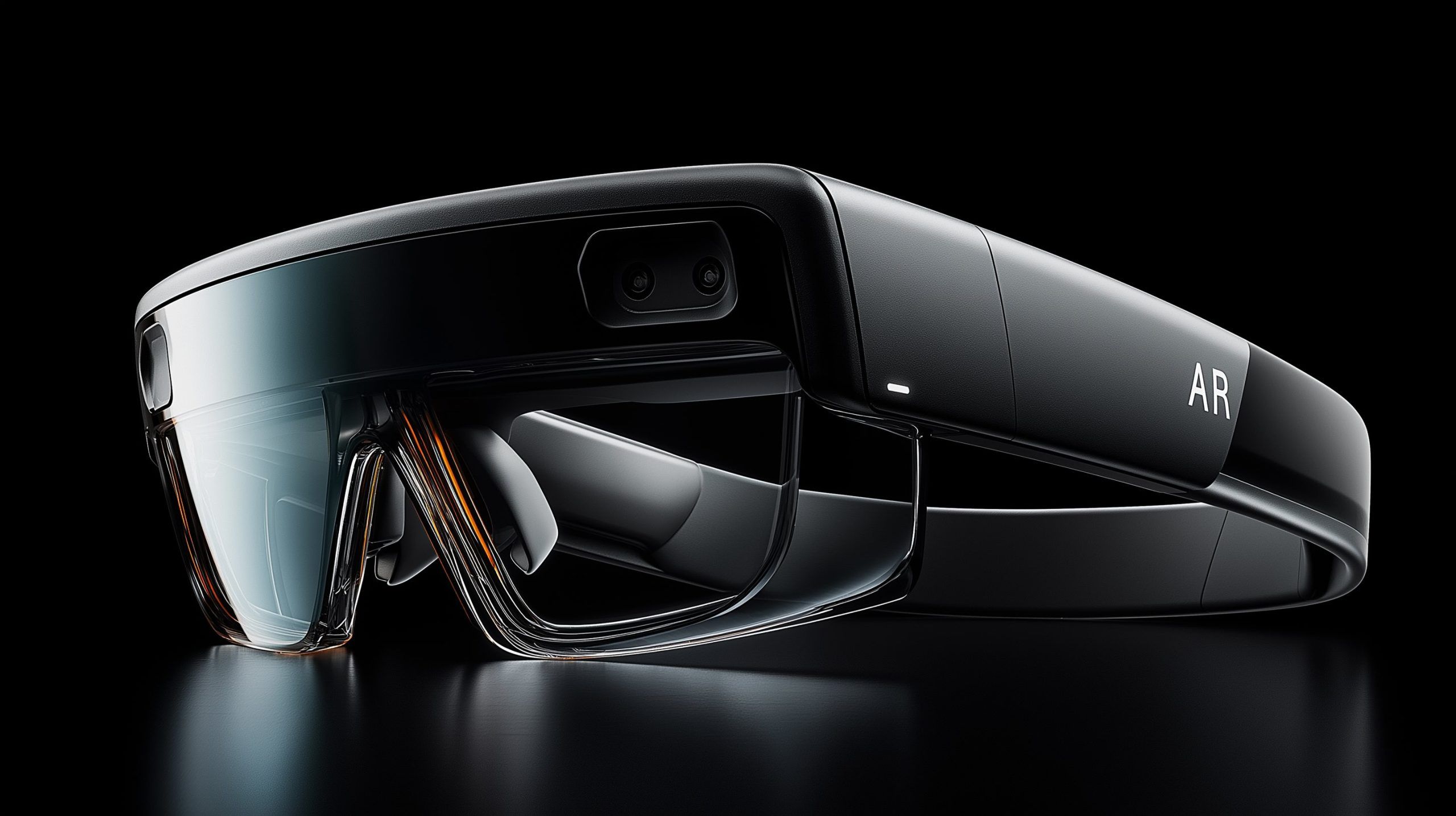
Wearable technology has made significant strides in recent years, moving beyond simple fitness trackers to smartwatches, health monitors, and even smart glasses. Despite the advances, the question remains: will these devices ever become a common staple in everyone’s daily lives? Understanding the current landscape can help you see where wearables stand today and what might influence their future popularity.
Popular Devices In Use
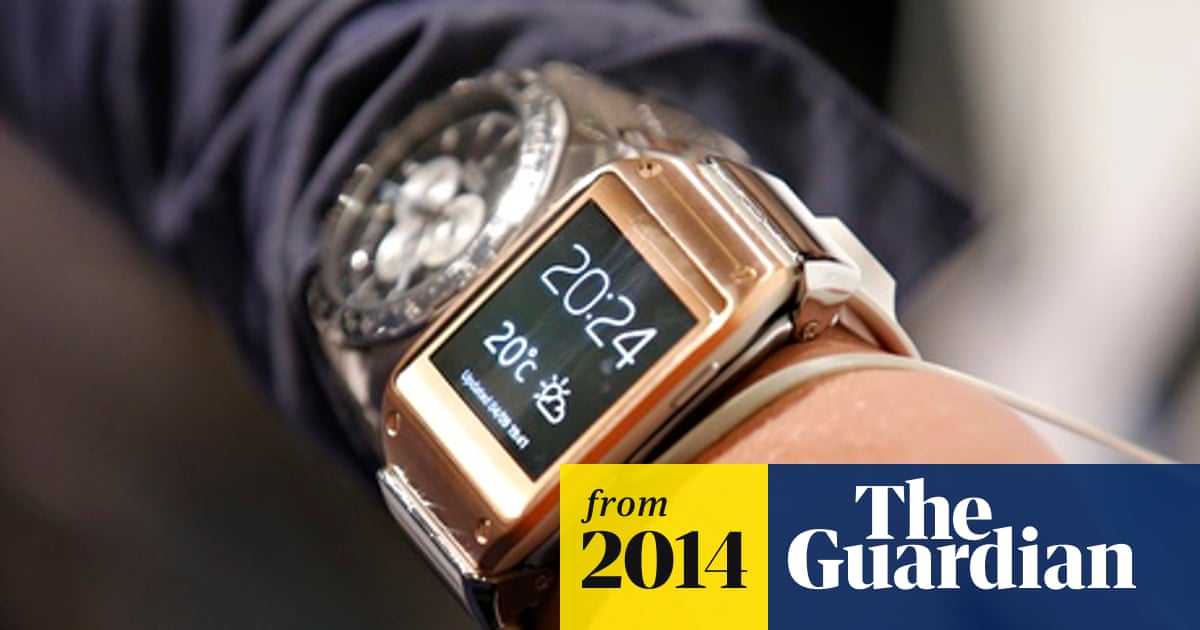
Smartwatches like the Apple Watch and Fitbit dominate the wearable scene. They offer not just timekeeping but health tracking, notifications, and even GPS navigation. Meanwhile, devices like the Oura Ring focus on sleep and wellness monitoring, appealing to users looking for subtle tech.
Other popular gadgets include wireless earbuds with fitness tracking and smart glasses designed for hands-free information. The diversity shows wearables are not just about fitness anymore—they aim to integrate into various parts of your life.
Market Growth Trends
The wearable tech market has seen steady growth, with sales increasing year over year. In 2023, global shipments of smartwatches alone surpassed 100 million units, a clear sign of rising demand.
Yet, growth is not uniform. Regions like North America and Europe lead, while emerging markets are catching up slowly. This uneven expansion raises questions about affordability and cultural acceptance in different parts of the world.
User Demographics
Young adults, especially those aged 18 to 35, make up the largest group of wearable users. This demographic values convenience and health insights, which wearables provide effectively.
However, older adults are slowly adopting these devices, often motivated by health monitoring features that can alert them to medical issues. This shift shows wearables have potential beyond fitness enthusiasts, but will it be enough to push mass adoption?
What features would make you consider wearing a device every day? Would it be health alerts, seamless connectivity, or something else entirely?
Barriers To Mass Adoption
Wearable technology holds exciting potential, but several barriers stand between it and widespread use. Understanding these hurdles helps you see why the gadgets you wear every day haven’t become as common as smartphones yet. Let’s break down the main challenges that slow down mass adoption.
Cost And Affordability Issues
One major roadblock is price. Many wearable devices come with a hefty price tag that not everyone can justify. You might hesitate to spend hundreds on a gadget that doesn’t feel essential.
Even if a wearable offers great features, the upfront cost and ongoing expenses like app subscriptions or battery replacements can add up. Would you buy a fitness tracker if it meant cutting back on other monthly expenses?
Manufacturers need to find ways to lower costs without sacrificing quality, making wearables accessible to a wider audience.
Privacy And Security Concerns
Wearables often collect sensitive personal data, from health stats to location info. You might worry about who can access this information and how safe it really is.
Data breaches and unauthorized sharing have made people cautious. Would you trust a device that tracks your heart rate and daily movements if you weren’t sure how your data was protected?
Building strong security measures and transparent privacy policies is essential to earn your trust and encourage you to wear these devices daily.
Design And Comfort Challenges
Comfort matters more than many realize. If a wearable feels bulky or awkward, you’re less likely to wear it consistently. Think about a watch that pinches your wrist or a headset that feels heavy.
Design also affects style. You want a device that fits your look, not something you hide. Are you willing to sacrifice comfort or fashion for functionality?
Wearable makers must balance technology with ergonomic design to keep you comfortable and confident wearing their products all day.
Technological Advances Driving Interest
Wearable technology has come a long way, but what truly sparks your interest? It’s the constant improvements that make these gadgets more useful and convenient every day. Let’s look at some key technological advances that are driving more people to consider wearable devices as part of their daily lives.
Improved Battery Life
One of the biggest frustrations with wearables has been how often you need to recharge them. Recent breakthroughs have extended battery life from just a day to several days or even weeks in some models.
This means you can wear your device without worrying about running out of power during important moments, like workouts or long trips. Would you use a fitness tracker more if you didn’t have to charge it every night?
Enhanced Health Monitoring Features
Wearables now track much more than just steps. Many devices measure heart rate variability, blood oxygen levels, sleep quality, and even detect irregular heart rhythms.
This makes them powerful tools for managing your health and spotting potential issues early. Imagine having real-time health insights right on your wrist—how could that change your approach to wellness?
Integration With Other Devices
These gadgets no longer work in isolation. They easily connect with your smartphone, smart home devices, and even your car’s system.
This seamless integration lets you control music, receive notifications, or even unlock doors without reaching for your phone. How convenient would it be to manage your entire digital life from your wrist?

Credit: greyjournal.net
Impact Of Wearables On Daily Life
Wearable technology has started to change how people live day by day. These devices, worn on the body, help track health, improve work, and shape social habits. Their influence touches many parts of daily life. As wearables improve, their role grows in importance and usefulness.
Fitness And Health Benefits
Wearables help people monitor heart rate, steps, and sleep quality. They give real-time feedback to encourage healthy habits. Many devices remind users to move or drink water. Tracking progress motivates users to stay active. Some wearables also detect irregular health signs, aiding early care.
Workplace And Productivity Uses
In work settings, wearables boost focus and efficiency. Smartwatches can manage calls and messages without interrupting tasks. Some devices track stress levels and suggest breaks. Employers use wearables to monitor safety in dangerous jobs. These tools help workers stay organized and alert.
Social And Lifestyle Influences
Wearables shape how people connect and share moments. They enable quick access to notifications and social apps. Fitness challenges and shared goals create new social bonds. Customizable watch faces and bands express personal style. These devices blend technology with everyday fashion and interaction.
Future Trends And Predictions
Wearable technology is evolving fast, and its future holds many possibilities. Understanding upcoming trends helps you see where this tech might fit into your life. Let’s look at what’s on the horizon and how it could change the way you use wearables.
Emerging Technologies
New materials like flexible displays and advanced sensors are making wearables lighter and more comfortable. Imagine a watch that feels like a second skin or smart glasses that blend seamlessly with your style.
Battery life is improving too, with energy harvesting tech that could let devices run longer without charging. This means you might wear your gadgets all day without worrying about power.
Potential Market Expansion
Wearables are moving beyond fitness tracking to areas like healthcare, gaming, and workplace safety. For example, smart patches can monitor vital signs and alert you to health issues before symptoms appear.
As prices drop and designs improve, more people can afford and want these devices. Could your next wearable be a lifesaver or a productivity booster rather than just a fancy accessory?
Role Of Ai And Machine Learning
AI is making wearables smarter by learning your habits and providing personalized feedback. Your device could suggest the best time to exercise or warn you about stress before you even feel it.
Machine learning helps improve accuracy, so your wearable understands you better over time. This makes the data more useful and the experience more natural for you.
Consumer Perceptions And Expectations
Consumer perceptions and expectations shape the future of wearable technology. People want devices that feel safe, useful, and personal. Their trust in the product and brand plays a big role in acceptance. Users also look for devices that fit their style and needs. The experience of using the wearable must be simple and enjoyable. These factors decide if wearable tech will reach a large audience.
Trust And Reliability Factors
Trust is key for wearable tech adoption. Consumers worry about data security and privacy. They want clear information on how their data is used. Devices must work accurately and last long. Frequent glitches or failures cause users to lose confidence. Brands with strong reputations gain more trust. Transparency and reliable performance build lasting user loyalty.
Desire For Customization
People want wearables that reflect their personality. Customization helps devices feel unique and more useful. Options like adjustable bands, colors, and watch faces attract users. Personalized settings for health tracking or notifications increase value. Custom features make wearables more than just gadgets. They become personal companions that fit daily life.
Expectations For User Experience
Users expect wearables to be easy and fun to use. Simple interfaces and clear displays matter most. Devices should connect smoothly with other gadgets. Long battery life and fast charging improve satisfaction. Comfort is crucial since wearables stay on the body. A positive user experience keeps people engaged over time.
Strategies To Boost Adoption
Strategies to boost the adoption of wearable technology focus on overcoming key barriers. These include cost, privacy concerns, and user appeal. Addressing these factors can help wearables reach a wider audience.
Making wearables more affordable opens the door for many potential users. Ensuring strong privacy protections builds trust. Designing wearables that look good and feel comfortable encourages daily use.
Affordable Pricing Models
Lower prices make wearable devices accessible to more people. Companies can offer payment plans or subscriptions. Bundling wearables with other products adds value. Discounts and promotions attract first-time buyers. Cost reduction without losing quality is crucial.
Enhanced Privacy Measures
Users worry about data security and tracking. Clear privacy policies must explain data use simply. Offering control over personal information increases trust. Using strong encryption protects sensitive data. Regular updates fix security weaknesses promptly.
Innovative Design Approaches
Wearables need to fit different styles and needs. Lightweight, comfortable materials improve wearability. Customizable looks let users express themselves. Designs that blend with everyday clothes attract more users. Simple interfaces make devices easy to use.
Credit: www.theguardian.com
Frequently Asked Questions
What Factors Influence Wearable Technology’s Mass Appeal?
Wearable technology’s mass appeal depends on affordability, ease of use, and practical benefits. Design and battery life also play key roles. Privacy concerns and data security impact user trust. Increased health and fitness features boost adoption rates over time.
How Does Wearable Tech Improve Daily Life?
Wearable tech tracks health metrics, improves fitness, and enhances convenience. It offers real-time notifications and supports hands-free communication. These devices help monitor sleep, heart rate, and activity levels. Overall, they promote healthier habits and better time management.
What Challenges Hinder Wearable Technology Adoption?
High costs, limited battery life, and complex interfaces hinder adoption. Privacy concerns about data collection also affect user trust. Compatibility with other devices can be an issue. Additionally, fashion and comfort influence people’s willingness to wear them daily.
Will Wearable Technology Become Affordable For Everyone?
Yes, as technology advances, production costs decrease. Increased competition drives prices down, making devices affordable. More budget-friendly options and mass production will expand accessibility. This trend supports broader adoption across different income groups.
Conclusion
Wearable technology holds potential for widespread acceptance. New designs and improved functions attract users. Comfort and cost remain crucial factors for growth. As technology evolves, so will public interest. Companies must focus on user needs and preferences. This will drive adoption rates higher.
Awareness and education play key roles in acceptance. The future of wearables looks promising and exciting. Mass appeal could soon become a reality. With time, wearable tech may become a part of daily life. Embracing these innovations can enhance our everyday experiences.
Leave a Reply