Imagine being able to enjoy a hotel stay or event without waiting in long lines or struggling to find information. What if your experience could be smoother, faster, and more personalized just by wearing a small device?
Wearable technology is changing the way guests like you interact with services, making every moment easier and more enjoyable. You’ll discover how these smart gadgets enhance your experience, save you time, and add a touch of magic to your visit.
Ready to see how wearable tech puts you in control? Keep reading to find out.

Credit: www.happiestminds.com
Wearable Tech In Hospitality
Wearable technology is changing how hotels connect with their guests. It offers a seamless way to enhance convenience, personalize services, and create memorable stays. Imagine walking into a hotel where your smartwatch unlocks your room and guides you to your favorite spots without waiting in line.
Types Of Wearable Devices
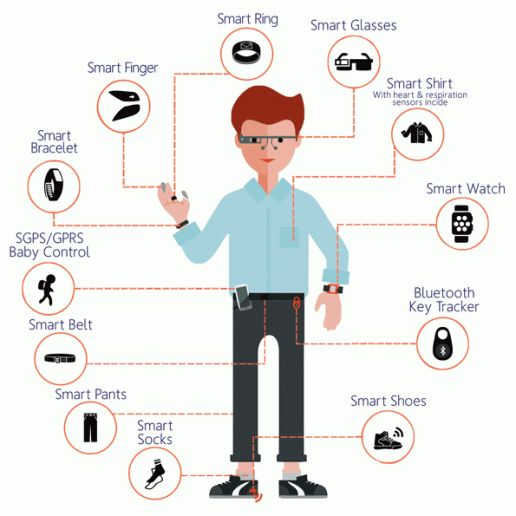
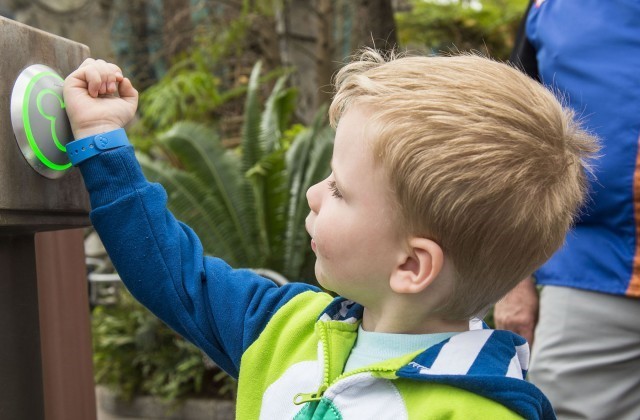
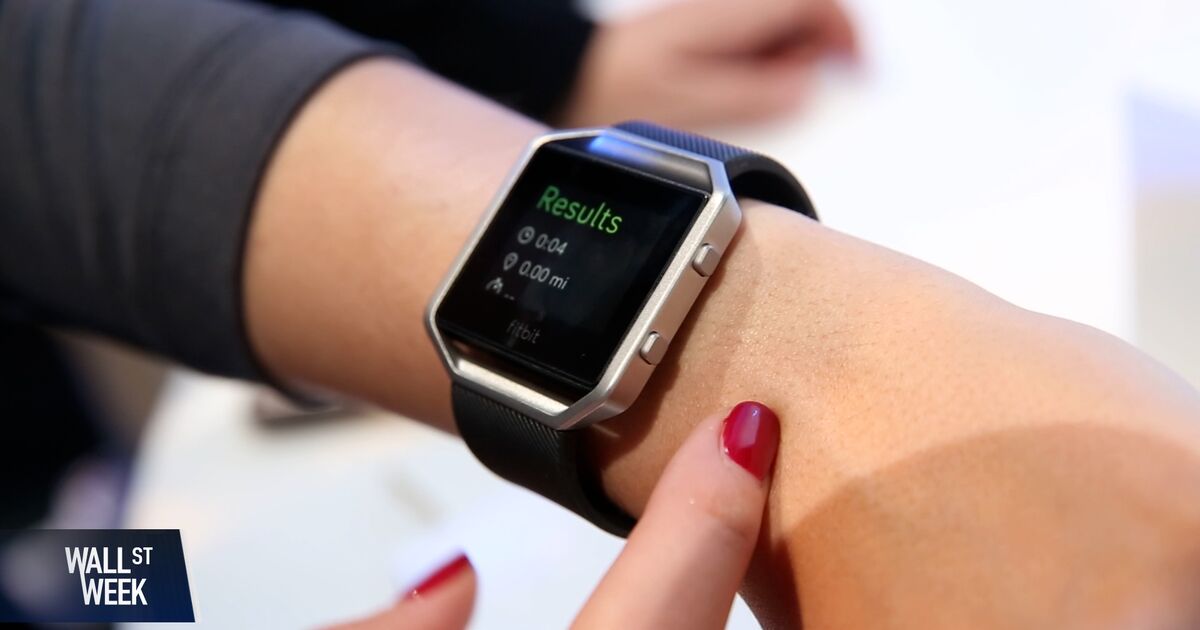
Several wearable devices are making waves in hospitality. Smartwatches and fitness bands track guest preferences and health data to tailor experiences. RFID-enabled wristbands allow easy room access, cashless payments, and event check-ins.
Other devices include augmented reality glasses that provide interactive tours and smart badges for staff to improve communication. These gadgets work together to simplify tasks and boost guest satisfaction.
Adoption Trends In Hotels
Hotels are adopting wearable tech at a fast pace, especially in luxury and boutique sectors. Many properties now offer wearable check-in options, reducing wait times and paperwork. Some chains provide guests with smart bands that unlock doors, grant pool access, and even control room settings.
Are you aware of how these devices can speed up your stay or customize your room environment? Early adopters report improved guest loyalty and higher positive reviews. This tech doesn’t just add convenience; it builds a better connection between you and the hotel.
Credit: www.appventurez.com
Personalized Guest Services
Personalized guest services create a unique experience for each visitor. Wearable technology collects data to understand guest preferences. This information helps tailor services to individual needs. Guests feel valued and more satisfied with their stay. Personalization makes every moment more enjoyable and stress-free.
Tailored Recommendations
Wearables track guest activities and preferences continuously. This data allows venues to suggest relevant services and offers. For example, guests receive dining options based on their food choices. Activity suggestions match their interests and energy levels. Tailored recommendations save time and enhance enjoyment.
Real-time Communication
Wearable devices enable instant contact between guests and staff. Guests can request assistance without leaving their location. Staff respond quickly to needs, improving service speed. Real-time alerts keep guests informed about events and changes. Communication feels smooth and personal, increasing guest comfort.
Streamlined Check-in And Access
Streamlined check-in and access simplify the guest arrival experience. Wearable technology removes long lines and confusion. Guests enjoy quick and easy entry to venues and events. This technology saves time and reduces stress for both guests and staff.
Contactless Entry
Wearable devices allow guests to enter without physical tickets or cards. These devices use NFC or Bluetooth to connect automatically. Guests just tap or wave their wearable near the reader. This reduces contact points and speeds up entry. It also improves hygiene and safety in busy places.
Faster Registration Processes
Wearables can store guest information securely. Guests can pre-register online and link their data to their device. At the venue, the device scans instantly to confirm identity. This cuts wait times and paperwork. Staff can focus on helping guests rather than handling forms.
Credit: www.bloomberg.com
Enhanced Guest Safety
Enhanced guest safety is a key advantage of wearable technology in hospitality. It helps hotels keep guests secure and comfortable throughout their stay. Wearables provide real-time data that assists staff in monitoring guest well-being. These devices offer peace of mind by detecting health issues and facilitating quick responses to emergencies. Safety measures become more proactive, ensuring guests feel cared for and protected.
Health Monitoring Features
Wearable devices track vital signs such as heart rate and oxygen levels. They alert staff if a guest shows signs of distress or abnormal health patterns. This continuous monitoring helps identify potential health problems early. Guests with chronic conditions receive special attention through personalized alerts. Data from wearables supports timely medical intervention, reducing risks during the stay.
Emergency Response Integration
Wearables connect directly to the hotel’s emergency systems. In case of an accident or sudden illness, guests can send instant alerts. Staff receives precise location data to respond quickly. Some devices feature fall detection and automatic emergency calls. This integration shortens response times and improves guest safety in critical situations.
Improved Staff Efficiency
Improved staff efficiency is a key benefit of wearable technology in the hospitality industry. When your team can perform tasks faster and communicate more effectively, your guests notice the difference immediately. This improvement boosts overall service quality and keeps your guests coming back.
Instant Task Management
Wearable devices allow staff to receive and update tasks instantly, without needing to check a central computer or carry a clipboard. Imagine a housekeeper who gets notified about a room that needs urgent attention through a smartwatch vibration. They can respond immediately, reducing wait times and increasing guest satisfaction.
These devices also let managers assign tasks on the fly, track progress, and reassign duties if needed. This real-time task management means fewer delays and less confusion among staff members. How often have you seen delays caused by miscommunication? Wearables help eliminate that problem.
Better Guest Interaction
Staff using wearable tech can focus more on guests rather than paperwork or radios. When your team has information at their fingertips, they can answer questions quickly and personalize the service. For example, a server with a wearable device can check a guest’s dietary preferences and suggest a meal without leaving the table.
Wearing smart devices also helps employees stay connected discreetly, avoiding disruptions during guest interactions. This means your guests get attentive, uninterrupted service. Wouldn’t you appreciate staff who seem to anticipate your needs effortlessly?
Data-driven Insights
Data-driven insights are transforming how businesses understand and serve their guests. Wearable technology collects real-time data that reveals patterns in guest preferences and behaviors. This allows you to tailor experiences with precision, ensuring each visit feels personal and seamless.
Guest Behavior Analytics
Wearable devices track movements, interactions, and even physiological responses of guests throughout their stay. This data helps you identify popular areas, peak times, and activities that truly engage visitors.
Imagine knowing exactly when guests tend to relax or seek assistance. This insight lets you anticipate needs rather than just react, creating a smoother experience. Analytics also highlight hidden pain points that might go unnoticed otherwise.
Would you like to predict what your guests want before they ask? With behavior analytics, you can make smarter decisions that boost satisfaction and loyalty.
Service Optimization
Using data from wearables, you can streamline staff deployment and improve service timing. If the data shows a surge in guest activity in one area, you can quickly assign more team members there.
This helps reduce wait times and makes your service feel more attentive and responsive. You can also customize offers and promotions based on real-time guest preferences gathered through wearables.
Think about the last time you received exactly what you needed without asking. That’s the level of service optimization wearable technology enables, turning data into action that delights your guests.
Challenges And Considerations
Wearable technology offers many benefits for guest experiences. Still, it brings challenges that businesses must address. Understanding these challenges helps in making smart choices. It also ensures guests feel safe and satisfied.
Privacy Concerns
Wearables collect a lot of personal data from guests. This data may include location, health, and preferences. Protecting this information is very important. Guests expect their data to be safe and private. Businesses must follow strict rules to protect privacy. Clear communication about data use builds trust. Guests should have control over their information. Without this, they might avoid using wearable devices.
Technical Limitations
Wearable devices can face technical problems. Battery life often limits how long the device works. Connectivity issues may cause interruptions in service. Some devices may not work well with all software systems. These limits can frustrate guests and staff. Regular updates and maintenance help reduce problems. Testing devices thoroughly before use is essential. Planning for technical support improves the overall guest experience.
Future Trends In Wearables
Wearable technology is evolving fast and shaping the future of guest experiences. New trends bring smarter devices that connect deeply with users. These changes make stays smoother, more personal, and enjoyable. Understanding future trends helps businesses prepare better services and improve guest satisfaction.
Ai Integration
Artificial intelligence is becoming a key part of wearables. Devices use AI to learn guest preferences and habits. This allows for personalized recommendations and services. AI helps wearables predict needs before guests ask. It also improves voice recognition and interaction. Smart assistants on wearables can handle requests instantly. This creates a more seamless and natural experience.
Expanded Use Cases
Wearables will serve many new purposes in hospitality. They can track health and wellness during stays. Guests might receive alerts about hotel events or local attractions. Wearables can also act as digital keys or payment devices. Hotels may use them to offer contactless check-ins and check-outs. Future devices could support translation for international guests. This expands comfort and convenience in many ways.
Frequently Asked Questions
How Does Wearable Technology Enhance Guest Personalization?
Wearable technology collects real-time data to tailor services uniquely. It enables personalized recommendations, offers, and seamless interactions, creating memorable guest experiences.
What Types Of Wearable Devices Improve Guest Services?
Smartwatches, fitness trackers, and smart badges are common. These devices assist in navigation, contactless payments, and instant communication, enhancing convenience and satisfaction.
Can Wearables Speed Up Check-in And Check-out Processes?
Yes, wearables enable quick identification and automated transactions. This reduces wait times, streamlines operations, and improves overall guest convenience and efficiency.
How Do Wearables Contribute To Guest Safety?
Wearables offer real-time location tracking and emergency alerts. They enhance security by enabling instant response and monitoring guest well-being effectively.
Conclusion
Wearable technology transforms the guest experience. It brings convenience and personalization. Guests enjoy seamless check-ins and tailored services. This technology enhances satisfaction and loyalty. Businesses gain valuable insights. They can improve their services based on data. Guests feel valued and heard.
Wearables bridge the gap between technology and hospitality. They provide a modern touch to traditional service. The future looks promising for both guests and businesses. Technology continues to evolve. It’s clear wearable devices are here to stay. They enrich our interactions and experiences daily.
Leave a Reply