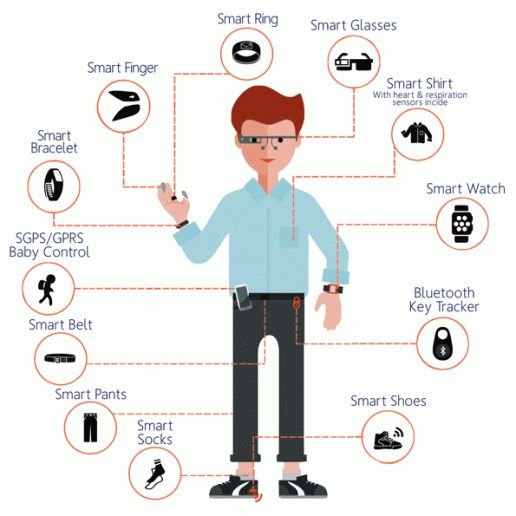
Imagine having a personal assistant right on your wrist, ready to help you stay healthy, organized, and connected all day long. Wearable technology can do just that—and more.
Whether you want to track your fitness, monitor your health, or simplify your daily tasks, these smart devices are designed to make your life easier. Curious how wearable tech can truly assist you every step of the way? Keep reading to discover the surprising ways it can improve your well-being and productivity.
Health Monitoring
Wearable technology plays a big role in health monitoring. It helps people keep track of their body’s signals easily. Devices like smartwatches and fitness bands collect important health data all day. This constant monitoring supports better health choices and care.
Tracking Vital Signs
Wearables measure key vital signs such as heart rate, blood pressure, and oxygen levels. They provide real-time updates that help users understand their physical condition. Continuous tracking shows patterns and changes over time. This information helps people stay aware of their health every day.
Chronic Disease Management
Wearable devices assist people living with chronic illnesses like diabetes or asthma. They monitor symptoms and alert users about any unusual changes. These devices can remind users to take medication or check glucose levels. This support helps manage diseases more effectively and prevents complications.
Early Detection Of Illness
Wearables can detect warning signs of illness before symptoms appear. They track subtle changes in the body that may indicate health problems. Early alerts encourage users to seek medical advice sooner. This early detection may lead to quicker treatment and better outcomes.

Credit: interestingengineering.com
Fitness And Activity
Wearable technology helps people stay active and improve fitness. These devices track movements and health data in real time. Users get insights that help them exercise better and live healthier.
Personalized Workout Plans
Wearables create workout plans based on individual data. They use heart rate, activity level, and fitness goals. This makes workouts safe and effective. Plans adjust as users improve or change goals. It feels like having a personal trainer on your wrist.
Motivation And Goal Setting
Wearable devices encourage users to move more every day. They set clear, achievable goals. Progress alerts keep users motivated. Badges and challenges add fun and competition. Small wins build confidence and keep users active.
Sleep Tracking Benefits
Good sleep is key for fitness and health. Wearables monitor sleep quality and patterns. They show when users get deep or restless sleep. This helps users improve sleep habits. Better rest leads to more energy and better workouts.
Safety And Security
Safety and security are top priorities for anyone using wearable technology. These devices do more than just track your steps or monitor your heart rate—they can protect you in moments of danger or distress. Imagine having a personal assistant on your wrist that instantly alerts others when you need help. How much peace of mind would that give you?
Fall Detection And Alerts
Wearable devices with fall detection use sensors to recognize sudden movements or impacts. If you fall and can’t get up, the device sends an automatic alert to your emergency contacts. This feature is especially helpful for older adults or people with medical conditions that increase fall risk.
One user shared how their smartwatch detected a fall while hiking alone and quickly notified a family member. This quick action meant they received help faster than if they had to call out themselves. Wouldn’t you want that kind of immediate support when you’re vulnerable?
Emergency Response Features
Many wearables come equipped with buttons or voice commands that trigger emergency calls or messages. This means you can request help discreetly if you feel threatened or face an accident. The device can connect directly to emergency services or your chosen contacts.
Think about situations where pulling out your phone isn’t safe or possible. Having a wearable that can alert help instantly could be a lifesaver. What scenarios in your daily life might benefit from this quick emergency response?
Location Tracking For Assistance
Location tracking is a key security feature in wearables. When activated, it allows trusted people to see your exact position in real-time. This is invaluable during emergencies or when you’re traveling alone.
One runner used location tracking to share their route with family and felt safer knowing someone could find them if needed. This feature can also help caregivers monitor loved ones with memory issues. How could sharing your location improve your or your family’s safety?

Credit: blog.stackademic.com
Enhancing Daily Life
Wearable technology is changing how people live day to day. It makes daily tasks easier and more efficient. These devices connect users to important information and tools right on their bodies. This constant access helps people stay organized and productive. Wearables also support better health and safety habits by tracking vital signs and activity.
Smart Notifications And Connectivity
Wearables deliver notifications instantly without pulling out a phone. Users get calls, messages, and alerts directly on their wrist or glasses. This reduces distractions and keeps focus on the task at hand. Connectivity features help users stay in touch with family, friends, and work anytime. Quick access to information helps manage schedules and appointments smoothly.
Hands-free Control
Voice commands and gesture controls let users operate devices without using hands. This is helpful while cooking, driving, or exercising. Wearables respond to simple voice instructions to play music, send texts, or check the weather. Hands-free control increases safety and convenience. It allows multitasking and keeps users connected even during busy moments.
Improving Accessibility
Wearable technology supports people with disabilities by offering new ways to interact. Devices provide audio descriptions, navigation help, and reminders for daily activities. They enable easier communication through speech-to-text and text-to-speech functions. Wearables break down barriers and promote independence. They help users participate more fully in daily life and social activities.
Workplace Applications
Wearable technology is reshaping the way people work by offering tools that go beyond traditional office equipment. These devices can directly impact your daily tasks, health, and how you interact with your team. Understanding their workplace applications can help you decide which gadgets might improve your work experience.
Boosting Productivity
Wearables like smartwatches and fitness bands help you stay on track by managing your schedule and reminding you of important tasks. They reduce the need to check your phone constantly, allowing you to focus better on your work. Imagine receiving subtle alerts on your wrist instead of disruptive phone notifications—how much more could you accomplish?
Some companies use wearable devices to track employee movements and optimize workflows. For example, in warehouses, smart glasses provide real-time information and instructions, cutting down the time spent searching for items. Have you noticed how small time savings add up over a full workday?
Monitoring Worker Health
Your health directly affects your performance, and wearables can help keep it in check. Devices can monitor heart rate, stress levels, and even detect signs of fatigue, prompting you to take breaks before burnout sets in. This proactive approach can reduce sick days and improve overall well-being.
Employers benefit too, as they can identify workplace hazards early by analyzing data trends. For instance, sensors might alert when workers are exposed to unsafe postures or excessive noise levels. Wouldn’t you feel safer knowing your workplace looks out for your health?
Enhancing Communication
Wearable tech can streamline communication by offering hands-free calling, messaging, and notifications. In fast-paced environments like healthcare or construction, this means you stay connected without interrupting your workflow. What if you could respond instantly without stopping what you’re doing?
Devices like smart earpieces also support language translation and voice commands, breaking down barriers in diverse teams. This fosters collaboration and speeds up decision-making. How much smoother would your meetings run if misunderstandings were minimized?
Future Trends
The future of wearable technology holds exciting possibilities that can change how you manage health, work, and daily life. As devices become smarter and more connected, their ability to assist you grows stronger. Let’s look at key trends shaping what’s next in wearable tech.
Advancements In Wearable Sensors
Sensors are the heart of wearable devices, and their improvement is crucial. New sensors can track more health metrics like hydration, blood sugar, and even stress levels with greater accuracy.
Imagine a watch that alerts you before dehydration hits or a patch that monitors glucose without needles. These advancements help you make faster, better decisions about your health.
Integration With Ai And Iot
Wearables will increasingly connect to AI systems and the Internet of Things (IoT). This means your device won’t just collect data—it will analyze it and provide personalized advice in real time.
Think about a fitness tracker that adjusts your workout plan based on your recovery or a health monitor that alerts your doctor automatically if something seems wrong. How could this kind of smart support change your daily routine?
Expanding Use Cases
Wearable technology is moving beyond fitness and health monitoring. New uses include workplace safety, mental health support, and even augmented reality experiences.
- In factories, wearables can warn workers about hazards before accidents happen.
- Wearables could help you manage anxiety by detecting early signs and offering calming techniques.
- Augmented reality glasses might guide you through complex tasks hands-free.
Are you ready to wear technology that does more than track steps? These expanding applications show how wearables will become tools that truly enhance your life.
Credit: www.health.harvard.edu
Frequently Asked Questions
How Does Wearable Technology Improve Health Monitoring?
Wearable technology tracks vital signs like heart rate and sleep patterns. It helps detect health issues early and promotes proactive care. Users can monitor fitness progress and receive personalized health insights instantly.
Can Wearables Enhance Fitness And Exercise Routines?
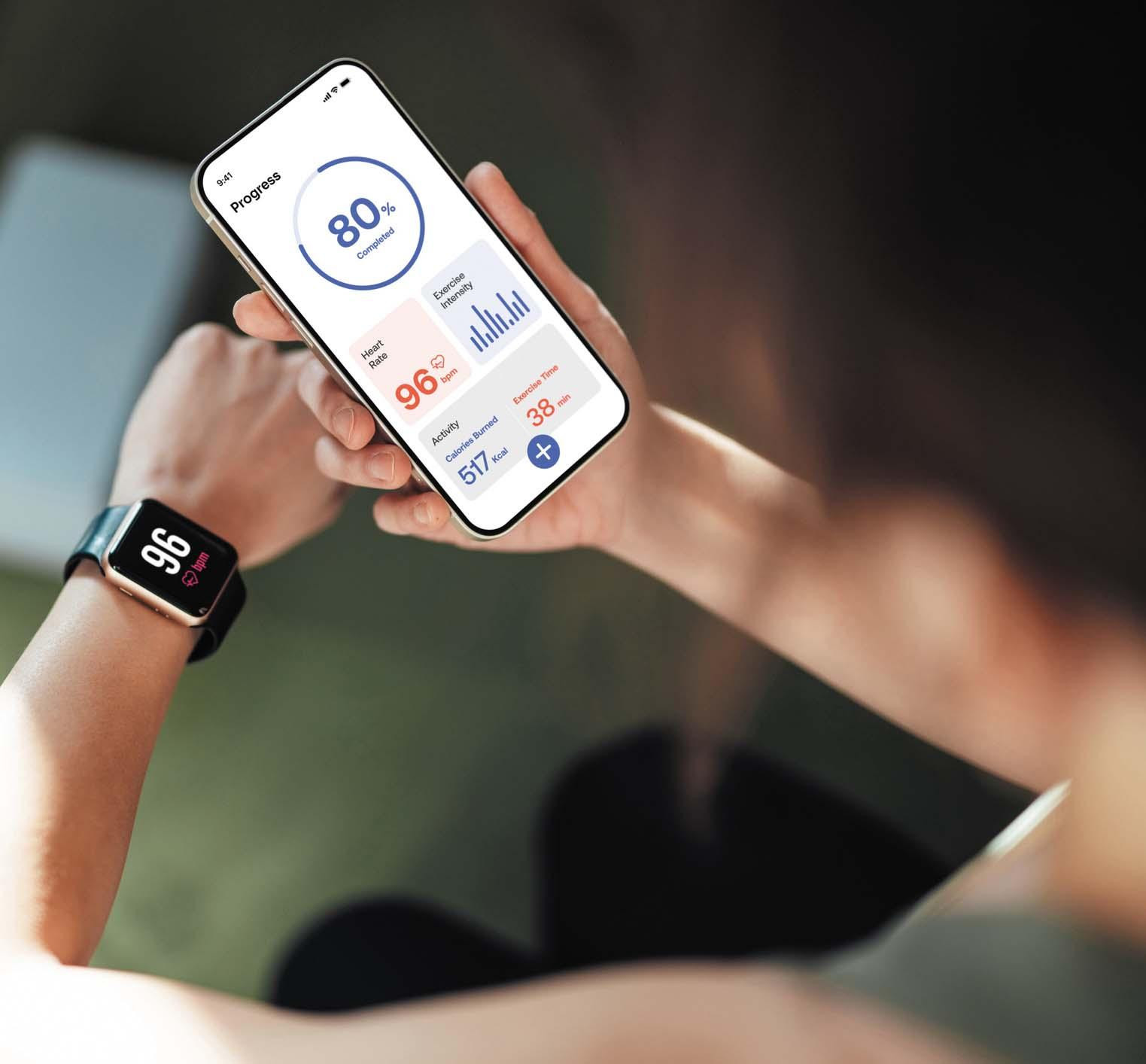
Yes, wearables track physical activity, calories burned, and workout intensity. They provide real-time feedback, helping users optimize workouts. This leads to improved fitness levels and motivation through goal setting and progress tracking.
How Do Wearables Assist People With Chronic Conditions?
Wearables continuously monitor symptoms and vital signs for chronic patients. They enable timely alerts for medication and health changes. This reduces hospital visits and supports better management of conditions like diabetes and hypertension.
Are Wearable Devices Useful For Mental Health Support?
Wearable devices can monitor stress levels through heart rate variability. They offer relaxation exercises and mindfulness reminders. This helps users manage anxiety and improve overall mental well-being effectively.
Conclusion
Wearable technology helps people in many ways. It tracks health, monitors fitness, and assists daily tasks. These devices are easy to use and offer great convenience. They keep you connected and informed at all times. Wearables also enhance safety with features like emergency alerts.
Users can manage stress better with real-time feedback. This technology fits seamlessly into daily life. It supports healthier and more efficient lifestyles. Everyone can benefit from wearable tech. It’s a smart choice for anyone seeking a balanced life. Embrace the future of technology with wearables.
Leave a Reply