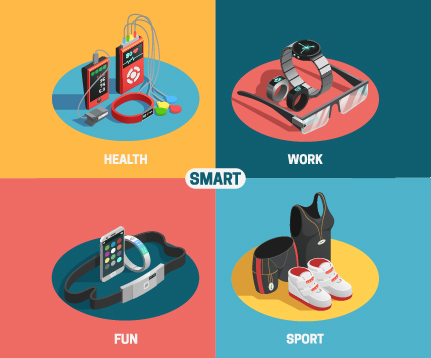
Have you ever wondered how wearable technology fits into your daily life? From tracking your fitness to keeping you connected, these tiny devices do a lot more than you might think.
Imagine having a tool that not only helps you stay healthy but also makes your day easier and more productive. You’ll discover the surprising ways wearable technology is used and how it can benefit you right now. Keep reading—you might find the perfect gadget to improve your lifestyle.
Health And Fitness Tracking
Wearable technology plays a big role in health and fitness tracking today. These devices help people watch their body and activity closely. They provide useful information that supports better health choices. Many wearables combine comfort with smart features to keep users engaged and motivated.
Monitoring Vital Signs
Wearables measure vital signs like heart rate, blood pressure, and oxygen levels. This data helps users understand their health condition. Continuous monitoring can alert users to unusual changes. Some devices even share data with doctors for better care. This constant tracking helps catch problems early.
Activity And Sleep Tracking
Devices track steps, calories burned, and distance traveled. Users see how active they are each day. Sleep tracking shows how long and well someone sleeps. It records deep and light sleep stages. This information guides users to improve their sleep habits. Better sleep means better energy and health.
Personalized Fitness Coaching
Wearables offer tailored workout plans based on user data. They suggest exercises that match fitness levels and goals. Real-time feedback helps users adjust their routines. Some devices motivate with reminders and challenges. This personal coaching makes fitness routines more effective and fun.

Credit: brieflands.com
Enhancing Communication
Wearable technology is changing how we communicate every day. It makes staying connected easier and more efficient, no matter where you are or what you’re doing.
Imagine receiving important messages without pulling out your phone. Or making calls while your hands are busy with other tasks. These are just a few ways wearables enhance communication.
Smartwatches And Notifications
Smartwatches bring notifications right to your wrist. You get alerts for calls, messages, emails, and even social media updates instantly.
This means you don’t miss out on urgent information, especially during meetings or when your phone is out of reach. You can quickly glance at your watch to decide if a notification needs your immediate attention.
Hands-free Calling And Messaging
Wearable devices often include built-in microphones and speakers. This allows you to make calls or send messages without using your hands.
Think about walking your dog or cooking dinner while talking on the phone. Wearables keep you connected without interrupting your activities.
Real-time Language Translation
Some wearables offer real-time language translation, breaking down communication barriers instantly. This feature is perfect for travelers or international business meetings.
Imagine chatting with someone who speaks a different language and understanding each other clearly. This can open up new opportunities and make your conversations smoother.
How would your daily conversations improve if language was no longer a barrier? Wearable technology is helping make that a reality.
Workplace Applications
Wearable technology is changing how people work. Companies use these devices to help employees do tasks faster and safer. These tools fit right on the body, making work easier without slowing anyone down.
Improving Productivity
Wearables help workers track time and tasks. Smartwatches and fitness bands remind users about breaks. They reduce fatigue by monitoring physical activity. Managers get real-time reports to assign work better. This leads to faster project completion and less downtime.
Safety And Hazard Monitoring
Wearable devices watch for dangers in the workplace. Sensors detect harmful gases, heat, or falls. Alerts notify workers and supervisors immediately. Some wearables track heart rate and stress levels. Early warnings help prevent accidents and injuries.
Augmented Reality For Collaboration
Augmented reality (AR) glasses show digital info over real views. Teams can share data and instructions without stopping work. Experts guide workers remotely through complex tasks. AR reduces errors and improves communication. It also speeds up training and problem-solving.
Entertainment And Gaming
Wearable technology has changed how people enjoy entertainment and gaming. These devices bring new ways to play, watch, and interact. They offer more fun and more realistic experiences. Wearables make games and entertainment more personal and exciting.
Immersive Virtual Reality
Virtual reality (VR) headsets create a full 3D world around users. This technology lets players feel inside the game. Users can look around, move, and interact with virtual objects. VR makes stories and games more real and thrilling. It is popular for adventure, horror, and simulation games.
Wearable Gaming Controllers
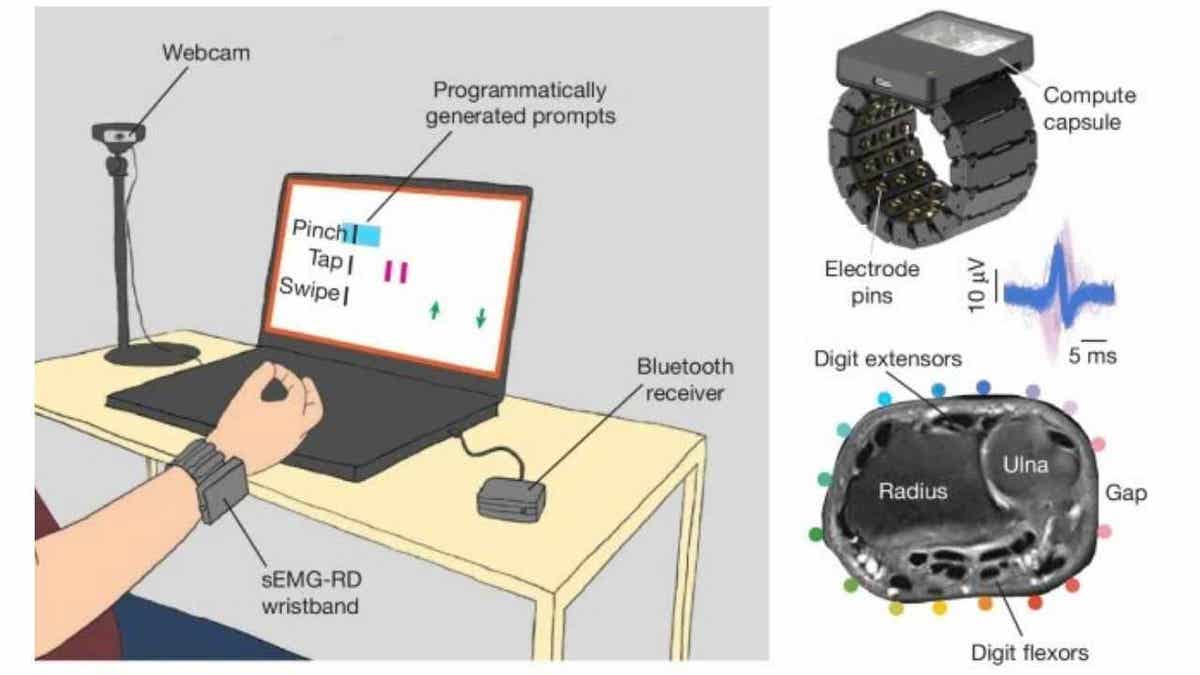
Wearable controllers track hand and body movements for gaming. These devices replace traditional controllers or keyboards. Players move their hands or arms to control characters or actions. This adds a physical element to gaming. It improves precision and makes gaming more active.
Fitness Gaming Experiences
Wearables combine exercise and gaming to make workouts fun. Fitness games use motion sensors to track steps, jumps, and other moves. Players complete challenges, score points, and unlock rewards by staying active. This approach motivates people to exercise more. It turns fitness into an engaging game.
Healthcare Innovations
Wearable technology is changing healthcare with new tools and devices. These devices help doctors and patients stay connected and improve health care quality. They collect real-time data and offer better ways to manage health outside hospitals. Many innovations focus on monitoring, managing diseases, and handling emergencies quickly.
Remote Patient Monitoring
Wearables track vital signs like heart rate, blood pressure, and oxygen levels. Patients can send this information to doctors without visiting clinics. This helps detect problems early and reduces hospital visits. Remote monitoring supports elderly and people with limited mobility.
Chronic Disease Management
Devices help patients control diseases like diabetes and asthma. They remind users to take medicine and check symptoms daily. Data from wearables helps doctors adjust treatments faster. Continuous monitoring improves patient health and prevents complications.
Emergency Response Systems
Wearables can detect falls or sudden health issues. They alert emergency contacts or medical teams automatically. This quick response can save lives, especially for seniors and people living alone. Some devices also provide GPS location for faster help.
Credit: www.idtechex.com
Fashion And Lifestyle
Wearable technology is reshaping fashion and lifestyle. It blends technology with everyday wear to enhance style and function. People enjoy gadgets that look good and offer smart features. This trend creates new ways to express personal style with tech.
Smart Jewelry And Accessories
Smart jewelry offers more than beauty. Rings, bracelets, and necklaces now track health and notify alerts. These pieces connect to phones for calls and messages. They fit daily wear without looking bulky. Users stay connected while keeping a stylish look.
Customizable Wearable Designs
Wearables come in many styles to match unique tastes. Customers can pick colors, materials, and shapes. Some devices let users swap bands or covers easily. This personalization helps people feel the device suits them. It blends tech seamlessly into their wardrobe.
Integrating Technology With Style
Designers focus on merging tech with fashion trends. Wearables are sleek, lightweight, and made from quality materials. They often mimic classic watches or jewelry styles. This balance keeps devices trendy and functional. Users enjoy both smart features and aesthetic appeal.
Future Trends
The future of wearable technology looks exciting and full of new possibilities. Devices will become smarter, smaller, and more connected. These changes will improve how we monitor health, stay fit, and interact with the world.
Wearables will blend more into everyday life. They will offer better data and more useful insights. Here are some key trends shaping the future of wearable technology.
Advancements In Sensors
Sensors in wearables will become more precise and diverse. They will track more health signs like blood sugar and hydration. Smaller sensors will fit into thin, light devices. This will make wearables more comfortable to wear all day.
Improved sensors will catch problems earlier. Users will get alerts about health changes faster. These sensors will also work better in different environments, indoors or outdoors.
Ai Integration
Artificial intelligence will play a bigger role in wearables. AI will analyze data to give smart advice and predictions. It will help users make better choices for health and fitness.
Wearables will learn user habits and customize alerts. They will suggest actions based on personal goals and conditions. AI will also help reduce false alarms by understanding normal patterns.
Expanding Use Cases
Wearable technology will spread beyond fitness and health. It will enter fields like education, work safety, and entertainment. Smart glasses may help with learning or provide real-time information.
Wearables will support remote work and virtual meetings. They will improve safety by detecting hazards or monitoring workers. New uses will emerge as technology and creativity grow.
Credit: www.foxnews.com
Frequently Asked Questions
What Are The Main Uses Of Wearable Technology Today?
Wearable technology is primarily used for health monitoring, fitness tracking, and communication. It helps users track vital signs, daily activity, and receive notifications conveniently.
How Does Wearable Technology Improve Fitness Tracking?
Wearables track steps, heart rate, and calories burned in real-time. They offer personalized insights to help users reach fitness goals efficiently and safely.
Can Wearable Technology Help With Medical Monitoring?
Yes, wearables monitor chronic conditions like diabetes and heart disease. They provide continuous data, enabling early detection and better disease management.
What Role Does Wearable Tech Play In Communication?
Wearable devices allow hands-free calls, messages, and notifications. They keep users connected without needing to check their phones constantly.
Conclusion
Wearable technology transforms how we live and work. From fitness trackers to smartwatches, these devices offer many benefits. They track health, provide notifications, and even assist with tasks. Wearable tech is becoming more common in daily life. It’s important to stay updated with new developments.
As technology advances, wearables will likely become even more useful. They will integrate into our routines seamlessly. Understanding their uses can help us make the most of them. Stay informed, and see how wearables can fit into your life. These devices are here to stay.
Explore their potential today.
Leave a Reply