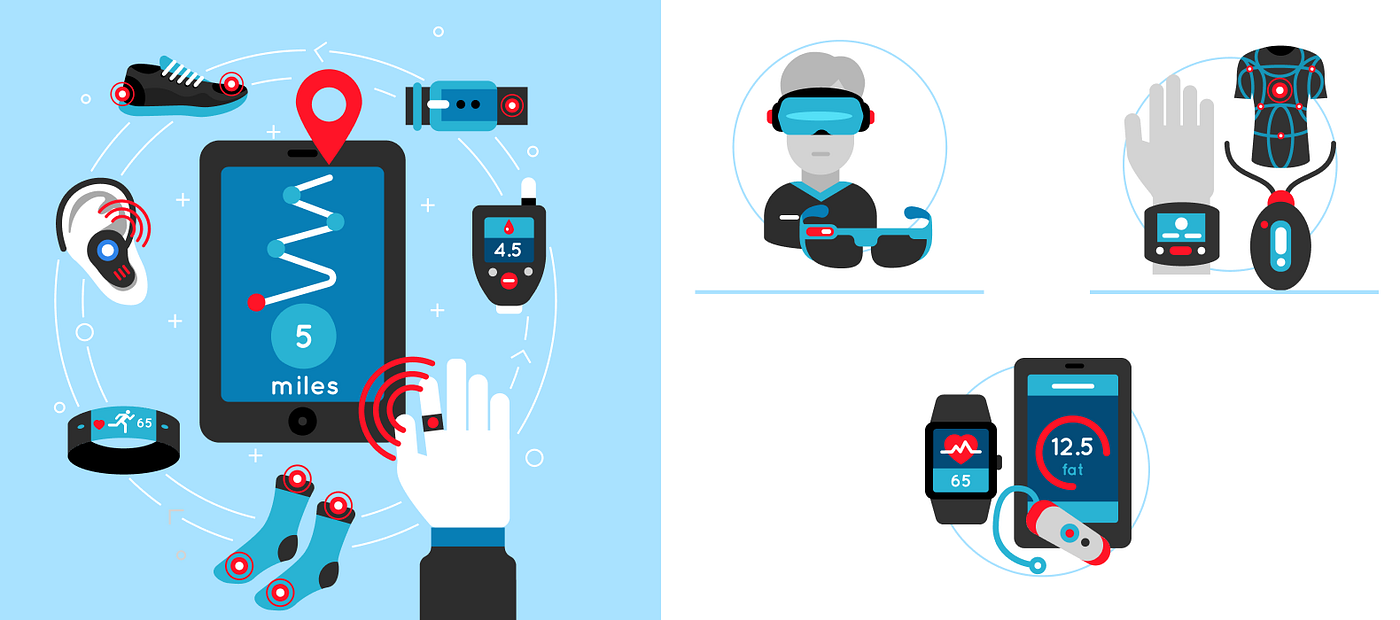
Have you ever wondered how a small device on your wrist or clipped to your clothes could change your daily life? Wearable technology is more than just a cool gadget.
It has the power to boost your health, keep you connected, and even improve your safety. Imagine having a personal assistant that tracks your fitness, reminds you to stay active, and helps you manage stress—all without interrupting your day. Curious about what these devices can do for you?
Keep reading to discover the surprising benefits that wearable technology can bring to your life.
Health Monitoring
Wearable technology plays a vital role in health monitoring. These devices collect important health information continuously. Users can track their body’s signals without visiting a doctor. This helps people stay aware of their health status.
Real-time Data Tracking
Wearables provide instant updates on heart rate, sleep, and more. This data helps users make quick decisions. For example, noticing a fast heart rate can signal rest time. Continuous tracking offers a clear view of health trends over days and weeks.
Chronic Disease Management
People with chronic conditions benefit from wearable devices. They can monitor blood sugar, blood pressure, or oxygen levels regularly. Wearables send alerts if readings go beyond safe limits. This timely information helps in managing diseases better and avoiding emergencies.
Fitness And Activity Insights
Wearables track steps, calories burned, and exercise intensity. Users receive feedback on their daily activity levels. This motivates them to stay active and meet fitness goals. Tracking progress encourages healthy habits and improves overall well-being.
Enhanced Communication
Wearable technology improves how people communicate every day. It offers new ways to stay connected without delays or extra effort. Devices like smartwatches and earbuds make talking, texting, and sharing information easier and faster. This new level of communication helps users stay in touch with friends, family, and work contacts anytime.
Seamless Connectivity
Wearables connect instantly to phones and the internet. Users receive calls, messages, and notifications in real time. This constant link helps people respond quickly and stay updated. It removes the need to check phones constantly, saving time and focus.
Hands-free Interaction
Voice commands and touch controls allow users to communicate without using hands. People can send texts, make calls, or ask questions while doing other tasks. This feature supports multitasking and increases safety, especially when driving or exercising.
Improved Accessibility
Wearable devices help those with disabilities communicate more easily. Features like voice-to-text and screen readers make interaction possible for many users. This technology breaks down barriers and offers more independence in daily life.
Workplace Efficiency
Wearable technology is changing how people work. It helps workers finish tasks faster and safer. This tech fits right on the body, offering real-time data and alerts. It improves how teams communicate and manage work. Wearables help create a smoother, smarter workplace.
Productivity Boost
Wearables track steps, heart rate, and movement. This data helps workers stay active and avoid fatigue. Alerts remind users to take breaks or hydrate. Tasks get done faster with hands-free devices showing instructions. Time spent searching for tools or information drops. Workers stay focused and efficient throughout the day.
Safety Improvements
Wearables monitor environmental hazards like gases or heat. Sensors detect falls or sudden health issues immediately. Alerts notify supervisors about risks in real time. Workers get quick help before injuries worsen. Safety compliance improves as wearables record data automatically. This reduces accidents and keeps employees safe.
Remote Collaboration
Wearables enable instant voice and video communication. Teams connect from different locations without delays. Heads-up displays share data and instructions during tasks. Workers receive guidance without leaving their stations. This technology supports smooth teamwork and faster problem solving. Remote workers feel more connected and involved.

Credit: blog.stackademic.com
Personalized Experiences
Personalized experiences are at the heart of what makes wearable technology so valuable. These devices learn from your habits, preferences, and daily routines to deliver information and features that fit your unique lifestyle. This tailored approach helps you stay more connected and productive without feeling overwhelmed.
Customizable Notifications
Wearables let you decide which notifications matter most. You can filter alerts to receive only important calls, messages, or reminders, reducing distractions during your day. Imagine getting a gentle vibration for a meeting reminder but a louder alert for an urgent message—this control keeps you focused and efficient.
Think about how often you ignore your phone because of constant buzzing. With customizable notifications, your wearable acts like a smart assistant, notifying you only when necessary. How would your daily routine change if you only got alerts that truly needed your attention?
Adaptive User Interfaces
Your wearable’s interface adjusts based on how you use it. For example, if you frequently check fitness stats, your device may prioritize those screens for easier access. This saves you time scrolling through menus and makes your device feel more intuitive.
Adaptive interfaces can also change based on your environment, such as switching to a darker screen outdoors or enlarging buttons when you’re on the move. This flexibility ensures that interacting with your device is always simple and comfortable, no matter the situation.
Behavioral Analytics
Wearables collect data on your daily activities, sleep patterns, and even stress levels. They analyze this information to offer personalized advice, like suggesting better sleep habits or reminding you to take breaks. This insight helps you make smarter health and lifestyle choices.
Have you ever noticed how small changes, like adjusting your bedtime, improve your energy levels? Behavioral analytics provide the data to support these changes, making your wearable a personal coach. What would you do differently if your device could spot trends in your behavior and guide you accordingly?
Innovations In Healthcare
Wearable technology is changing healthcare. It helps doctors and patients in new ways. These devices collect health data continuously. This data improves treatment and care. Innovations in healthcare with wearables focus on better access and faster help.
Telemedicine Integration
Wearables connect patients to doctors remotely. They send real-time health data for review. This reduces the need for in-person visits. Patients can get advice and prescriptions from home. It saves time and lowers healthcare costs.
Early Diagnosis Tools
Wearables monitor vital signs like heart rate and oxygen levels. They detect unusual patterns early. This helps spot diseases before symptoms appear. Early diagnosis can prevent serious health problems. It enables quick action and better outcomes.
Rehabilitation Support
Wearables guide patients through recovery exercises. They track progress and provide feedback. This support keeps patients motivated and on track. Doctors can adjust therapy based on real data. Rehabilitation becomes more effective and personalized.
Credit: medium.com
Fitness And Lifestyle
Wearable technology plays a key role in shaping fitness and lifestyle habits. These devices offer real-time data that helps users stay active and healthy. They make tracking simple and accurate, encouraging better daily choices. Users gain insights into their bodies and routines, which supports lasting changes.
Motivation And Goal Setting
Wearables provide clear goals for steps, workouts, and calories. They send reminders that nudge users to move more. Achieving small targets builds confidence and keeps motivation high. Sharing progress with friends adds extra encouragement and support. This helps create a steady habit of physical activity.
Sleep And Stress Management
Many wearables monitor sleep quality and patterns. Users learn how long and how well they sleep each night. This data highlights areas to improve rest and recovery. Stress tracking features detect signs of tension through heart rate changes. Guided breathing exercises help reduce stress and promote calmness.
Nutrition Tracking
Wearables can log food intake and calorie consumption easily. Users see how diet impacts energy and weight goals. Some devices suggest healthier choices and portion control tips. Tracking hydration levels reminds users to drink enough water daily. This creates better awareness of eating habits and nutrition balance.
Security And Privacy
Security and privacy are at the heart of wearable technology’s appeal and concern. As these devices collect sensitive personal information, ensuring that your data stays safe is crucial. Understanding how wearables protect your privacy can help you use them more confidently and wisely.
Biometric Authentication
Wearable devices often use biometric authentication like fingerprints or heart rate patterns to verify your identity. This method adds a strong layer of security because it’s unique to you and hard to replicate. Have you noticed how quickly your smartwatch unlocks once it recognizes your pulse? That’s biometric security working seamlessly in the background.
Data Encryption
Encryption scrambles your data so only authorized devices or people can read it. Many wearables encrypt data both when it’s stored on the device and during transmission to your phone or cloud. Imagine your health stats traveling in a secret code—this keeps hackers from easily accessing your personal info.
User Control Over Data
One of the biggest questions about wearables is: who controls your data? Most modern devices give you options to control what’s collected and shared. You can often adjust settings to limit data access or delete information you no longer want stored. Taking charge of your privacy settings ensures your data is truly yours.
Credit: journalofcloudcomputing.springeropen.com
Future Trends
The future of wearable technology holds exciting possibilities. New trends promise to change how we use wearables daily. These trends focus on smarter devices, better experiences, and eco-friendly designs. They aim to make wearables more helpful and integrated into life.
Ai And Machine Learning Integration
Wearables will use AI to provide smarter insights. Machine learning helps devices learn user habits and preferences. This allows personalized health tips and activity tracking. AI can predict health issues early for quick action. Devices will adapt over time to improve accuracy and user support.
Wearables In Augmented Reality
Augmented reality (AR) will become common in wearable tech. AR wearables add digital layers to real-world views. They offer hands-free navigation, real-time information, and interactive experiences. Users can access data without looking at phones. AR glasses and smart lenses are set to grow in popularity.
Sustainability And Wearable Tech
Eco-friendly materials and designs will shape wearable tech’s future. Brands focus on reducing waste and using recyclable parts. Energy-efficient batteries will extend device life and reduce charging needs. Sustainable wearables appeal to users who care about the planet. This trend supports a greener, cleaner technology future.
Frequently Asked Questions
What Health Benefits Do Wearable Devices Offer?
Wearable technology tracks vital signs like heart rate and sleep quality. It helps users monitor fitness, detect irregularities early, and promote healthier habits.
How Do Wearables Improve Daily Productivity?
Wearables provide real-time notifications and reminders. They streamline communication, manage schedules, and reduce distractions, enhancing overall efficiency and time management.
Can Wearable Technology Enhance Sports Performance?
Yes, wearables offer detailed analytics on physical activity and recovery. Athletes use this data to optimize training, prevent injuries, and boost performance.
What Role Do Wearables Play In Chronic Disease Management?
Wearables continuously monitor symptoms and medication adherence. They provide valuable insights for patients and doctors, improving treatment outcomes and quality of life.
Conclusion
Wearable technology offers many benefits in daily life. It enhances health monitoring, keeping track of vital signs. Fitness becomes more manageable with step counts and calorie tracking. Staying connected is easier with notifications on your wrist. Safety improves with emergency alerts and GPS tracking.
Hands-free convenience helps multitask efficiently. Personal data insights promote better lifestyle choices. As technology evolves, wearables become even more valuable. They seamlessly integrate into our routines, improving well-being. Embrace these small devices for a smarter, healthier life.
Leave a Reply