Have you ever wondered if the wearable devices you strap on every day could be doing more than just tracking your steps? You might think they’re harmless gadgets, but what if they’re quietly affecting your body in ways you never imagined?
Understanding how wearable technology interacts with your body can help you make smarter choices about your health and well-being. Keep reading to discover the surprising truths behind these popular devices and what they really mean for you.

Credit: www.otandp.com
Types Of Wearable Technology
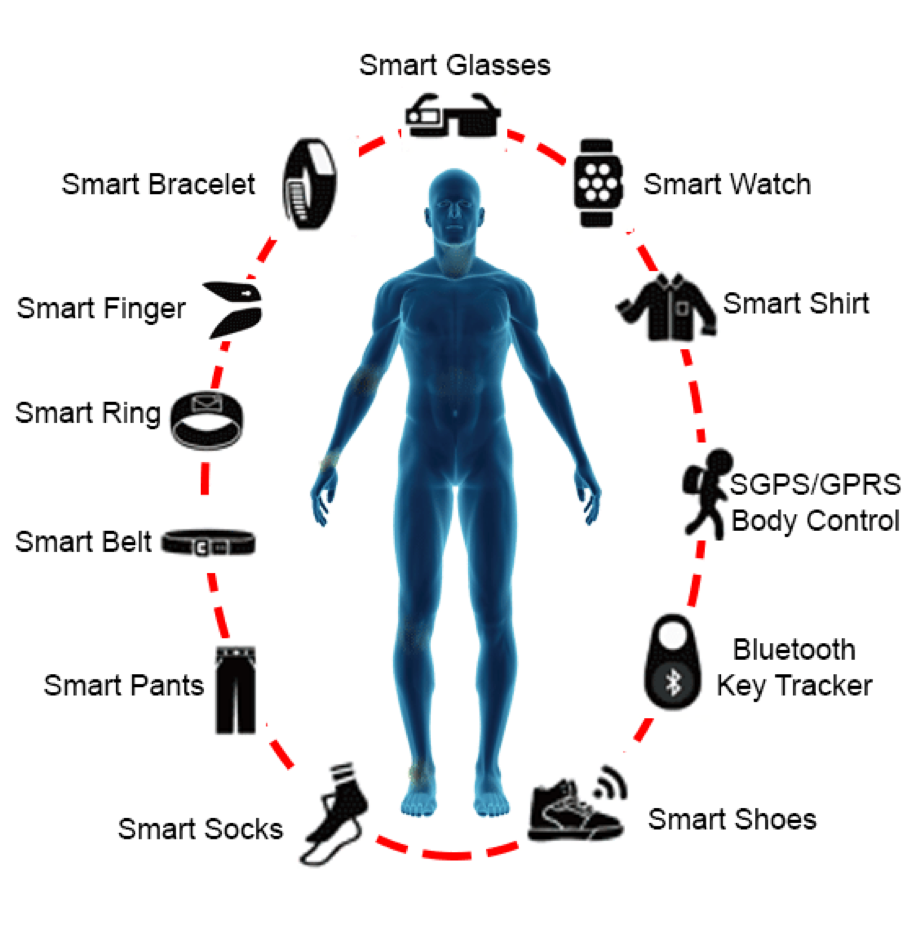
Wearable technology comes in many forms, each designed to interact with your body in unique ways. These devices not only track your activities but also provide real-time feedback that can influence your health and daily habits. Understanding the types of wearable technology helps you choose the right device for your needs and see how it might affect your body.
Fitness Trackers
Fitness trackers are among the most popular wearables. They monitor your steps, heart rate, and sleep patterns, giving you insights into your physical activity and recovery. Many users find that seeing their progress motivates them to move more, but have you noticed if wearing one changes how you feel during workouts?
Some trackers also measure calories burned and stress levels, which can help you adjust your routine to improve overall wellness. These small devices can make a big difference in how you understand your body’s responses throughout the day.
Smartwatches
Smartwatches combine the features of fitness trackers with the convenience of notifications and apps on your wrist. They allow you to stay connected without constantly checking your phone, which can reduce distractions and stress. Have you ever realized how having health data at your fingertips can make you more aware of your body’s needs?
Many models include ECG monitoring and fall detection, which adds a layer of health safety. Wearing a smartwatch might encourage you to be more proactive about your health, but it can also raise questions about screen time and comfort.
Medical Devices
Medical wearable devices are designed for specific health conditions, such as glucose monitors for diabetes or wearable ECG monitors for heart patients. These devices provide critical data that can guide treatment and prevent emergencies. If you or someone you know uses one, you understand how these wearables can be lifesaving tools.
They often require a closer connection to your body, which means you might feel them more physically and emotionally. How does wearing a medical device impact your day-to-day comfort and mental well-being?
Augmented Reality Glasses
Augmented reality (AR) glasses overlay digital information onto the real world, offering new ways to interact with your environment. Though less common, they are becoming more accessible and can affect your body by changing how you focus and move your head. Have you tried AR glasses and noticed any strain or changes in posture?
These devices challenge your brain to process two layers of visual input simultaneously, which might lead to eye fatigue or headaches for some users. Understanding these effects is key to using AR glasses safely and comfortably.

Credit: blog.stackademic.com
Impact On Skin And Comfort
Wearable technology has become a constant companion for many, blending seamlessly into daily life. But how does this close contact affect your skin and overall comfort? Understanding these effects can help you make smarter choices about wearing and caring for your devices.
Skin Irritation And Allergies
Your skin reacts differently to various materials used in wearables. Some devices contain metals like nickel, which can cause allergic reactions such as redness, itching, or rash.
Moisture trapped under a band or sensor can worsen irritation, especially if you wear the device during exercise or in hot weather. If you notice persistent discomfort, try switching to hypoallergenic bands or cleaning the wearable regularly to prevent buildup of sweat and dirt.
Pressure And Fit Issues
A tight or poorly fitting wearable can create pressure points on your skin. This may lead to soreness, indentations, or even bruising after prolonged use.
Adjust the fit to be snug but not constrictive. If you experience discomfort, consider changing the wearing position or choosing a device with adjustable sizing. Your comfort should never be compromised for the sake of tracking data.
Long-term Wear Effects
Wearing technology 24/7 can affect your skin’s natural balance. Constant contact may reduce breathability, leading to dryness or increased oiliness depending on your skin type.
Taking breaks from your wearable can help your skin recover. Pay attention to how your skin feels after removing the device for a few hours or days—does it improve? This simple test can guide how often you should wear your device without compromising skin health.
Electromagnetic Radiation Exposure
Wearable technology has become a part of daily life for many, from fitness trackers to smartwatches. But have you ever wondered how the electromagnetic radiation from these devices affects your body? Understanding electromagnetic radiation exposure is key to making informed choices about using wearables safely.
Radiation Levels In Wearables
Wearable devices emit low levels of electromagnetic radiation, mainly in the form of radiofrequency (RF) waves. These levels are usually much lower than those from cell phones, as wearables use less power to communicate with your phone or Wi-Fi.
Typical RF exposure from wearables is measured in Specific Absorption Rate (SAR), which shows how much radiation your body absorbs. Most devices have SAR values well below the safety limits set by health organizations, but it’s important to check the SAR ratings of your device.
Potential Health Risks
So, does this radiation pose any health risks? The majority of scientific studies have not found clear evidence linking low-level RF radiation from wearables to serious health problems.
However, some users report headaches, skin irritation, or sleep disturbances after prolonged use. Could these effects be linked to radiation, or are they caused by other factors like stress or device usage habits? It’s a question worth considering as you decide how long and how close you keep wearables on your body.
Safety Standards And Regulations
Governments and health agencies worldwide set strict safety standards for electromagnetic radiation exposure. Devices must meet these standards before they hit the market.
The Federal Communications Commission (FCC) in the U.S. and similar bodies elsewhere regulate SAR limits, ensuring devices do not exceed levels considered safe for human exposure.
When buying a wearable, look for certifications and SAR information. This helps you choose products tested for safety, giving you peace of mind while you enjoy your tech.
Effects On Sleep Patterns
Wearable technology has become common in daily life, especially for tracking health. Its impact on sleep patterns draws attention. Devices promise better rest but can influence sleep in various ways. Understanding these effects helps users make smart choices for healthier sleep.
Sleep Tracking Accuracy
Wearables use sensors to monitor heart rate, movement, and breathing during sleep. They estimate sleep stages like light, deep, and REM sleep. Accuracy varies by device and user habits. Some devices may misinterpret restlessness or stillness. Reliable tracking can help identify sleep issues early.
Disruption From Notifications
Wearables often send notifications, even at night. Vibrations or sounds can interrupt sleep cycles. Light alerts may cause brief awakenings. Users may feel less rested after disturbed sleep. Turning off notifications or using “Do Not Disturb” mode can reduce disruptions.
Blue Light And Sleep Quality
Many wearables have screens that emit blue light. Blue light can reduce melatonin, a hormone that controls sleep. Exposure before bedtime can delay falling asleep. Dimming screens or limiting screen use at night improves sleep quality. Some devices offer night mode to lower blue light effects.
Influence On Physical Activity
Wearable technology has reshaped how many people approach physical activity. These devices don’t just track your movements; they actively influence your daily exercise routines and habits. Understanding this influence can help you make better choices about your fitness journey.
Motivation And Behavior Changes
Wearables often boost motivation by giving you clear goals and real-time feedback. Seeing your step count rise or your heart rate improve can push you to move more throughout the day. But have you noticed how some days the device’s reminders make you get off the couch, even when you don’t feel like it?
These small nudges can change behavior over time, encouraging consistency. However, motivation can also drop if the device feels more like a chore than a helpful tool. It’s important to use wearables as a guide, not a strict judge.
Risk Of Overtraining
Tracking every detail can lead to overtraining without you realizing it. Some users push too hard to meet daily targets, ignoring signs of fatigue or soreness. Have you ever felt drained but still kept going because your wearable said you needed to hit a goal?
Ignoring your body’s limits can cause injuries or burnout. A wearable should help balance effort and recovery, not push you beyond healthy boundaries. Listen to your body alongside the data.
Posture And Movement Monitoring
Advanced wearables now monitor posture and movement patterns to help prevent injury. They can alert you if you’re slouching or using improper form during workouts. This kind of feedback is like having a personal trainer with you all day.
These insights encourage better habits beyond just counting steps or calories. Have you ever corrected your posture thanks to a vibration alert? Small changes like these add up to long-term benefits.

Credit: www.jacc.org
Mental Health And Wearables
Wearable technology has become a popular tool for tracking physical health. Its impact on mental health is also gaining attention. These devices offer insights into stress levels, anxiety, and overall emotional well-being.
Understanding how wearables affect the mind helps users make better choices. Some benefits exist, but there are also concerns to consider.
Stress Monitoring Benefits
Wearables can track heart rate and skin temperature to detect stress. This information helps users identify stressful moments quickly. Early awareness allows for timely relaxation techniques.
People can use data to improve daily habits and manage stress better. Constant feedback offers motivation to reduce anxiety and promote calmness.
Anxiety From Constant Tracking
Tracking health metrics all the time can cause worry. Some users feel pressured to meet daily goals. This pressure may increase stress instead of reducing it.
Over-focusing on numbers can distract from real-life experiences. It may create a sense of failure if targets are missed. This anxiety can harm mental well-being over time.
Privacy Concerns And Psychological Impact
Wearables collect sensitive personal data, raising privacy issues. Fear of data misuse may lead to mistrust and stress. Users worry about who sees their information.
This concern can affect mental health, causing unease and distraction. Feeling watched or monitored can reduce comfort and freedom.
Wearables In Chronic Disease Management
Wearable technology plays a growing role in managing chronic diseases. These devices track health data continuously. This helps patients and doctors spot problems early. Real-time monitoring supports better treatment and daily care. Wearables make managing chronic conditions easier and more precise.
Diabetes Monitoring
Wearables help people track blood sugar levels throughout the day. Continuous glucose monitors send data to phones or smartwatches. This allows quick adjustments to diet or medication. Alerts warn users of dangerous highs or lows. These devices reduce the need for finger pricks and provide comfort.
Cardiac Health
Heart patients benefit from wearables that track heart rate and rhythm. Devices detect irregular heartbeats or signs of arrhythmia. Some wearables monitor blood pressure and oxygen levels too. Data helps doctors adjust treatments early. Patients feel safer with constant heart monitoring.
Respiratory Conditions
Wearables support those with asthma or COPD by tracking breathing patterns. Sensors detect changes in lung function and oxygen saturation. Alerts can signal worsening symptoms or attacks. This allows faster responses and better control of respiratory health. Wearables encourage patients to stay active safely.
Future Trends And Innovations
The future of wearable technology promises exciting changes. Innovations will deepen the connection between devices and our bodies. These trends aim to make wearables smarter, safer, and more helpful. They focus on gathering accurate health data without causing discomfort. Users can expect devices that blend seamlessly into daily life while providing valuable insights.
Advanced Biometric Sensors
New sensors will track vital signs with higher accuracy. They will measure heart rate, oxygen levels, and even stress indicators. Miniaturized sensors will fit into smaller, lighter devices. These sensors will detect subtle changes in the body. This allows early warnings for health issues. Accuracy will improve through better materials and designs.
Integration With Ai
Artificial intelligence will analyze health data in real time. AI will identify patterns and suggest personalized advice. Devices will learn user habits and adjust feedback accordingly. This will help in managing chronic conditions more effectively. AI will also predict potential health risks before they become serious. Users will receive tailored recommendations to improve wellness.
Non-invasive Monitoring Techniques
Wearables will monitor health without breaking the skin. Technologies like optical sensors and bioimpedance will gain ground. These methods reduce discomfort and infection risk. Users can check blood sugar, hydration, and other metrics painlessly. Non-invasive techniques make continuous monitoring easier and safer. This will encourage more people to use wearable health devices.
Frequently Asked Questions
Does Wearable Technology Impact Skin Health?
Wearable devices can cause mild skin irritation or allergies in some users. However, most modern devices use skin-friendly materials. Regular cleaning and proper fit help reduce risks. Overall, skin health impact is minimal with proper care and usage.
Can Wearables Affect Body Posture?
Yes, some wearables monitor posture and encourage better alignment. They provide real-time feedback to correct slouching or bad habits. This can improve posture over time and reduce related pain or discomfort.
Do Wearable Devices Influence Sleep Quality?
Wearables track sleep patterns and provide insights to improve rest. Some devices offer gentle vibrations to wake users without disturbing sleep cycles. Proper use can enhance sleep quality by promoting healthier habits.
Is There Any Radiation Risk From Wearables?
Wearable devices emit low levels of non-ionizing radiation, which is generally considered safe. Current research shows no significant health risks from typical wearable use. Users should follow manufacturer guidelines to minimize exposure.
Conclusion
Wearable technology impacts our bodies in many ways. Some benefits include health tracking and convenience. But, there are concerns too. Issues like data privacy and over-reliance exist. It’s crucial to balance tech use with personal health. Choose devices wisely. Understand their functions and limits.
This helps in making informed decisions. Technology can enhance life. Yet, awareness is key to avoid pitfalls. Always prioritize health and well-being. Stay informed and tech-savvy. With careful use, wearable tech can be a helpful tool.
Leave a Reply